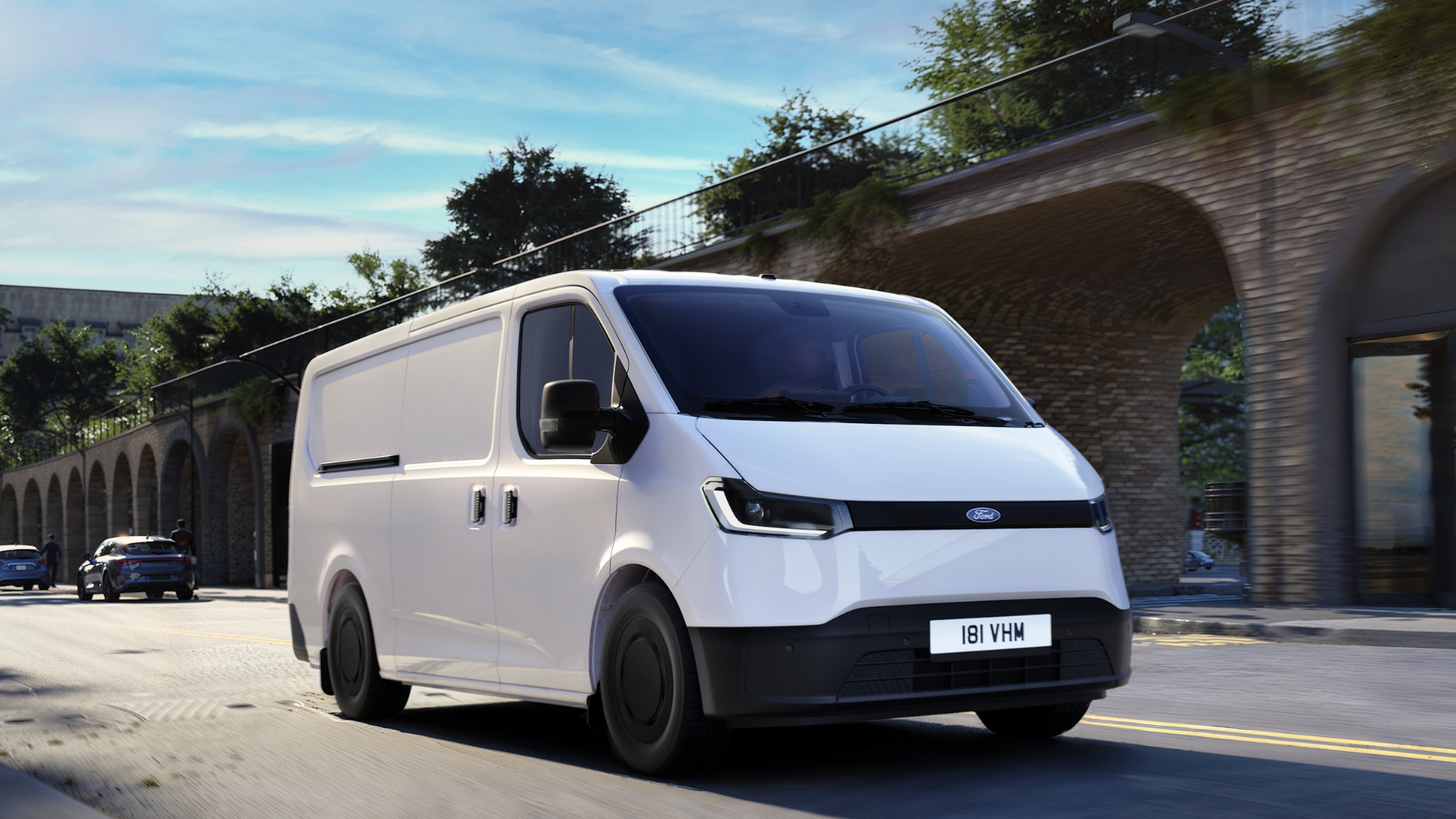
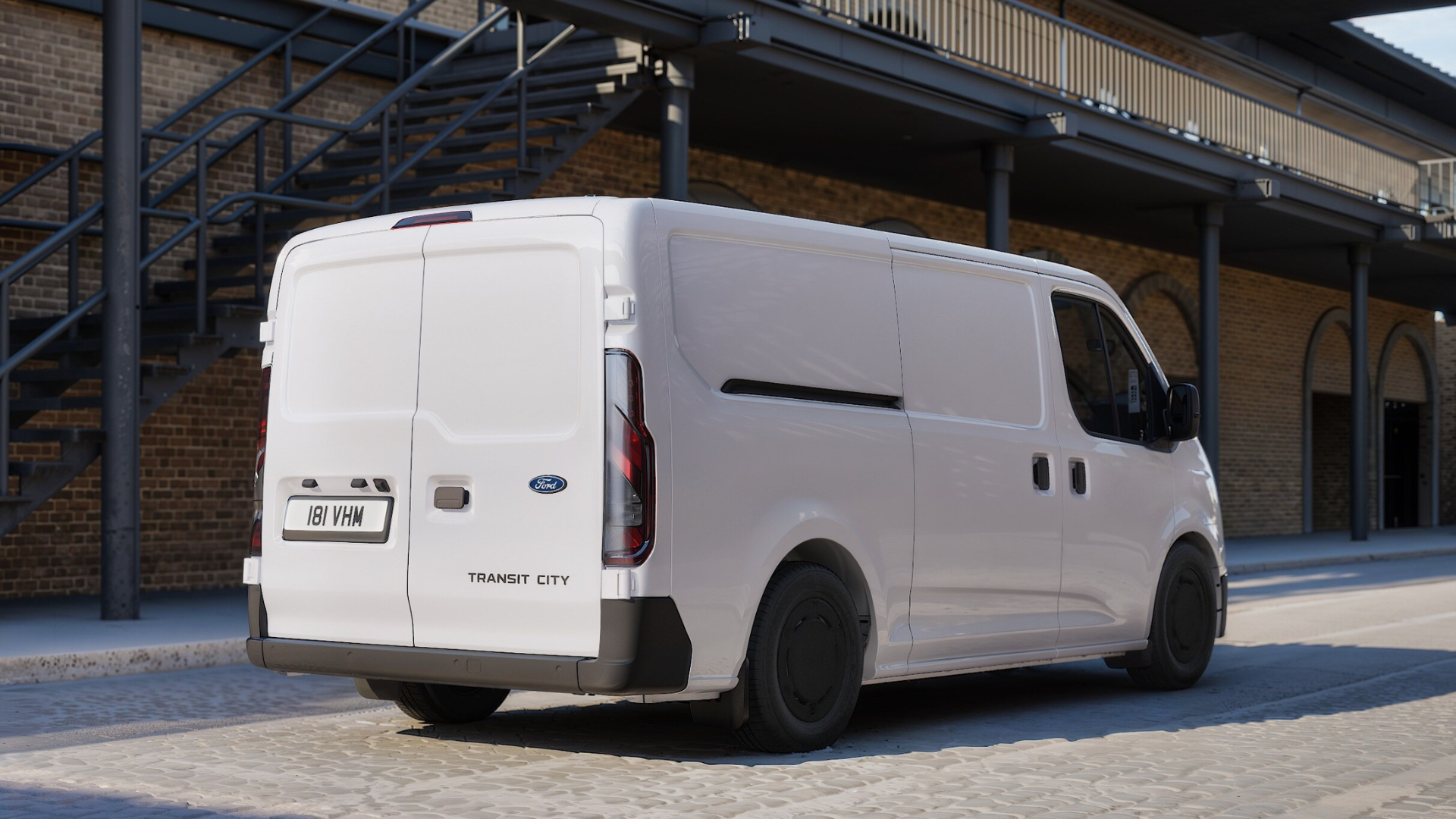
Ford has confirmed the arrival of the new Ford Transit City in the Brazilian market in the second half of 2026. The model will be launched simultaneously in other Latin American countries and also in Europe, reinforcing the brand’s global strategy to expand its presence in the electrified commercial vehicle segment.
The novelty arrives to occupy a range below the current traditional Transit line. Smaller and aimed at urban use, the Transit City was developed especially for operations in regions with restricted emissions and circulation.
According to Ford Pro, the manufacturer’s commercial vehicle division, the electric van bets on low operating costs as the main argument for fleet owners and companies. The focus is on segments such as last-mile deliveries, maintenance and repairs, utility companies, refrigerated transportation, contractors and municipal fleets.
“Transit City is part of our strategy to empower customers with the most complete portfolio in the segment to deliver the ideal vehicle and optimize your business outcome,” said Guillermo Lastra, director, Commercial Vehicles, Ford Latin America. “It’s a global product that embodies all of our brand expertise for those who need to operate in low-emission urban areas with maximum efficiency.”
The manufacturer says that the model has undergone rigorous tests for durability and robustness, following the global standards applied by Ford in utility vehicles.
In addition to official information, details released in international markets help to anticipate some characteristics of the electric van. The Transit City is produced in China in partnership with Jiangling Motors Corporation (JMC), the same company linked to the Ford Territory SUV.
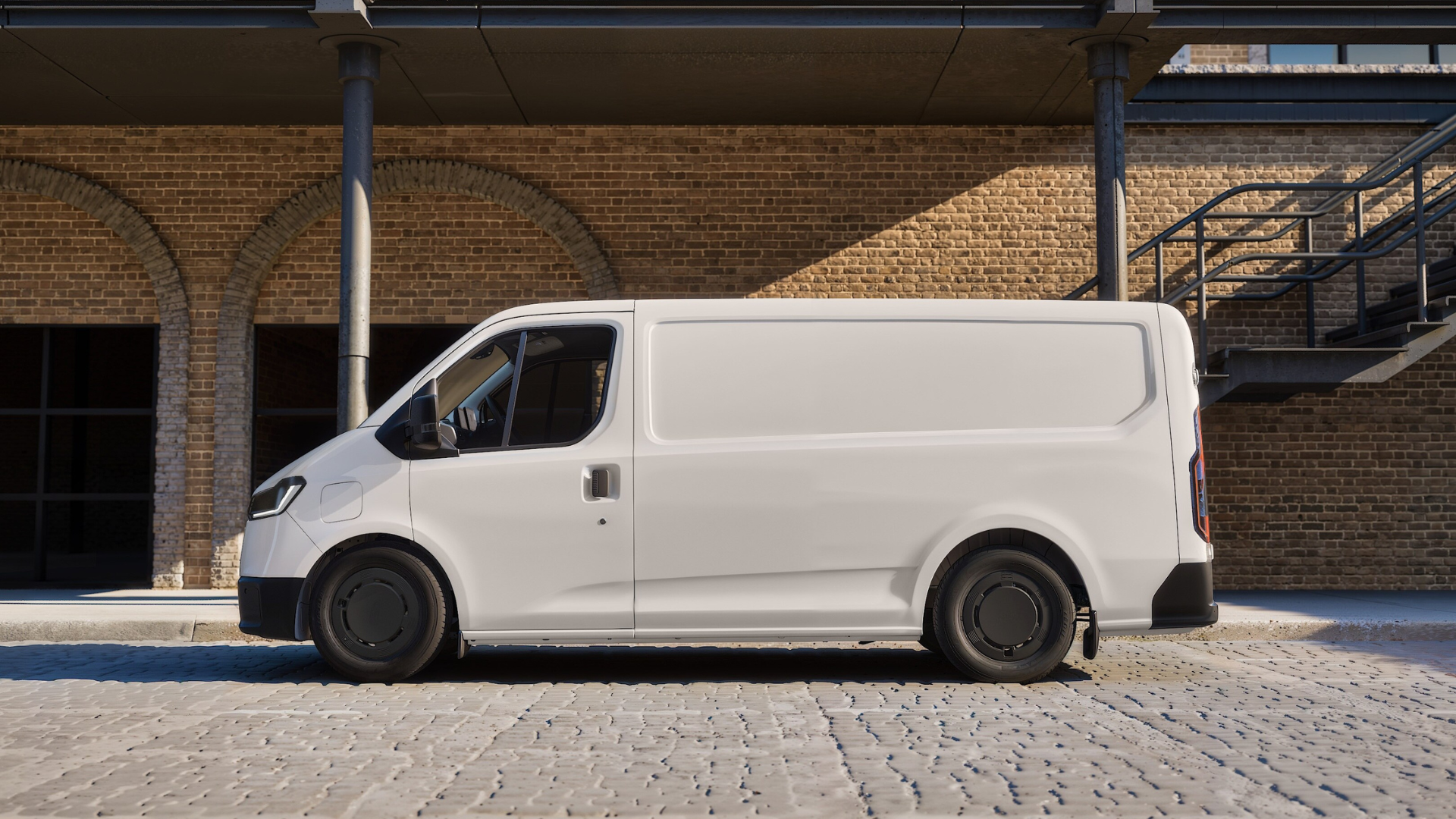
In other countries, the utility has already appeared in different body configurations, including compact van (L1H1), elongated versions with a high roof (L2H2) and even a chassis-cab. The proposal is to serve varied operations, from lighter urban deliveries to applications with specific implements.
Load capacities also vary by configuration. The L1H1 version can carry up to 1,085 kg, while the L2H2 variant supports up to 1,275 kg and offers a load volume close to 8 m³.
On the mechanical side, the Transit City uses an electrical set formed by a 56 kWh LFP battery and a 110 kW front electric motor, equivalent to 150 hp. The autonomy can reach about 250 km, a number designed especially for urban applications. According to Ford itself, most vans in this segment travel less than 110 km per day.
The model also supports charging of up to 11 kW in alternating current and up to 87 kW in direct current. In this condition, it is possible to recharge the battery from 10% to 80% in approximately 30 minutes.
Another highlight is the one-pedal driving, a system that intensifies energy regeneration when decelerating and reduces the use of the brake in urban traffic, improving comfort in daily use.
Even with the information and characteristics of other markets already circulating, Ford has not yet revealed prices, national versions or equipment of the novelty. According to the American, everything will be released close to the launch.
Comments are the sole responsibility of their authors and do not represent the opinion of this site. Comments containing profanity or offensive language will not be published. If you identify anything that violates the terms of use, please report it.