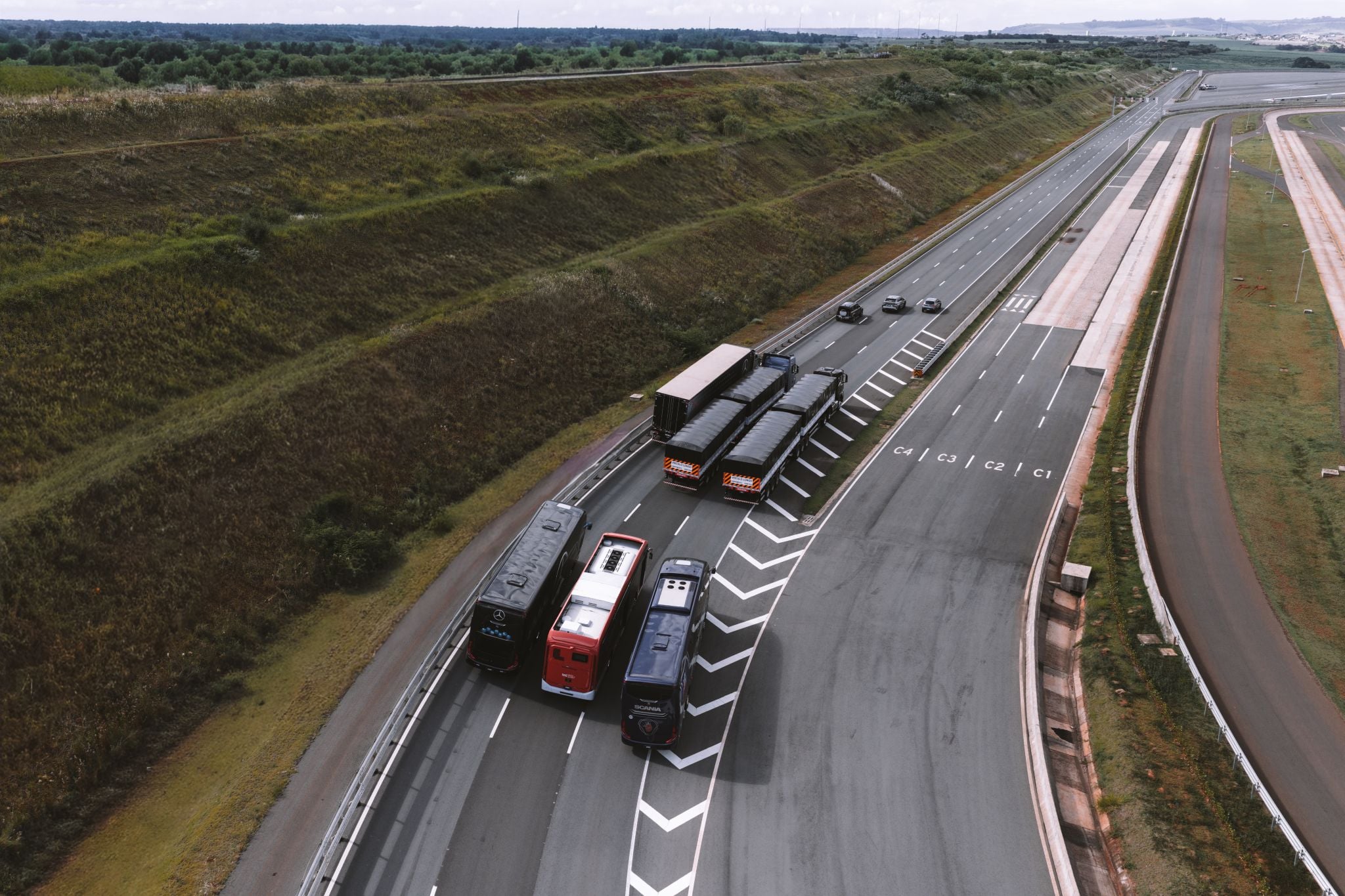
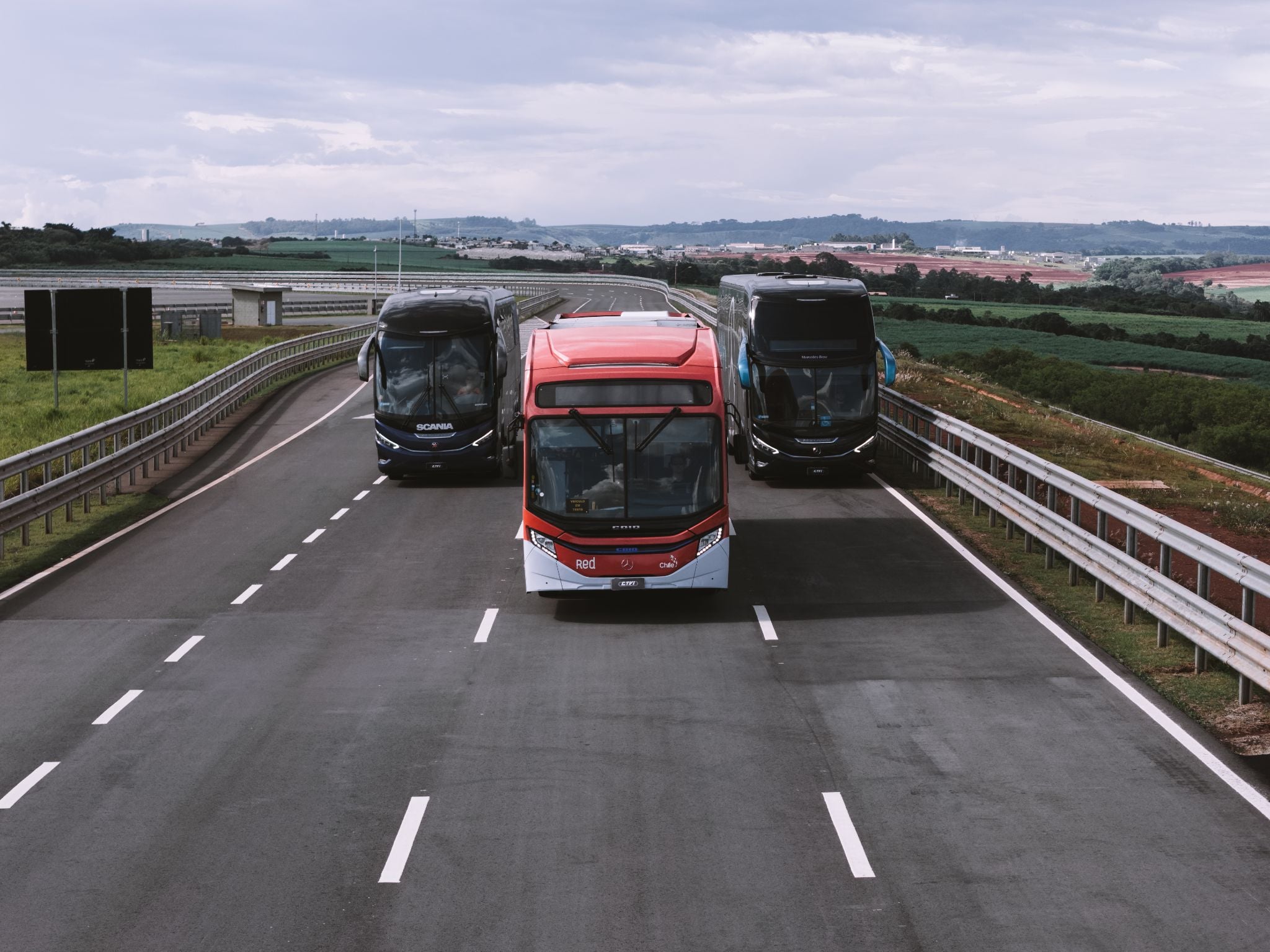
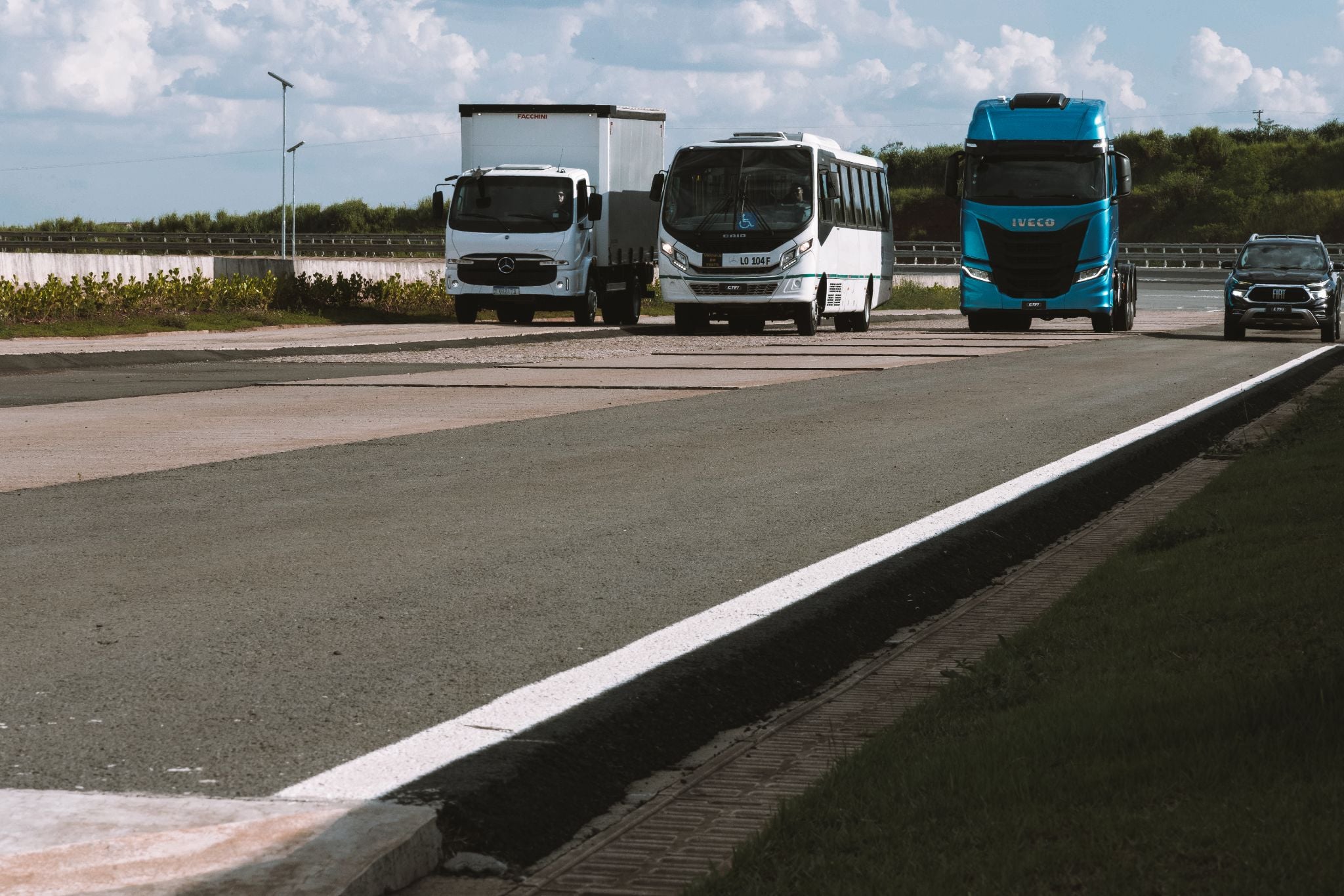
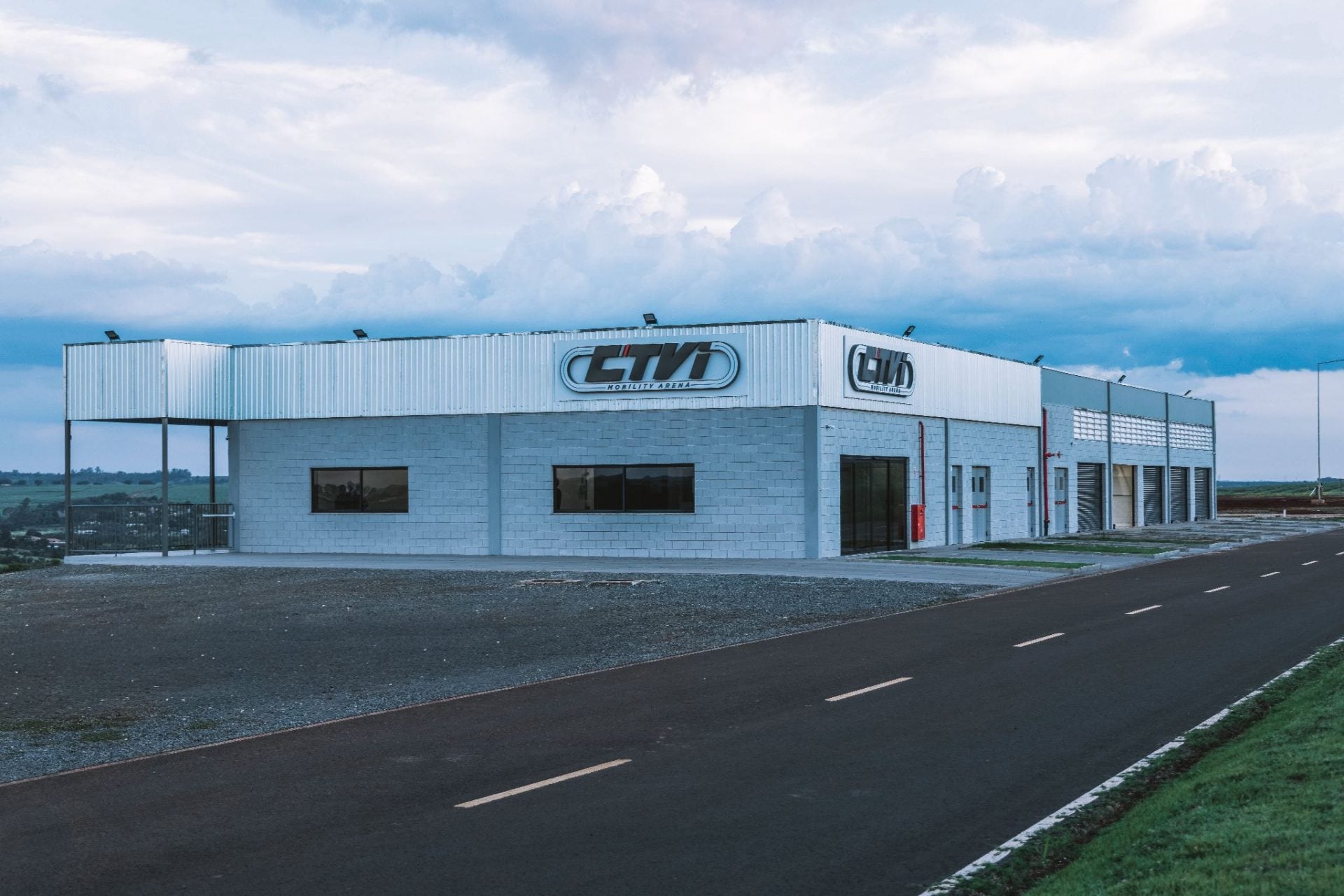
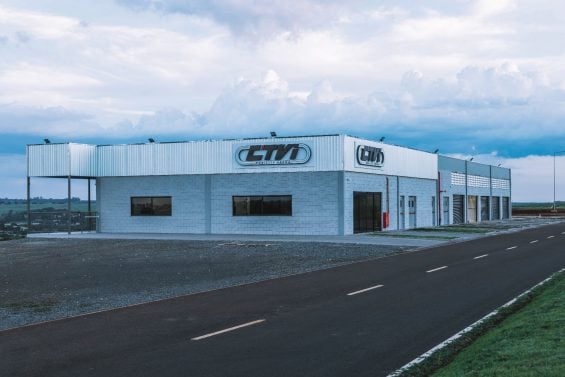
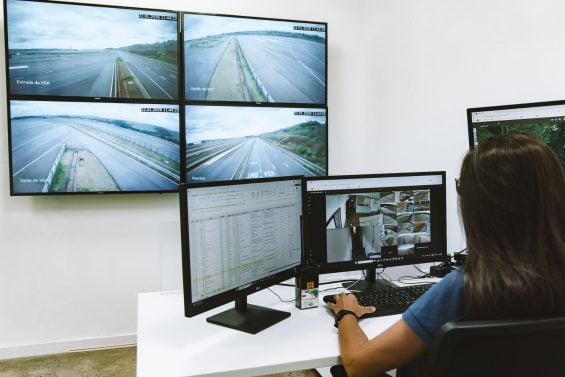
This Thursday (14), the Iracemápolis Vehicle Test Center (CTVI) inaugurated its new phase of operations with a complete infrastructure for vehicle tests. The space was created by the partnership between Mercedes-Benz do Brasil and Robert Bosch Latin America with an investment of around R$ 130 million.
Located near the Viracopos airport in Campinas (SP), the CTVI has been used since 2023, when the first works were completed. However, this year the space had its infrastructure completed and now inaugurates a new phase for the development and approval of vehicles, products and components of trucks, buses, automobiles, light commercial vehicles and agricultural machinery. The promise of the technical center is to integrate, in a single complex, all the essential stages of vehicle testing.
Unlike other testing facilities, CTVI is not focused on race tracks, but on simulating everyday situations and streamlining the vehicle homologation process. With the entire operation ready, the technical center can be considered one of the most technological in Latin America, with a structure similar to test tracks in Europe and the USA.
The total investment made by Mercedes and Bosch was 130 million reais.
Among the tests carried out in the space are:
Vehicle safety;
Electronic Stability Program (ESP);®
Automatic Emergency Braking;
Advanced Driver Assistance Systems (ADAS);
Performance;
Energy efficiency;
Autonomous and semi-autonomous driving.
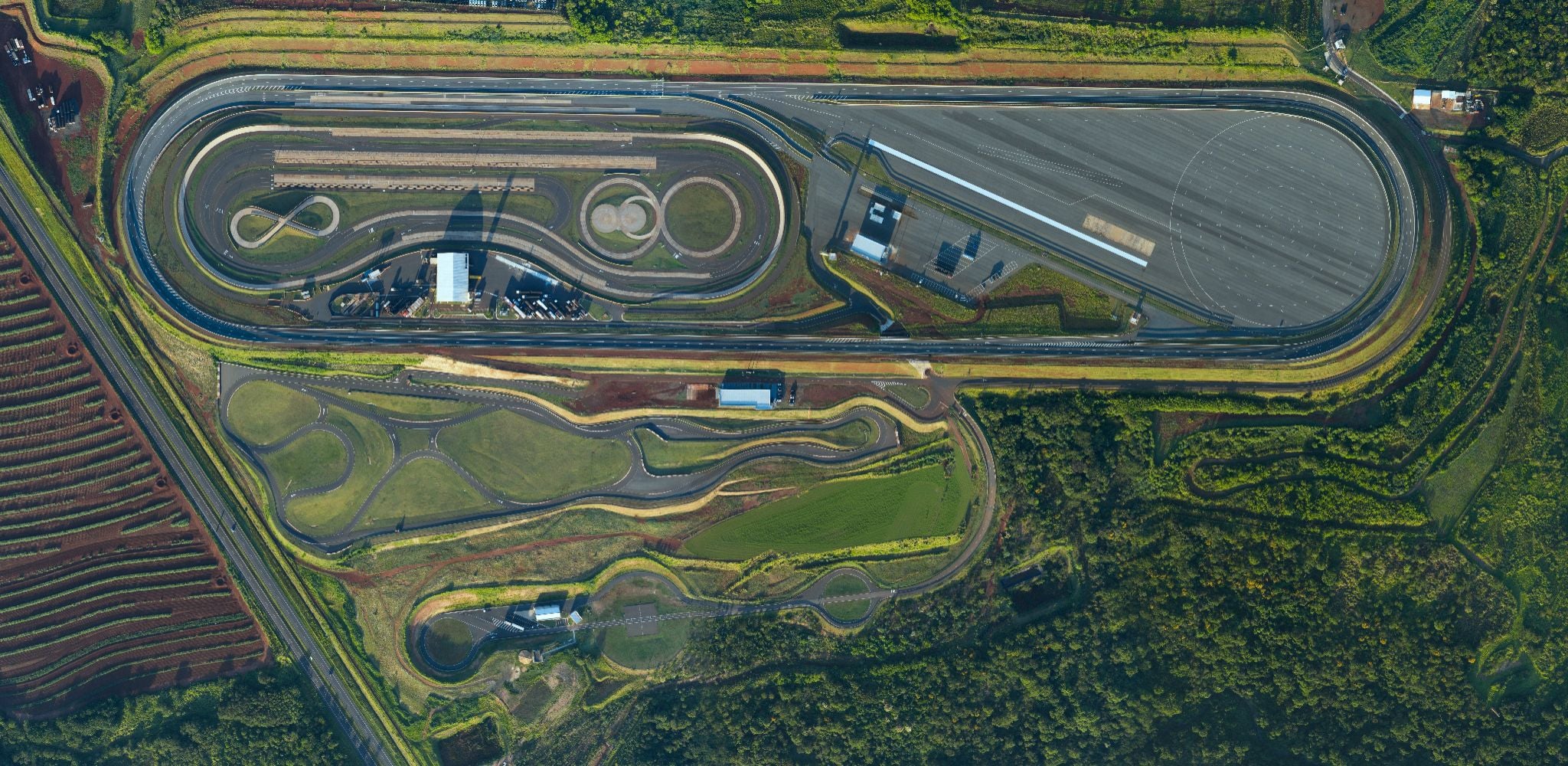
CTVI has 5 tracks for multiple advanced tests
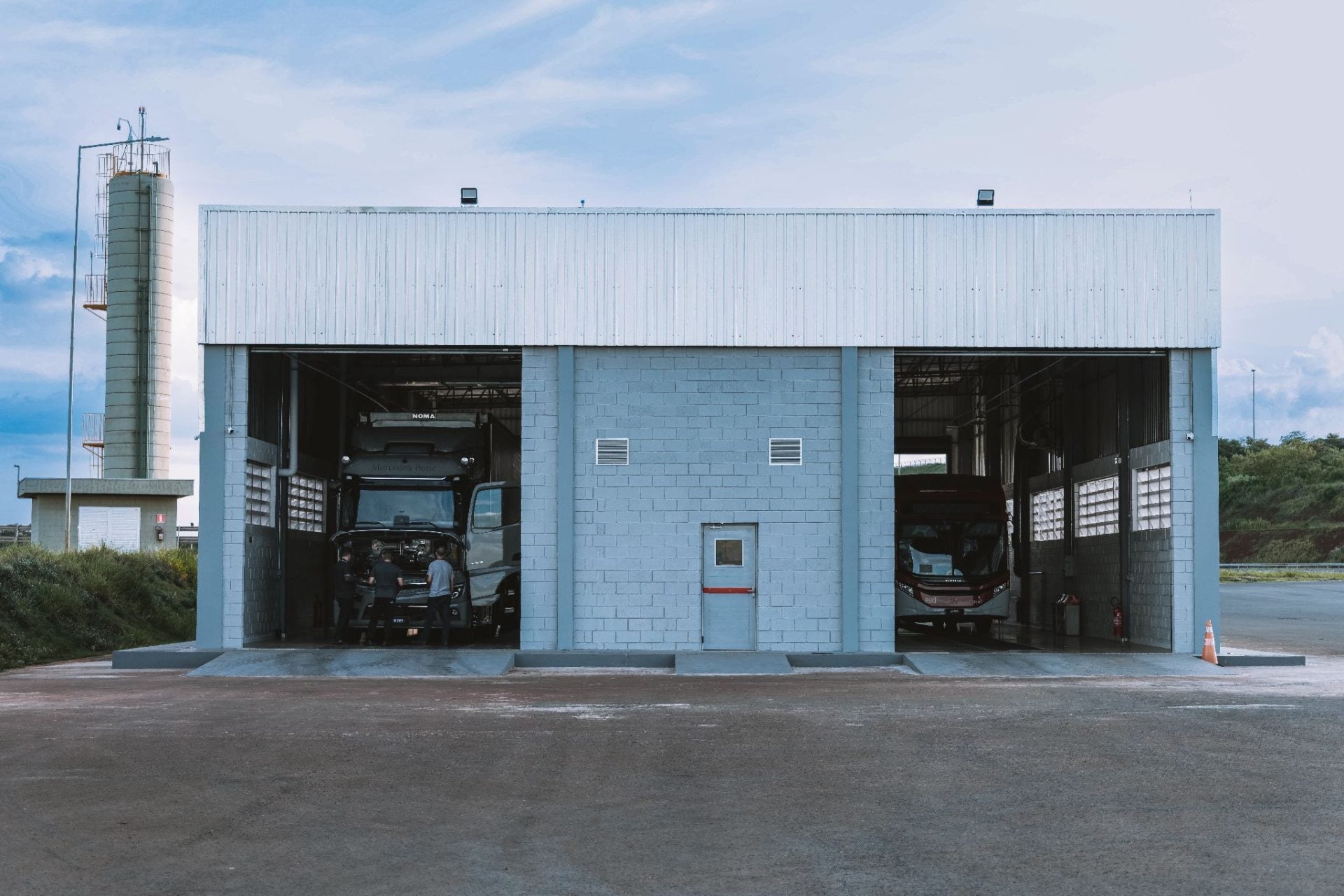
The technical center has five tracks, seven independent workshops and technical areas designed to meet the demands of the automotive industry.
High Speed Oval (HSO)
The circuit space consists of two parallel straights of 960 meters each and 2 compensated asphalt curves of 3 different angles. The complete oval lane totals 2.6 thousand meters in length, with 3 lanes.
Oval is widely used for Adaptive Cruise Control (ACC), blind spot sensor and lane centering system tests.
HSO allows several verifications such as:
High speed;
Fuel consumption;
Autonomy;
Cooling;
Noise;
Vehicle comfort;
Driveability;
Driver assistance functions.
Comfort Lanes (CML)
Adjacent to the HSO, the space encompasses 4 lanes with different floors and uneven surfaces for stability measurements, suspension and other items.
Space uses surfaces ranging from flat asphalt and cobblestones to patched and uneven floors.
Vehicle Dynamics Area (VDA)
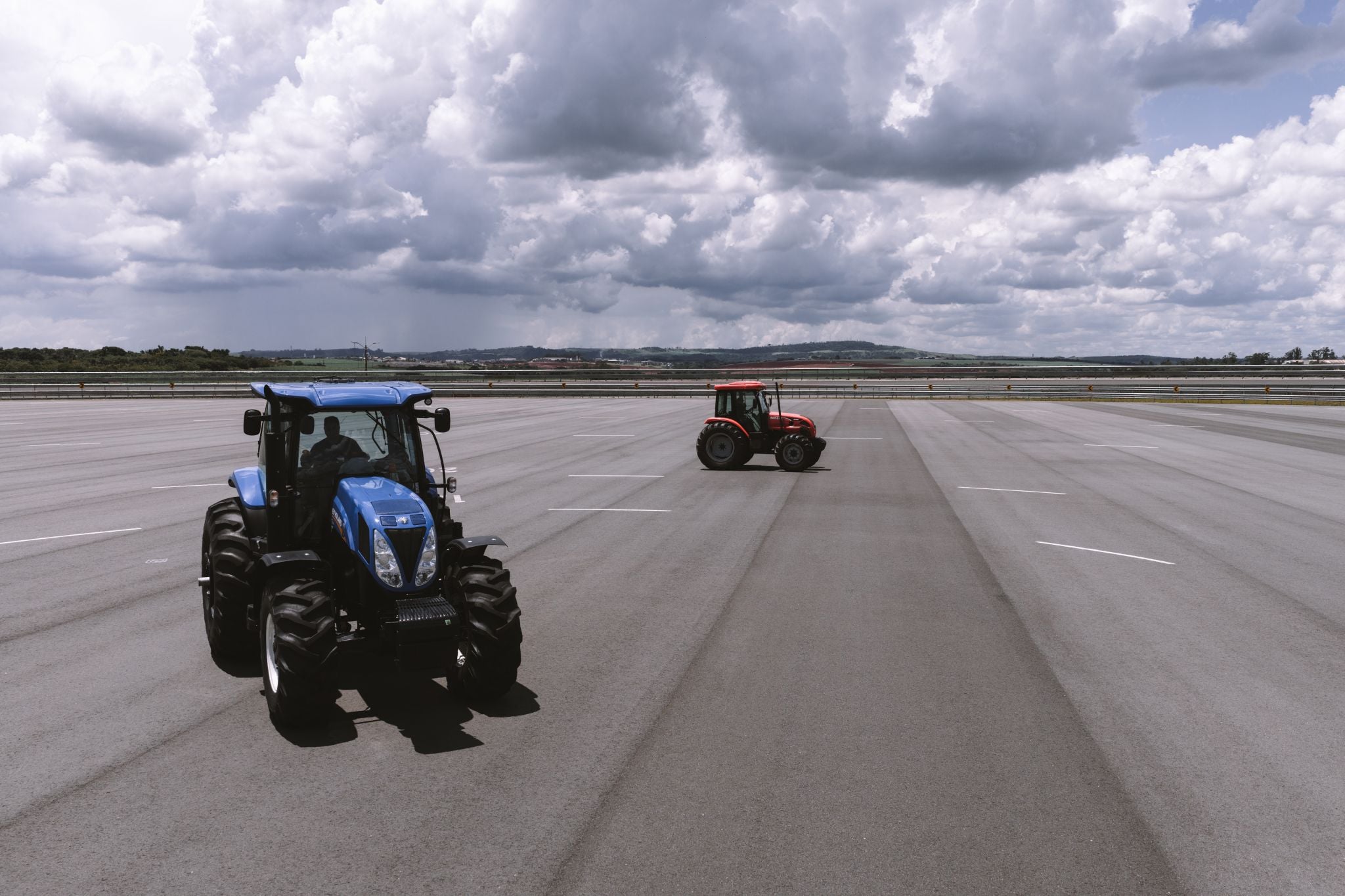
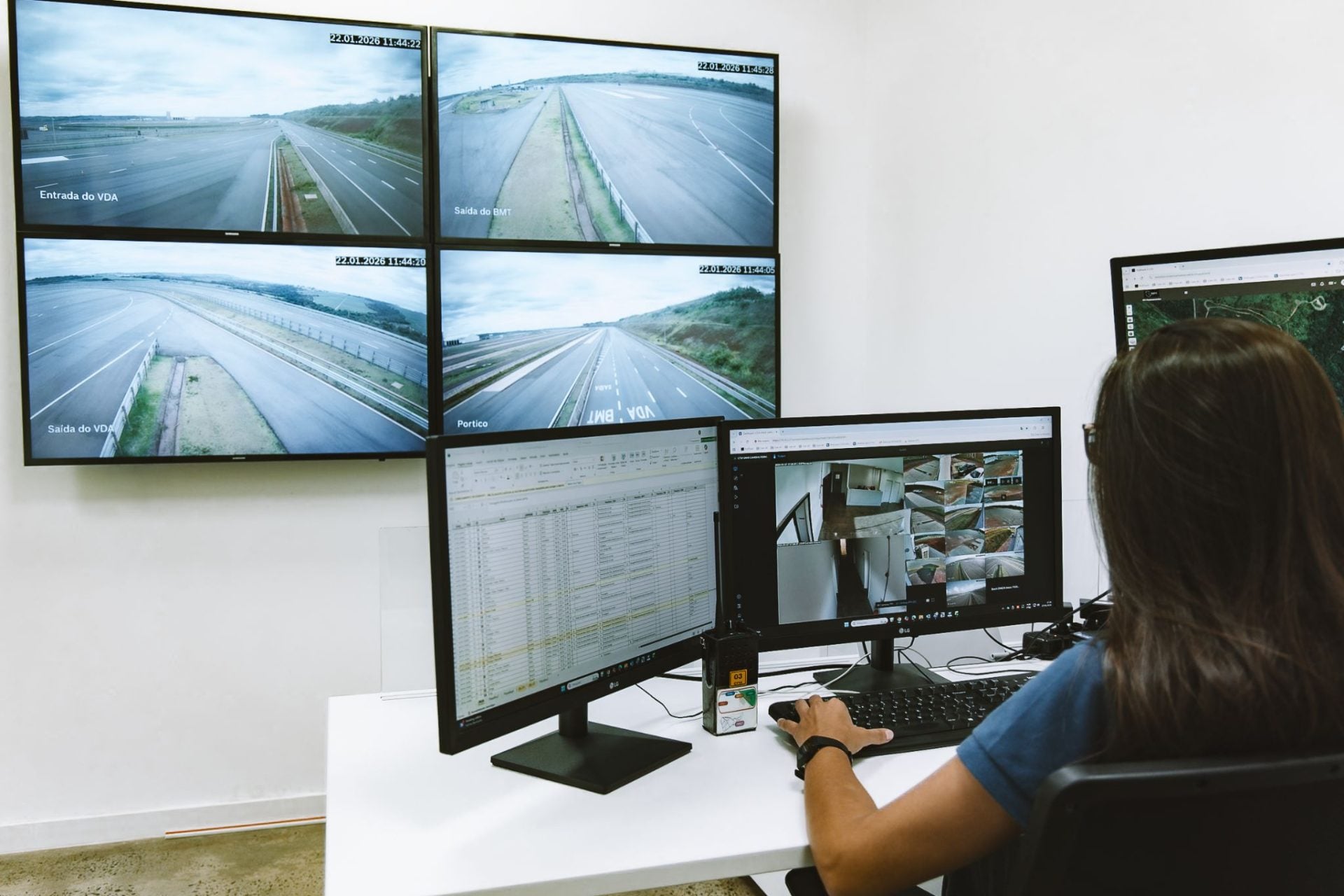
The CTVI also has a VDA of 88 thousand square meters of flat asphalt and 220 meters in diameter, one of the largest in Latin America. This track allows advanced maneuvers and tests of:
Driver Assistance Systems (ADAS);
Stability control (ESP);
Automatic emergency braking (AEB);
Development of hybrid, electric, autonomous and commercial vehicles.
Asphalt structure supports up to 16 tons per axle and is ideal for stability evaluations, directional control and evasive maneuvers.
Brake Measurement Track (BMT)
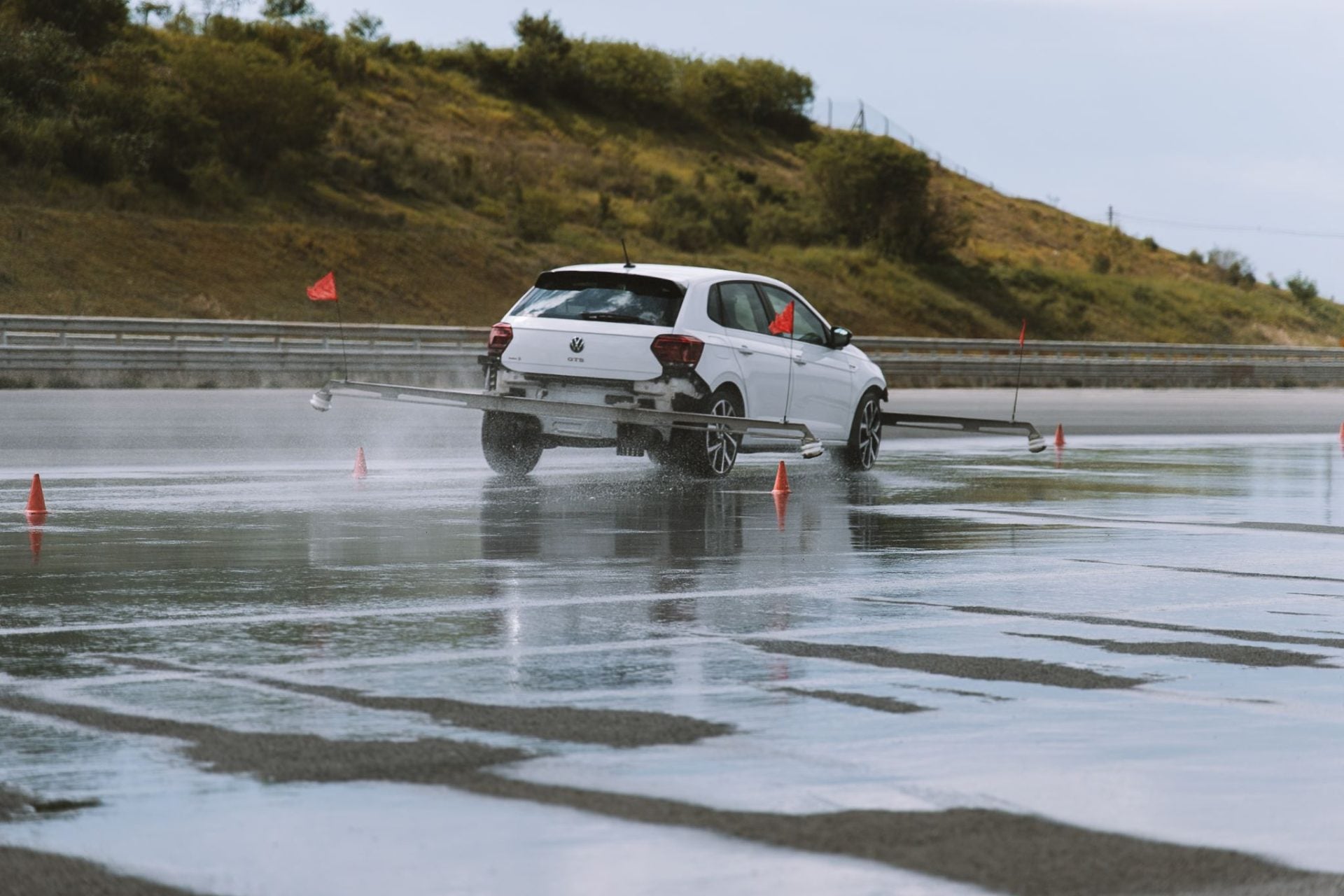
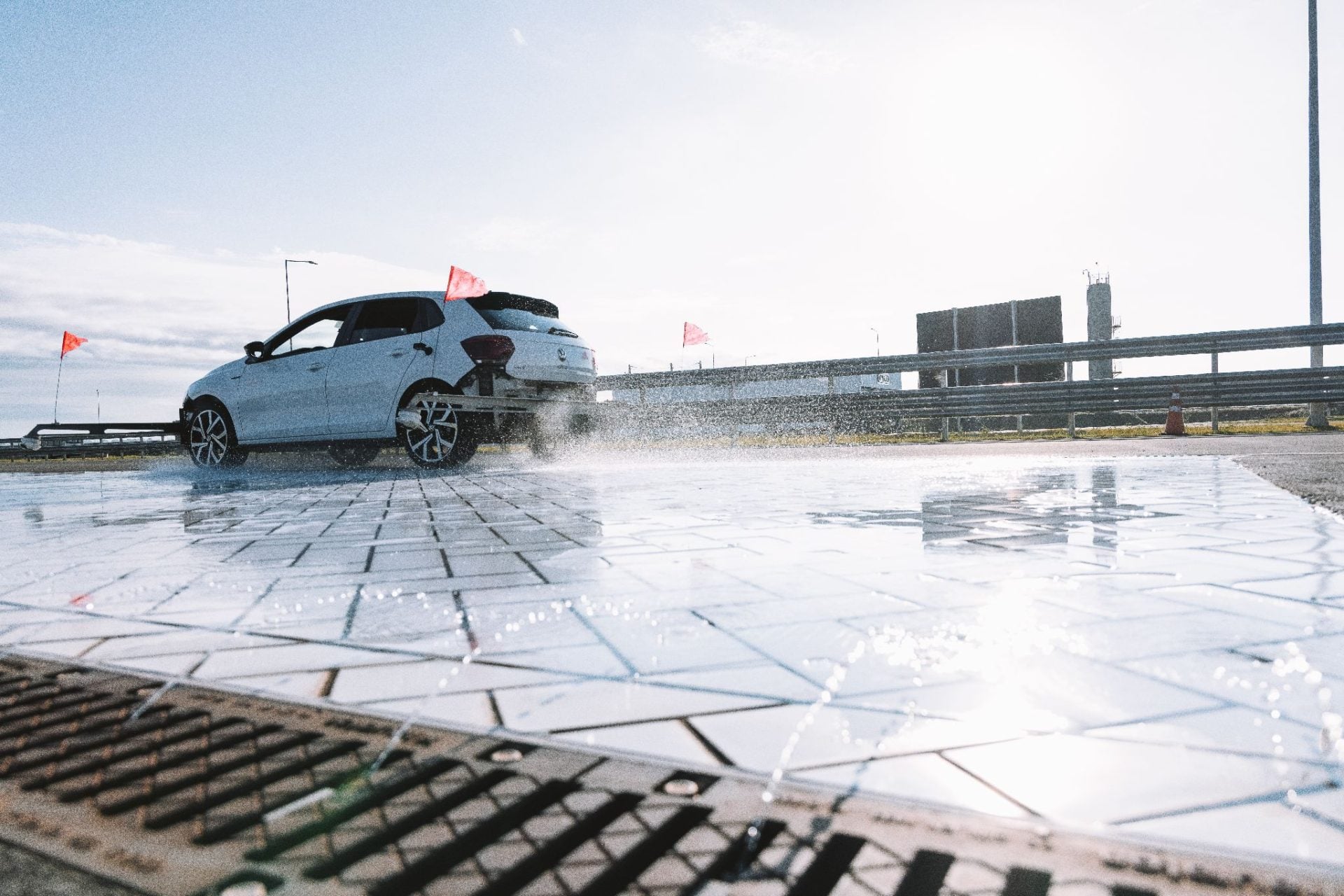
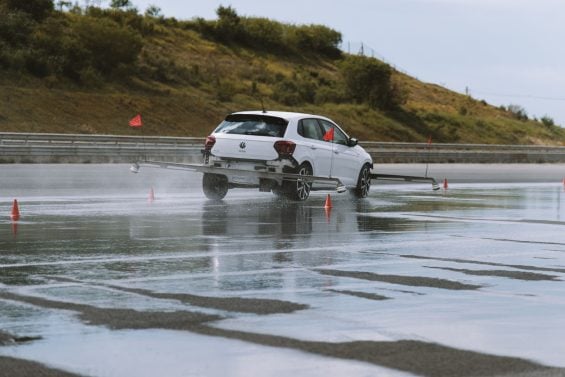
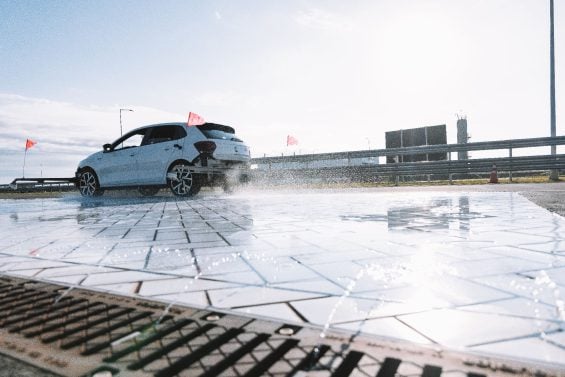
The space consists of 3 parallel and irrigable lanes that provide different adhesion coefficients. They can be used in improvement maneuvers for active safety systems, such as ABS and ESP.
Irrigated strip allows experimentation of different adhesion coefficients for ABS and ESP tests.CVTI irrigators are low-pressure and allow simulation of extreme low-tack conditions, such as polished ice.
Paved Handling Course (PHC)
With 1.6 km in length and varying levels of elevation, the circuit is composed of curves and sinuosities of different radii. It is available for drivability tests and tests of passenger and light commercial vehicles.
The circuit is composed of curves and sinuosities of different radii.
CTVI workshops are independent and private
Automakers and companies that rent the CTVI space will be able to use the new independent workshops that were designed with privacy and confidentiality in mind.
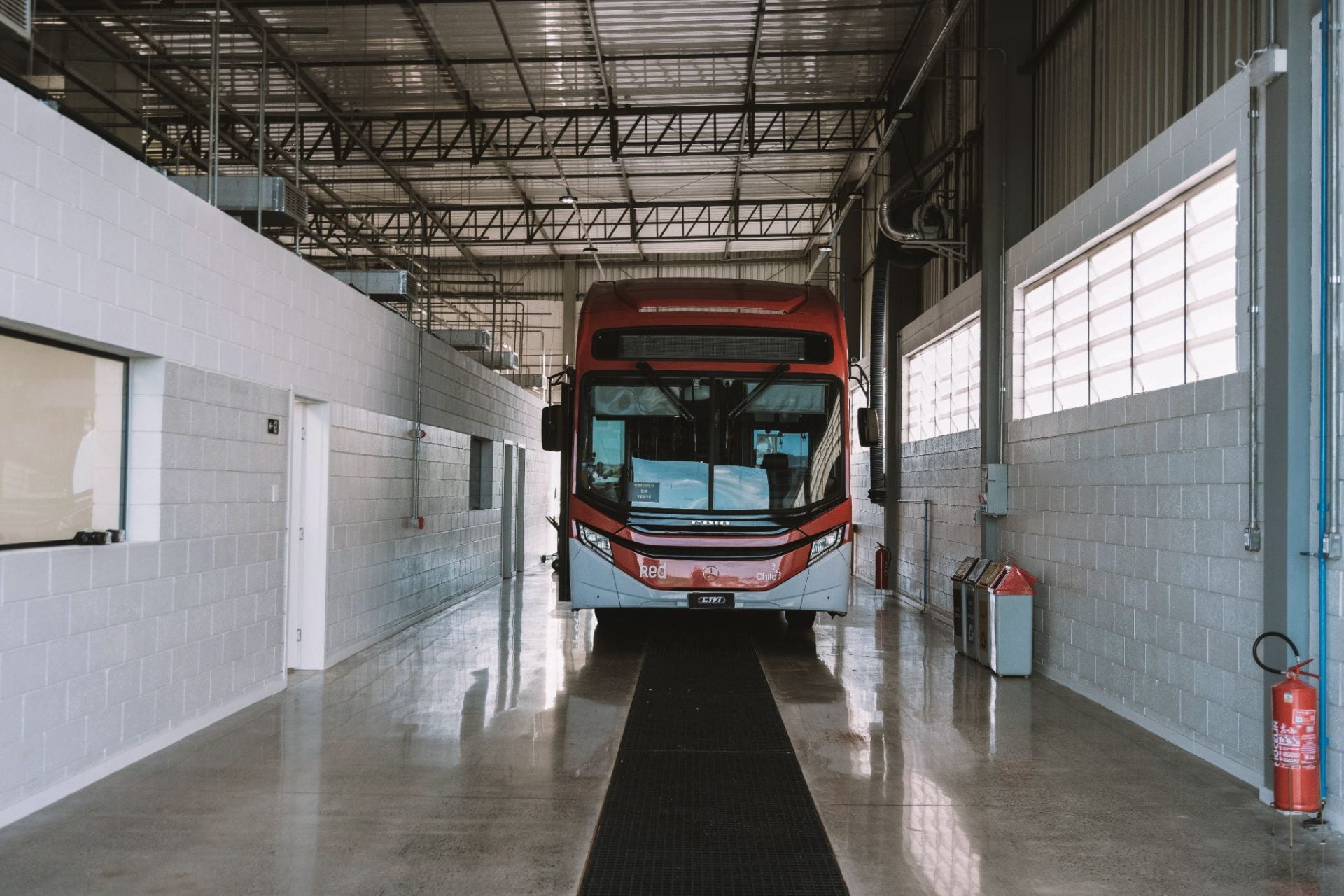
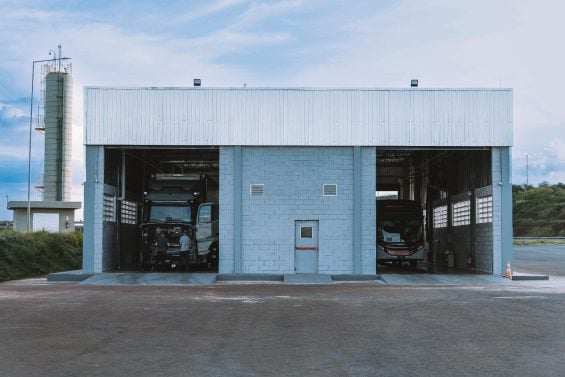
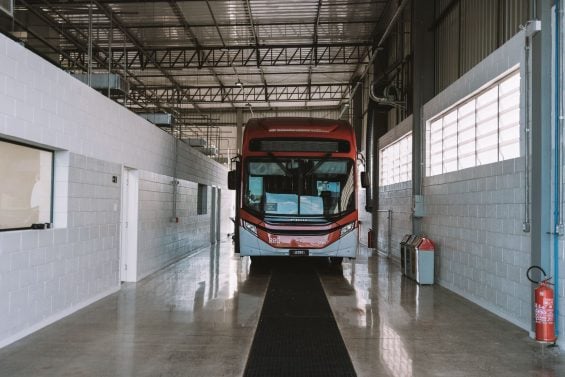
Two of them are intended for commercial vehicles, with boxes capable of receiving trucks of different sizes. This includes tractors with or without semi-trailers, as well as buses of various sizes, from minibuses to heavy road models and articulated urban buses.
The CTVI has two workshops focused on commercial vehicles and five aimed at passenger models.
The other five workshops serve passenger vehicles and are totally isolated from each other, to ensure confidentiality during tests and developments. All boxes have infrastructure that includes an office, meeting room, internet connection, air conditioning, pantry, toilet, TV set and individualized access control.
Comments are the sole responsibility of their authors and do not represent the opinion of this site. Comments containing profanity or offensive language will not be published. If you identify anything that violates the terms of use, please report it.