Volkswagen will have four exclusive models for Latin America by 2028
With 19% growth, the region was the only one in the world where VW had a double-digit increase in sales; Costa Rica is one of the markets with great potential
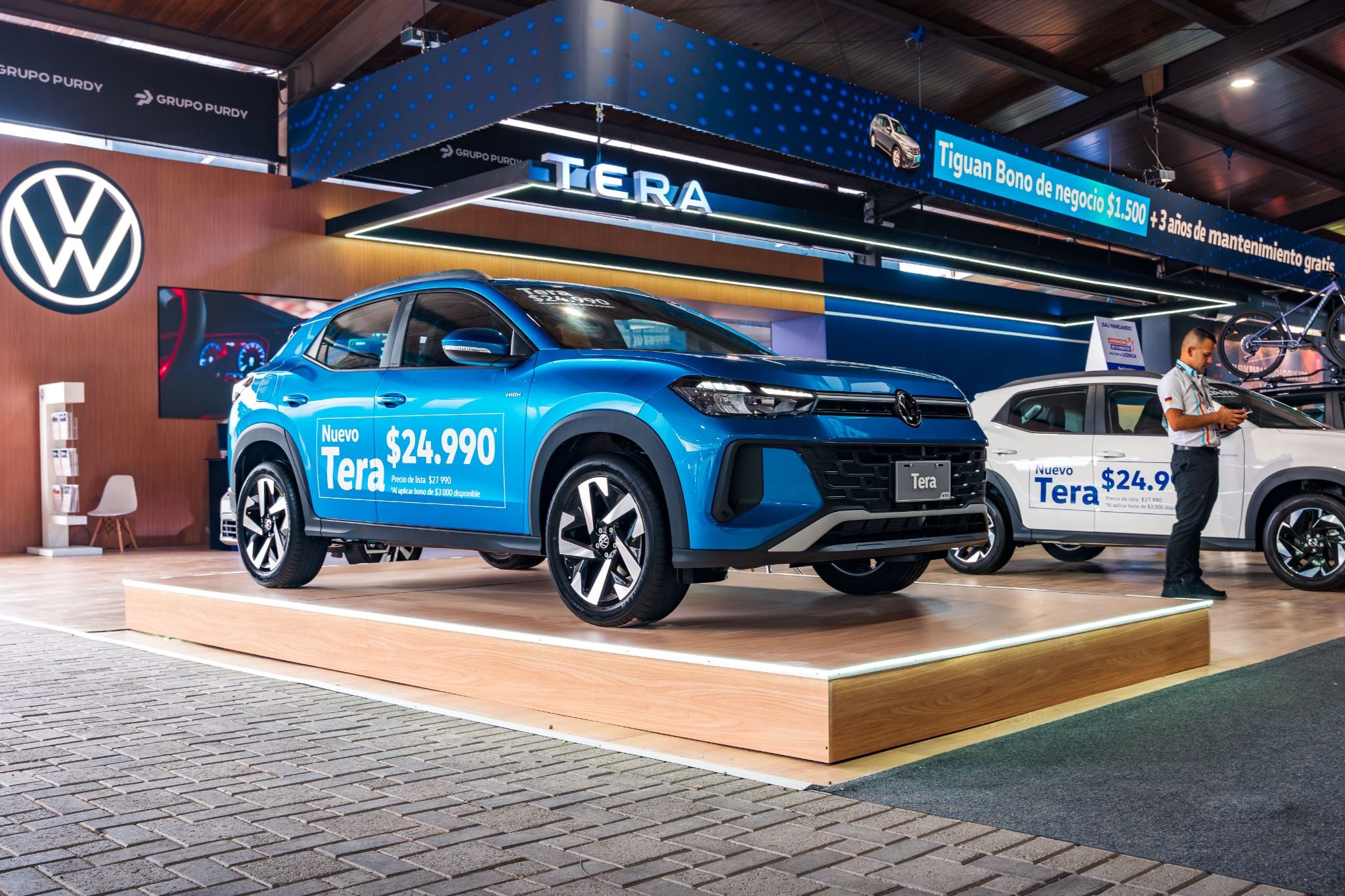
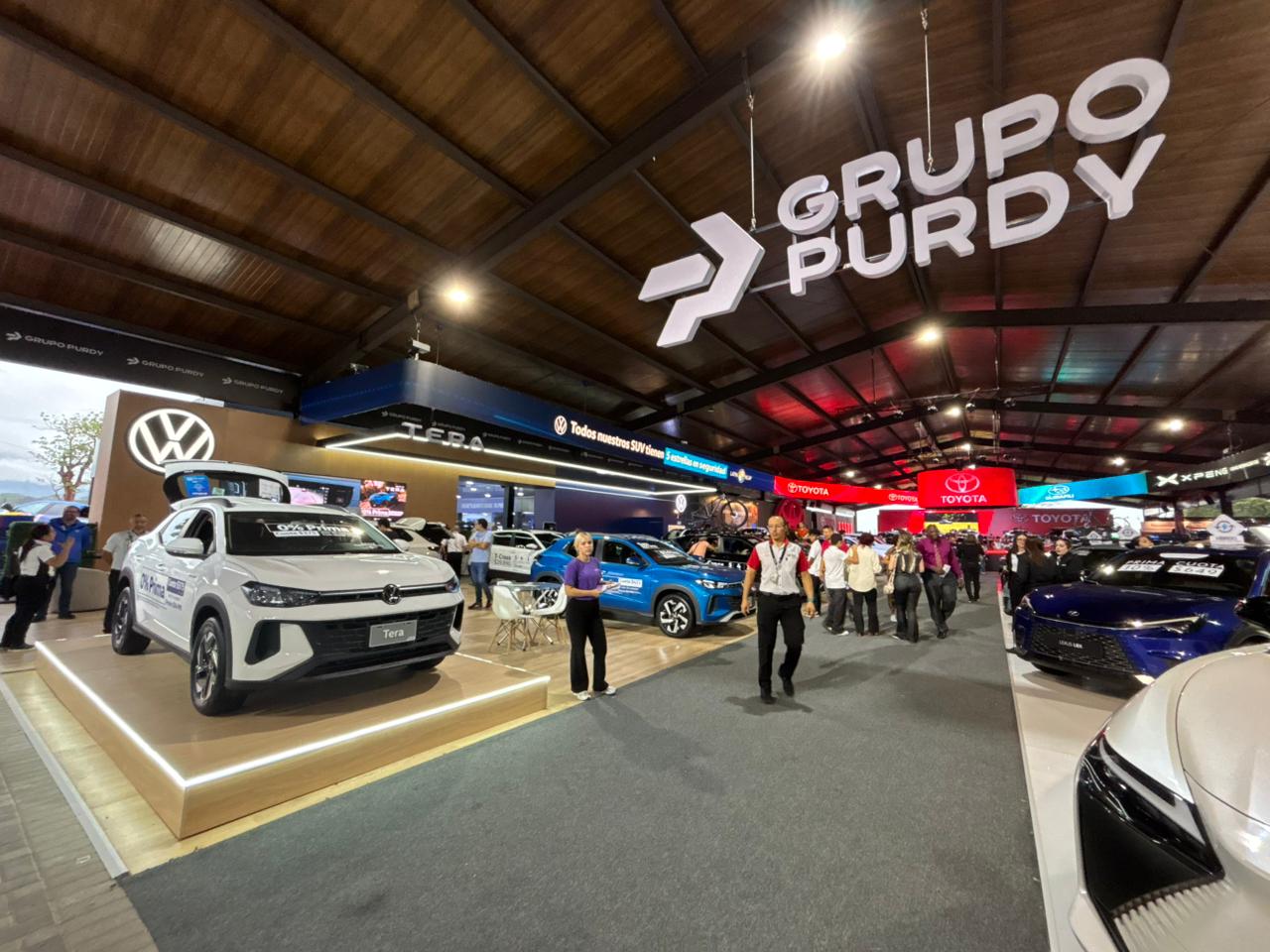
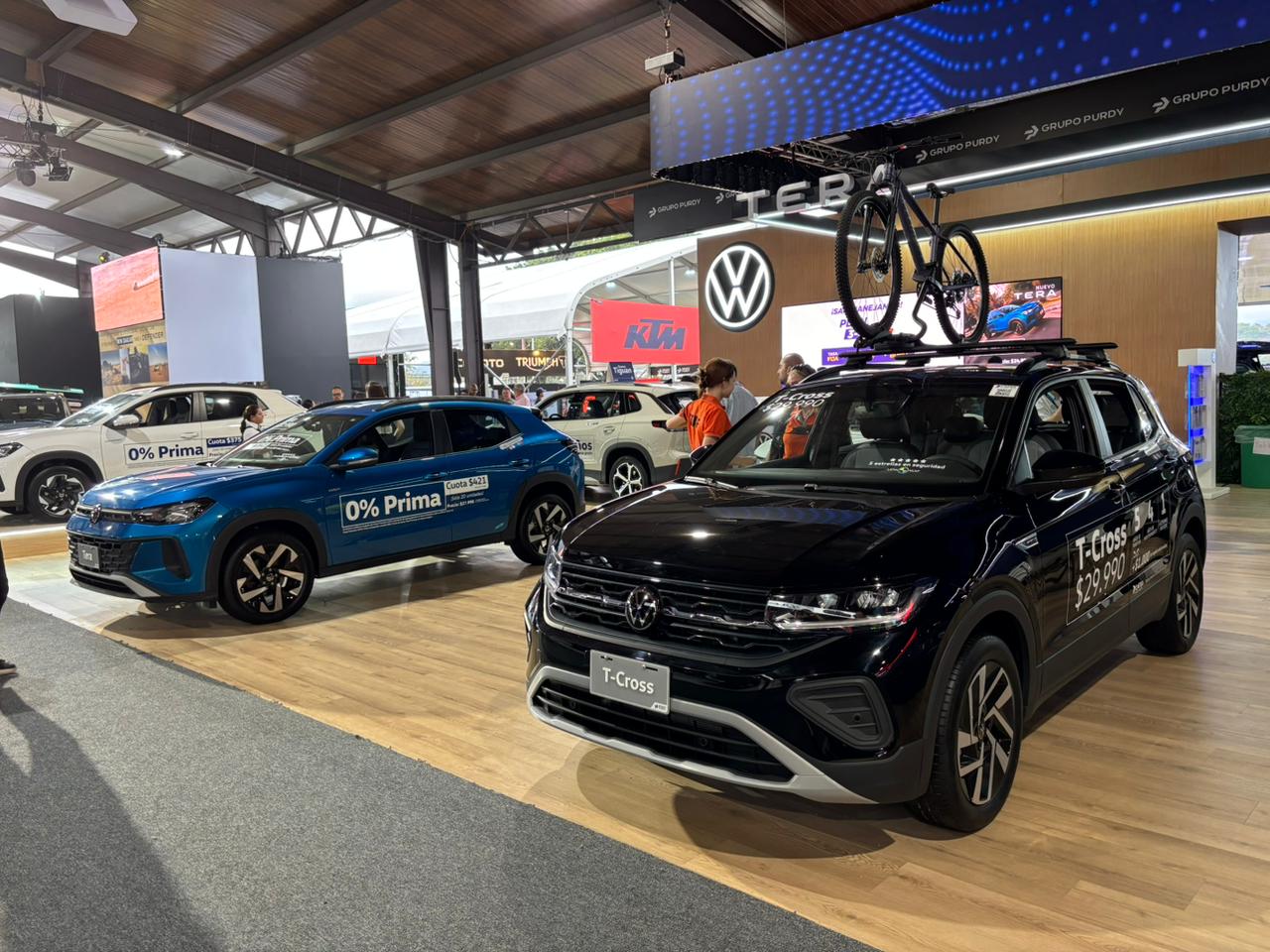
Volkswagen was featured at Expomovil 2026, the largest Motor Show in Central America (Photo: VW Costa Rica | Reproduction)
By
Julia Vargas Published on 2026-04-29 at 11:19 AM
Updated on 2026-04-29 at 11:39 AM
The automotive market in Costa Rican and other Latin American countries, despite selling just over 64,000 vehicles per year, has great growth potential, which is being explored by Volkswagen. In 2025, the brand increased the number of sales in the region by 19%, excluding Brazil and Argentina, being the only one in the world where the automaker achieved double-digit growth.
The potential of the region is such that by 2028 the brand will launch four exclusive models for Latin America, which should not come to Brazil. The automaker was also featured at Expomovil 2026, Costa Rica’s major car fair and the largest Central American Auto Show
Volkswagen’s focus in these countries is on meeting the great demand for pickup trucks, SUVs and electrified models. This logic also applies to Brazil, which is responsible for the production of a good part of the VW line on the continent and which , from 2026, will produce at least one electrified version of each model.
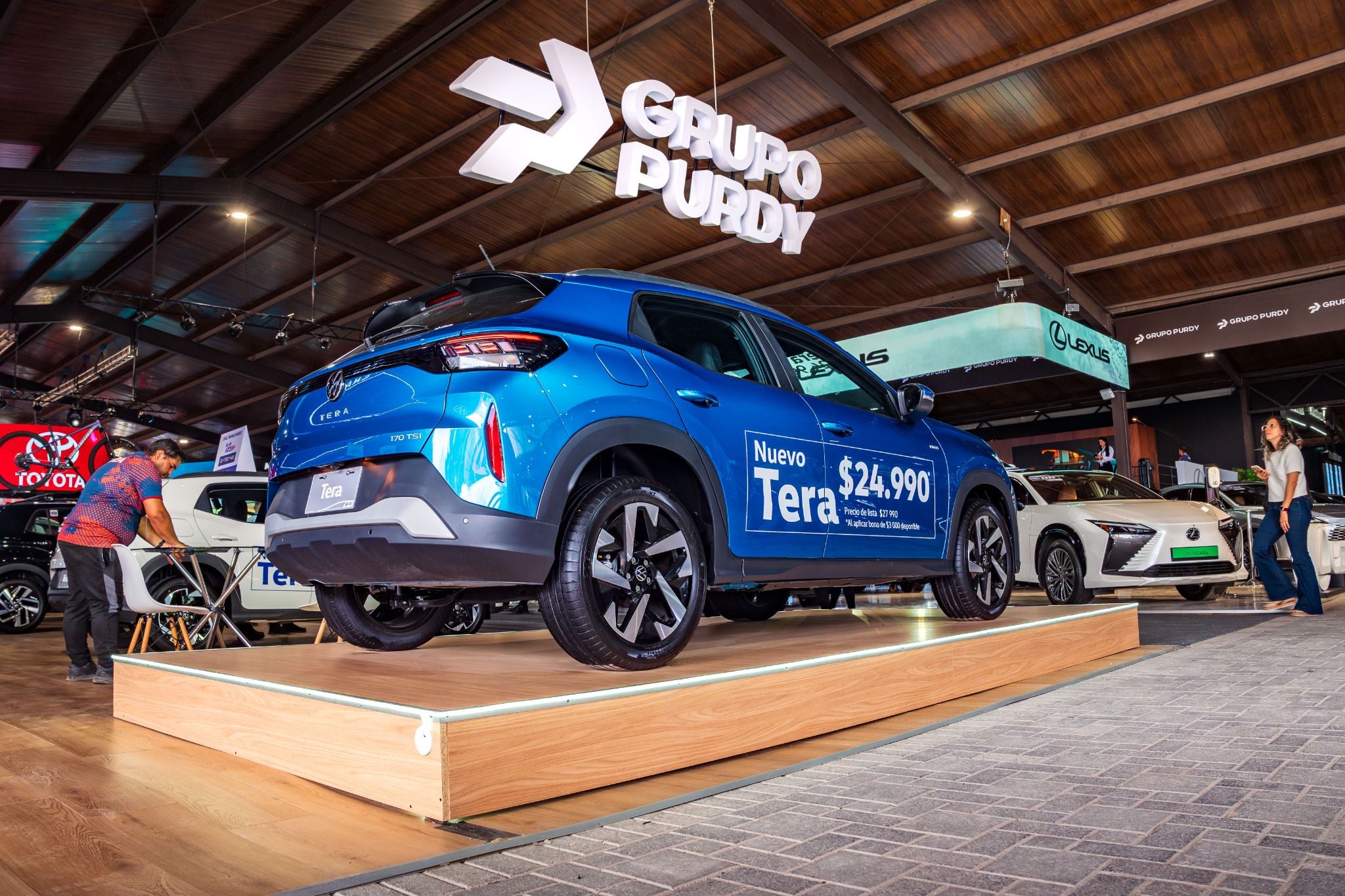
Volkswagen booth at Expomovil 2026. Brand works with the Purdy Group in Costa Rica. (Photo: Julia Vargas | AutoPapo)
Costa Rica and other Latin countries have also experienced the boom of Chinese brands
In the last three years, Brazil has been going through a period marked by the arrival and consolidation of several Chinese brands with technological innovations and very competitive prices. Names like BYD, GWM, Omoda Jaecoo, Geely, Leapmotor, among others, are conquering the national market and giving a lot of headaches to the ‘traditional brands’, which have difficulty competing with the sales values of the Chinese.
It turns out that Brazil is ‘behind’ in this process, since many countries in Latin America have already gone through this phase a few years ago and can, to a certain extent, serve as an example for the Brazilian market. Costa Rica, for example, is a strategic point in Central America and has an impressive number of 115 registered brands, including Volkswagen, Toyota, Ford, Lexus, Mercedes, Kia, Nissan, among other ‘conventional’ and several Chinese, which go far beyond those present in Brazil.
But, then, how do traditional automakers survive? According to Ernesto Rodríguez, Brand Manager at Volkswagen Costa Rica, the main strategy of VW, which operates in the country in partnership with the Purdy Group, is not focused on price competition, but on product quality and brand identification.
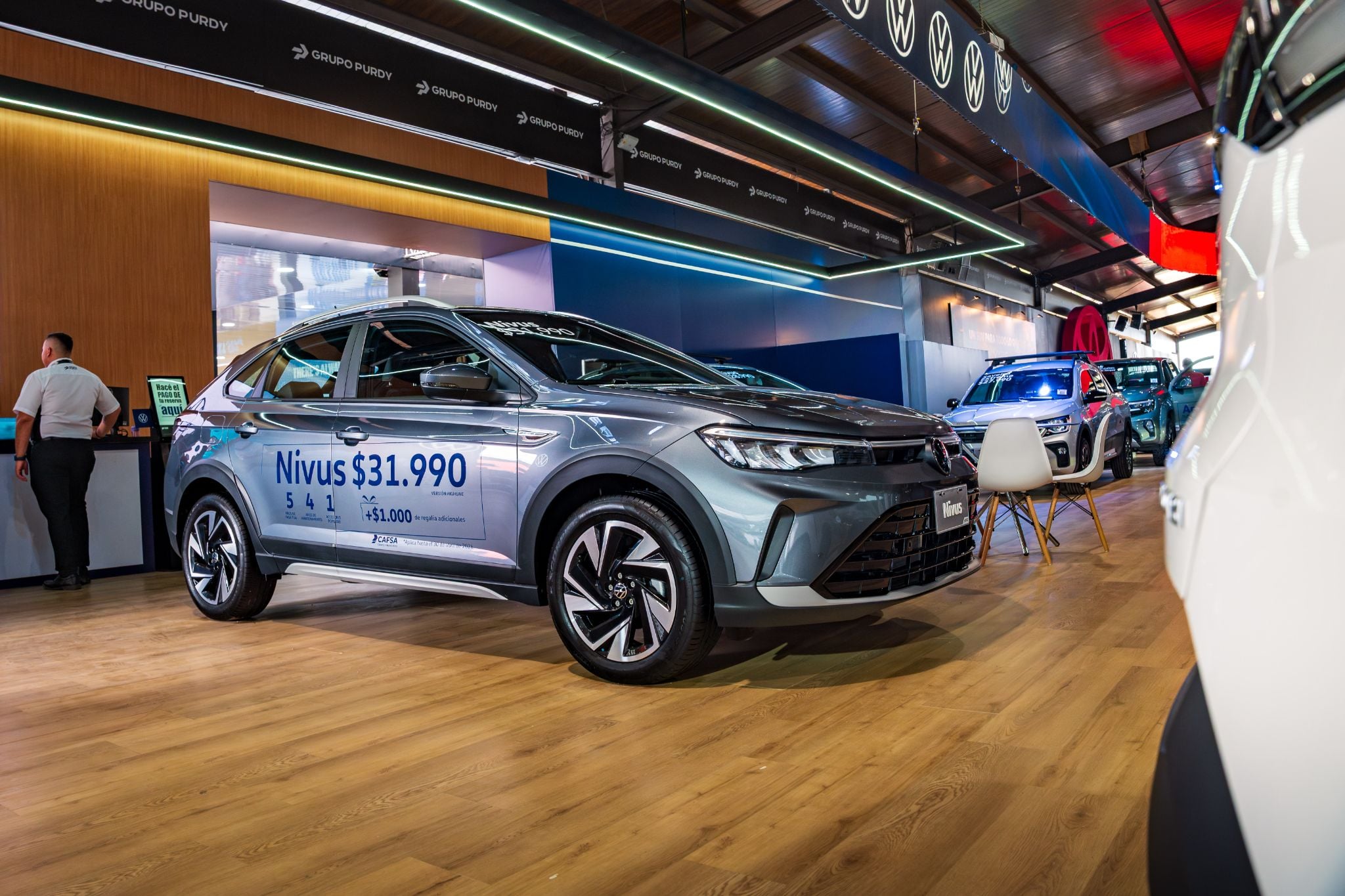
Of the eight VW models sold in Costa Rica, four are manufactured in Brazil, they are: Nivus, Tera, T-Cross and Saveiro. (Photo: VW Costa Rica | Reproduction)
Although the models available in Costa Rica are produced in Brazil, Mexico or Argentina, the reliability that the brand brings with the ‘German DNA’ is a differential. In addition, the Costa Rican manager points out that the driving experience, the history of the brand and its iconic vehicles, which arrived in Costa Rica in the 1950s, and the maximum safety scores in Latin NCAP are factors that directly contribute to Volkswagen’s sales growth.
Latin America, including Brazil, cries out for pickup trucks, SUVs and electrified vehicles
Thus, as in Brazilian lands, SUVs and pickup trucks are the hyperfocus of the market in several Latin countries. In many of them, such as Costa Rica, there is a great demand for cars that can circulate on uneven terrain, in addition to an influence of the American taste for larger and robust vehicles.
According to Paulo Lachowitz, Volkswagen’s Sales Supervisor for Latin America:
Latin America has a very strong demand for work vehicles, whether in agribusiness, mining, or for small businesses. And each country has a different profile, so pickup trucks are essential. We are bringing important news in this segment. We will have models with large load capacity, focus on work, and also a new generation of pickup trucks that are much more technological and with impressive performance. And this segment is essential for the growth of the brand in the region.”
The VW representative also points to the investment in electrification as an object of desire for customers and an important part of the brand’s plans. According to the sales supervisor, the brand has many novelties, especially when it comes to electrification.
Without going into too much detail, he said that from 2026, every car produced in Brazil will have at least one electrified version. Lachowitz also revealed that the brand will launch four exclusive models for Latin America, which will not come to Brazil.
All new products developed in South America will already have some level of electrification, whether they are mild hybrids, hybrids or plug-in hybrids. We are advancing this to compete with brands that already have a strong presence in this type of technology. And Costa Rica is a key market in this movement. All upcoming releases will also arrive here.”
Half of the VW line sold in Costa Rica is Brazilian
Even with the market fierce due to Toyota’s isolated leadership and the huge supply of Chinese models, VW achieved a significant increase in sales in 2025 and, according to Ernesto Rodríguez, the goal is to grow 30% in 2026.
Its line in Costa Rica is made up of eight models, all imported:
Tera (Brazil);
T-Cross (Brazil);
Nivus (Brazil);
Saveiro (Brazil);
Taos (Mexico);
Tiguan (Mexico);
Jetta (Mexico);
Amarok (Argentina).
Immediately, it is already possible to find two main differences compared to the Brazilian line, which are present in almost all models:
All vehicles are powered by gasoline only;
The vehicles are only available with automatic transmission, with the exception of Saveiro, which has a manual version.
With less than a year of launch, Tera stands out at Expomovil with a special condition of 20 units with zero entry. (Photo: VW Costa Rica | Reproduction)
Other than that, the divergences are more punctual. The Volkswagen model that is most successful in Costa Rica is the T-Cross, which is only available in the Comfortine version with a 1.0 TSI engine and 116 hp. It is followed by Tera, which, despite being launched less than a year ago, already stands out in sales and was the protagonist of Volkswagen’s stand at Expomovil 2026.
The model has already reached 100 thousand units produced and surpassed the Polo, becoming VW Brazil’s most exported car. The entry-level SUV is only available in the Comfort and High versions with a 1.0 TSI engine of 101 hp and the same equipment offered in Brazil, the main difference is that it is not a connected car, as it does not have the Otto assistant.
Other models have some changes in relation to vehicles sold in Brazil. The Tiguan, for example, in addition to the R-Line, has an entry-level version called Life with 19″ wheels and a slightly different equipment list. Another point of divergence is that the two versions have a 1.4-liter naturally aspirated engine and DSG dual-clutch transmission. The Taos , on the other hand, is only available in the Highline version, with the same equipment, but has larger 18″ wheels and the option of an interior finish in white and black two-tone leather.
VW’s Costa Rican line is not flex and only has versions with manual transmission, with the exception of Saveiro. (Photo: Julia Vargas | AutoPapo)
Soon, the new generation of the Amarok V6 and the Tukan pickup will also be sold, which will be hybrid and produced in Brazil, in São José dos Pinhais (PR), starting in 2027. In addition, another novelty is that the company will promote an unprecedented sales event in Costa Rica, similar to the Volks Festival that takes place in Brazil.
‘Open Doors’ will be designed with the Purdy Group especially for the Costa Rican public to nurture identification and emotional connection with the automaker. “We are going to expand this type of experience throughout Latin America. The customer becomes part of the launch, participates in a special moment and this brings him much closer to the brand. It’s about experience,” added the supervisor.
Comments are the sole responsibility of their authors and do not represent the opinion of this site. Comments containing profanity or offensive language will not be published. If you identify anything that violates the terms of use, please report it.