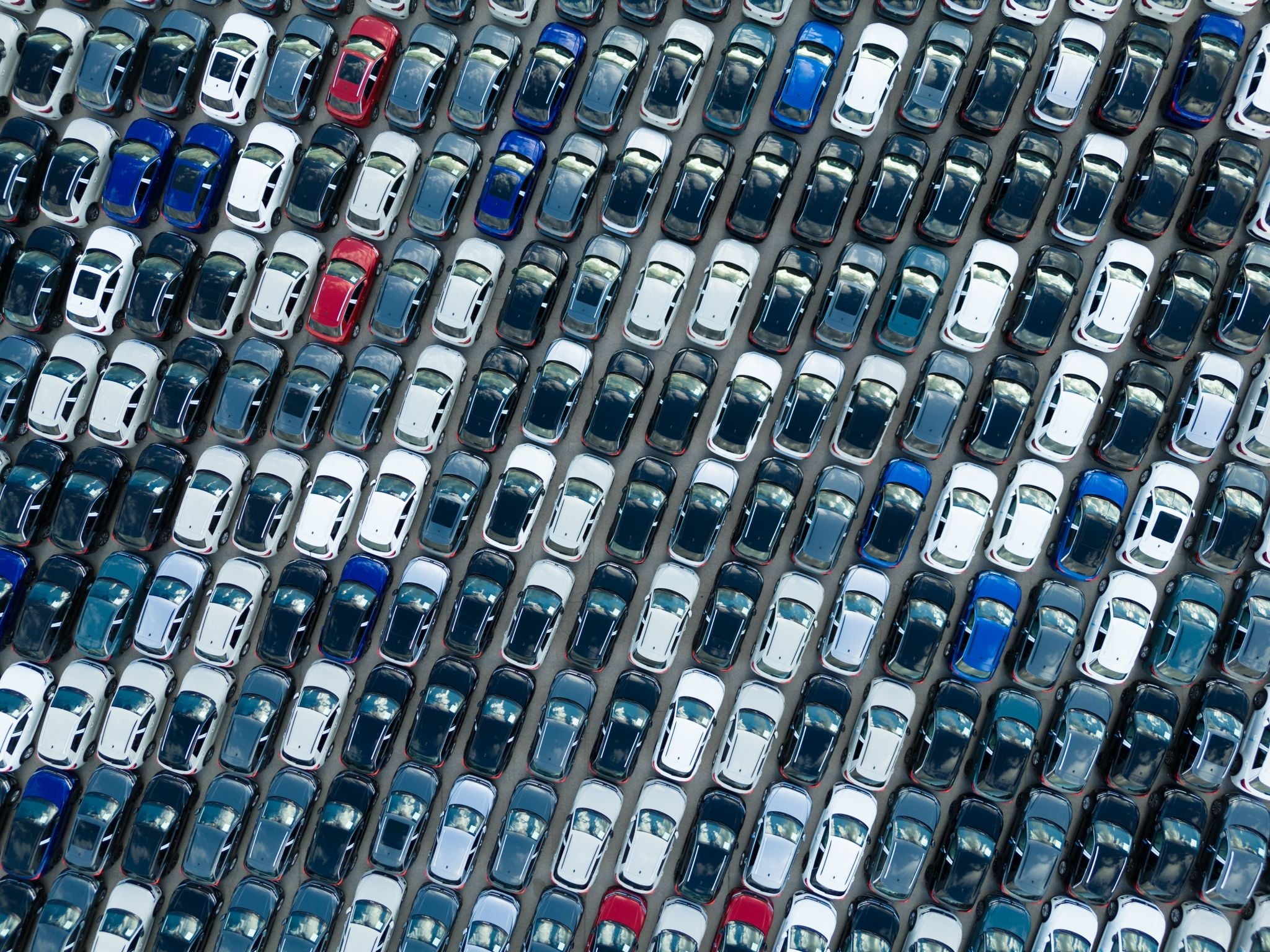
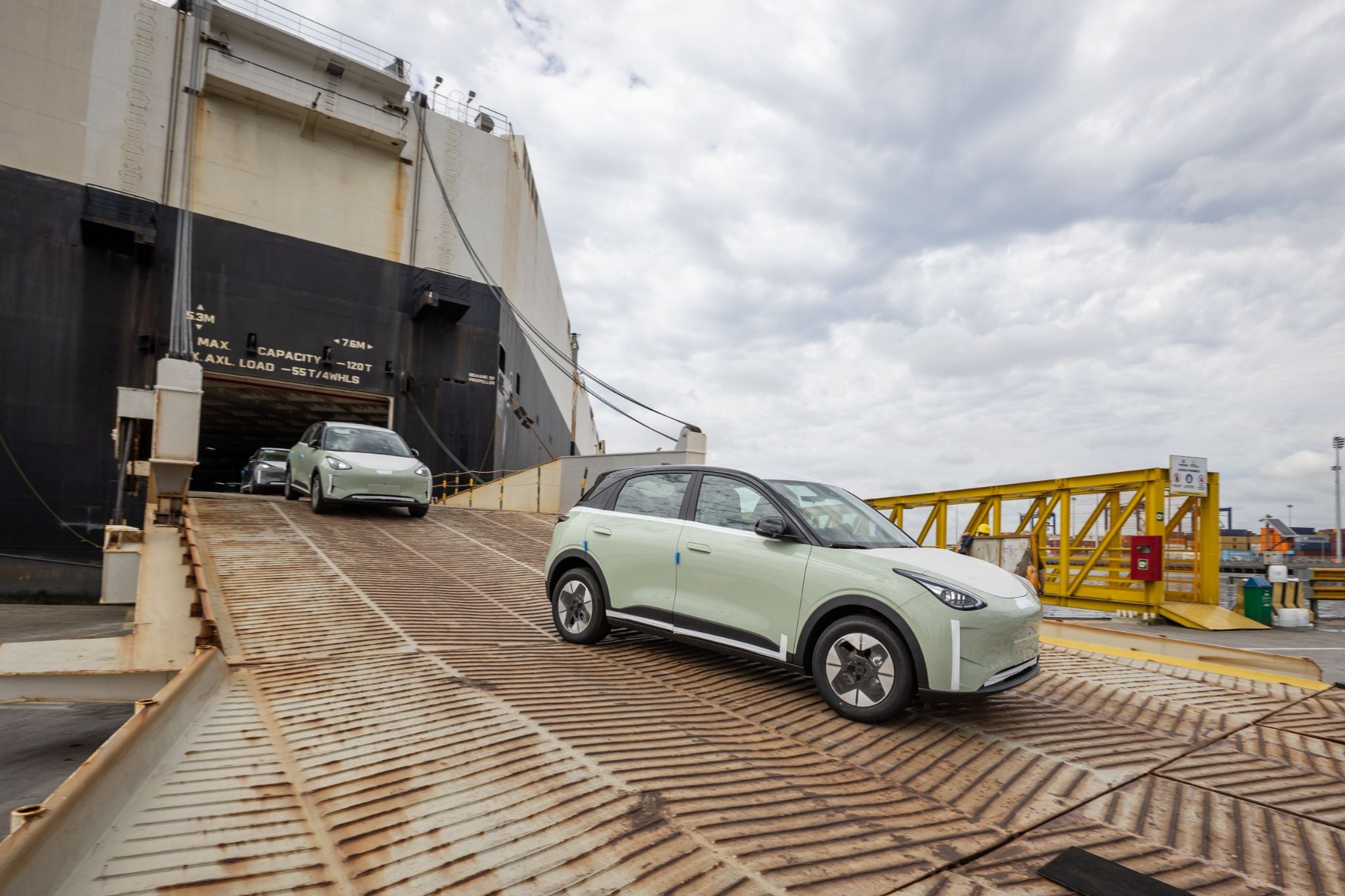
In the first seven months of the year, 344.1 thousand light and heavy vehicles were imported, a result 25.7% higher than the same period last year. Those that came from China (basically cars and SUVs) more than doubled (105.4%). Argentina, a traditional exporter to Brazil within the scenario of complementing the production of models between the two countries, fell 16.7%. In absolute numbers, from January to July, there were 180.5 thousand Chinese products and 101.1 thousand Argentine products. Brazilian exports, on the other hand, continued to fall: 20.8% in the same period.
Inventory of imported vehicles remains very high and out of historical patterns: 360,000 units corresponding to 142 days (almost five months) of sales, against 21 days of national models, according to Anfavea. Most of the vehicles stocked come from BYD, which has taken advantage of Federal Government incentives for mass imports of electric and hybrid vehicles since 2022 and has been paying for added costs. The Chinese brand maintains highly competitive prices and is not even intimidated by a very high basic interest rate, which affects financing.
BYD argues that tax incentives should end in January next year, as already established, without benefiting other entrants (from China or not), who arrived “late”. The company is correct in this case and maintains its forecast of being the first in the Brazilian market in 2030 (today it is the fourth). The Chery Group and its various brands combined — Omoda, Jaecoo, Icaur, Lepas, Exeed, Luxeed, Freelander and Jetour — aim to lead in 2031, when according to their projections Brazil could absorb up to five million vehicles per year, 70% more than today.
Optimism about sales of light and heavy vehicles in 2026, regardless of the election period from now to October, continues to be maintained by Anfavea: 12.1% more than 2025. This percentage is above the 8% predicted by Fenabrave. In relation to production, the mainstay for jobs, Brazil was the second country that grew the most from January to July this year: 8.8%, behind only India, 14.5%. In the first seven months of 2026, even China, the world’s largest market, decreased its production by 4% and the US, by 11.7%.
Electric vehicles advance, but still with “calm” sales
Cold statistics often demonstrate what you want to emphasize and can highlight aspects that are both pessimistic and optimistic or even the middle ground. The word “electrified”, for example, does not make it clear that it is the sum of electric to the three types of hybrids: basic or semi-hybrid, full and plug-in. It is also necessary to take into account that very low comparative bases usually hide distortions.
Geely EX2 is one of the electric models that have fallen in love with Brazilians (Photo: Geely | Disclosure)
Anfavea says: “A year ago, electric and hybrid vehicles together did not reach 11% of sales. Year-to-date, the growth is 120.8%. Pure electric vehicles alone registered 25.8 thousand units in July, the highest number in the historical series”. All true, but caveats are necessary.
Just look at how sales of light vehicles were distributed from January to July this year: gasoline, 2.8%; diesel, 9.3% (basically medium pickup trucks and some SUVs); hybrids, 5.9%; plug-in hybrid, coincidentally, also 5.9%; electrical, 7.2%; flex, 68.9%. In other words, the 120.8% represents too low a comparative base. There is still a lot of room for electric cars to grow, as they are great in urban use. However, not so much for road trips, considering that distances in Brazil make it difficult to install charging networks, with the main exception of the Presidente Dutra highway, which connects the two largest cities in the country and gives access to 36 municipalities along its 402 km.
Comments are the sole responsibility of their authors and do not represent the opinion of this site. Comments containing profanity or offensive language will not be published. If you identify anything that violates the terms of use, please report it.