


Don’t rely completely on safety equipment
Overconfidence in safety features can increase accidents, according to research released by British publication
By
Fernando Calmon
Published on 2026-08-01 at 03:00 PM
Published on 2026-08-01 at 03:00 PM
Be the first to comment.
Summarize with:
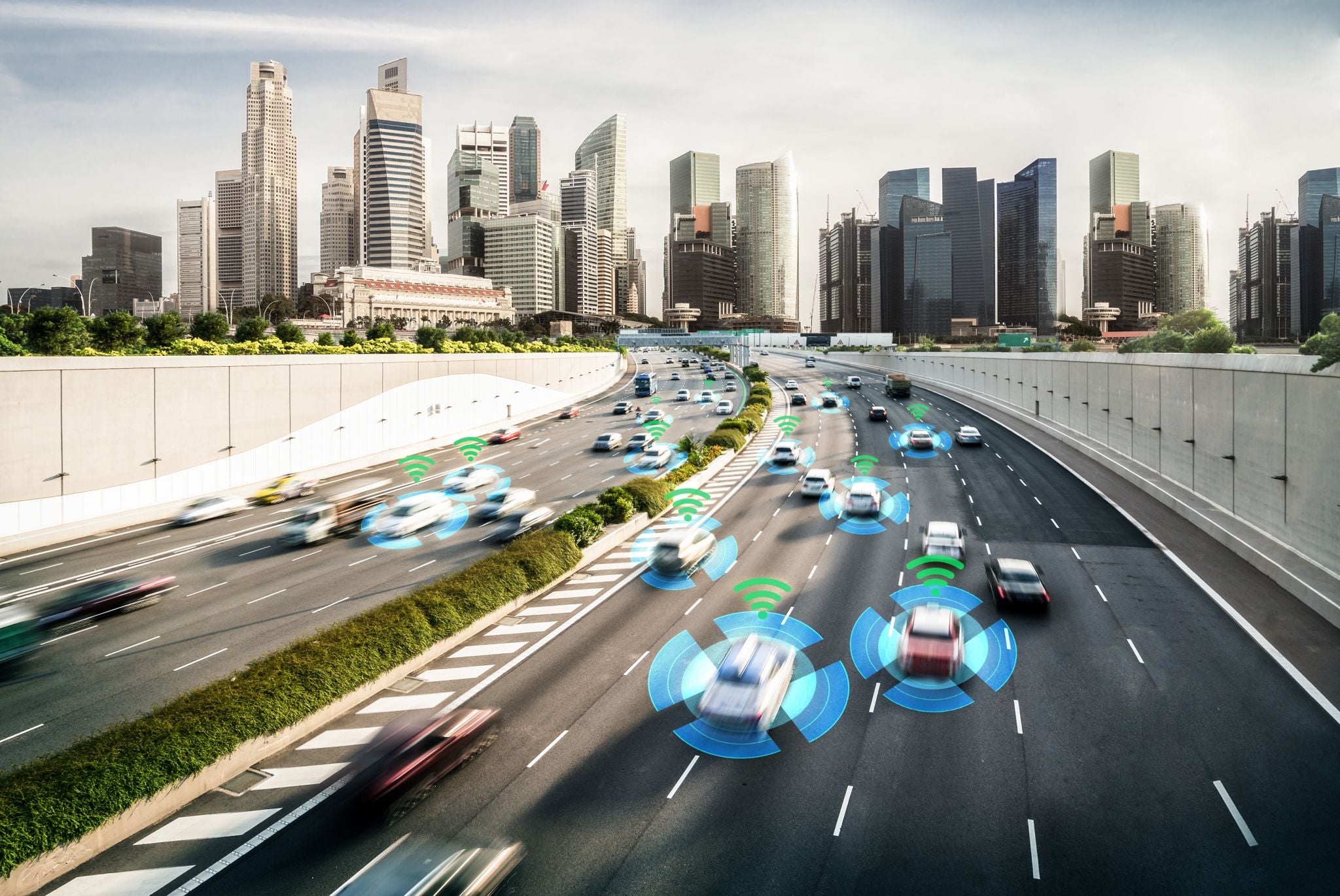
A global study by the Economist Enterprise, which is part of the prestigious British magazine and website The Economist, exposes a worrying mismatch between the driver’s perception of accidents and the technical assessment of road safety specialists. While 90% of drivers in 10 of the main automotive markets say they feel safe, only 45% of professionals in the sector share this optimism. The discrepancy threatens to slow down to an estimated 1.2 million deaths in accidents each year worldwide.
SEE ALSO:
- Stellantis boss will reposition Citroën and Peugeot in Brazil; Fiat will be among them
- Anfavea and Fenabrave revise upwards their sales projections in 2026
- Sodium could be the new miracle element of electric cars
The subject was highlighted in a recent publication on the Automotive News Europe website, in an article by Italian journalist Luca Ciferri. The warning came from Frenchman Jean Todt, who has already led Ferrari, F-1 and Peugeot teams in the World Endurance Championship, chaired the FIA (Fédération Internationale de l’Automobile and includes Motorsport) and is now the United Nations Secretary-General’s special envoy for road safety.
More than 6,100 people in Germany, Brazil, China, South Korea, the USA, France, India, Italy, Japan and the United Kingdom were interviewed. The trust gap reaches its apex in Brazil, China and India. In these countries, 94% of users say they feel safe, although the average road fatality rate reaches 16.2 deaths per 100,000 inhabitants (twice the world average of 8.1 deaths per 100,000).
Mechanical defects have lost relevance in the accident map. Only 3% of experts point to them as the main cause. Focus shifted to on-board electronics. For 30% of the professionals, the critical risk lies in the incorrect use or lack of knowledge about advanced driver assistance systems (ADAS). Another 24% of experts cite distraction by infotainment resources: GPS, audio with increasing quality and connection to the cell phone when answering or making calls. They represent a great potential for accidents due to overconfidence and inattention.
Chinese on a strong march
Murilo Briganti, (Chief Operating Officer) of Bright Consult, published an article in which he stated: “What if I told you that, by 2030, the Brazilian automotive market should grow by about 500 thousand vehicles, while Chinese brands can add more than 700 thousand units in the same period? At first glance, the account does not seem to add up. But it reveals precisely one of the main transformations underway in the sector: the growth of the market will no longer be enough to accommodate all competitors.”
He wrote it hypothetically, but there’s potential for it to actually happen. Chinese brands can start building production units from scratch (buying land, building factories, hiring equipment for assembly lines and developing local suppliers) or agree with manufacturers installed here and thus fill their idle capacity. In addition, there are still two factories closed: one now in July, at Toyota, in Indaiatuba (SP) and another at Caoa Chery, in Jacareí (SP), paralyzed since 2022. The latter is subject to expropriation by the city hall.
At least 11 have already announced plans: Geely, GWM (second plant), Wuling, MG, Jetour, Leapmotor, Dongfeng, Chery, GAC, Changan and BYD. With an import tax of 35% for complete vehicles (already in force) and disassembled, as of January 2027, they must require local production
There is also information that Kia will take over imports and also produce in Brazil, without the participation of the Gandini Group (to be compensated) with speculation about the location of the factory. All the negotiation has been conducted by Kia, not Hyundai. The South Korean group only has one factory in the world, Metaplan America, in Georgia, where the models of the two brands are manufactured as long as they are electric or hybrid. Commercial operations are always separate and competitive with each other.

SEE MORE ABOUT

0 Comments
Comments are the sole responsibility of their authors and do not represent the opinion of this site. Comments containing profanity or offensive language will not be published. If you identify anything that violates the terms of use, please report it.