Those who have followed the news of the latest releases must have noticed that cars with 1.0 turbo engines are with 115 or 116 hp. This reduction did not come to reduce emissions or consumption, the change is part of the Federal Government’s tax benefits for the Green Mobility and Innovation (Mover) industrial program.
The new calculation of the IPI for cars takes into account factors such as the index of recyclable components, hybrid systems, flex or ethanol engines, power and others. The “greener” the model, the lower the rate charged.
The IPI base rate for automobiles is 6.3%. This value can go up or down by a few percentage points depending on the following factors:
Electric: -2 p.p
PHEV flex hybrids (or ethanol): -2 p.p
HEV flex hybrid (or ethanol): -1.5 p.p
MHEV flex hybrid (or ethanol): -1 p.p.
Ethanol: -0.5 p.p.
Flex: 0
PHEV Hybrid (gasoline): +2 p.p.
HEV hybrid (petrol): +3 p.p.
MHEV hybrid (gasoline): +4.5 p.p.
PHEV hybrid (diesel): +3 p.p.
HEV hybrid (diesel): +4 p.p.
MHEV hybrid (diesel): +5.5 p.p.
Petrol: +6.5 p.p.
Diesel: +12 p.p.
Being 1.0 is no longer an advantage
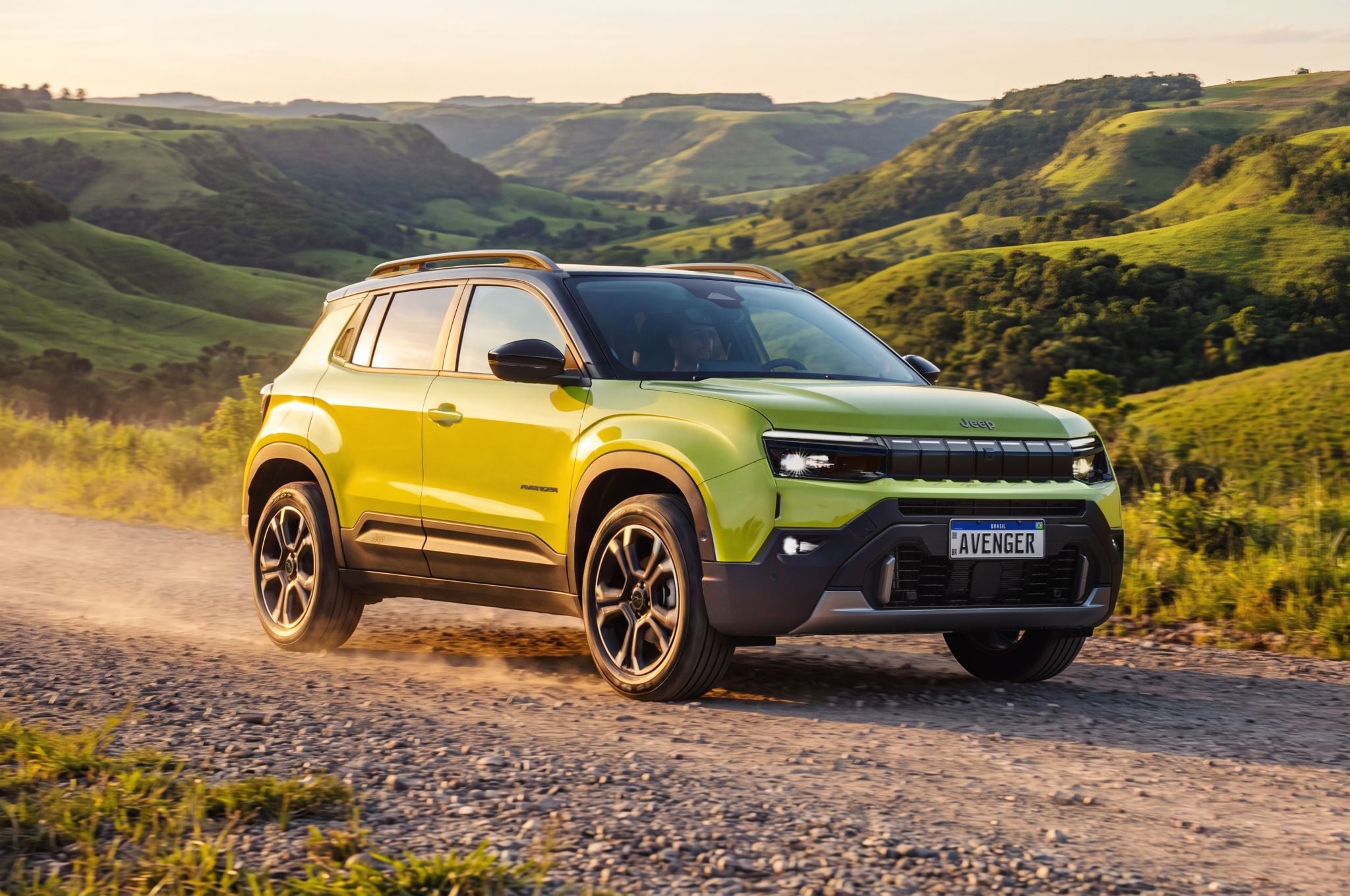
Taxation no longer considers commuting and now uses power as a parameter (Photo: Jeep | Disclosure)
Another change was to stop considering the displacement of the engine to calculate the tax. There is no longer that old discount for cars with 1.0 engines, which has been exploited by manufacturers in recent years thanks to the turbo.
This factor gave way to engine power, four ranges were created for reduced taxation. See what they are:
Up to 115.6 hp: 0 p.p.
Up to 142.8 hp: + 0.75 p.p.
Up to 179.5 hp: + 1.5 p.p.
Up to 224.4 hp: + 3.0 p.p.
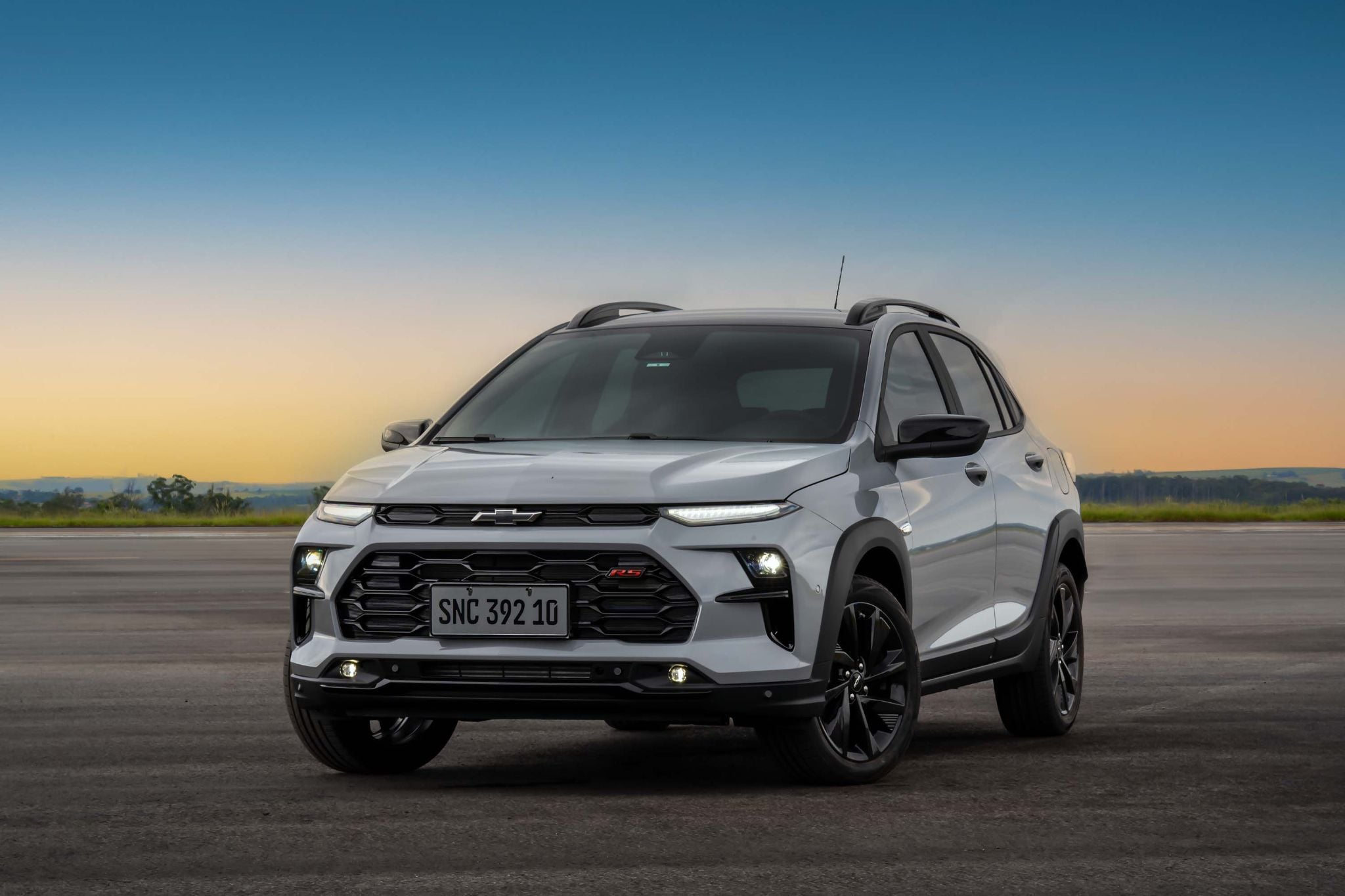
As there is no increase in the IPI for engines with up to 115.6 hp, automakers reduced the power of their 1.0 turbo engines during 2026. The first to do this was Chevrolet, which was updated in early 2025 to yield 121 hp with ethanol and then lost 6 hp to pay less tax.
Hyundai did the same with the i20, which uses the same engine as the HB20 and the Creta. However, in the new compact the maximum power has been reduced from 120 hp to 115 hp, this change will come to the other cars equipped with the 1.0 TGDI.
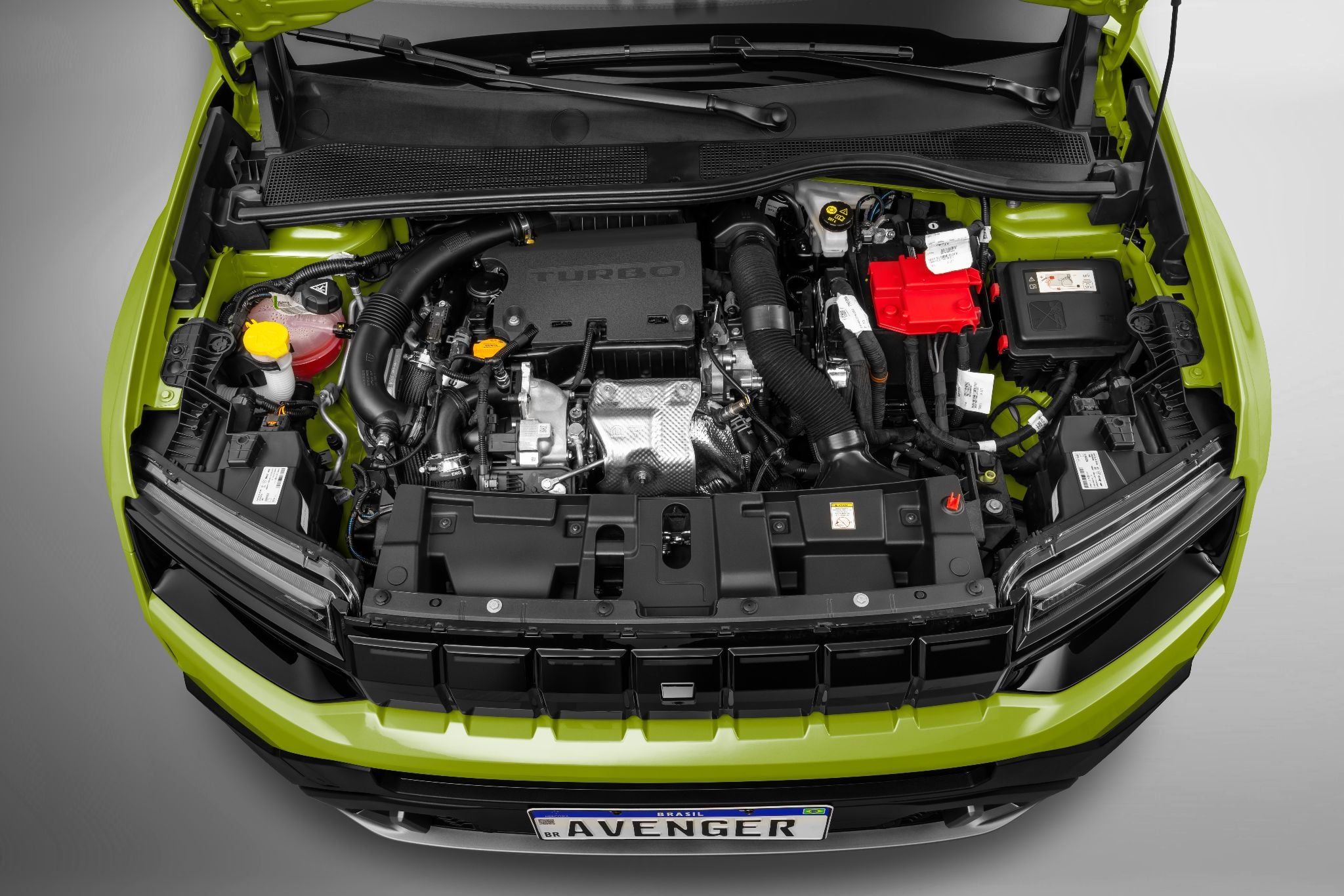
The most recent case was that of Stellantis, which decreased the power of its 1.0 turbo from 130 hp to 116 hp (115.6 rounded up). Torque was kept at 20,4 kgfm, the change only affected peak maximum power.
The power cuts also affected larger engines. According to Auto Esporte magazine , Caoa Chery’s 1.5 turbo is now set to deliver 143 hp, while the 1.6 turbo of the same brand went from 187 hp to 180 hp.
Another 1.6 turbo affected was the Hyundai Creta, which dropped from 193 hp to 176 hp when it started to be produced in Brazil and became flex. At Volkswagen, this change was made using the 170 TSI of 116 hp in the Polo, Tera and some versions of the Virtus.
In line for power loss is also the 1.0 turbo Renault Kardian, which today yields 125 hp and will soon lose 10 hp without losing the good torque of 22,5 kgfm. Aspirated models, such as Honda’s national line and the Toyota Yaris Cross, are not expected to change.
Mild hybrids will become more popular
Chevrolet has already announced that it is preparing electrification for its national cars (Photo: Chevrolet | Disclosure)
For flex-fuel cars with more than 115.6 hp, one way to have IPI discounts is to adopt electrification. A plug-in hybrid system reduces the tax by 2%, a full hybrid has a 1.5% discount and mild hybrids have a 1% reduction in the tax.
Stellantis increased the offer of its MHEV systems, the Jeep Avenger debuted bringing only electrified engines, for example. Chevrolet and Volkswagen have already announced that they will have cars with this type of light electrification, but with 48 volts.
Renault is working on a more advanced 48-volt mild hybrid system for the Boreal and the Niagara pickup, which uses an electric motor to drive the rear axle. This scheme already exists in Europe in Dacia cars and allows for greater fuel economy.
Quatro Rodas magazine found that Honda is working on a mild hybrid system for the 1.5-liter aspirated City, HR-V and WR-V engine. This will be unprecedented in the brand, which today only has full or plug-in electrifications.
This change in the way of calculating the IPI in Brazilian cars will change our market in the coming years. Don’t be alarmed by the profusion of models with 115 hp or mild hybrids that will be launched by 2030.
Comments are the sole responsibility of their authors and do not represent the opinion of this site. Comments containing profanity or offensive language will not be published. If you identify anything that violates the terms of use, please report it.