Hyundai i20 is a crossover, but it doesn’t get to be root
Fernando Calmon gives his opinion on the new Hyundai i20 that arrives as a more sophisticated proposal than the HB20, but without passing itself off as an SUV
Hyundai i20 arrives to occupy the gap between HB20 and Creta (Photos: Hyundai | Disclosure)
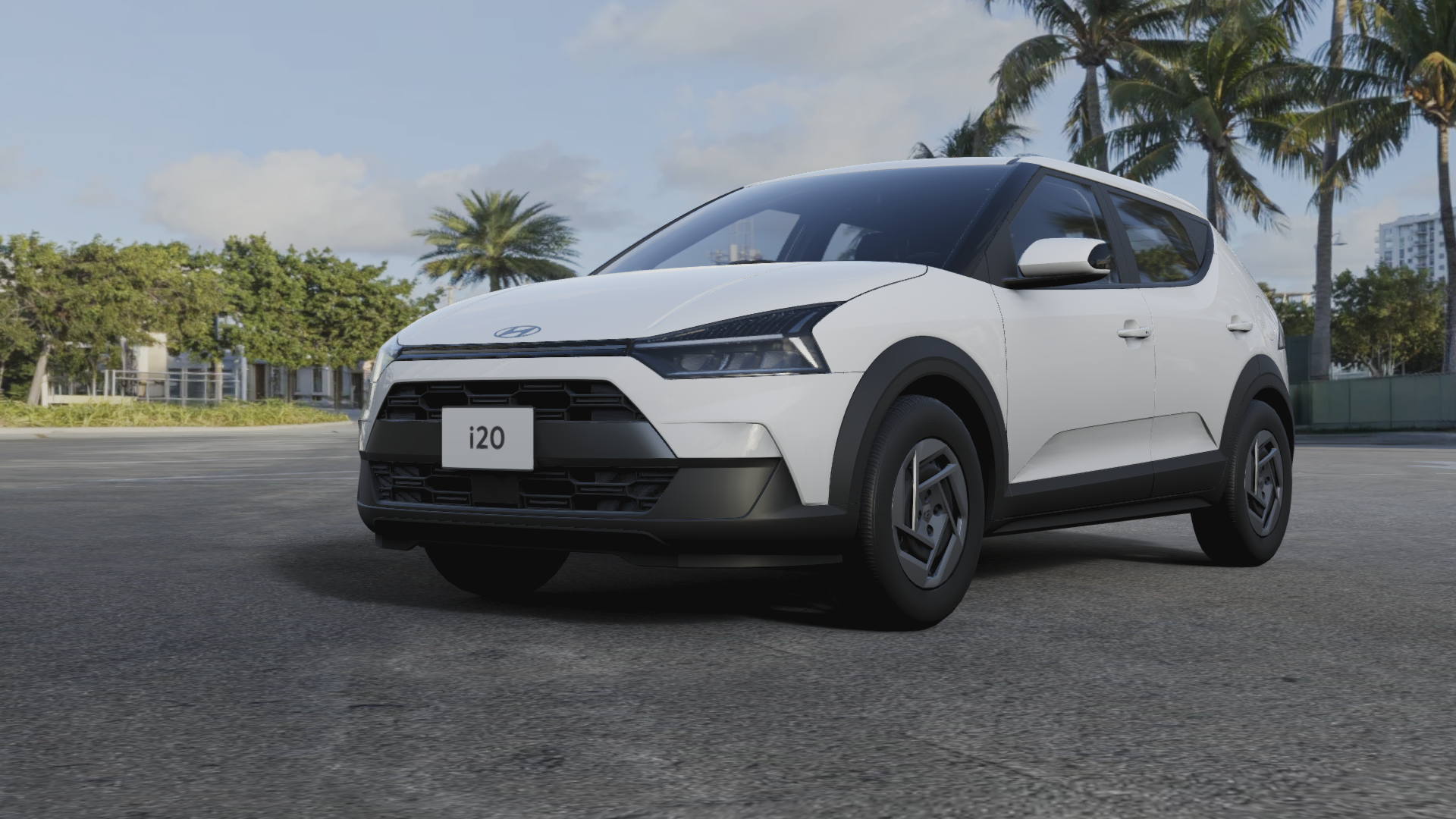
There was a gap in dimensions, prices and proposals between the HB20 hatch and the Creta SUV that the South Korean brand needed to fill. When the i20 began to be tested in camouflage by the factory, some pointed to it as a successor to the HB20, but in reality it was a new car. It is a little larger than the HB 20 due to its following dimensions, however it fits more like a “light” crossover .
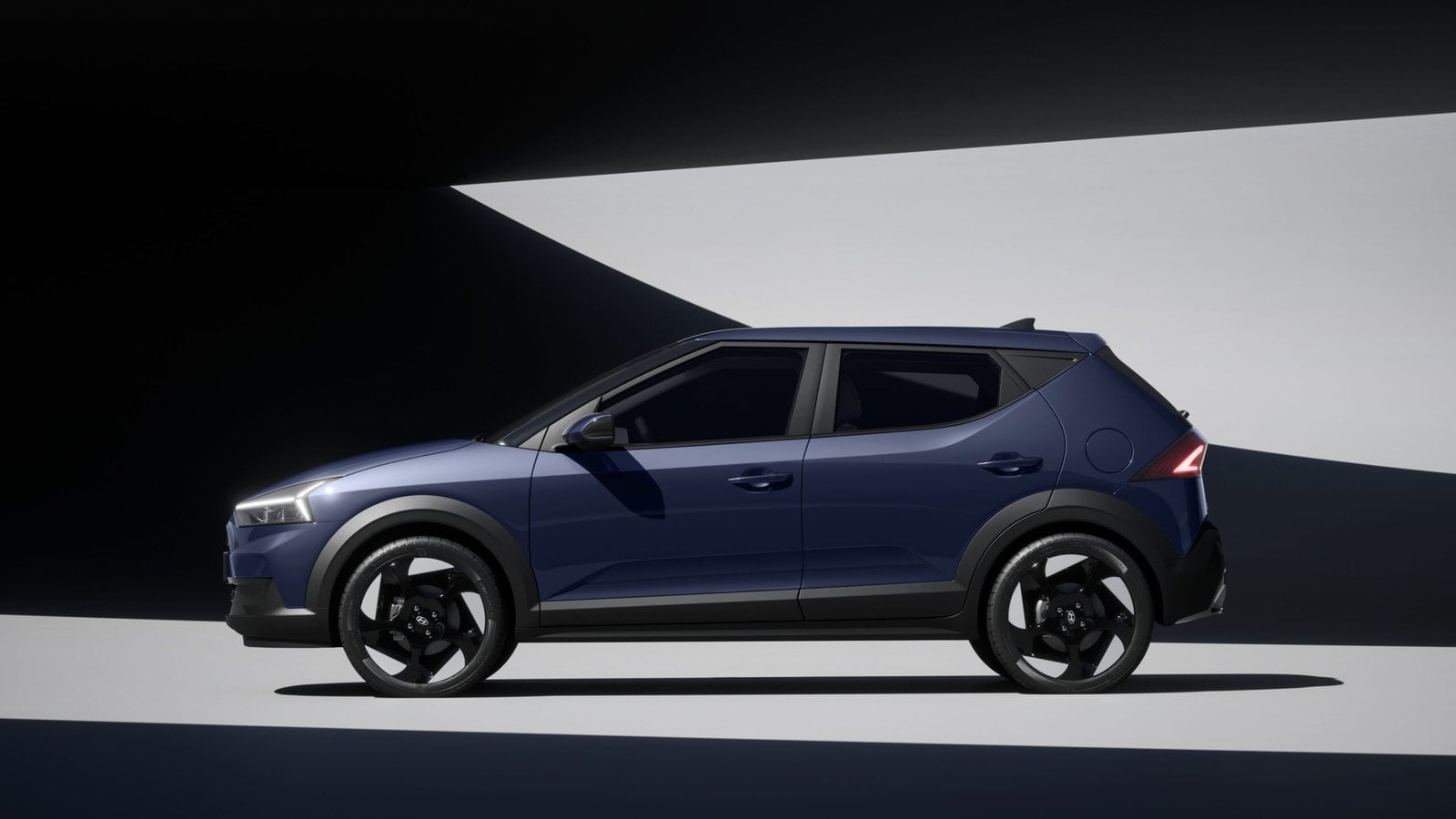
Entry-level versions (two of the six available) have only naturally aspirated flex engines with about a third less power and torque. The 3/4 front view impresses positively with well-sized headlights and taillights. In profile, the 17-inch alloy wheels stand out, but the large design of the rear column was very strange. Interlocking taillights are attractive.
The interior brings some new features such as the vertical air vents. Integrated screens (instruments and multimedia), both 12.3 inches, outperform those of competitors in the higher-priced versions. Finishing materials could be better. Wheelbase, slightly longer than Tera, Pulse and Sonic, provides more legroom in the rear seat. In trunk volume, the Sonic wins with an extra 46 liters. In terms of active safety and advanced driver assistance systems (ADAS), it has 10 items, twice as many as the three competitors.
First dynamic contact with the i20 was limited, in a very short and demarcated circuit. Steering and stability responses please. Loss of performance (minus 5 hp in order to fit into the Green IPI program) in those conditions is little felt, but in real situations the HB20 (100 kg lighter) certainly does better. A clear advantage over competitors is the automatic immobilization and release parking brake (auto-hold, in English), very useful in stopping and walking traffic.Dimensions (mm): length, 4.130; wheelbase, 2,580; width, 1,780 (2,045 with mirrors); height, 1,505. Volumes (L): trunk, 346; tank, 50. Mass: 1,205 kg. 3-cylinder turbo 1-L flex engine: power 115 hp (E)/(G); torque 17.5 kgf·m (E)/(G). Consumption (Inmetro km/L, city/highway): 8.8/10.1 (E); 12.6/14.3 (G). Range (Inmetro km, city/highway): 440/505 (E); 630/715 (G). Front-wheel drive. Epicyclic automatic transmission, six gears. Acceleration 0 to 100 km/h (s): 11.7 (E)/(G).
Comments are the sole responsibility of their authors and do not represent the opinion of this site. Comments containing profanity or offensive language will not be published. If you identify anything that violates the terms of use, please report it.