Driving an electric or hybrid car is the same as driving a combustion model with an automatic transmission. But they have a feature that can help the driver save the brakes and get a few more kilometers of autonomy: regeneration.
This feature can be used in several ways: when stepping on the brakes, when releasing the accelerator or even through cruise control. Regeneration converts the car’s kinetic energy into electrical energy, sending it back to the battery.
Regenerative braking is weaker than that of service brakes, but it already helps to reduce speed on flat roads and maintain it on descents. It only acts on the drive wheels.
How to activate regeneration
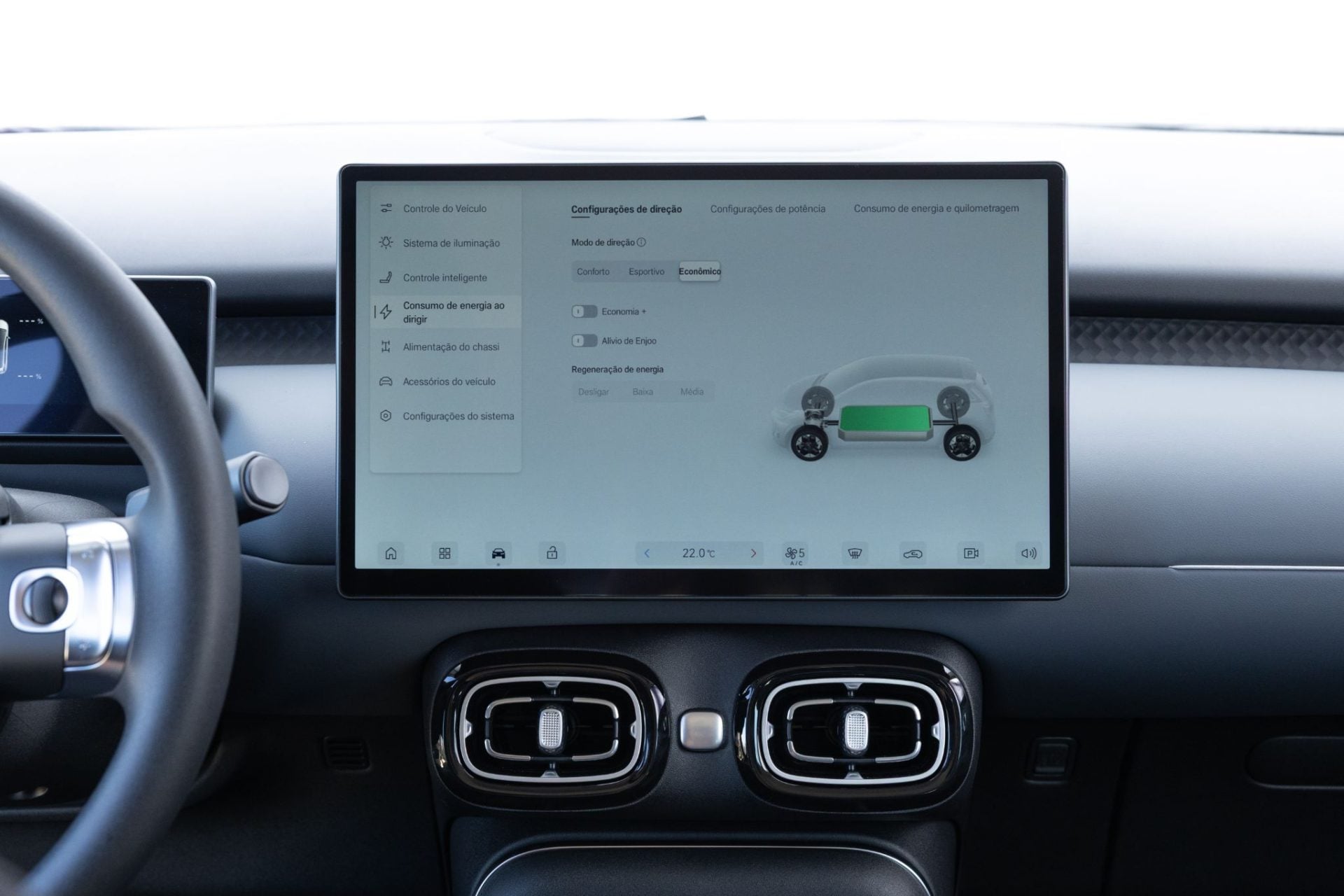
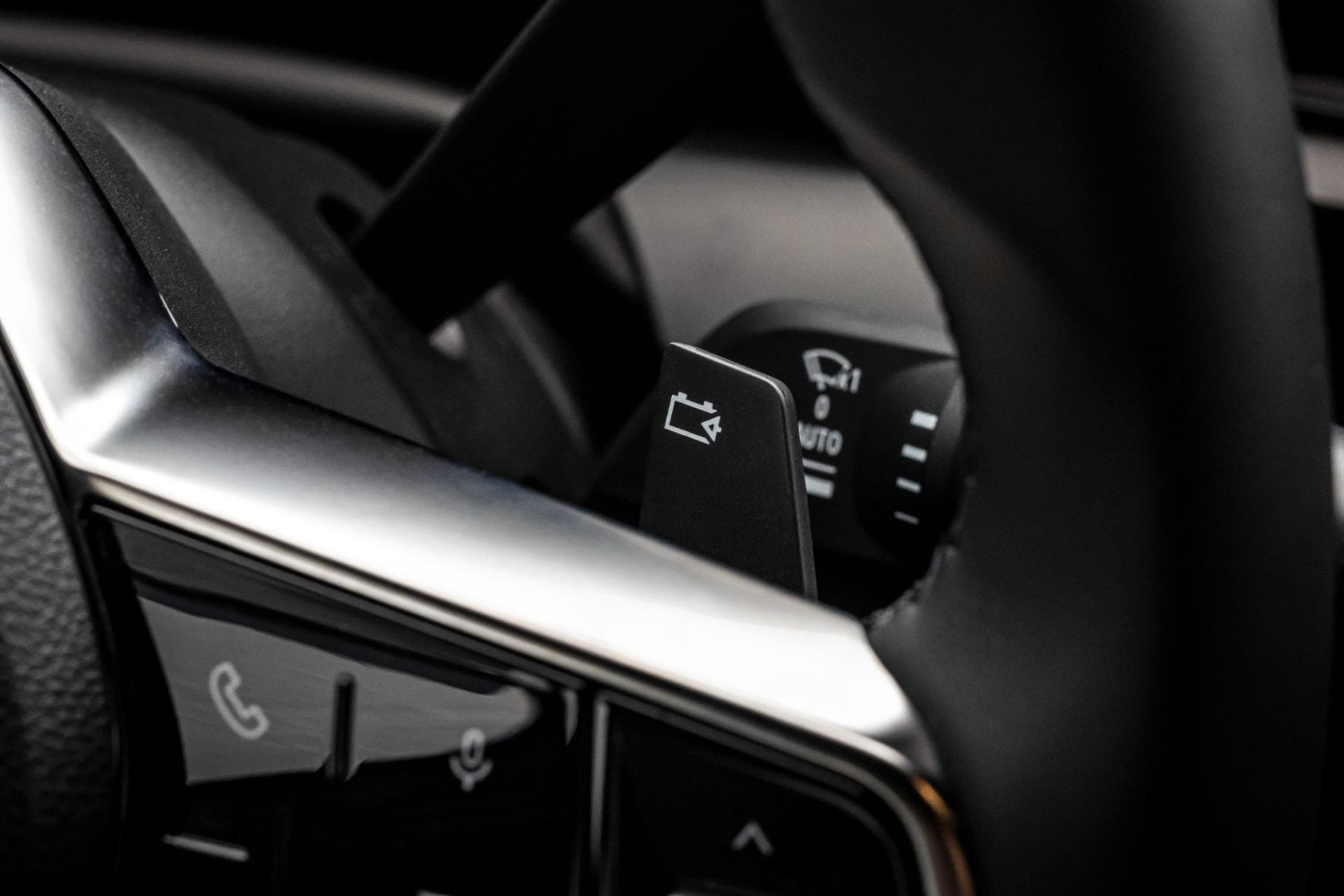
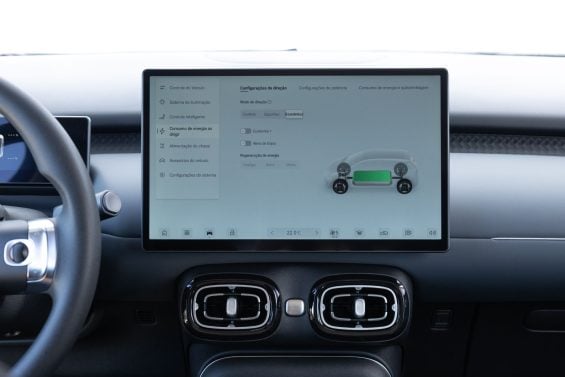
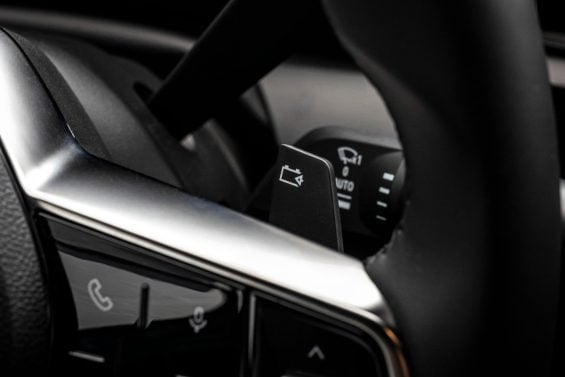
The Chinese put this setting hidden in the settings screen (Photo: GAC | Disclosure)In certain European, Japanese and American models, the adjustment is in the steering wheel fins (Photo: Renault | Disclosure)
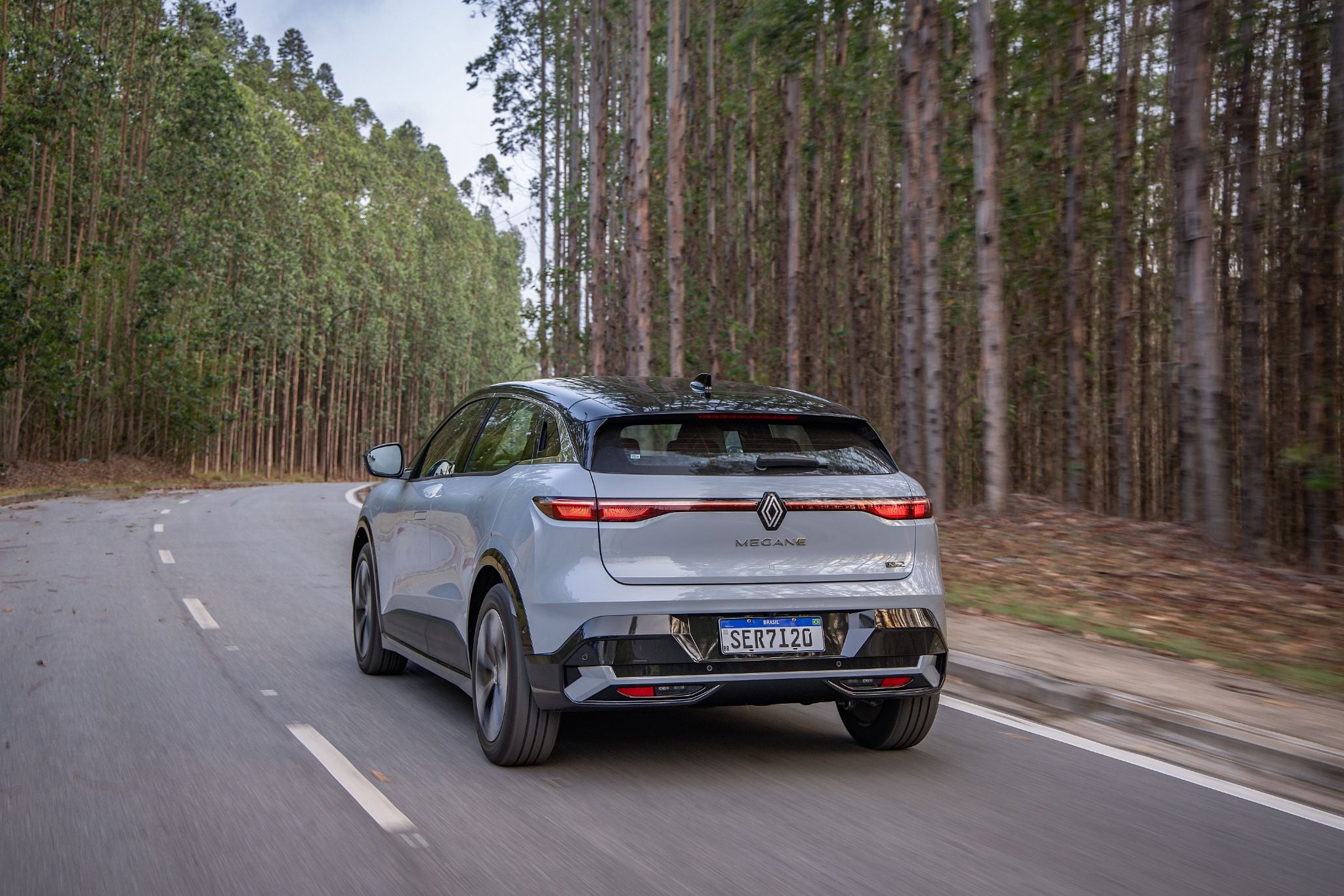
There is no industry standard on this. In some hybrid cars, such as Toyota’s, there is a “B” position on the gearbox that activates this function. In Honda’s hybrids, Chevrolet’s electric vehicles and some electric cars from European brands, such as the Renault Megane E-Tech, the level of regeneration can be regulated by the fins behind the steering wheel.
In Chinese cars, which are the most popular electric cars in Brazil, the intensity of regeneration is regulated in the multimedia center’s configuration menu. This function is also used automatically when the One Pedal driving mode is activated.
When the car is programmed not to regenerate when releasing the accelerator, it acts at the beginning of the brake pedal travel. In some cars, the pedal stage where the vehicle switches between this function and the service brakes is very noticeable.
When to Use Regenerative Braking
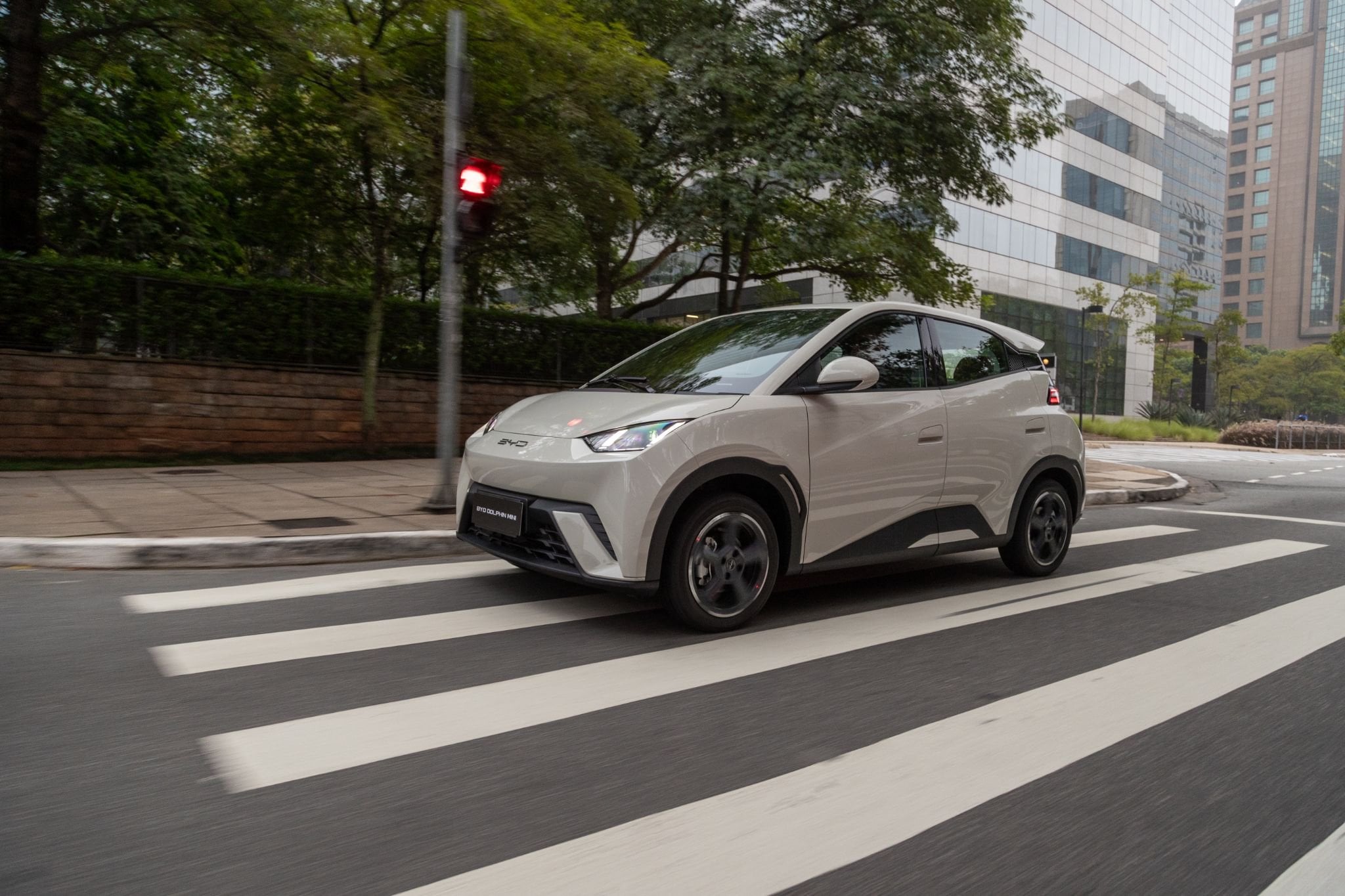
In the city, the gains are greater, especially in heavy traffic (Photo: BYD | Disclosure)
The reason the driver can choose the intensity of the regenerative brake — or even deactivate it — is to adapt the car’s driving to the customer’s environment and taste. There are those who prefer to drive the old-fashioned way, without the engine braking effect when releasing the accelerator.
Regenerative braking turns out to be more useful in urban traffic, the famous walk and stop. Using stronger levels, it is possible to anticipate a traffic light or mandatory stop, releasing the accelerator and letting the vehicle regenerate energy until the moment when it is necessary to brake.
The one-pedal mode can also be interesting in these situations, as it works by prioritizing regeneration.
When not to use
On flat roads it is better to deactivate, to be able to release the accelerator and let the car run freely without consuming energy (Photo: Porsche | Disclosure)
Setting the regeneration to a strong level means that the car will slow down when releasing the throttle. While this is very useful in the city, road use can be inconvenient.
In this situation, the electric car is more efficient running free to maintain speed. If regenerative braking or one-pedal mode is turned on, you’ll need to find a point in the throttle stroke where it’s neutral.
With regeneration deactivated, the driver can release the accelerator on straights for the car to maintain the pace without wasting energy. She will still act when she hits the brakes.
But this tip is only for flatter roads. If you are on a saw, regeneration is quite useful to save the brakes and can even make the load level rise considerably.
Cars where you can choose the level by the paddles behind the steering wheel are more practical on the highway. The driver can switch levels as needed, without taking his attention off the road and without having to touch the dashboard screen.
Increases tire wear
This system increases tire wear on the drive wheels, influences more than acceleration (Photo: Chevrolet | Disclosure)
A little-discussed fact about regenerative braking is that it also influences tire wear. Many blame only the immediate delivery of torque, but in use without strong accelerations, regeneration ends up being the biggest culprit.
Therefore, we recommend always keeping an eye on tire wear, especially on the drive axle, and rotating it. This way, the game lasts longer and all the tires wear evenly.
Getting the hang of using regenerative braking in an electrified car will go a long way toward achieving more range. His only penalty is this one related to tire wear.
Comments are the sole responsibility of their authors and do not represent the opinion of this site. Comments containing profanity or offensive language will not be published. If you identify anything that violates the terms of use, please report it.