Collecting miniature cars can start with a childhood memory, a model found by chance or simply by the desire to reproduce on a reduced scale that car that marked some phase of life. The problem is that, given the number of models, brands, special series and launches, the game can quickly turn into a collection without limits, including for the pocket.
For Felipe Novoa, collector and owner of the Sala de Minis store, in Mirassol (SP), the first step is to understand that the collection should continue to be a hobby. “Remember that this is a hobby. You have your obligations, to pay bills, rent, shop. Don’t think you’re going to complete the collection, because that’s infinite,” he explains.
The recommendation seems simple, but it is important in a market where the offer has grown and the purchase has become much easier. If before it was necessary to look for miniatures in physical stores, today marketplaces, collector groups and social networks allow you to find models from different manufacturers with a few clicks. The ease also increases the possibility of buying on impulse.
Set a thumbnail theme to start the collection
The main tip for those who are starting out is to establish a focus. The collection can be made up of cars of a certain brand, national models, sports cars, competition vehicles, Formula 1, cars from a specific era or cars that appear in movies and series.
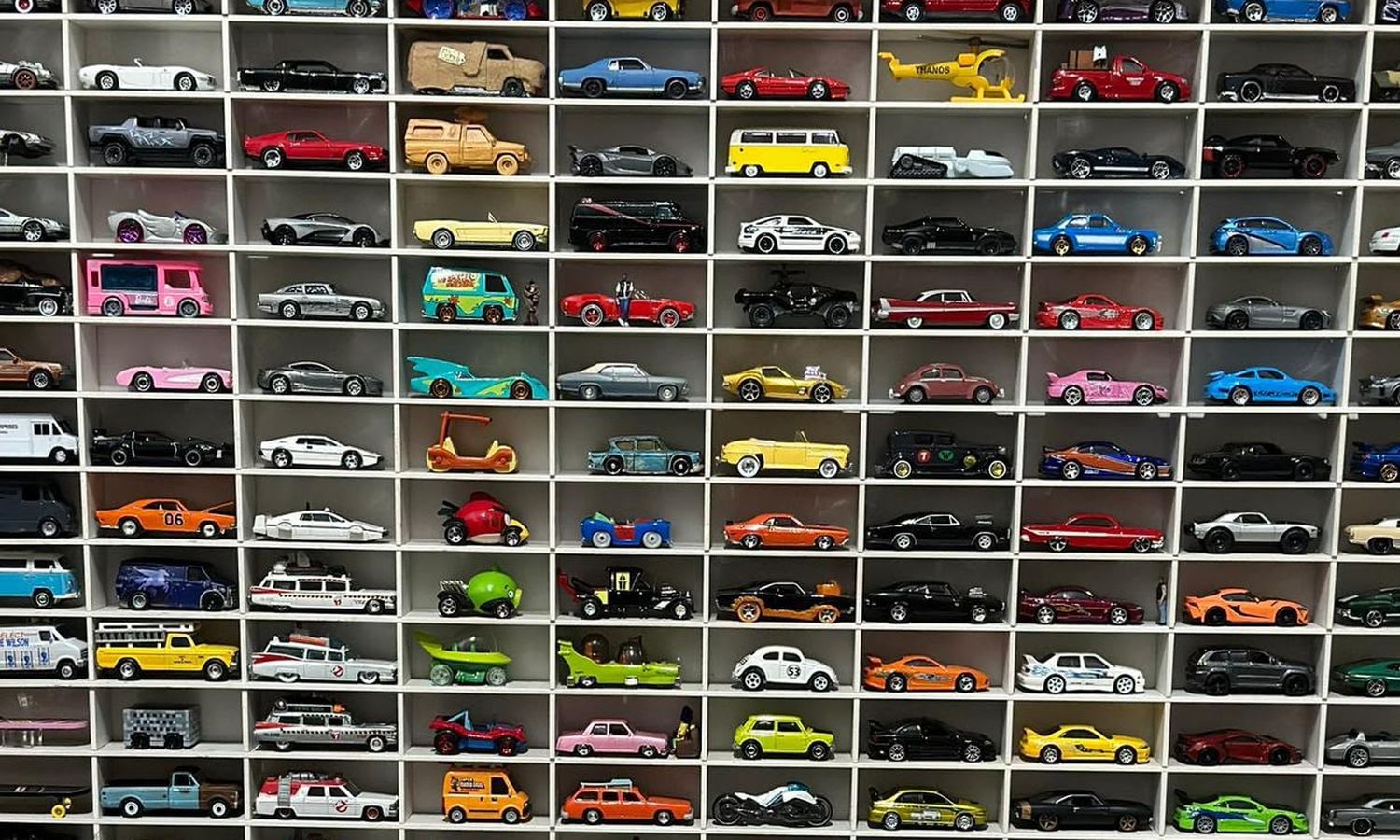
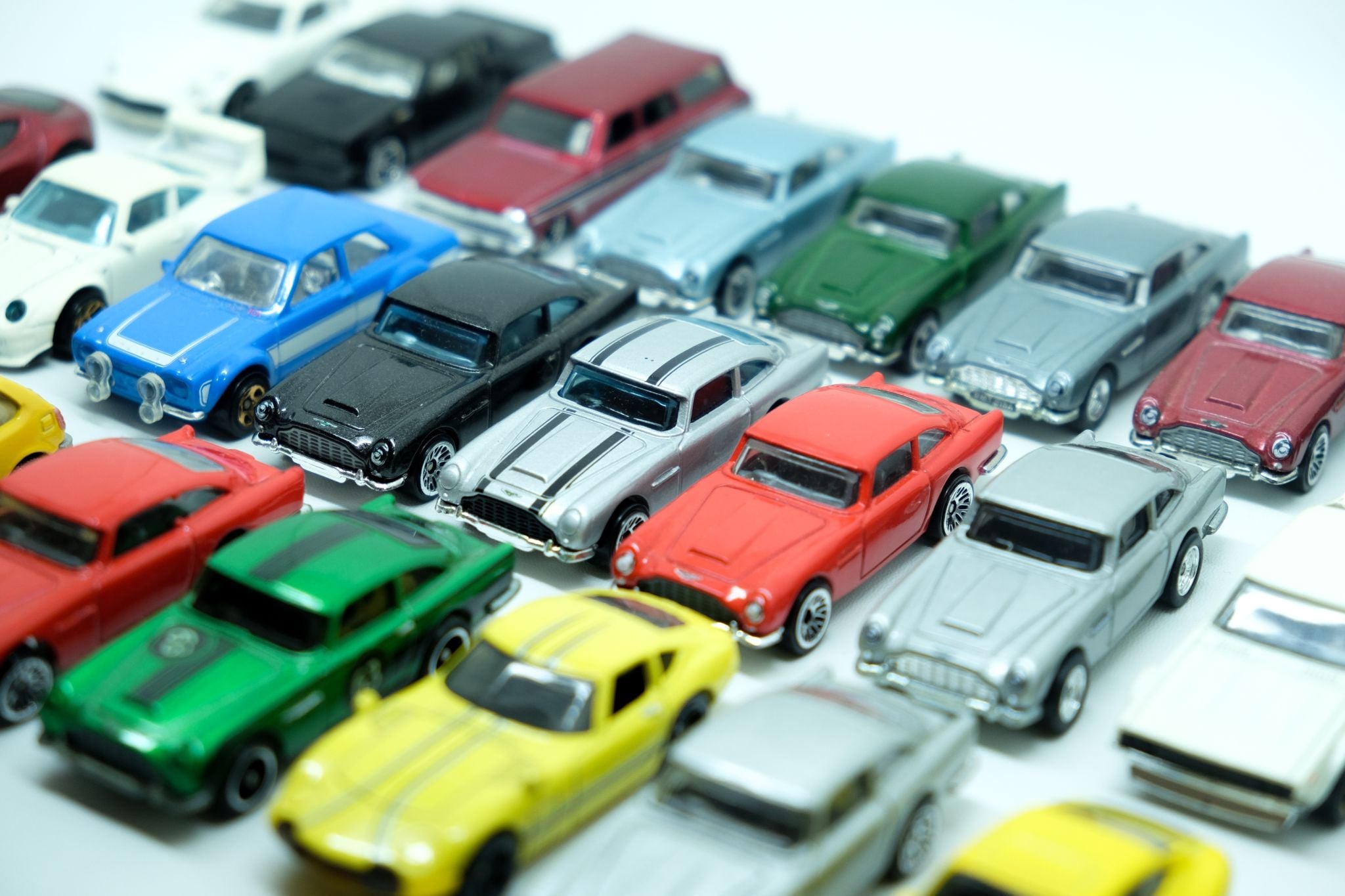
Defining a theme by car brands or categories is a way to organize the collection (Photo: Marcelo Jabulas | AutoPapo)
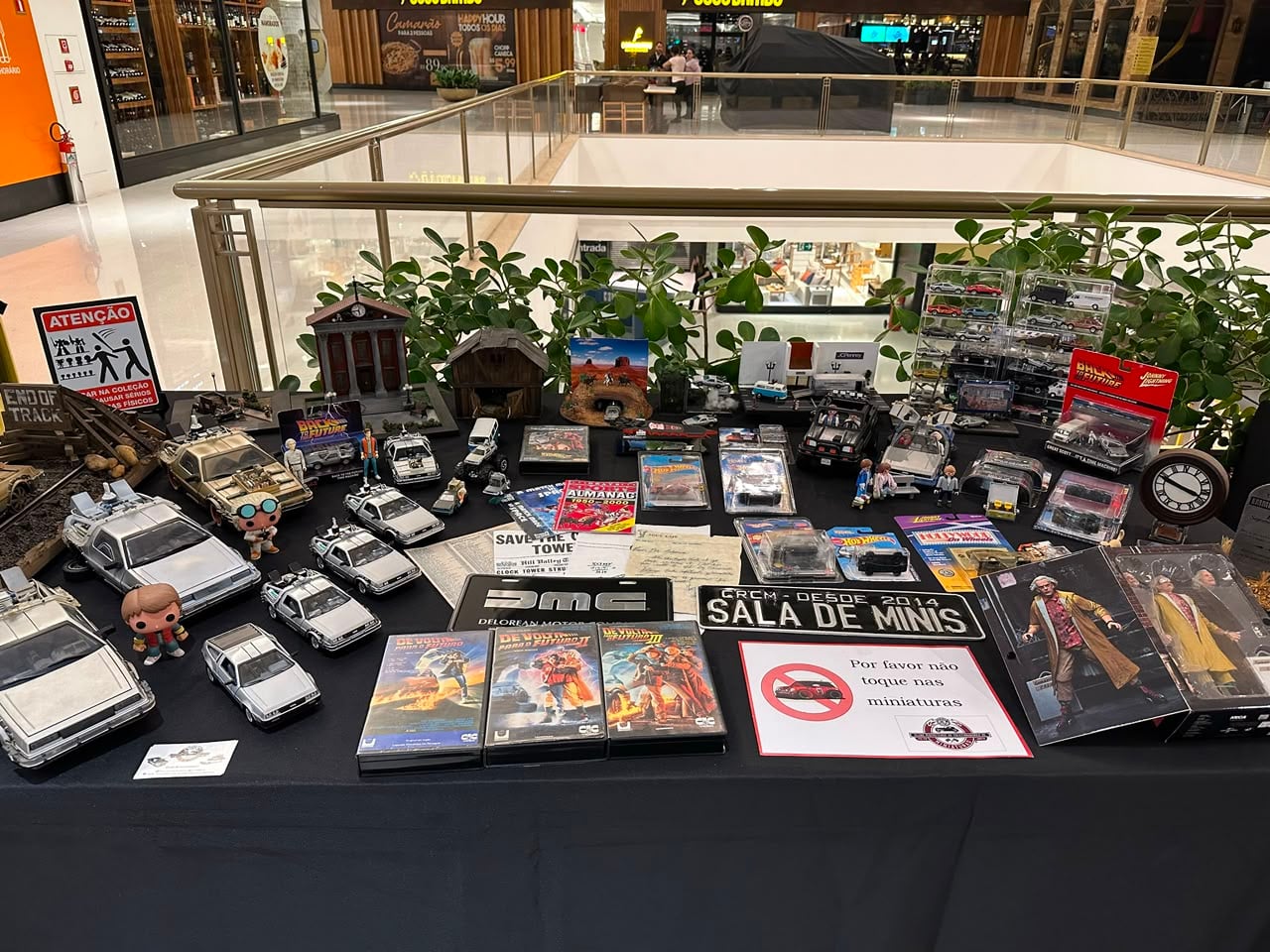
Felipe himself went through different phases until he defined his niche. Currently, cinema-related cars are the main focus of his collection, especially movie models from the 1980s and 1990s. The DeLorean from Back to the Future is one of the examples.
The advantage of establishing a theme is to limit the possibilities. Instead of trying to buy everything that comes in front of them, the collector starts to evaluate whether that miniature really has a relationship with the purpose of the collection.
It is also possible to establish rules within the theme itself. A Formula 1 collection, for example, can focus on specific drivers, teams, historical periods or cars. The same goes for national models: it is possible to choose only vehicles produced in Brazil, a certain decade or even cars that were part of the family’s history.
Affective
memory The choice of theme can also start from memory. Miniatures of cars that belonged to parents, grandparents or friends can have a greater meaning than rare or expensive models.
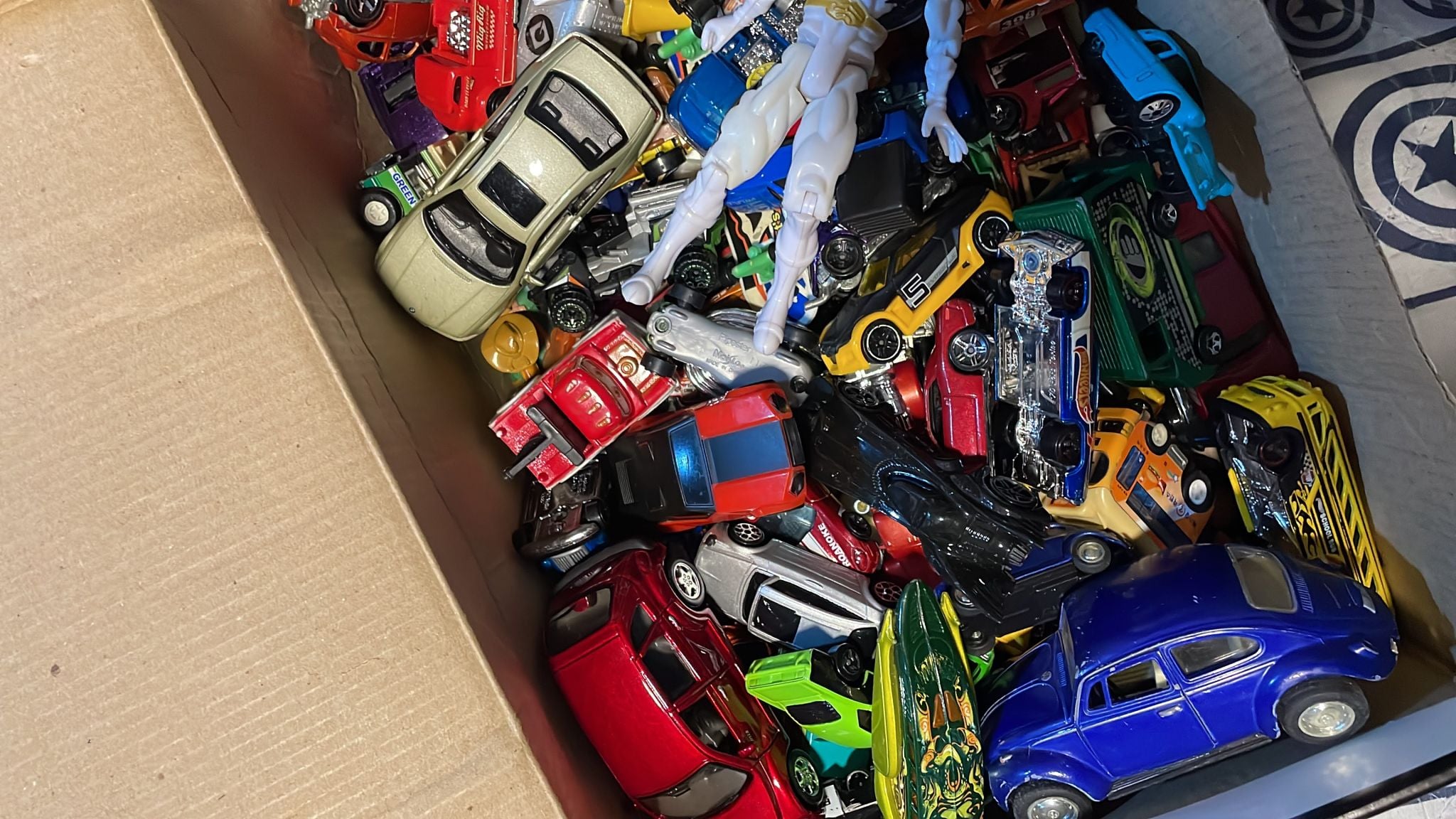
A box of old toys can be the starting point to strengthen the hobby (Photo: Marcelo Jabulas | AutoPapo)
This link helps explain why miniature collecting is not limited to the search for market value. A model can represent the father’s first car, the car desired in childhood or that vehicle seen repeatedly in a movie.
Therefore, before buying new models, a suggestion is to look for cars that have been stored for years. The old toy box can reveal models that have been forgotten. According to Felipe, it is worth researching these pieces to find out if any of them are of interest to collectors.
You don’t have to have it all
Another common mistake of those who start collecting is to believe that a collection needs to be complete. The problem is that, in the miniatures segment, the concept of a complete collection practically does not exist.”
Manufacturers constantly launch new models, while different scales, versions, colors and special editions multiply the possibilities. Even within a single theme, the number of pieces can grow quickly”, he explains.
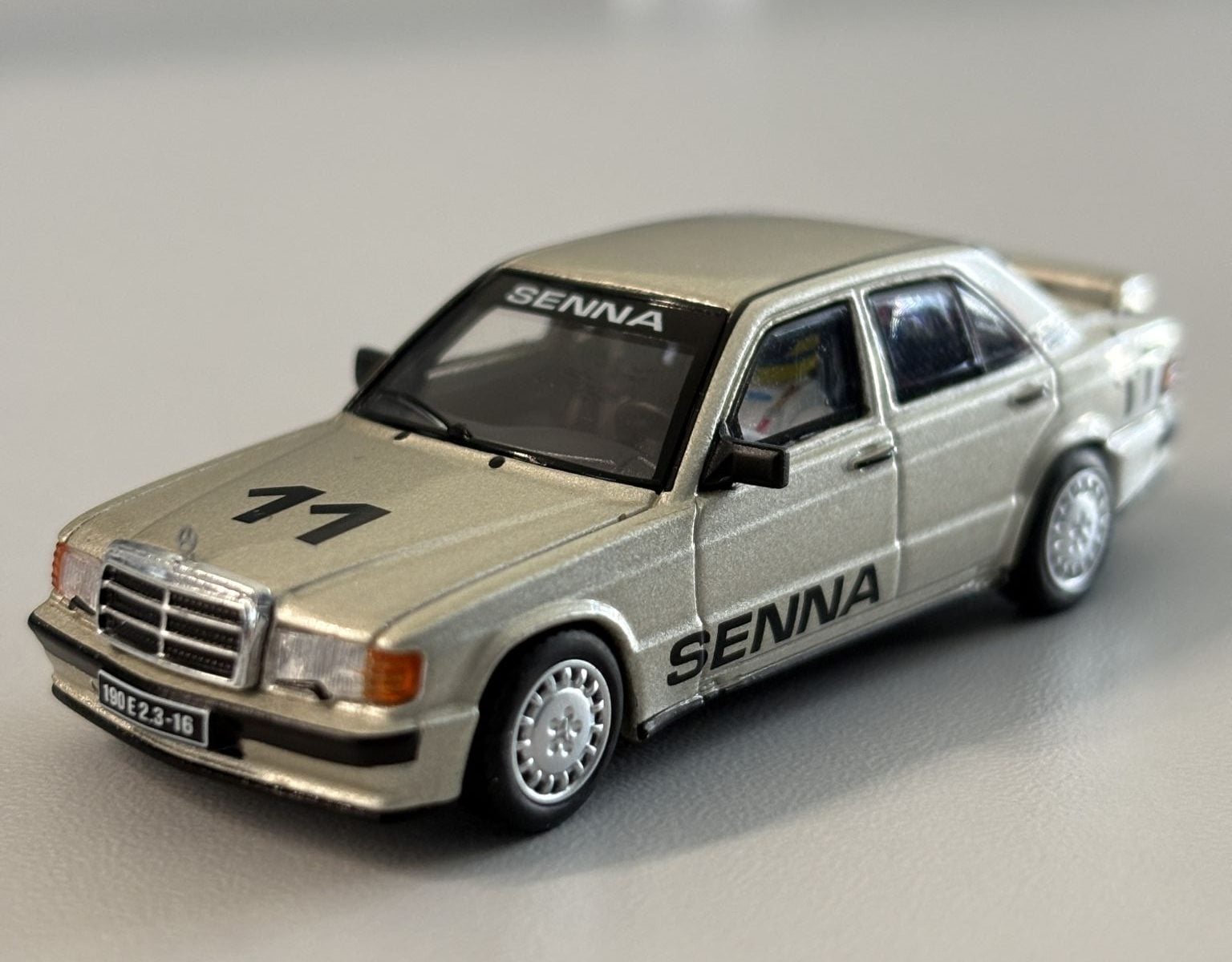
Thematic models generate great demand and a price escalation that can blow the budget (Photo: Marcelo Jabulas | AutoPapo)
The collector also needs to learn to live with releases that will not be part of the collection. Seeing an interesting miniature does not necessarily mean that it needs to be bought.
A practical strategy is to establish a monthly budget.
The amount allocated to the hobby should be defined after essential expenses, not before them. In this way, the purchase of a miniature does not compromise bills or other needs.
Beware of the Hot Wheels
hype Miniatures related to famous movies, characters, drivers and cars can quickly gain demand. This can happen when a manufacturer announces a certain model or when a movie, series or competition returns to the spotlight.
Demand can affect prices, especially when a certain model arrives on the market in limited quantity. In some cases, pieces originally found for relatively low values are traded for much higher prices among collectors.
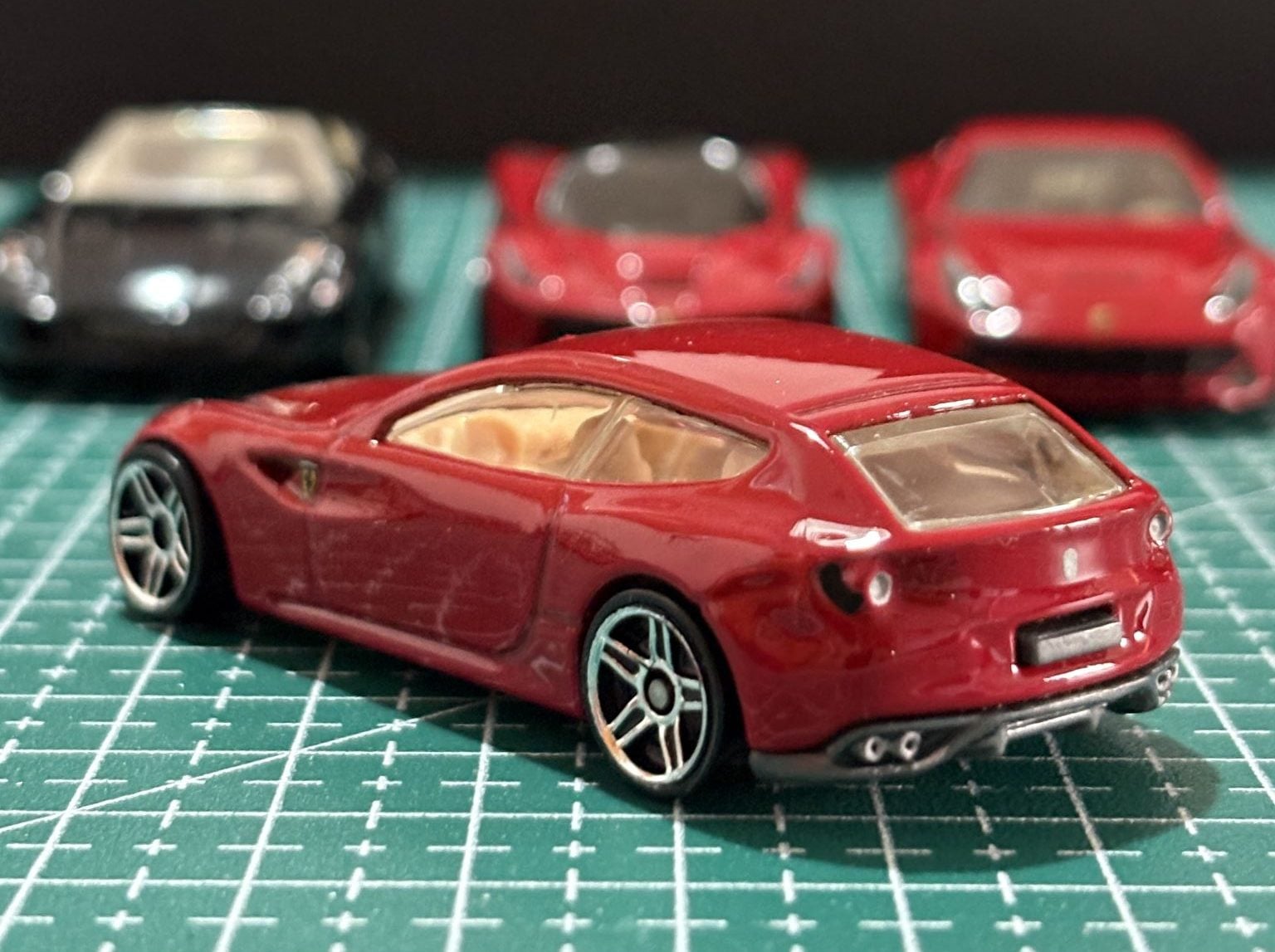
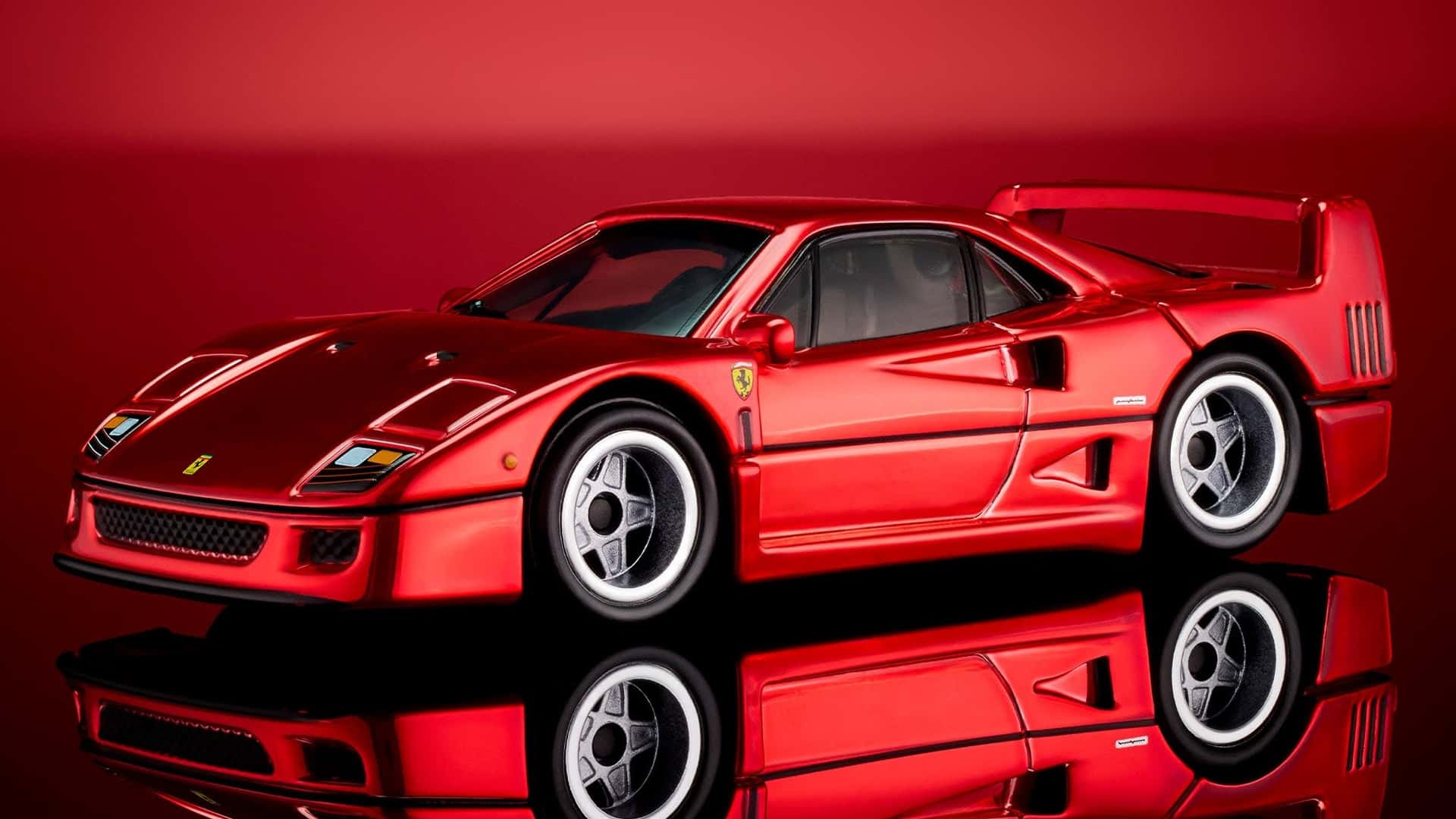
The return of the partnership between Ferrari and Hot Wheels generated a frenzy for the brand’s models, which ended up inflating the miniatures at dealerships (Photo: Hot Wheels | Disclosure)
Therefore, paying dearly simply because a certain model is on the rise requires caution. The goal should be to have a desired piece in the collection, and not necessarily buy it to resell later.
Another point is to avoid turning the hunt for a miniature into a permanent race. Searching in stores, events and groups is part of the fun, but it doesn’t have to determine the pace of the collection.
Exchanges to leverage the collection
Collector groups also help reduce expenses. Communities on social networks and messaging apps allow you to find people with similar interests, negotiate models, and make exchanges.
A miniature that does not interest a collector so much may be exactly the one that is missing from someone else’s collection. The exchange also allows you to correct impulse purchases and redirect the collection to the chosen theme.
Box opening events are another common practice among collectors. In them, closed boxes of miniatures are opened in front of the public, creating the possibility of finding more sought-after models. The experience also works as a meeting between people who share the same hobby.
Define the scale of the
thumbnail Another point that needs to be defined at the beginning is the scale. Models in 1:64, such as traditional small carts, take up little space and allow you to gather a larger number of vehicles.
Larger scales, such as 1:43, 1:32, 1:24, or 1:18, offer another level of detail, but require more space and typically represent a much higher investment per part.
Felipe Novoa is fascinated by “Back to the Future” and collects, in addition to the miniatures, everything about the film trilogy (Photo: Felipe Novoa | Disclosure)
There is no mandatory stopover to start. The choice depends on the available space, budget and the type of collection desired.
It is also important to consider where the miniatures will be stored. A collection that grows without planning can occupy closets, bookshelves, and even entire rooms. Therefore, physical space must also be included in the account before purchase.
The most important thing is control
Collecting can work as a leisure activity and a way to keep in touch with automotive culture. The search for models, the assembly of scenarios, customization and interaction with other collectors are part of the experience. But the hobby ceases to fulfill this role when it begins to cause financial or family problems.
Buying too much can mean wasting money on repeated thumbnails and overspending (Photo: Shutterstock)
The rule, therefore, is to set limits before the collection sets the limits on its own. Having a theme, setting a scale, stipulating a budget, controlling the available space, and accepting that some miniatures will be left out are all ways to keep the activity in check.
As Felipe Novoa summarizes, the idea is to collect with “focus, prudence and responsibility”. After all, there will always be a next miniature, but it doesn’t necessarily have to be on your bookshelf.
10 tips for starting a miniature collection
Define a theme: Choose a focus for the collection, such as national cars, sports cars, Formula 1, movies, brands, or a certain era.
Start with what you already have: Look for old cars stored in boxes. A forgotten miniature can have sentimental value or even be sought after by other collectors.
Establish a budget: Determine how much you can spend per month and don’t compromise the money allocated to household expenses.
Don’t try to have everything: New models are released constantly. Accept that no collection needs to be complete.
Choose a scale: A 1:64 allows you to gather many models with little space. Larger scales require more space and usually cost more.
Beware of hype: Movie releases, drivers, and famous cars can be in high demand. Avoid paying high prices just because a miniature is trending.
Research before buying: Compare prices, versions, and manufacturers. The same miniature can appear with very different values depending on the edition and conservation.
Use collector groups: WhatsApp, Facebook, and other networks help you find models, trade, and learn about events.
Reserve space for the collection: Before buying, think about where the miniatures will be stored. Physical space is also an important limit.
Collect for pleasure, not for obligation: The goal is for the collection to be a form of fun and contact with automotive culture. Focus, prudence, and responsibility help keep the hobby away from financial problems.
Comments are the sole responsibility of their authors and do not represent the opinion of this site. Comments containing profanity or offensive language will not be published. If you identify anything that violates the terms of use, please report it.