A few days ago, Jeep presented the Avenger, its new compact SUV that will compete in the utility access segment. The jeep, literally, arrived with a promotional price of R$ 115 thousand, which caught the attention of the market, with the mission of taking sales from models such as Volkswagen Tera, Renault Kardian and even relatives such as Fiat Pulse and Citroën Basalt.
car But a point that also aroused curiosity was the reduction in power of the T200 1.0 turbo engine. The unit, which debuted in 2021 with the Fiat Pulse, has always delivered 130 hp and 20,4 kgfm of torque. But, in the Avenger, it appeared with 115,8 hp.
The fall of 14 “foals” has its justification: taxation. The reduction was necessary to fit the model into the rules of the Green Mobility and Innovation program, the Mover, of the federal government, which will use new tax criteria for automobiles as of 2027. This is because the tax burden of the automobile will consider a series of factors related to energy efficiency, propulsion technology, power, safety and recyclability, and no longer just the size of the engine.
Chevrolet Sonic also underwent power adjustment to collect less tribute (Photo: GM | Disclosure)
Each unfulfilled requirement increases the amount collected and makes the car less competitive. In the case of power, vehicles with up to 85 kW, equivalent to approximately 115.6 hp, do not receive an increase in the rate by this criterion. Above this limit, up to 105 kW, the IPI increases by 0.75 percentage points. And, as it is a flex-fuel mild hybrid, the Avenger also receives a discount of another 1 percentage point.
The idea is to encourage the industry to adopt new technologies so that its cars are more competitive and efficient. And all this opens a discussion about how the industry shapes its cars in the face of tax rules.
Reducing power is a simple adjustment, basically it requires changing the calibration of the electronic center, without the need to replace components. Models such as the Chevrolet Sonic also debuted with the new calibration. Renault, in turn, preferred to keep the 125 hp of the TCe 1.0 turbo engine that equips the Kardian. To reduce the tax burden, the car underwent other adjustments that did not penalize power, such as weight reduction.
10 hp more became the Kardian’s differential in relation to its direct competitors, even with a greater weight in the tax (Photo: Renault | Disclosure)
Before the Mover rules, there was (and still is, until the entry of the new system) a tax policy that granted favored treatment to popular cars equipped with engines of up to 1,000 cm³. The model was consolidated in 1993, with the reduction of the IPI for popular vehicles and specific conditions related to nationalization and the price of cars.
The Fiat Uno Mille was one of the first cars of the new generation of 1.0 models and soon several other compact cars with engines of the same displacement appeared. The industry began to invest heavily in solutions to improve engine performance: increased compression ratio, reduced number of cylinders and improvements in feeding. All to mitigate the low torque of the first 1.0 blocks.
Turbo and the 1.0 luxury
car But the big leap came with the so-called downsizing, a movement that gained strength abroad, in the late 2000s, to reduce the size of engines without loss of performance.
One of the solutions was the massification of the turbocharger, which was resized to deliver more power in a wide range of revolutions. The turbo is an old solution, but for decades it has not been fully satisfactory and has always been viewed with suspicion.
This is because turbocharging an engine requires reinforcing the block, the cylinder head and the moving parts to withstand the increase in temperature and pressure. It was not uncommon for originally aspirated engines, when turbocharged without the necessary modifications, to present premature breakdowns.
Volkswagen Virtus arrived with the size of a medium car, but collecting a minimum IPI rate, thanks to the 1.0 turbo engine (Photo: VW | Disclosure)
In addition, the old turbos suffered from the so-called turbo lag, which is the lack of turbine pressure at low revs, due to the low volume of exhaust gases to turn the rotor. This required care in driving so as not to receive a torque blow and make the car uncontrollable when the turbine filled up for real.
With the turbo issue resolved, the national industry saw that it could sell more qualified cars while collecting less taxes. Although Ford and Hyundai ventured into 1.0 turbo cars in the 2010s, it was Volkswagen who did its homework.
In 2015, the brand launched the up! TSI, with a 1.0 turbo engine with 105 hp and 16,8 kgfm of torque. Soon after, it applied the engine to the Golf as an entry option.
With the arrival of the Polo, in 2017, the 200 TSI engine was already more than approved, with its 128 hp and 20,4 kgfm of torque. VW soon installed the block in the Virtus and, later, in the T-Cross.
At the time, executives from competing brands were shouting that Volkswagen sold luxury cars with a popular tax. It didn’t take long for General Motors, Stellantis and Hyundai to follow suit, and the 1.0 engine is no longer synonymous with lethargy.
Tribute defines cars around the world
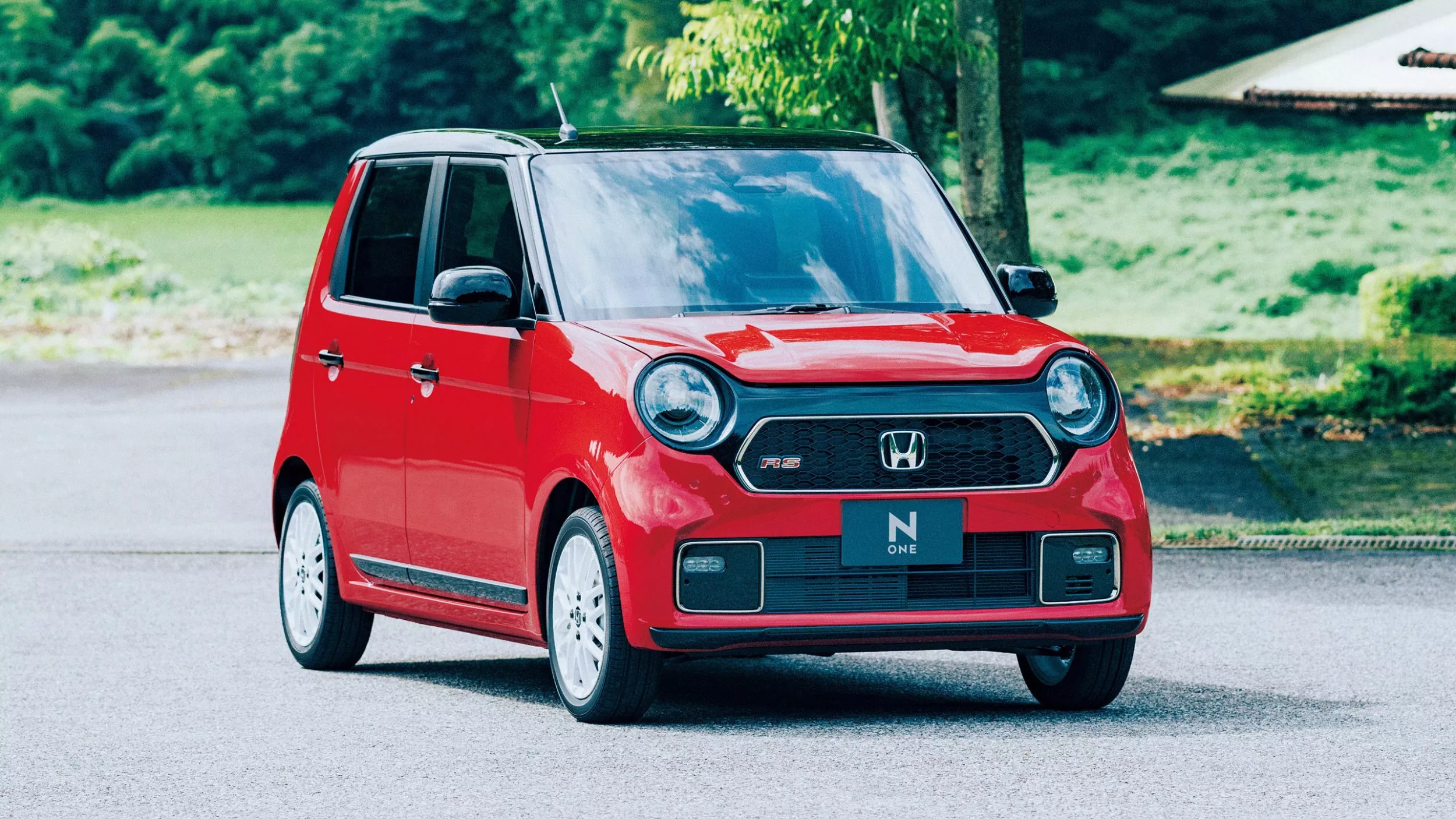
So-called Kei Cars, such as the Honda N, have been popular in Japan for over 60 years (Photo: Honda | Disclosure)
Setting physical limits for taxing automobiles is not exclusive to the Brazilian market. In Japan, the keijidōsha category, which we know as kei car, has been in force since the post-war period. It is a compact car category, created to stimulate mobility and the Japanese economy in the period of reconstruction of the country after World War II.
The current configuration of the category was established in 1998 and defines that the kei car must not exceed 3.4 m in length and 1.48 m in width. The maximum height is 2 m, and the engine cannot exceed the volumetric capacity of 660 cm³.
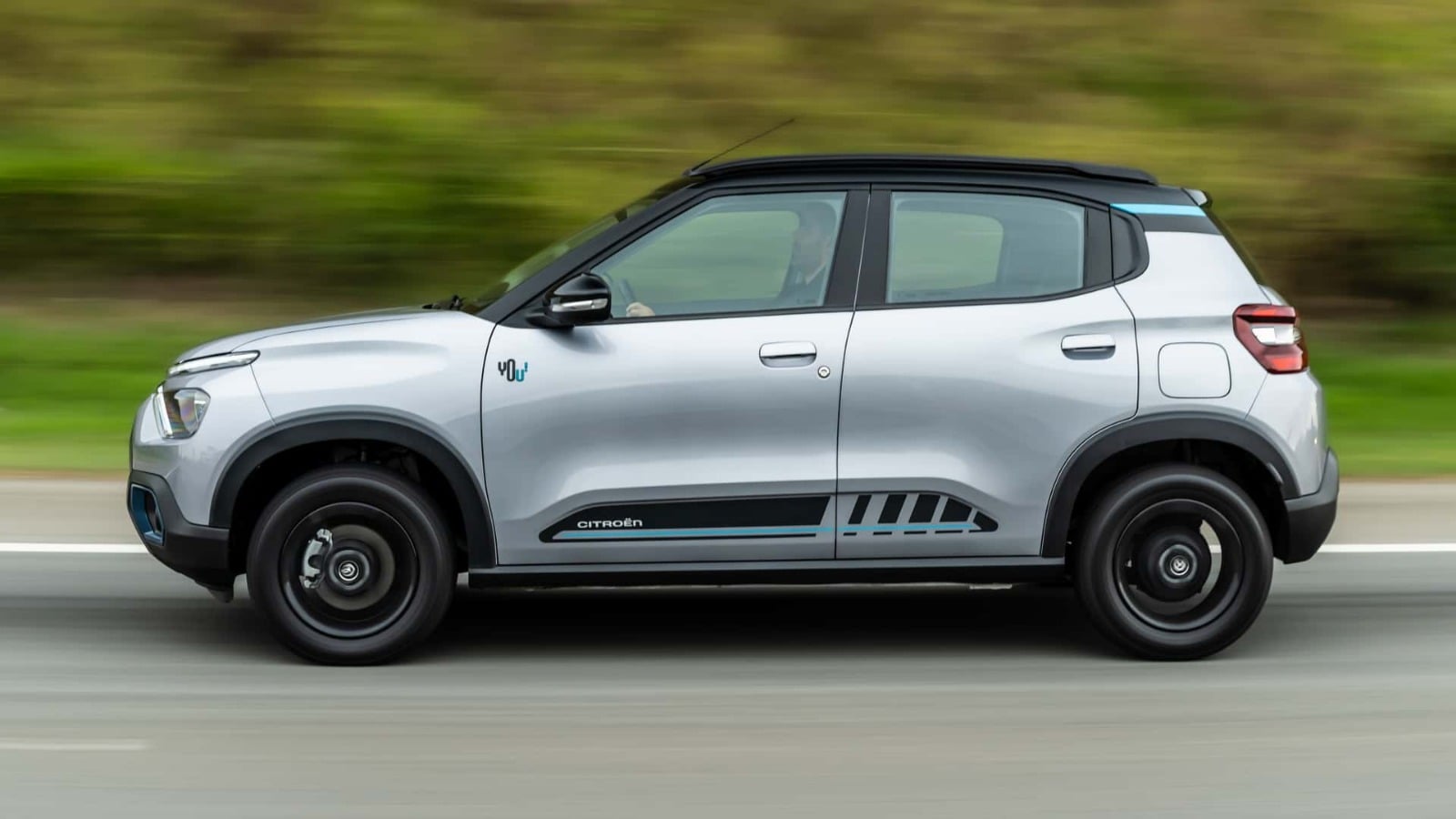
Citroën C3 is 3.98 m long to fit the Indian tax rule (Photo: Citroën | Disclosure)
In India, one of the taxation rules also involves the total length of the vehicle. Cars up to 4 m, equipped with engines with a displacement of up to 1.2 liters for gasoline, CNG or LPG, and up to 1.5 liters for diesel, receive specific tax treatment for compact cars.
An example that we know well is the Citroën C3. The model was developed in partnership with Stellantis’ engineering team in India. With a length of 3.98 m, the compact meets the tax rule that considers factors such as the external measurement.
Chinese
electric cars China has become a global powerhouse in electrification thanks to a broad policy of incentives granted to stimulate the sale of electric and hybrid cars. Since 2009, the central government and local administrations have adopted measures that have included investments in infrastructure, financing, subsidies and tax exemptions to stimulate the sector. Estimates on the total volume of resources vary according to the methodology used.
The Chinese government has been offering incentives, such as tax exemption, for the development and purchase of electric cars for more than 15 years (Photo: Marcelo Jabulas | Disclosure)
Recently, Chinese policy has started to reduce some direct incentives and shift the focus to tax mechanisms and market measures. Direct national subsidies for the purchase of new energy vehicles have already been ended, while some tax exemptions and reductions continue to be in the process of transition and gradual reduction.
Among the measures that help stimulate the adoption of electrified vehicles in some Chinese cities is the differential treatment for license plates. In large centers, obtaining a license plate for combustion vehicles may involve auctions or lotteries, while new energy vehicles receive more favorable treatment. The values and rules, however, vary by city.
Thus, tax rules shape and force the industry not only to adjust to each market. The measures force manufacturers to seek innovations. Today, a 1.0 turbo engine delivers more power than a 2.0-liter aspirated engine from 20 years ago or a 60-year-old six-cylinder block. Evolving is necessary (and necessary), even if it’s at the stroke of a pen or hurting your pocket.
Comments are the sole responsibility of their authors and do not represent the opinion of this site. Comments containing profanity or offensive language will not be published. If you identify anything that violates the terms of use, please report it.