

Electric car makes a loss for 18 manufacturers
A survey published on a North American portal indicates that almost 20 brands, not counting Chinese, spent more than they earned on electric vehicles
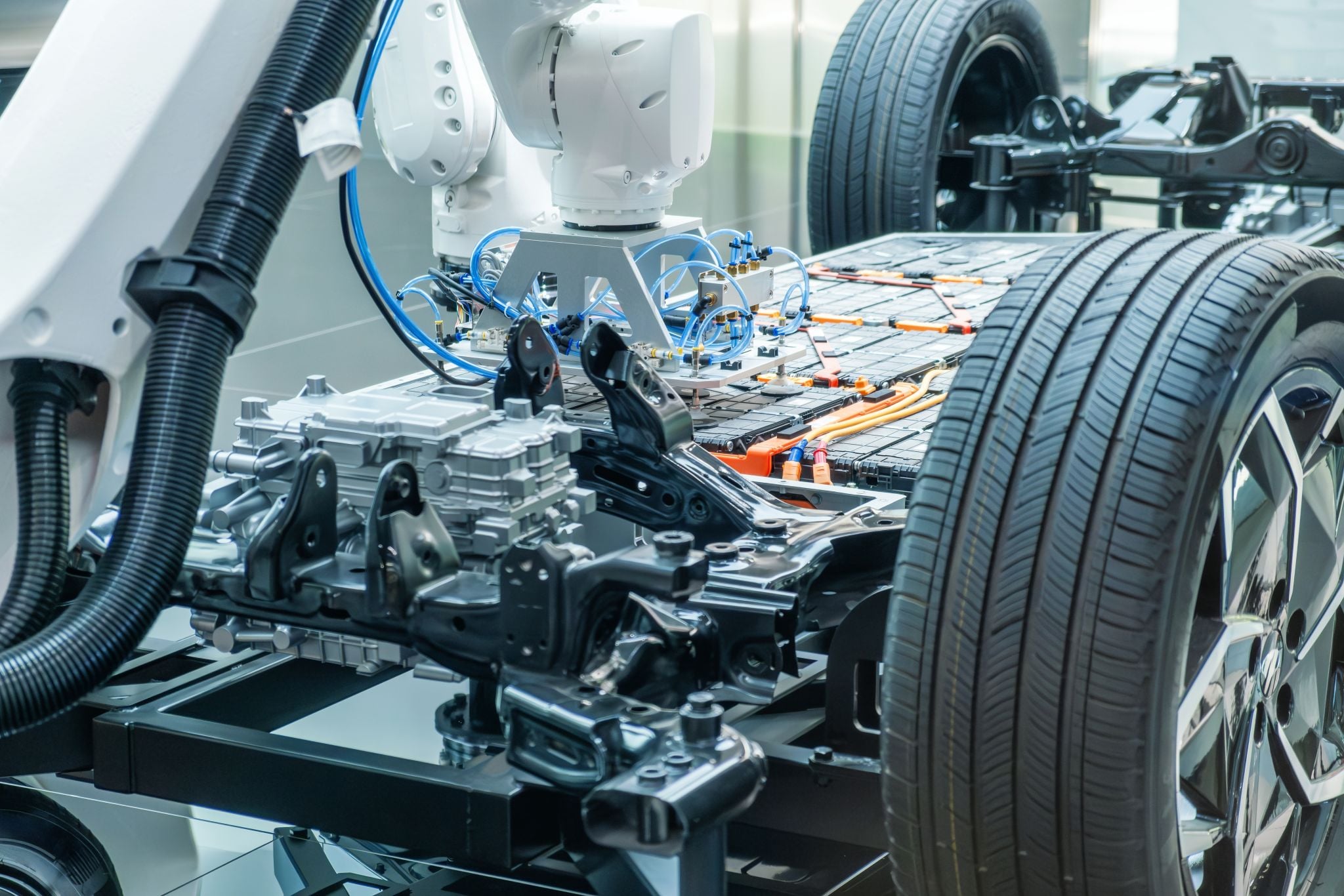
By
Fernando Calmon
Published on 2026-05-23 at 05:00 PM
Published on 2026-05-23 at 05:00 PM
Be the first to comment.
Summarize with:
The survey was carried out by Paul Eisenstein, one of the most respected and published automotive journalists in the world. His work has appeared in numerous news outlets. The award-winning American is a pioneer in digital journalism and founded the website Headlight.News. Now in March, it published on Autoblog a text that surprised by naming 18 brands that had losses when launching electric cars. Most have already changed their short-term plans and decided to invest in hybrids.
SEE ALSO:
- Automobile Day brings encouragement to improve road safety
- Anfavea celebrates 70 years and bets on continuous progress
- Beijing Motor Show is the largest in the world: accepting the Chinese is no longer an argument
It is not about giving up on electric vehicles, but about rethinking strategies. The high subsidies have ended or been drastically reduced by governments in the Northern Hemisphere and also in Southeast Asia, including Japan, South Korea and even China. The financial statements prove Eisenstein right. These are recoverable losses later, but it is difficult to indicate when and how.
In alphabetical order, this is the list compiled by the journalist: Acura, Chevrolet, Dodge, Ford, Genesis, Honda, Hyundai, Infiniti, Kia, Lamborghini, Land Rover, Maserati, Nissan, Polestar, Porsche, Ram, Tesla and Volkswagen. No Chinese brand was cited because the available information is imprecise or even comparable. In the case of Tesla, which only produces electric vehicles, sales fell in 2024 and 2025. BYD is not included, but the decline reached more than 35% in the first two months of 2026 with the end of state subsidies, although the company remains the largest producer of electric vehicles.
Honda this month was the latest to announce its first accounting loss in 70 years attributed to development spending and low sales. Its focus is now on hybrids and has abandoned the goal of only selling electric vehicles by 2040.
Today, the main problem is concentrated in the charging network on roads, in addition to the time it requires. Range is also lower during trips because it makes it difficult to regenerate when braking.
In a few words, I summarize the current scenario again: right course, uncertain pace.
“Breathalyzer” on the dashboard, as accurate as it is useful
The novelty comes from Germany. The partnership between auto parts manufacturer Aumovio and TrinamiX, a subsidiary of BASF, has resulted in a solution that promises to tackle one of the biggest bottlenecks in road safety: driving under the influence of alcohol. It is a biometric sensor that measures the level of ethanol in the blood and delivers the result in a few seconds. The operation is as intuitive as unlocking a smartphone.
Great engineering merit here was miniaturization. The system uses spectroscopy and artificial intelligence to analyze the reflection of light in the tissues under the skin. This allows the sensor to be easily integrated into the dashboard or console, without polluting the look of the interior — a crucial point not to compromise the sophisticated interiors of today’s cars.
This technology acts preventively and discreetly, even before the driver starts. When the fingertip is placed on the sensor, invisible pulses of light are emitted and any ethanol molecules present can be detected. The characteristic reflection of the light is then analyzed using AI-based evaluation methods to accurately determine the driver’s blood alcohol level.
This new alternative to the breathalyzer is already prepared for future requirements of the law, without sacrificing convenience. The technical precision of the method has already been proven effective in clinical studies in Germany. Soon, a commercial version may be offered to vehicle manufacturers. Price yet to be announced.

SEE MORE ABOUT

0 Comments
Comments are the sole responsibility of their authors and do not represent the opinion of this site. Comments containing profanity or offensive language will not be published. If you identify anything that violates the terms of use, please report it.