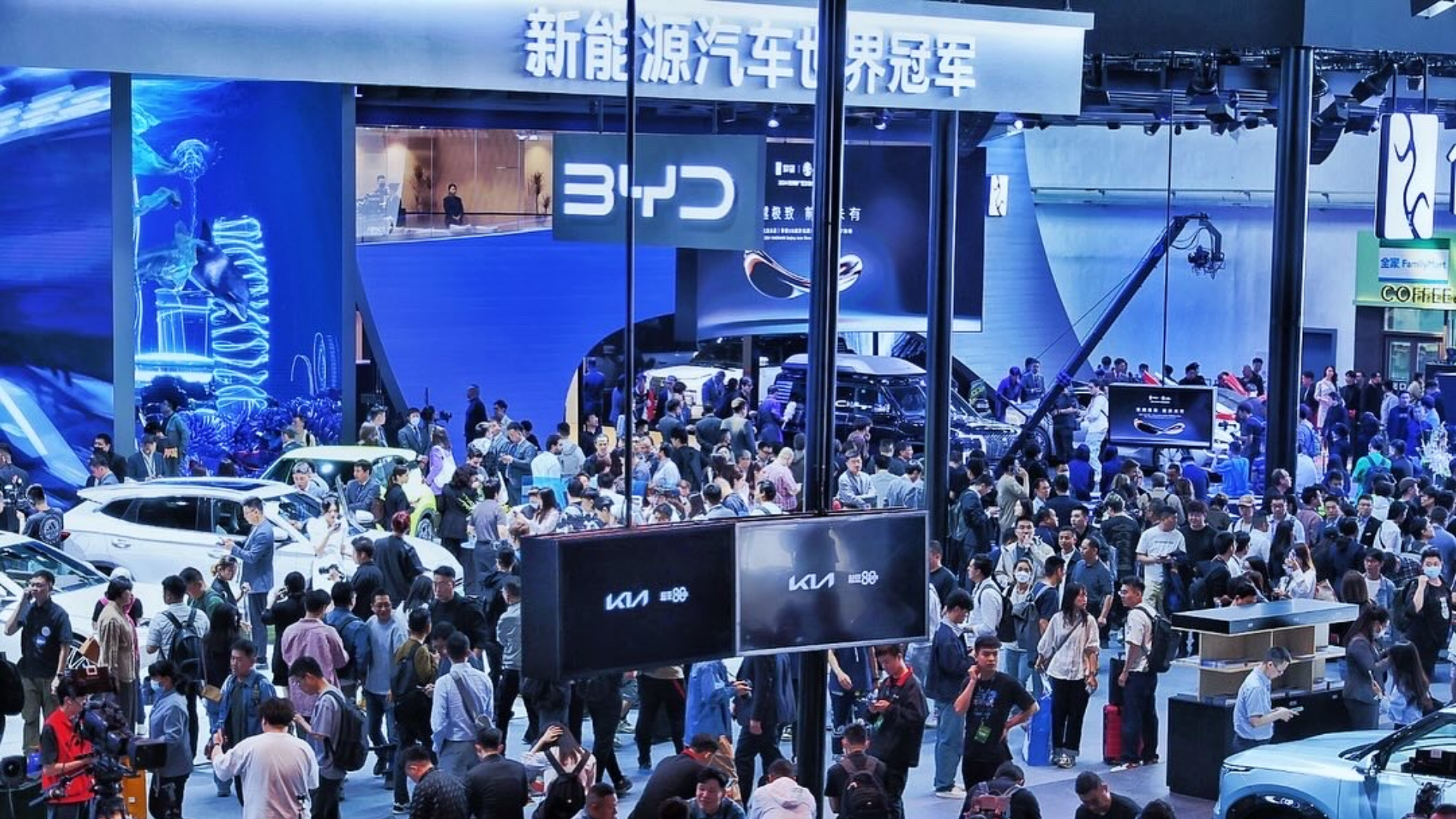
With the end of the Frankfurt Motor Show, for decades the largest in the world, Beijing and Shanghai grew and today there is nothing that compares. Auto China 2026 has been expanded to almost 400,000 m² in the country’s capital and ends after 10 days, on May 3.
The Chinese overcame the inspiration phase, hired several of the best designers in the world and advanced the design of electric and hybrid cars. Even in combustion engines they started to surprise. The era of Western copies has come to an end, and today proprietary technology reigns.
The verticalization of production was one of the major factors in this Chinese success, a strategy that was not well regarded by Western competitors — especially by metalworkers’ unions. However, due to the lack of unions and strikes in the country, the expansion was quite rapid.
By 2025, the light and heavy vehicle market had reached nearly 35 million units, more than double that of its biggest competitor, the United States.
However, the installed capacity in China exceeds 50 million units annually, distributed by an estimated 100 brands – something unsustainable. Several should disappear.
In Europe, there is less resistance, and production of Chinese origin is accepted with some restrictions. BYD, for example, has just applied for membership in ACEA (Association of European Automobile Manufacturers, in its French acronym). It is not yet known if it will be welcomed, because the entity houses basically European brands.
And here in Brazil?
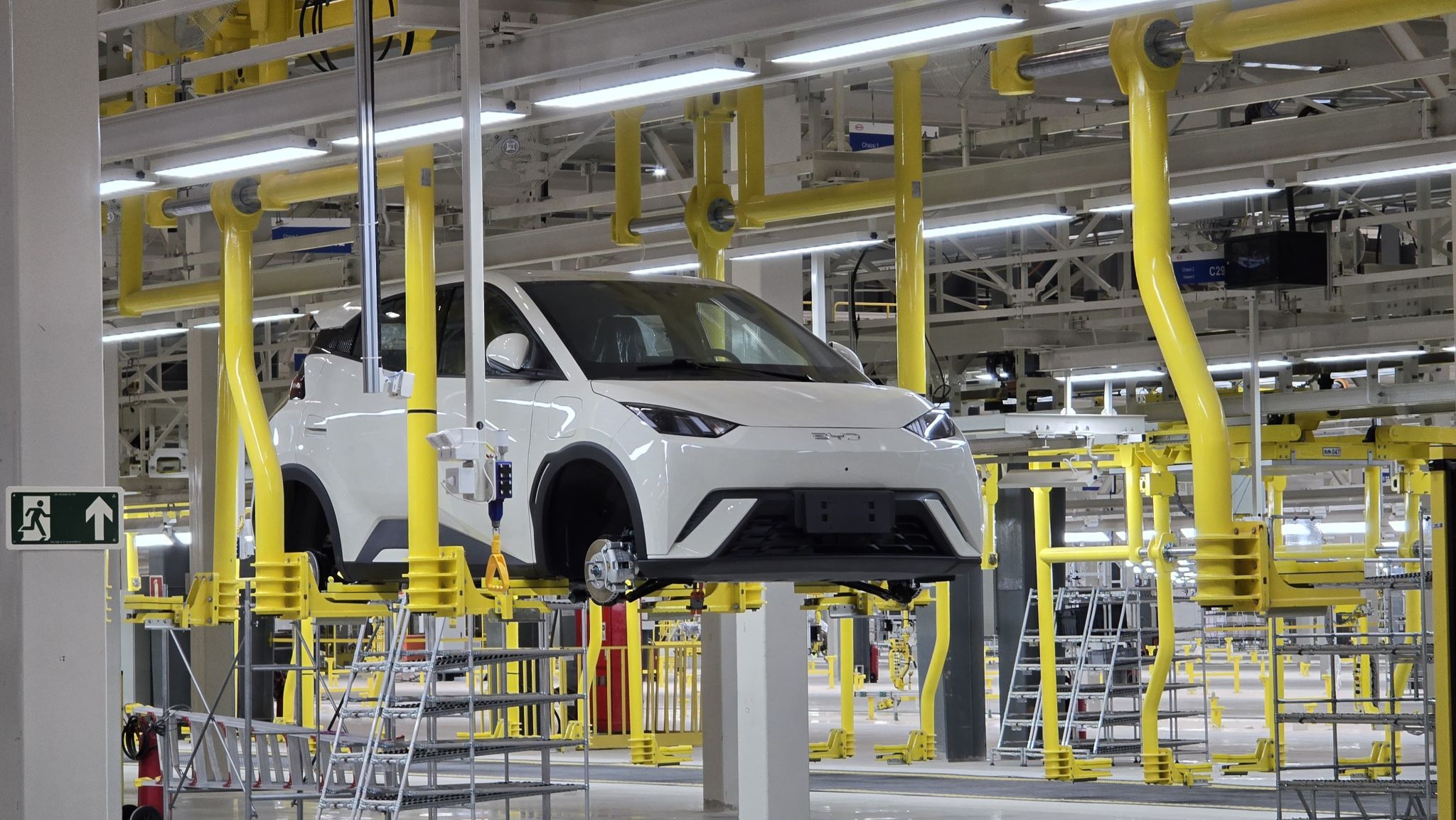
The most famous brands in the country already sell here, and some even have a production line, as is the case with BYD and GWM.
BYD’s factory in Brazil is located in Camaçari, Bahia (Photo: AutoPapo | Eduardo Rodrigues)
Below, some of the models considered by AI to arrive soon with a focus on the Brazilian market:
BYD Song Pro (facelift): new Dragon Face language, scheduled for release here next June;
Arcfox T1: BAIC’s electric compact SUV, direct rival of the BYD Dolphin;
MG 4 Urban: compact electric hatch;
GWM Ora 5: electric medium SUV with a focus on value for money;
IM Motors (SAIC Group): luxury electric brand to be confirmed for the Brazilian market.
And it doesn’t stop there: Omoda & Jaecoo has confirmed the installation of a factory in Brazil to produce locally, with operations scheduled to start between mid-2026 and 2027. In addition to these, only the future will tell who else will come from the other side of the world to the Brazilian lands.
Comments are the sole responsibility of their authors and do not represent the opinion of this site. Comments containing profanity or offensive language will not be published. If you identify anything that violates the terms of use, please report it.