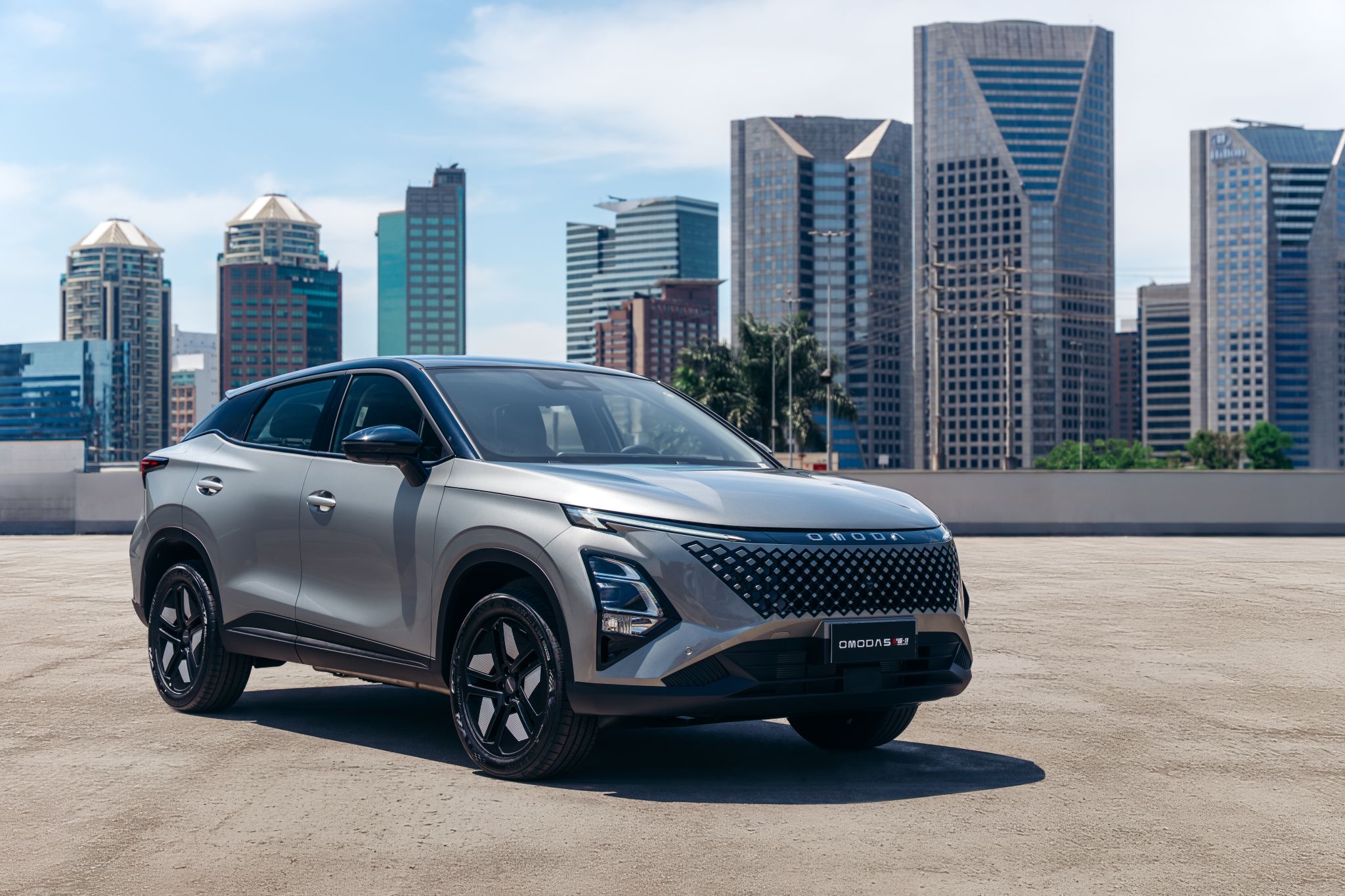
Have you noticed that practically all launches of Chinese hybrid or combustion cars have 1.5 engines? This is not a coincidence or component sharing.
The reason for this is the way cars are taxed in China. The rate is determined on the volumetric displacement of the engine and there are seven different ranges. Electric or fuel cell models are exempt.
Car taxation in China is in ranges of 500 cm³, with the lowest being below 1 liter. The popular 1.5 engines collect only 3% taxes. See how combustion vehicles are taxed there:
Displacement
Tax rate
Engines up to 1.0
1%
Engines from 1.0 to 1.5
3%
Engines from 1.5 to 2.0
5%
Engines from 2.0 to 2.5
9%
Engines from 2.5 to 3.0
12%
Engines from 3.0 to 4.0
Tax 25%
Engines above 4.0
40%
Advances in electrification and betting on plug-in hybrid cars helped this popularization of 1.5 engines in China. With the electric motor making most of the effort to drive the vehicle, the gasoline engine ends up acting less or stays as a generator.
That’s why we see large SUVs weighing more than two tons bringing a 1.5 engine. Some larger cars that weigh close to three tons, such as the Jetour G700, already have 2.0 engines.
Units over 2 liters are a rarity in the Chinese market. One of the exceptions is GWM’s 3.0 twin-turbo V6, adopted in the Tank 500 and 700 jeeps. The brand is also developing a 4.0 V8 for a super sports car.
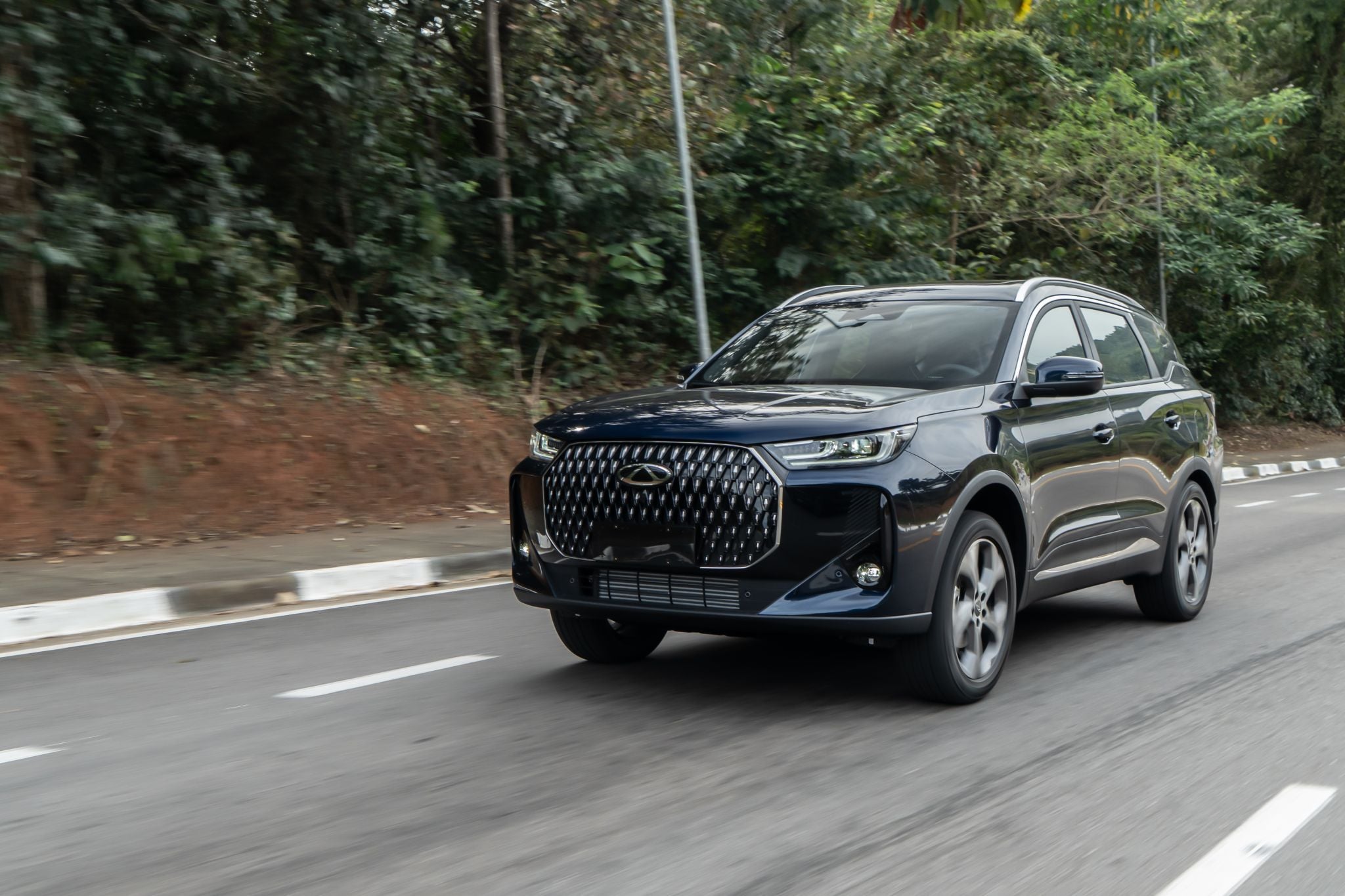
Chery’s 1.6 turbo is used only for exports and does not exist in the Chinese domestic market (Photo: Caoa Chery | Disclosure)
This peculiarity of the Chinese market influenced manufacturers from other countries. Volkswagen, for example, made a VR6 2.5 turbo just for the Chinese market with power similar to that of the aspirated 3.6.
There are also examples of the opposite: Chery’s 1.6 turbo engine, which we have in the Tiggo 7 and 8, is used only in export cars and without the aid of hybrid systems. For the Chinese domestic market, the brand adopts the 1.5 or electrified sets.
Chinese brands have introduced new engines that seek thermal efficiency of up to 40%, to make their hybrids even more efficient. And, of course, they are all 1.5.
Comments are the sole responsibility of their authors and do not represent the opinion of this site. Comments containing profanity or offensive language will not be published. If you identify anything that violates the terms of use, please report it.