China’s auto industry is a colossus that sells 34 million vehicles a year in its home market alone. In addition, it exports to practically all over the world. But the dragon doesn’t just want to export, it wants to produce outside the home, using the kits it produces in droves in China. And Brazil has become a kind of migratory route for the land marks of pandas.
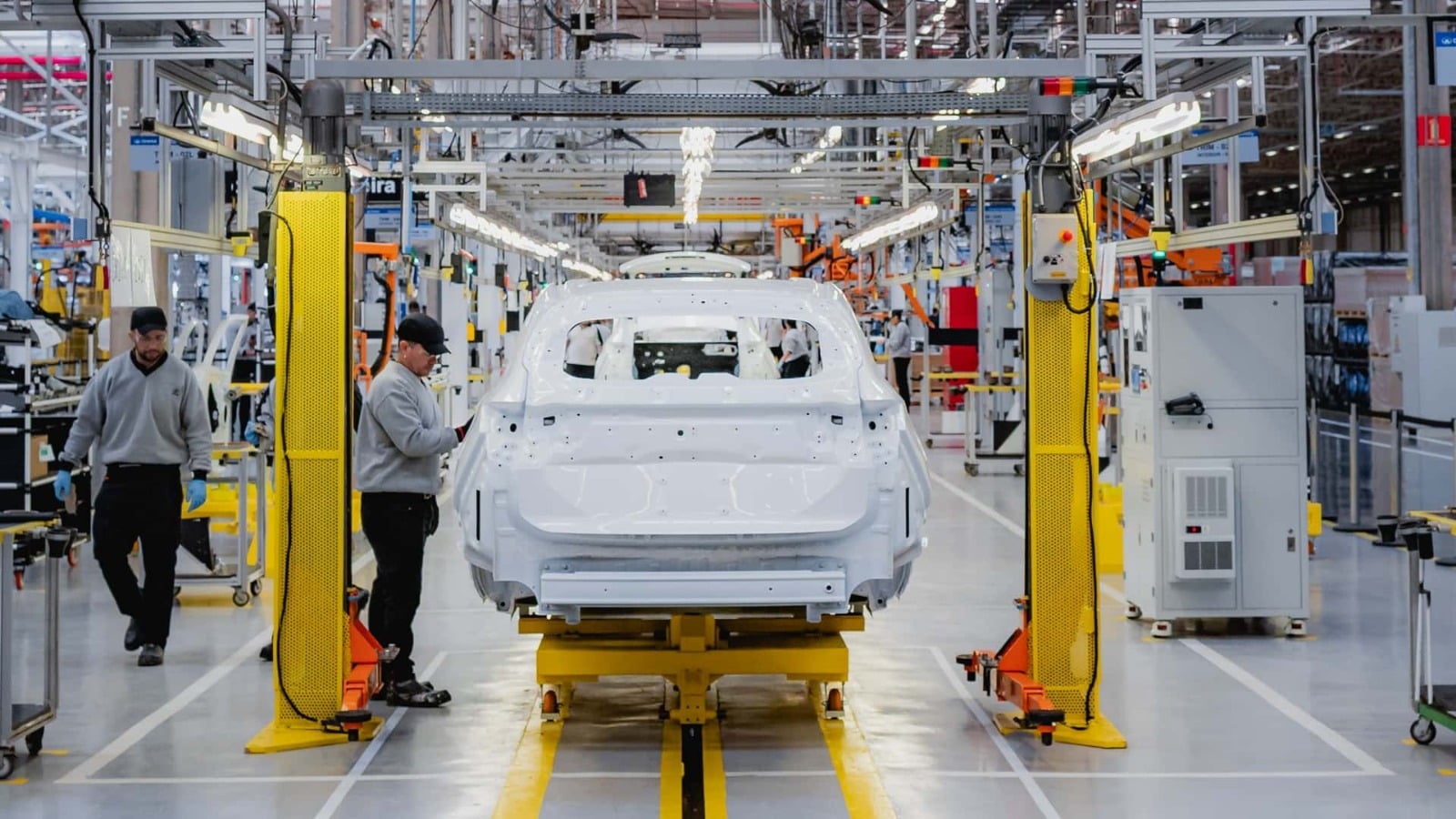
And one strategy adopted is to take advantage of facilities of manufacturers that already operate in Brazil, making use of the CKD and SKD regimes. These are production models that use kits imported from the headquarters. They arrive here and are just assembled, as if they were a big Lego.
In an interview with Jovem Pan News, on April 30, the president of the Federation of Industries of São Paulo (Fiesp), Paulo Skaf, made clear his concern about this model and especially the lobby for tax incentives.
“Foreign investment that comes to Brazil and generates jobs, pays taxes, brings technology, is welcome. Now, bring a semi-ready business, ask for incentives and compete with the local industry. Then you have internal dumping. Assembling a Lego is one thing. To really industrialize is another,” he says.
In fact, Chinese industry benefits from tax benefits for production, since state banks offer money at almost negligible rates, among other resources that make production much cheaper than in other markets. Thus, bringing these “cheap” kits for final assembly in Brazil is something that directly impacts the rest of the industry.
Reduced workstations
The Association of Automotive Vehicle Manufacturers (Anfavea) estimates that CKD can reduce the need for labor by 70% to 80%, compared to the conventional model of manufacturing a car. In other words, there is a latent concern that the practice could compromise jobs in Brazil.
We do not believe that CKD or SKD are bad as they serve to test the market with smaller volumes. But Anfavea has always been against SKD and CKD in high volumes. And we do not accept, mainly, tax reductions”, points out the president of the entity, Igor Calvet.
Chinese occupation on the factory floor
On the other hand, the arrival of Chinese “Legos” reduces the idle capacity of many factories that cannot reach healthy levels of production. But Calvet warns: “we have to observe the sophistication of our production. We currently have a production capacity of 4.5 million, but with an estimated production of 2.7 million for 2026. But it is necessary to verticalize production, with welding, painting and stamping. All this matters to sophisticate our production”.
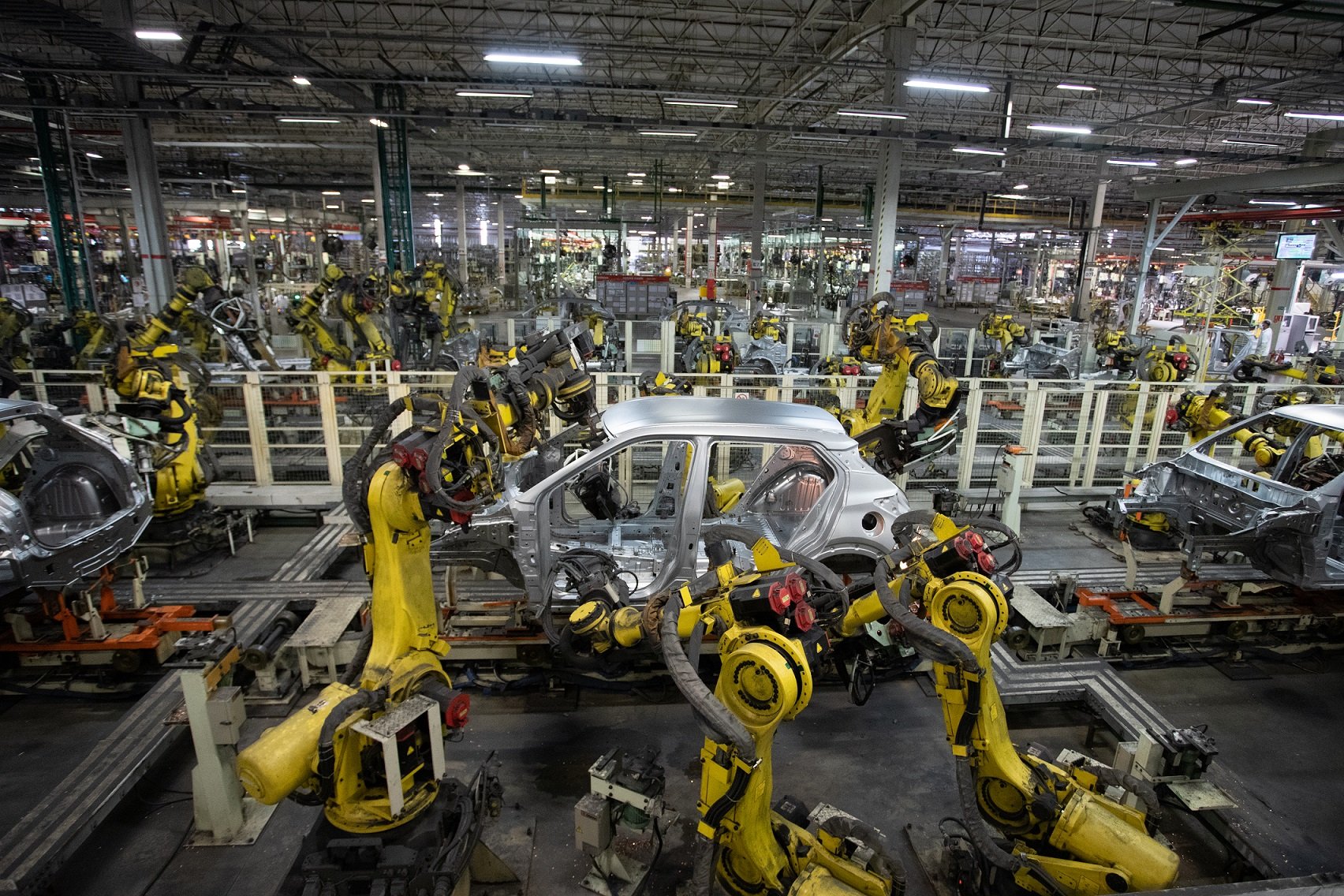
Chinese Dongfeng are eyeing the Nissan plant in Resende (RJ), but Japanese denies assembly line division (Photo: Nissan | Disclosure)
The march of the Chinese has generated announcements, but also noise. One of the most recent announcements is from Dongfeng, which is one of the oldest manufacturers operating in China, and which confirmed its debut in Brazilian lands. But he arrived warning that he would produce and not just export.
To do so, it would use the idle capacity of the Nissan plant in Resende (RJ) to assemble its models. The two are long-time partners (abroad), which would have facilitated the sewing of the agreement. It is a fact that Nissan operates below its installed capacity, but the Japanese company, in turn, denies any agreement. An executive from Nissan’s Brazilian subsidiary revealed that it would be: “a search for media”.
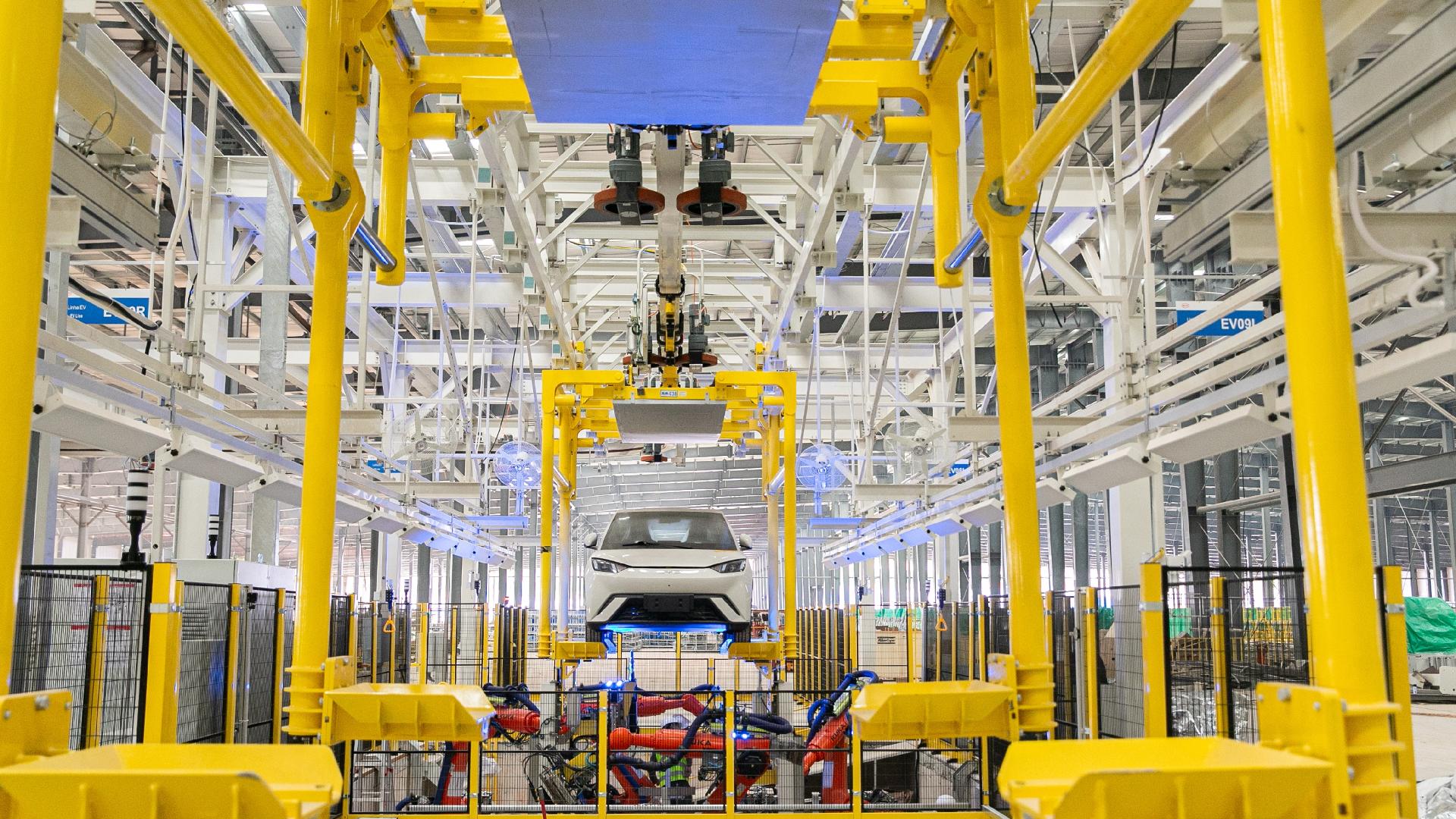
Even so, according to Dongfeng executives, the brand should start its operations (as a manufacturer) with the Box model, an electric compact hatch, which competes in the segment dominated by the BYD Dolphin. And speaking of BYD Dolphin, the brand also resorted to the strategy of looking for an infrastructure already assembled, when it bought the Ford plant in Camaçari (BA), although it is building new buildings to occupy with its line.
BYD acquired the old Ford facilities in Camaçari (BA) to build the line from which models such as the Dolphin Mini come out (Photo: BYD | Disclosure)
Factories and more factories
The same script was followed by GWM, which acquired the Mercedes-Benz assembly line in Iracemápolis (SP), and today produces the Haval H6, Haval H9 and the Poer P30 pickup. But the plan to use ready-made facilities accelerates the process of “nationalization” of the manufacturing process, since time is reduced with infrastructure works, which can drag on the inauguration of a factory, since from the laying of the cornerstone to the cutting of the ribbon, there are at least four years of works.
However, the old Mercedes plant does not seem to be enough. The Baoding brand will build a second factory in Aracruz (ES), with an eye on exports to the rest of the Latin market. An executive pointed out that the port infrastructure was fundamental for the choice of location. “They have a port with the deepest draft in the country (25 meters), which facilitates maneuvers by stork ships,” he commented.
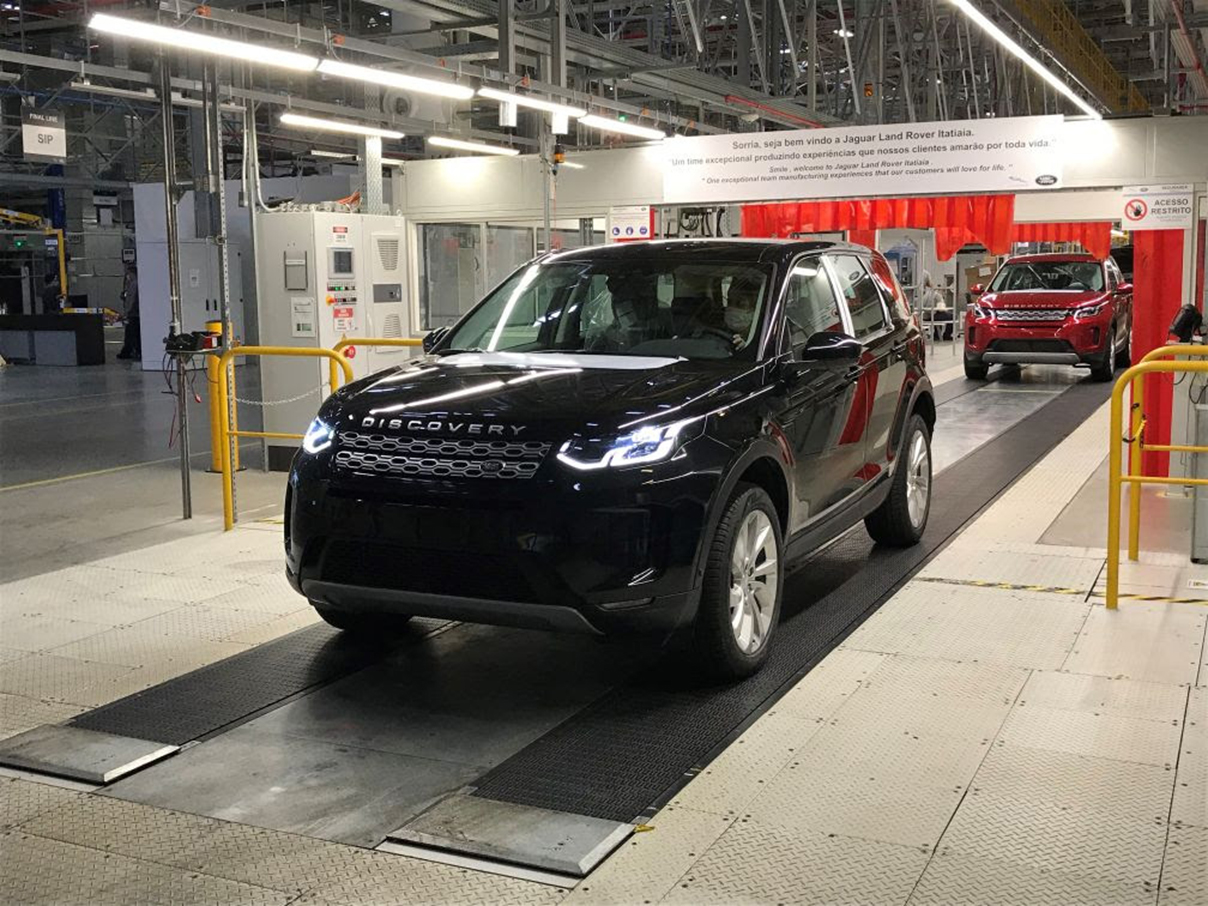
On the verge of closure, the Jaguar Land Rover plant in Itatiaia (RJ) was bought by Omoda & Jaecoo (Photo: JLR | Disclosure)
In addition, there is a tailwind for Chinese brands: the supply of idle factories in Brazil. One of them is the Jaguar Land Rover plant in Itatiaia (RJ), close to the Nissan factory. The line was built in the 2010s, as a result of the Inovar-Auto program, and will be taken over by Omoda & Jaecoo.
The plant was ready in 2016, at a cost of R$ 750 million (at the time). Something close to R$ 1.2 billion in updated values. With an installed capacity of 24 thousand units, the plant has never been able to assemble more than 3 thousand cars. In 2025, only 757 units of the Discovery Sport and Evoque models rolled off the assembly line.
For the British, the sale came at an excellent time, as well as for the Chinese, who arrive with a good part of the work advanced, basically leaving the replacement of machinery and tools.
Chinese CKD in the Midwest
But it is not only the idle plants in Rio de Janeiro that have attracted the attention of Chinese brands. In March, HPE Motors closed an agreement with GAC. The company that for many years produced Mitsubishi and Suzuki models at the Catalão (GO) plant will now give way to the Chinese one, which made its debut in 2025. HPE currently operates at about 1/4 of its capacity, which is 120 thousand units annually.
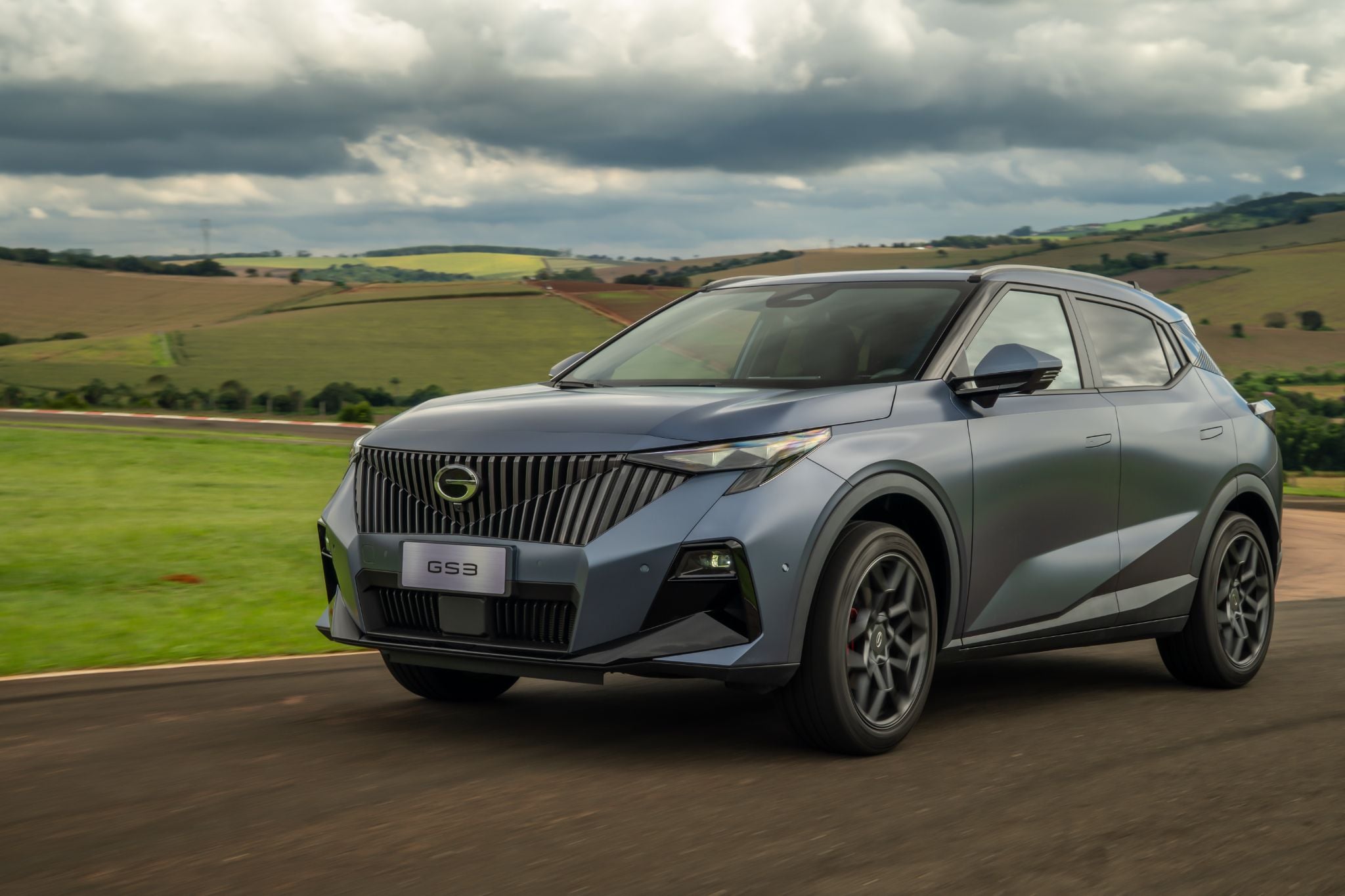
GAC wants to reach the volume of 100 thousand units per year of GS3 by 2030 at the HPE Motors plant in Catalão (GO) (Photo: GAC | Disclosure)
GAC will assemble the GS3 compact SUV, which was recently launched on the market, starting in 2027. Unlike most Chinese who arrive here, the model arrives equipped with a 1.5 turbo engine with 170 hp. The expectation is to start local assembly, under the CKD regime, with a capacity of 50 thousand, but to scale to 100 thousand by 2030, practically filling the entire capacity of the facility.
In this context, there is still room for Caoa, which assembles Chery models in Anápolis (GO). With the end of the partnership with Hyundai, the group also started to assemble Changan models. The Uni-T is the brand’s first with local production.
Shared assembly lines
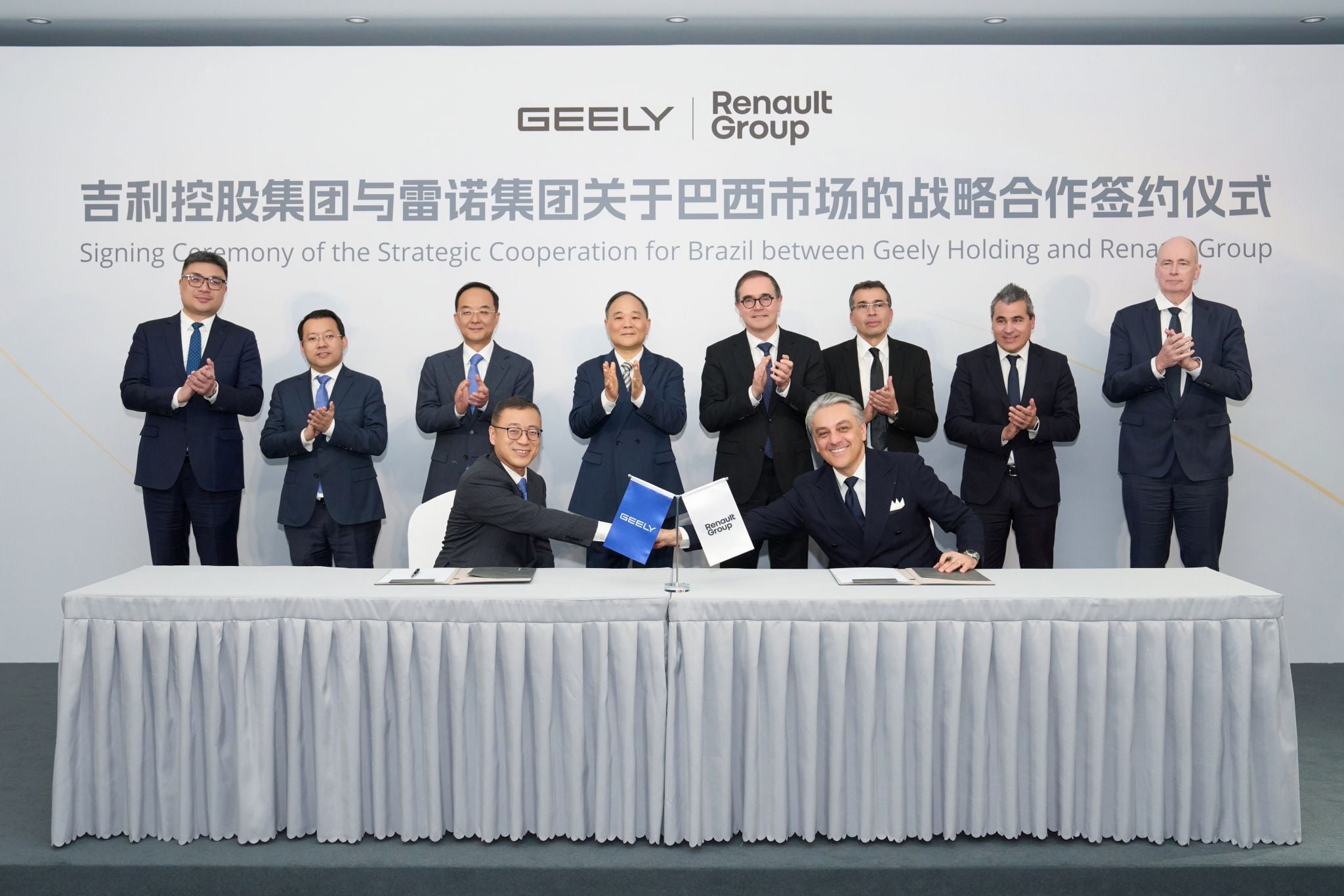
With so many Chinese brands landing to assemble cars locally, manufacturers already in place are also looking for a way to compete with them. Geely bought 26.5% of Renault do Brasil and now has access to the plant in São José dos Pinhais (PR) for Geely.
The partnership between the French and Chinese is for the production of Mandarin brand cars in Brazilian territory, but also for the supply of components for future electrified Renault models.
Hand in hand, Geely and Renault will unite and marriage has reached Brazil, with the acquisition of 26% of the plant in Paraná (Photo: Geely | Disclosure)
Stellantis, which is a partner of Leapmotor, will start producing the C10 and B10 models, at the Goiana (PE) unit, from which Jeep, Fiat and Ram models come out. The group wants to attack with the REEV system, which combines a combustion engine and an electric one, and the thermal unit acts only as an electricity generator for the batteries.
General Motors, which is a partner of Wuling, outsourced the assembly of the Spark EV to Comexport, which took control of the former Troller production unit in Horizonte (CE). The Captiva EV will also be assembled at the Ceará unit, starting this year, as well as the EMOVA Easy and EMOVA Urban, from E-Motors Brasil.
‘My factory, my life’
Who is also eyeing a factory “leaning” to call its own is BAIC, the Chinese giant, preparing its debut at the end of the year, but with an eye on local assembly. According to the Autos Segredos portal, the goal is to manufacture in Brazil, under the CKD regime.
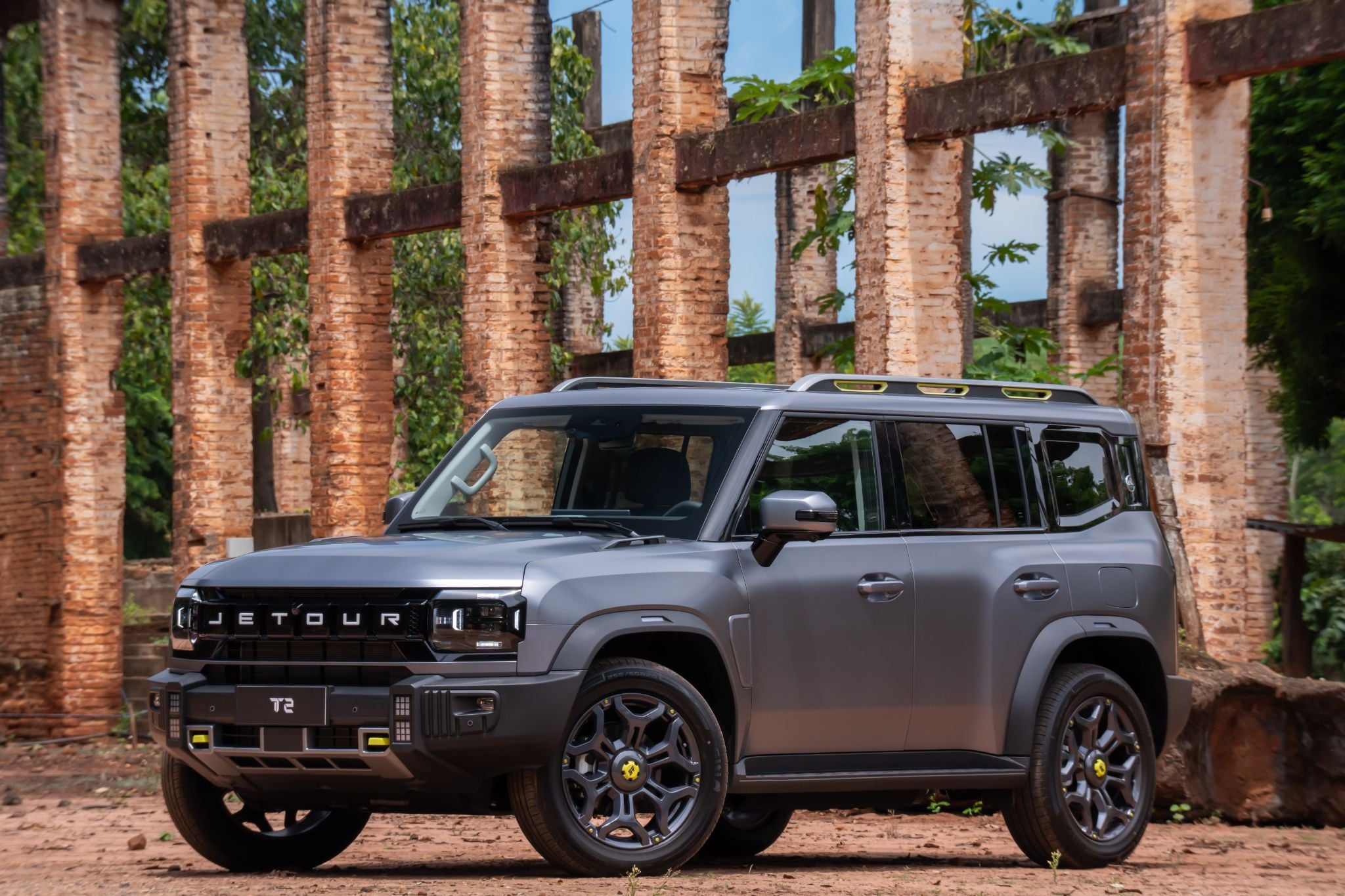
Jetour is looking for a factory to assemble models like the T2, which is already on sale in Brazil (Photo: Jetour | Disclosure)
Jetour, which already sells its SUVs in Brazil, also confirms the local production target, but has not hit the hammer on whether it buys a ready-made factory or whether it will build a brand new one. But it is worth remembering that Caoa has an inactive plant in Jacareí, which may go to auction. The unit was built by Chery, which controls Jetour, in the 2010s, where the Celer and Celer Sedan models were produced. Years later, under the tutelage of Caoa, he began to assemble models such as Tiggo 2 and Arrizo 5.
Comments are the sole responsibility of their authors and do not represent the opinion of this site. Comments containing profanity or offensive language will not be published. If you identify anything that violates the terms of use, please report it.