If you are one of those who don’t care about design and need to get from point A to point B in an affordable, spacious car with low maintenance costs, know that the Renault Logan was one of the first models with this proposal. The compact sedan is one of those vehicles where reason far outweighs emotion.
The model, which was born under the baton of the Romanian Dacia, arrived in Brazil with the Renault emblem. Here, a peculiar category was inaugurated in Brazil: that of compact-medium sedans, that is, compact price, but with space and superior trunk.
With the DNA focused on low maintenance costs and plenty of space, the Renault Logan follows this rationality in the used market. So much so that it has become the darling of families and app drivers.
See now 10 facts about the Renault Logan.
1. How the Renault Logan came about
The Logan was first presented at the Dacia stand during the 2004 Paris Motor Show. The proposal was already clear: to be a low-cost and affordable car.
At the French autoshow itself, the sedan of the Romanian brand belonging to Renault was confirmed by the company for Brazil.
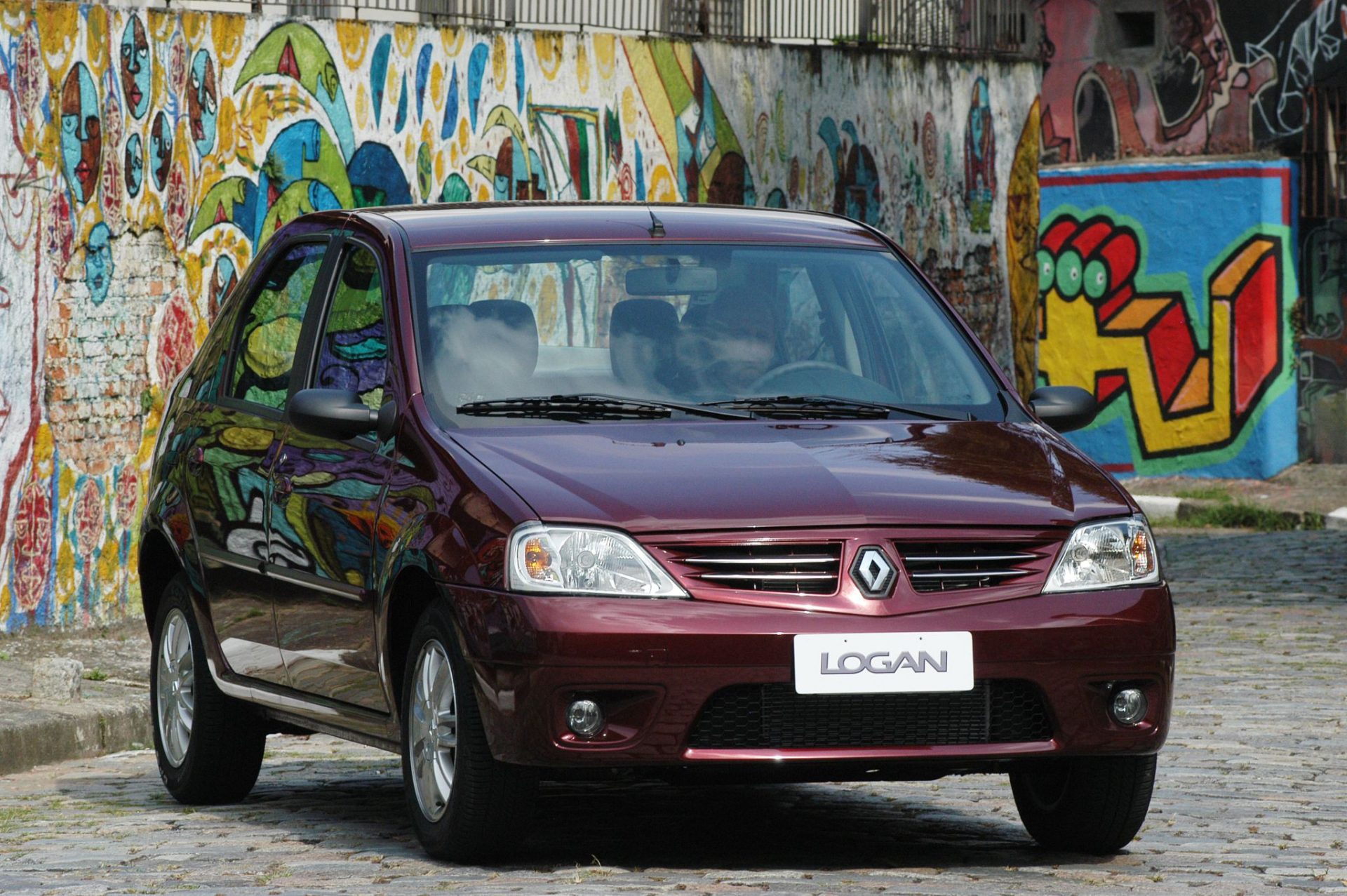
Square lines prioritized interior space
2. Logan divided opinions in Brazil
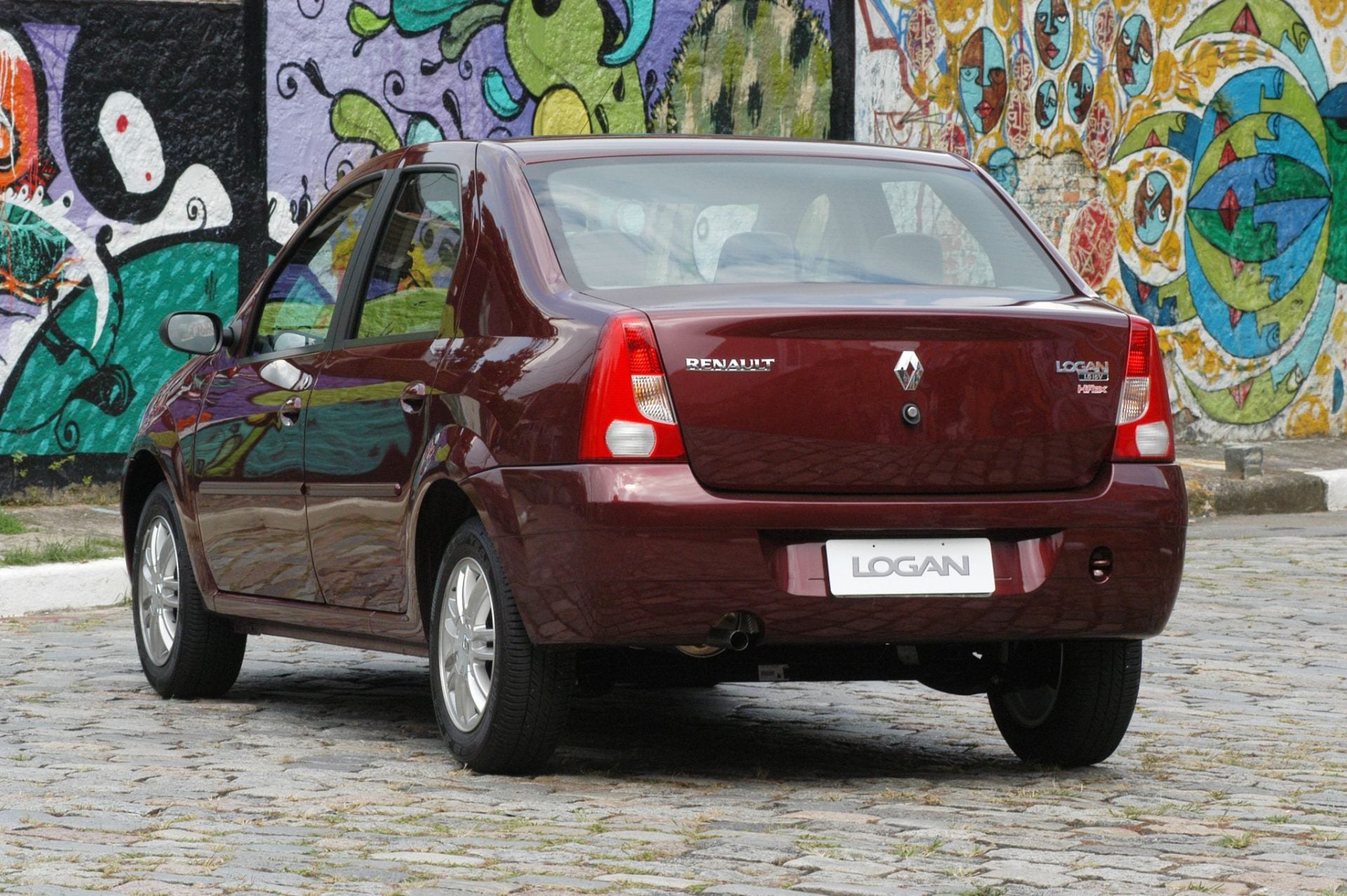
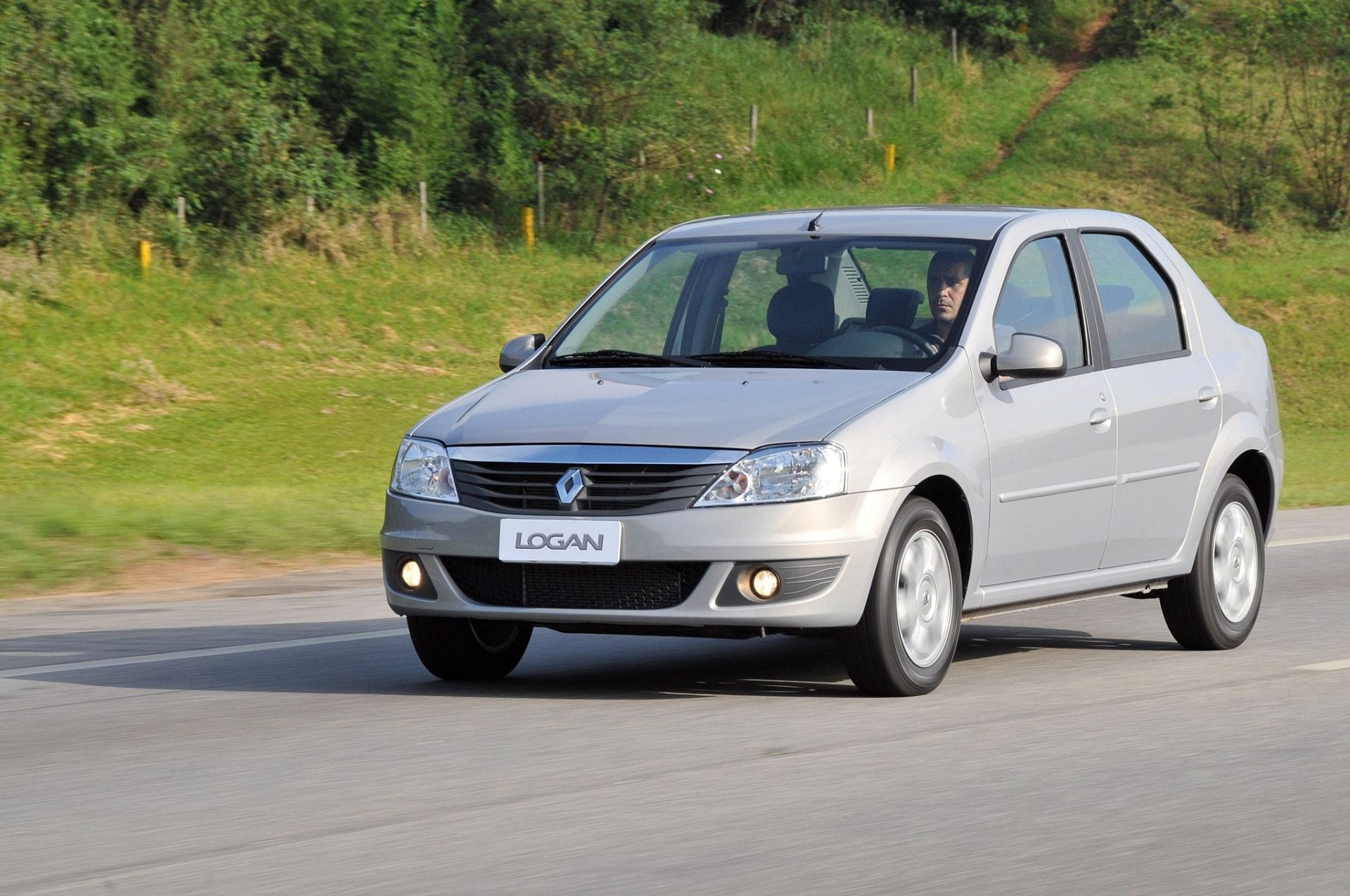
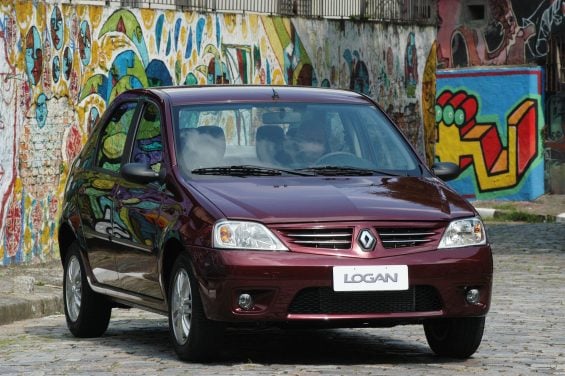
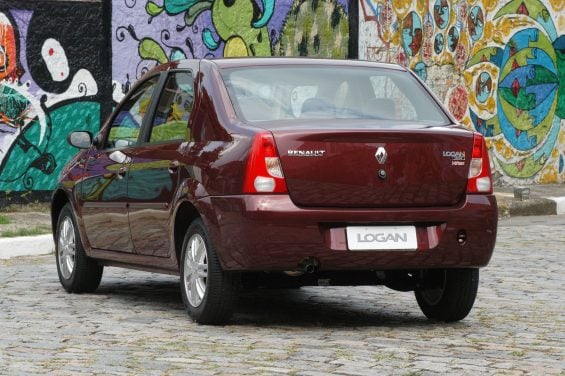
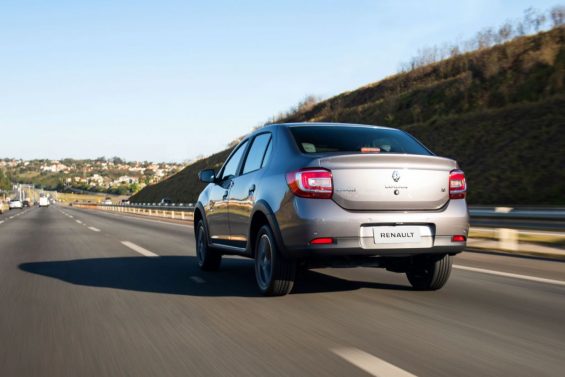
Here, it was launched in 2007 with Renault’s diamond and a look that divided opinions: very straight lines and “boxy” style in the name of production costs. However, what was lacking in elaborate design, it made up for in practicality.
Over the years, the model produced in São José dos Pinhais (PR) on the B0 platform has undergone several updates. The most important:
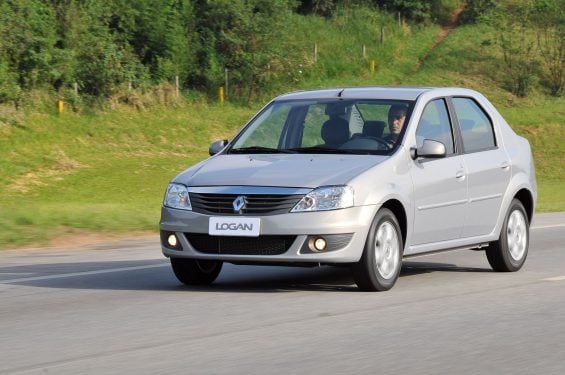
2010: The first restyling softened the lines and brought a slightly younger look
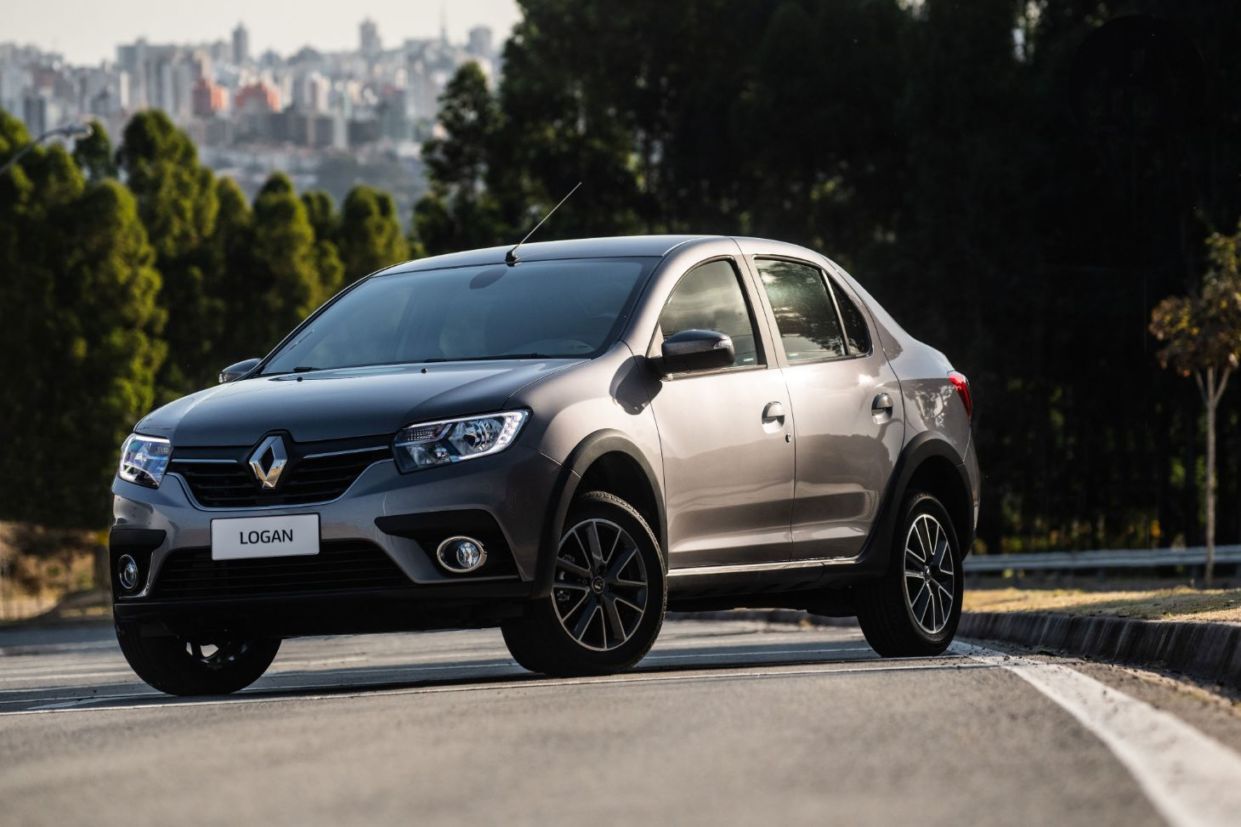
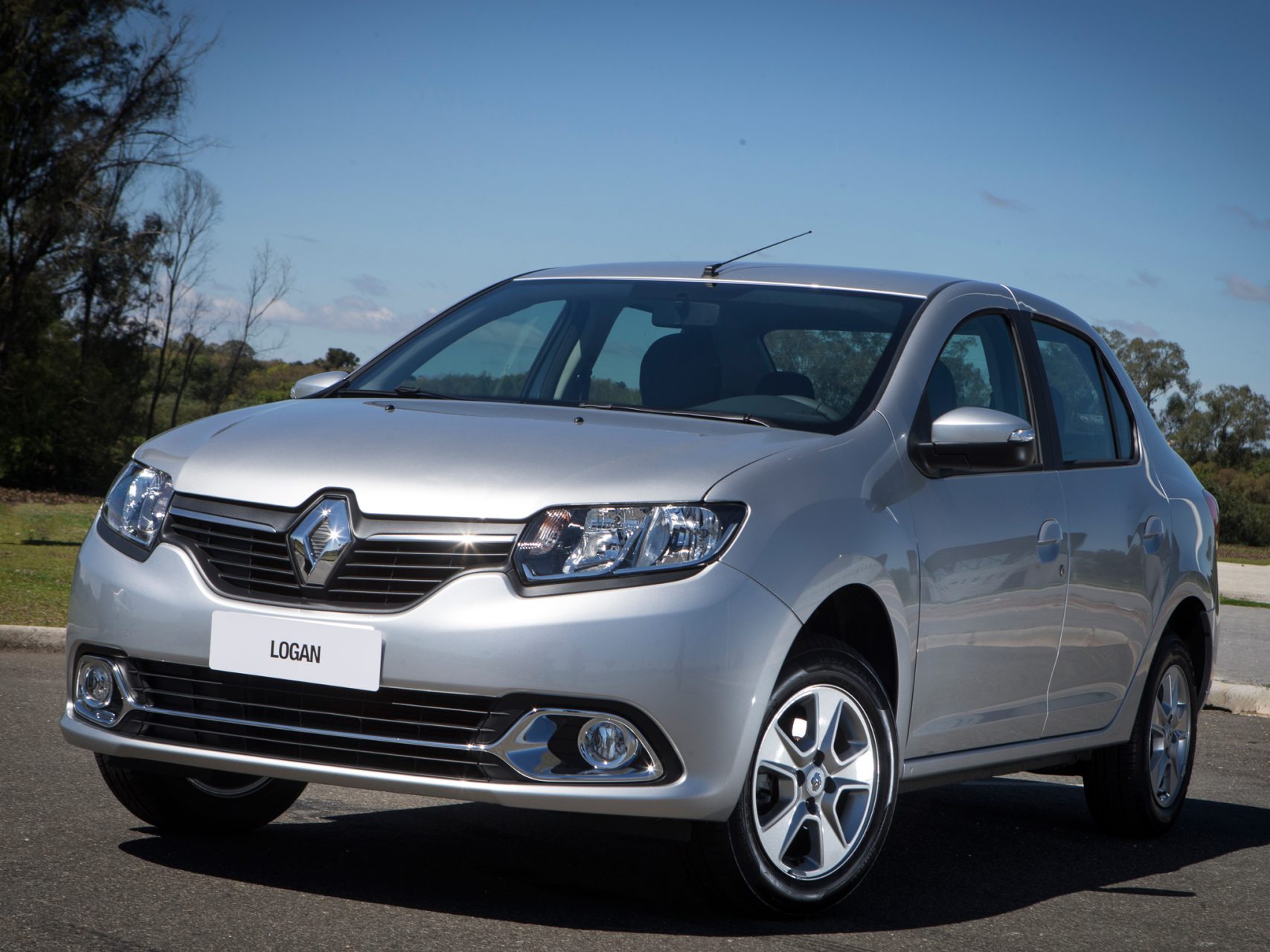
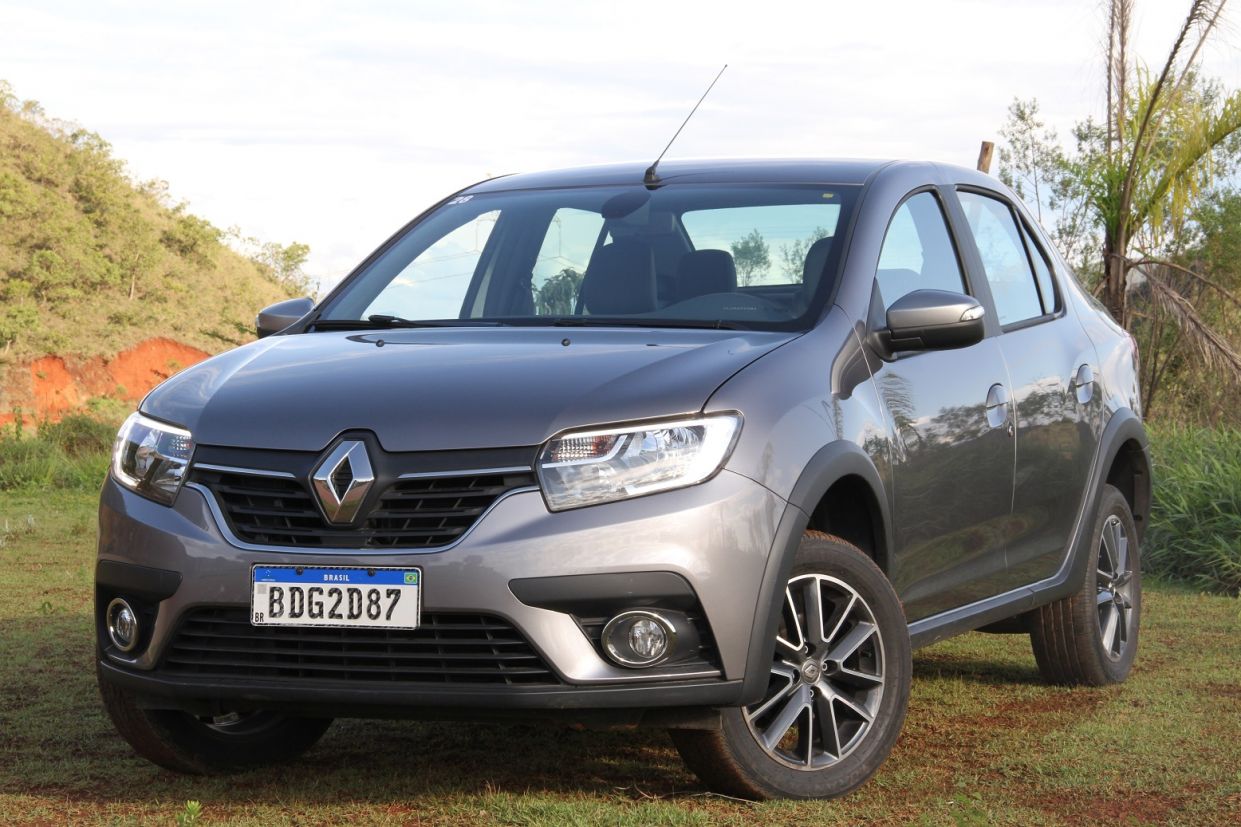
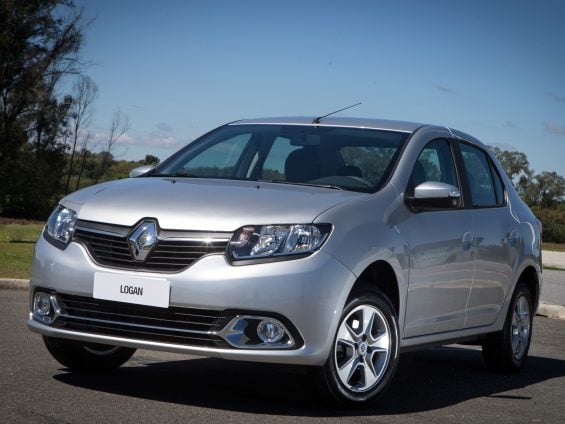
2014: second generation, with the M0 architecture, delivers a more refined and modern design
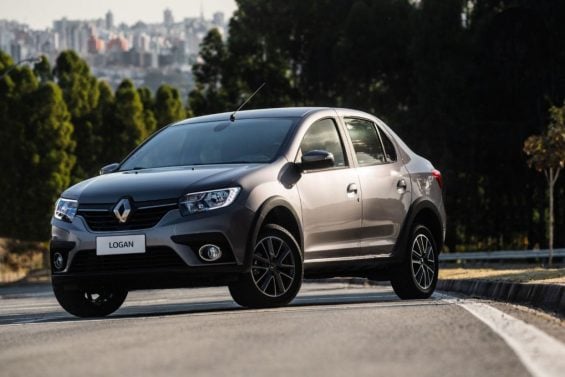
2019: the last big slap in the look brought LED daytime running lights and the long-awaited CVT transmission option
In 2024, the Logan stopped being produced by Renault in Brazil. In 17 years on the market, more than 430 thousand units have been manufactured here.
Square lines prioritized interior spaceAfter criticism, the model underwent a discreet restylingFirst major change was in 2014Logan’s ‘Last Wave’ is the most suitable
3. In the wake of the Renault Logan
The arrival of the Renault Logan stirred up the market. After all, it was a sedan with a compact price, but with a medium wheelbase and a larger trunk compared to the category.
Soon, several rival manufacturers moved. In the early 2010s, General Motors launched the Cobalt, Nissan brought the Versa and Fiat presented the Grand Siena. All with the same logic of rational, spacious and simple sedans.
4. Engines
Throughout its history, the Renault Logan has always used 1.0 and 1.6 engines. But some details under the hood have changed a lot over these almost two decades of history of the three-volume.
The first 16V Hi-Flex engines began to coexist with the robust 1.6 8V Hi-Torque (famous for its power at low revs) soon after its launch in 2007. Later, the 1.6 16V was discontinued and returned as an option, while the 8V had its power increased.
But the big turning point came in 2016 with the SCe line. The 1.0-liter three-cylinder engine and the four-cylinder 1.6 16V delivered much more energy efficiency and breath to the sedan. And even smoother running.
Check out the available engines and Renault Logan numbers:
1.0 16V (until 2016)
Power: 77/76 hp at 5,850 rpm
Torque: 10,1/9,9 kgfm at 4,300 rpm
1.6 8V (until 2012)
Power: 95/92 hp at 5,250 rpm
Torque: 14,1/13,7 kgfm at 2,850 rpm
1.6 8V (from 2013 to 2016)
Power: 106/98 hp at 5,250 rpm
Torque: 15,5/14,5 kgfm at 2,850 rpm
1.6 16V (until 2009 and from the 2012 line as an option until 2016)
Power: 112/107 hp at 5,750 rpm
Torque: 15,5/15,1 kgfm at 3,750 rpm
1.0 12V (from 2017 to 2024 line)
Power: 82/79 hp at 6,300 rpm
Torque: 10,5/10,2 kgfm at 3,500 rpm
1.6 16V (from 2017 to 2024 line)
Power: 118/115 hp at 5,500 rpm
Torque: 16 kgfm at 4,000 rpm
5. Automatic transmission: what counts and what doesn’t
If you care about comfort and don’t want to know more about a car with a manual transmission, pay attention. In the Renault Logan, prefer the versions with a continuously variable CVT gearbox, launched from 2019.
Yes, it is a “Globo Reporter”-style alert. The first automatic options of the three-volume were with the DP0 gearbox, with only four gears, quite imprecise and which speaks against consumption.
However, avoid even versions equipped with the Easy’R (automated single clutch) transmission. Like its cousins Dualogic, Easytronic and i-Motion, it is known for jerks and complex maintenance. Even manual versions are much safer choices.
6. Space and finish
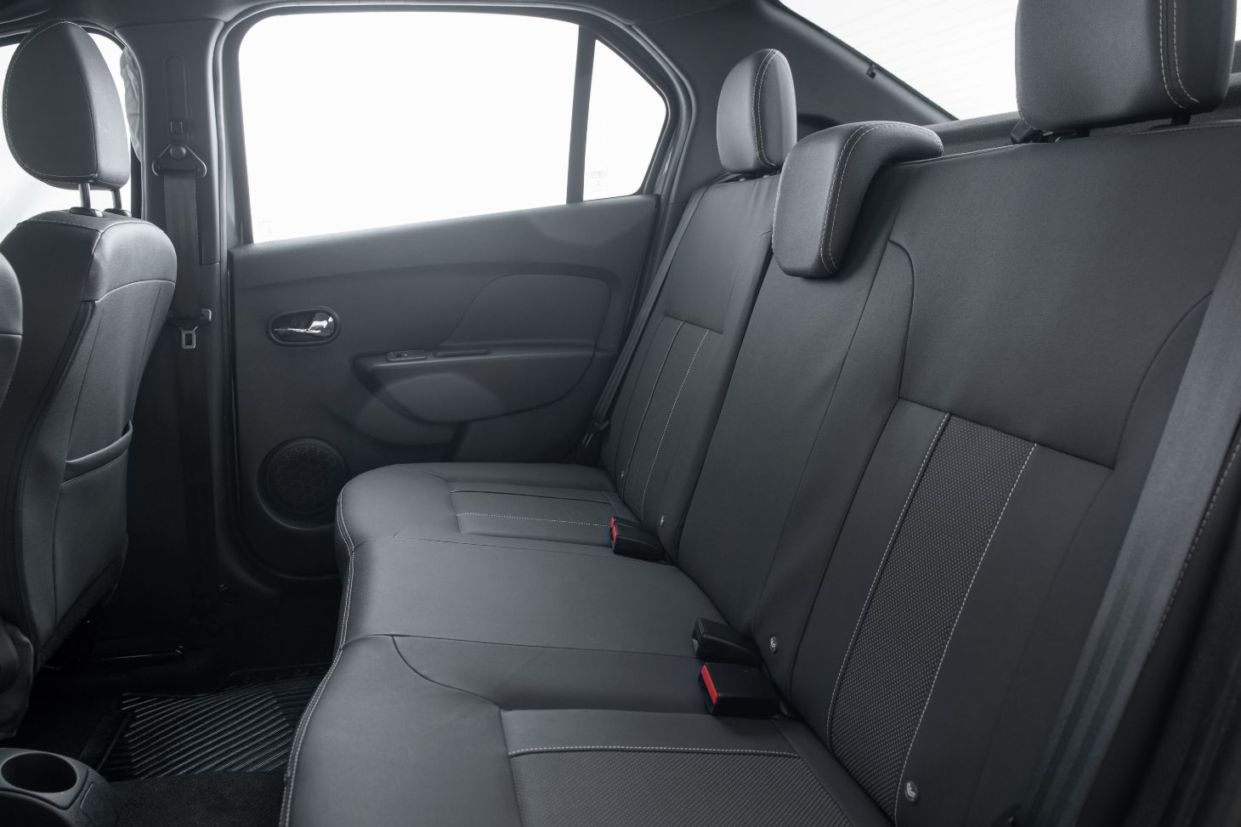
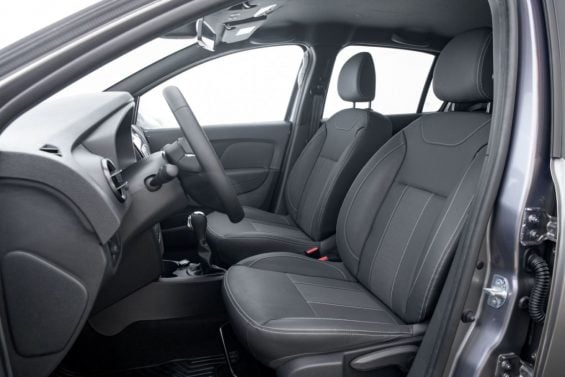
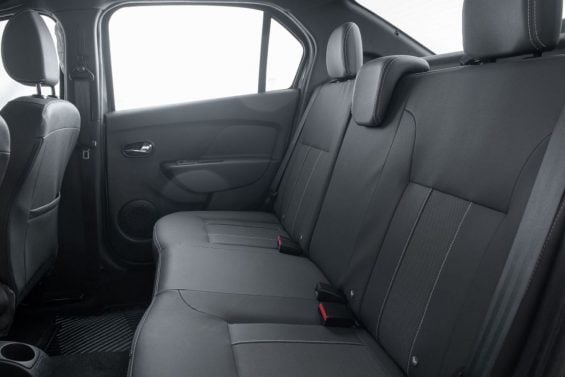
The Renault Logan’s biggest selling point is undoubtedly space. With a wheelbase of 2.63 meters, it left many modern sedans and minivans in the slipper. Three adults travel in the back without excessive tightening, and the 510-liter trunk fits everything and more.
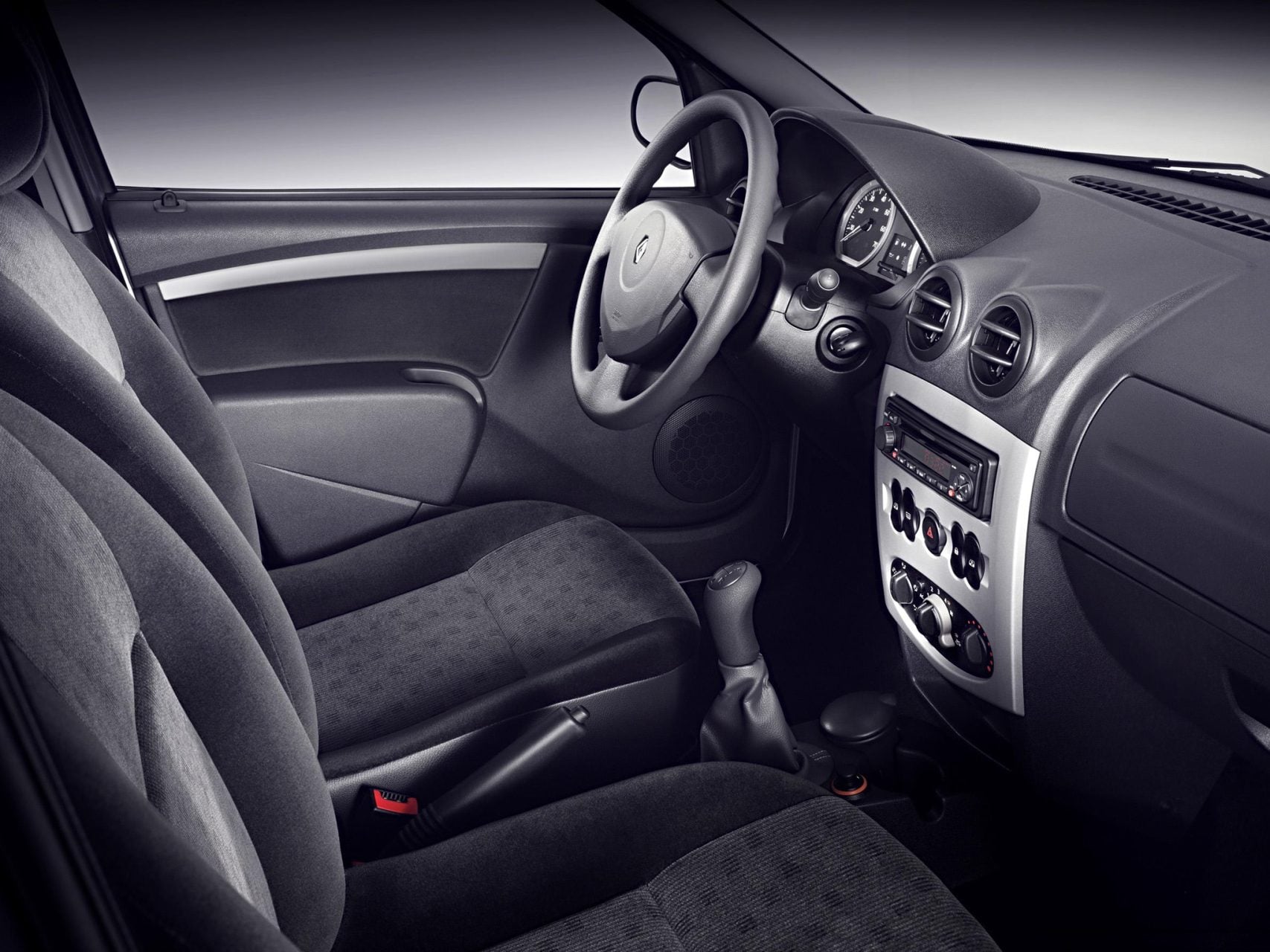
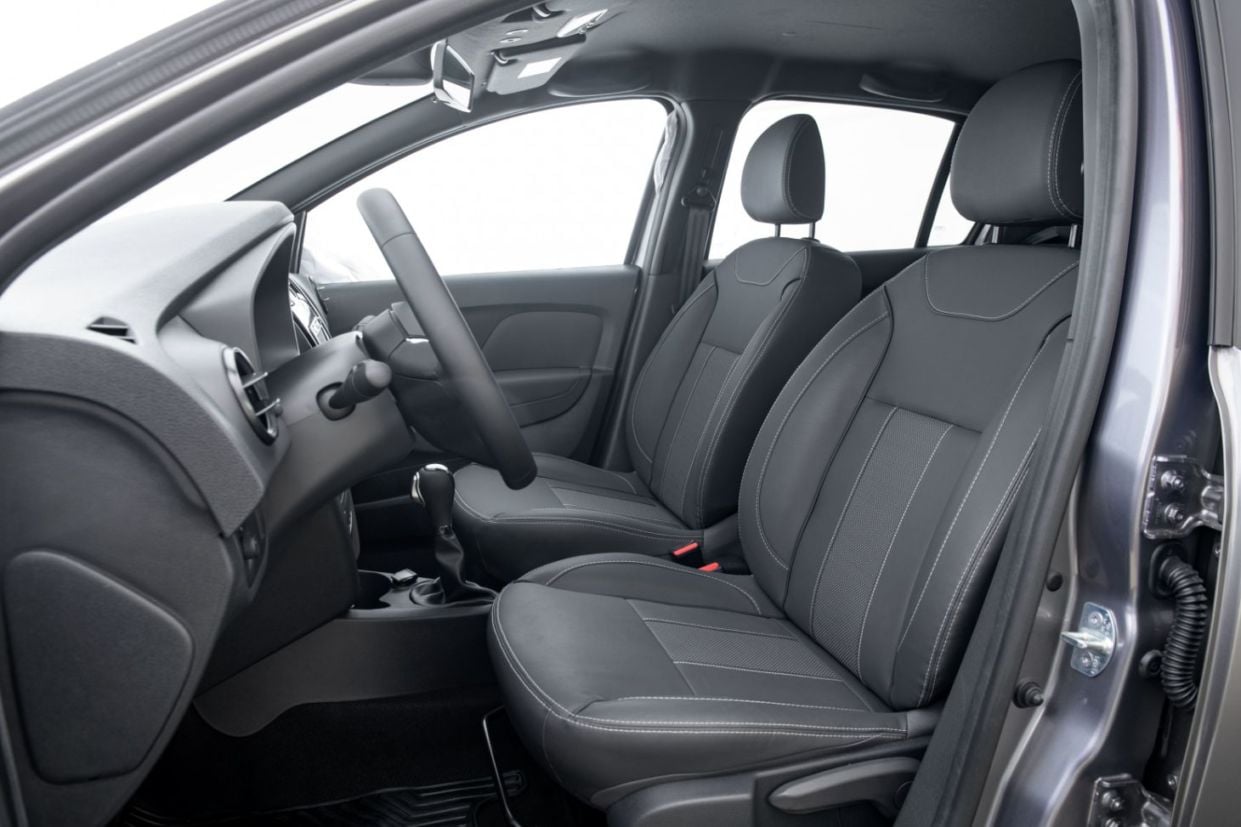
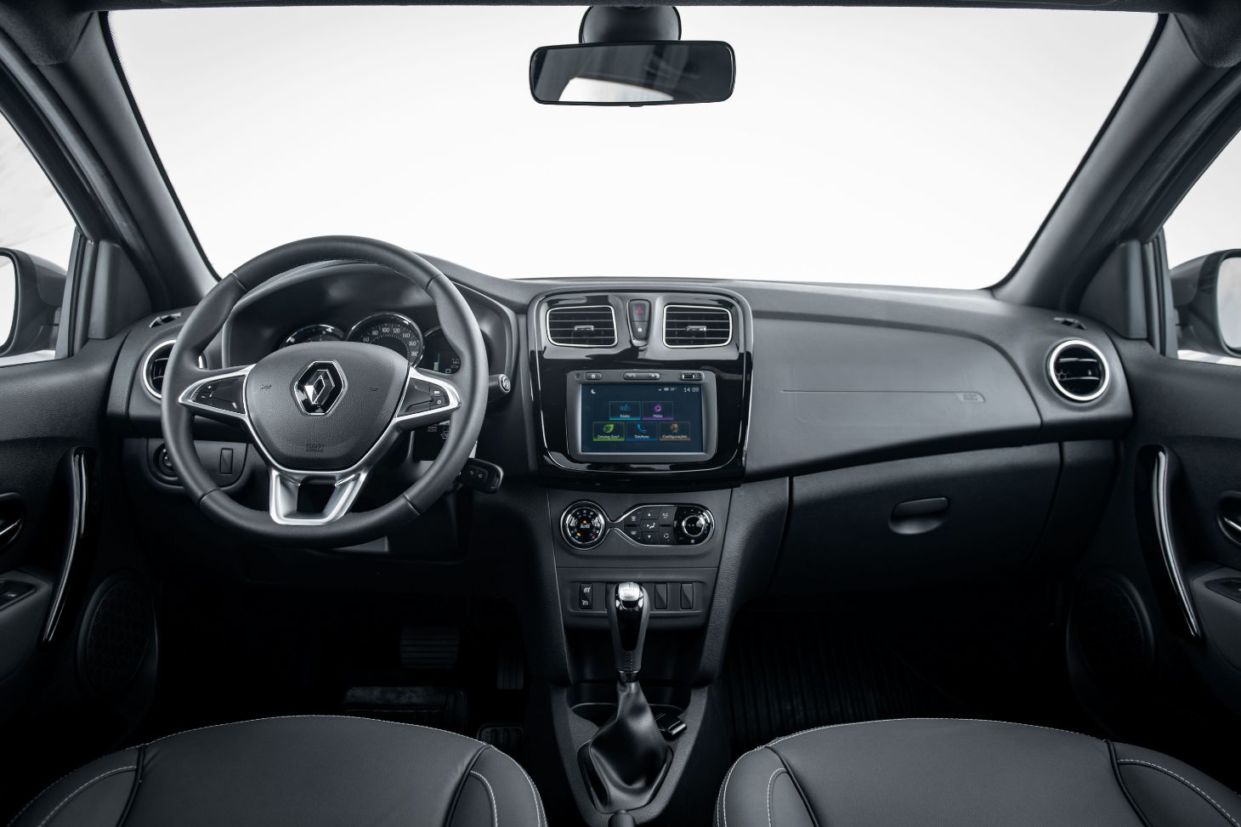
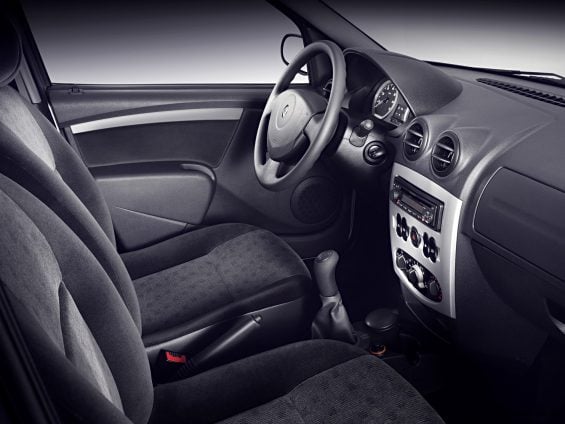
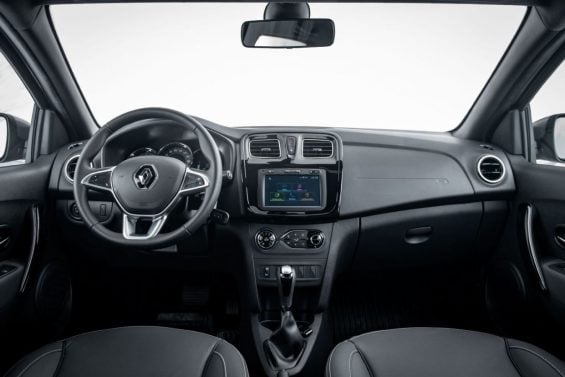
Just don’t expect luxury. The Renault Logan is a low cost car in its essence. In early versions, hard plastic and burrs are common. The finish has improved in the second generation (post-2014), with glossy black details and a multimedia center, but simplicity dictates the rules in the cabin.
7. Driving position
Driving an old-school Renault Logan can be a curious experience. Some drivers report the feeling of “hugging a bear” due to the angle of the steering wheel in relation to the driver’s seat.
Ergonomics also has its sins, such as power window buttons on the center console (corrected after 2010). Fortunately, the newest models (2019 to 2024) have corrected part of these flaws, such as denser seats and a steering wheel with a better grip.
8. Our Renault Logan tip
Let’s go with Renault Logan Iconic year 2020, already from the last wave, with a more modern 1.6 engine and CVT transmission. At KBB Brasil, the model has an Average Reseller Price of R$ 57.363 (calculated in the first week of May 2026).
In terms of safety, it delivers stability and traction controls, ramp climb assistant, four airbags, reversing camera, rear parking sensor, daytime running lights and Isofix for car seats.
Renault Logan Iconic has a good package of standard items (Photo: Alexandre Carneiro | AutoPapo)
At this stage, the Logan also brings the Media Evolution center, with a 7″ screen. Despite being dated, the multimedia system is intuitive, allows connection with Android Auto and Apple CarPlay and has Bluetooth and USB socket.
Completing the Logan Iconic 2020 package are automatic air conditioning, leather seats, light and rain sensors, electric trio, hood supported by a gas spring, engine start stop, folding and split rear backrest, height-adjustable steering wheel and cruise control.
9. Maintenance
Based on the 2020 Logan with SCe engine and CVT transmission, see the prices of some components of the Renault sedan.
Set with four front brake pads: from R$ 210 to R$ 350
Set with four spark plugs: from R$ 120 to R$ 230
Fuel pump: from R$ 350 to R$ 470
Oil change kit (4 liters 10w40 + filter): from R$ 280 to R$ 400
Rear shock absorber (pair): from R$ 450 to R$ 620
Rear bumper: from R$ 300 to R$ 440
Right headlight: from R$ 520 to R$ 800
10. Main problems of the Renault Logan
Testimonials in discussion groups of Logan owners and records on the Reclame Aqui website show that the main criticisms of the sedan fall on the finish. There are many complaints of internal noises and parts that come loose easily in the cabin.
But also keep an eye on the mechanics. Many reports speak of stiffness in the steering and failures in the starter motor. And as for the SCe engines, high oil consumption and throttle body failures.
Comments are the sole responsibility of their authors and do not represent the opinion of this site. Comments containing profanity or offensive language will not be published. If you identify anything that violates the terms of use, please report it.