Localiza’s ‘bet’ may impact the used electric car market
After errors and adjustments in the management of electric vehicles, the rental company expands investments in electrified mobility, with a focus on infrastructure and profitability
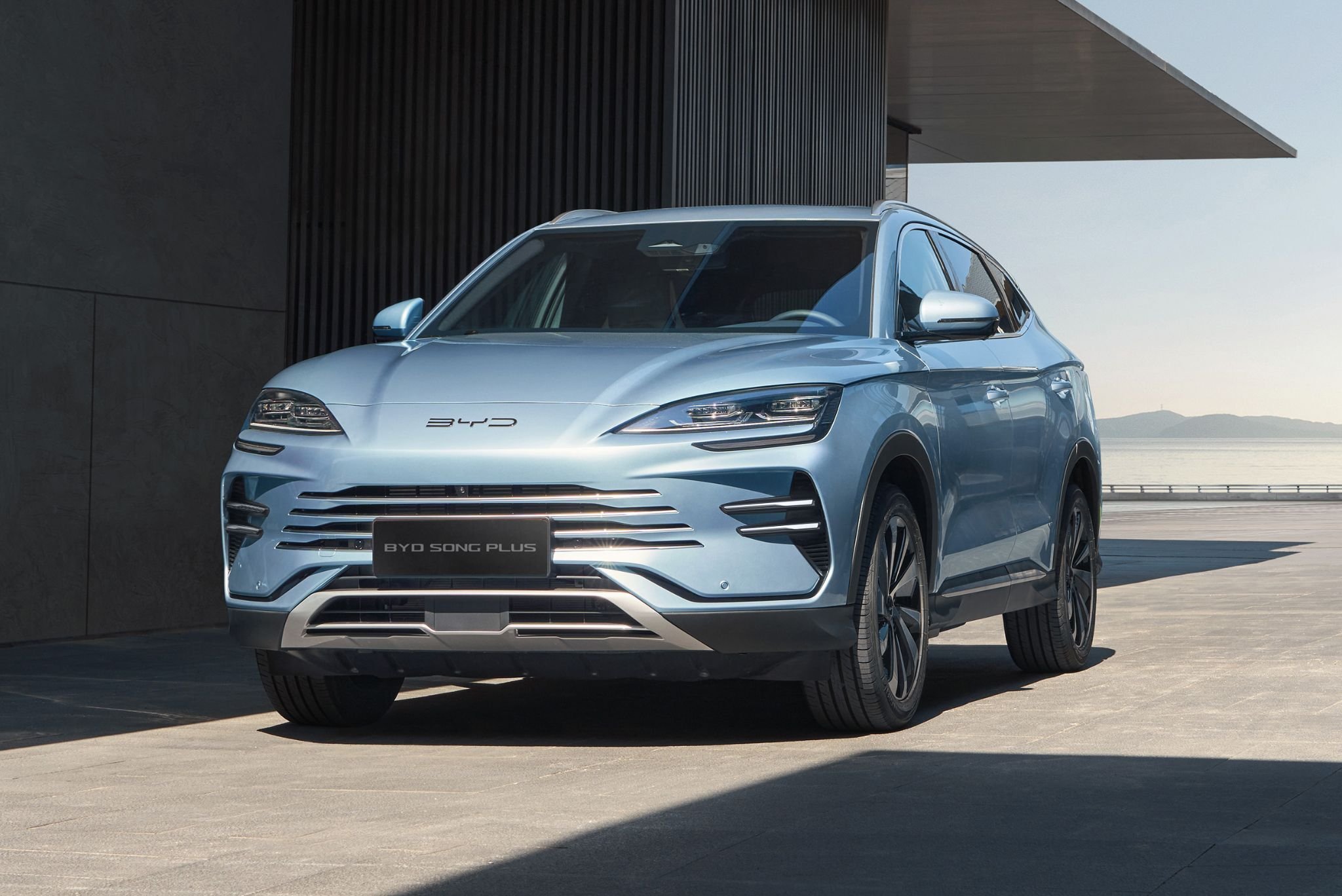
BYD Song Plus is one of the models that will make up the Localiza fleet (Photo: BYD | Disclosure)
By
Flávio Passos Published on 2026-05-09 at 01:00 PM
Updated on 2026-05-09 at 01:40 PM
The recent acquisition of 10 thousand electric cars from BYD by Localiza&Co is one of the most relevant facts of 2026 for our automotive market. It is a movement that injects an unprecedented volume of electrified vehicles at once and signals a strong bet on the future of mobility in Brazil. As a technology enthusiast, I celebrate the initiative. As a market analyst, however, I turn on a warning sign.
In my view, it is impossible not to draw a parallel with what happened in the United States with the rental company Hertz and Tesla. The story, which seemed like a fairy tale of the new automotive era, quickly became an example of the enormous challenges that this transition imposes. Hertz invested heavily and, shortly after, was forced to sell part of its electric fleet at a loss.
What went wrong
What went wrong there? A combination of factors that serves as a lesson: accelerated devaluation of vehicles, driven by Tesla itself by drastically reducing the prices of new cars, repair costs much higher than expected and, consequently, a difficulty in reselling these assets. The question that remains is: are we immune to this script in Brazil? I don’t think so, and Localiza will have to overcome some critical challenges.
1. The dictatorship of residual value
The business model of car rental companies depends fundamentally on the health of the used car market. The ability to resell cars after the lease period with a controlled depreciation is vital to the profitability of the operation.
If BYD, known for its aggressive pricing strategy to gain market share, continues to reduce the value of its new models, the resale value of these 10,000 cars, which will hit the used market around 2027 and 2028, could be severely impacted. Predictability in residual value will be the main pillar to sustain the operation.
2. Battery certification: the new “motor” of the used
The consumer of a used combustion car is traditionally concerned with mileage, the condition of the bodywork and the maintenance of components such as the timing belt. In the electric universe, the main concern has another name: “State of Health” (SOH), or the state of health of the battery. The battery is the most expensive component of an electric car, and its natural degradation directly impacts the range and value of the vehicle.
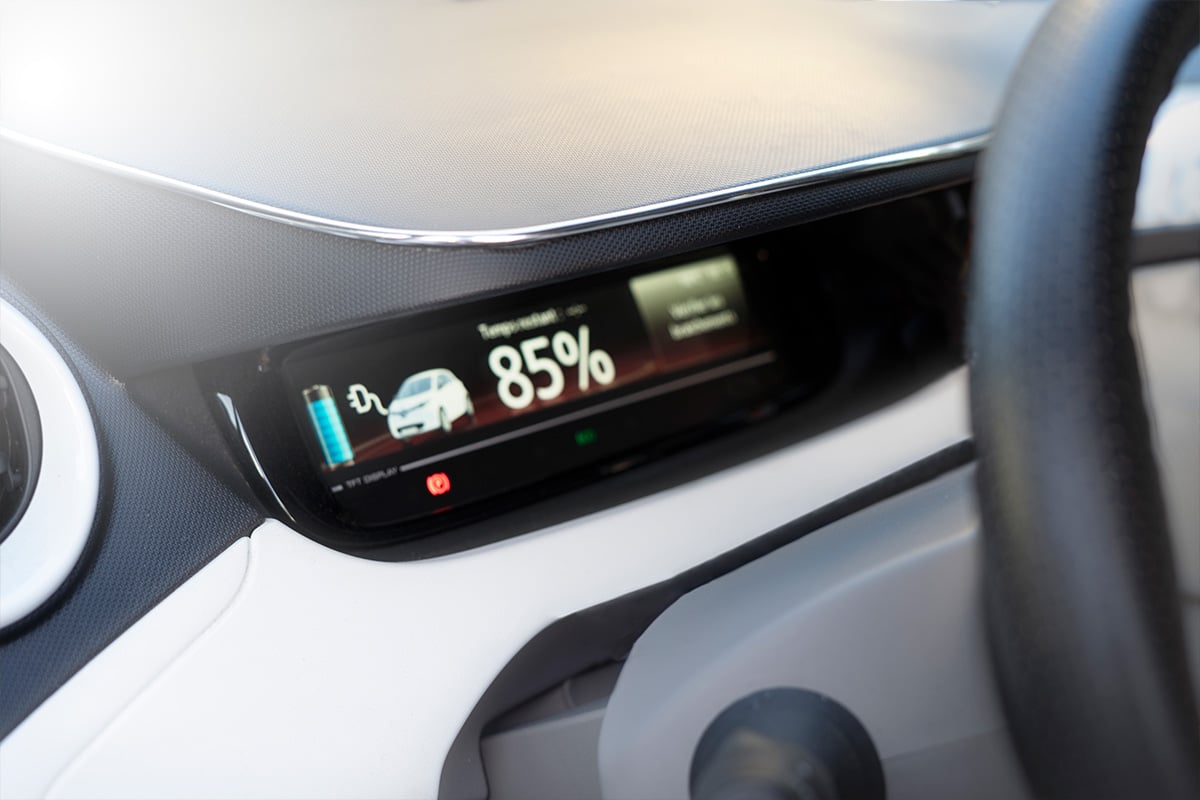
Battery ‘health’ condition will be taken into account
This concern is not only conceptual. Studies by McKinsey & Company show that challenges related to range and charging remain among the main factors impacting the electric vehicle experience, to the point that about 46% of owners in the United States consider returning to combustion models.
The data reinforces how battery performance is central to product confidence. In this context, the great challenge will be how to certify the health of this battery in the used market, through transparent and reliable reports that do not yet exist in a standardized way in the country.
3. Maintenance cost versus scale
A car parked in the garage of the rental company is synonymous with loss. Hertz suffered in the US with centralization and delays in replacing Tesla parts, increasing vehicle downtime. In this regard, Localiza seems to have a crucial competitive advantage: the nationalization of BYD’s production in Camaçari, Bahia.
The promise of a local factory can ensure faster, cheaper maintenance and greater parts availability, mitigating one of the biggest bottlenecks faced by Hertz.
In this sense, I realize that Localiza adopts a more prudent strategy than Hertz, by also including hybrids in its plan and seeking technical partnerships. This caution is justified. The success of this endeavor will not be measured by the volume of rentals, but by how the used car market will absorb this massive new electrified fleet.
Brazil is indeed able to write a story with a happier ending. Our favorable energy matrix and consumer interest in new technologies are important assets. Still, the journey will require careful riding, with full attention to market movements and, especially, to the rearview mirror. We will be closely watching every curve of this road.
Comments are the sole responsibility of their authors and do not represent the opinion of this site. Comments containing profanity or offensive language will not be published. If you identify anything that violates the terms of use, please report it.