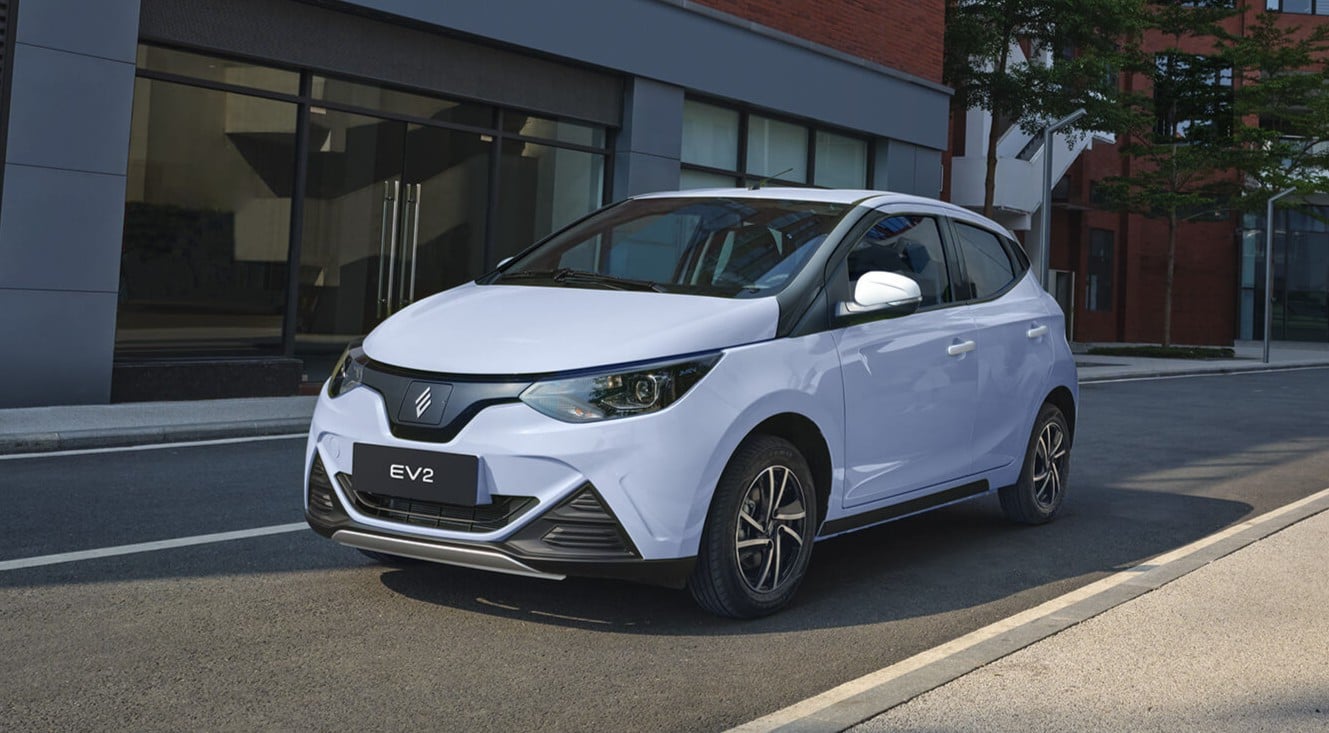
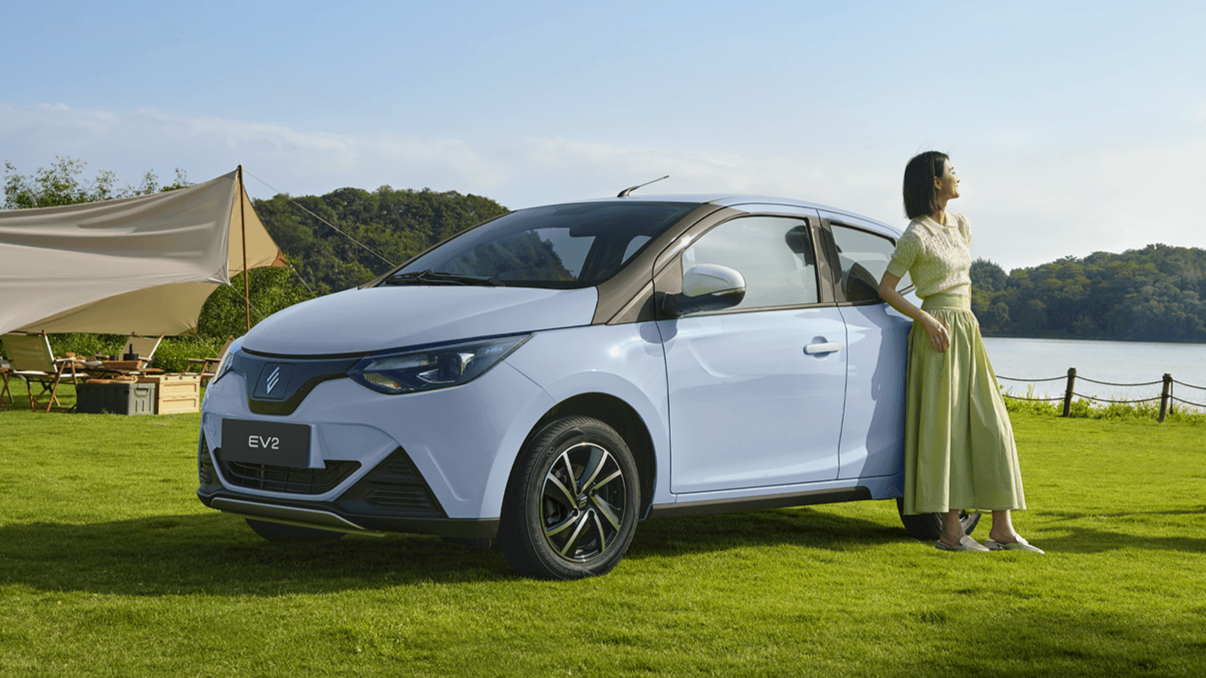
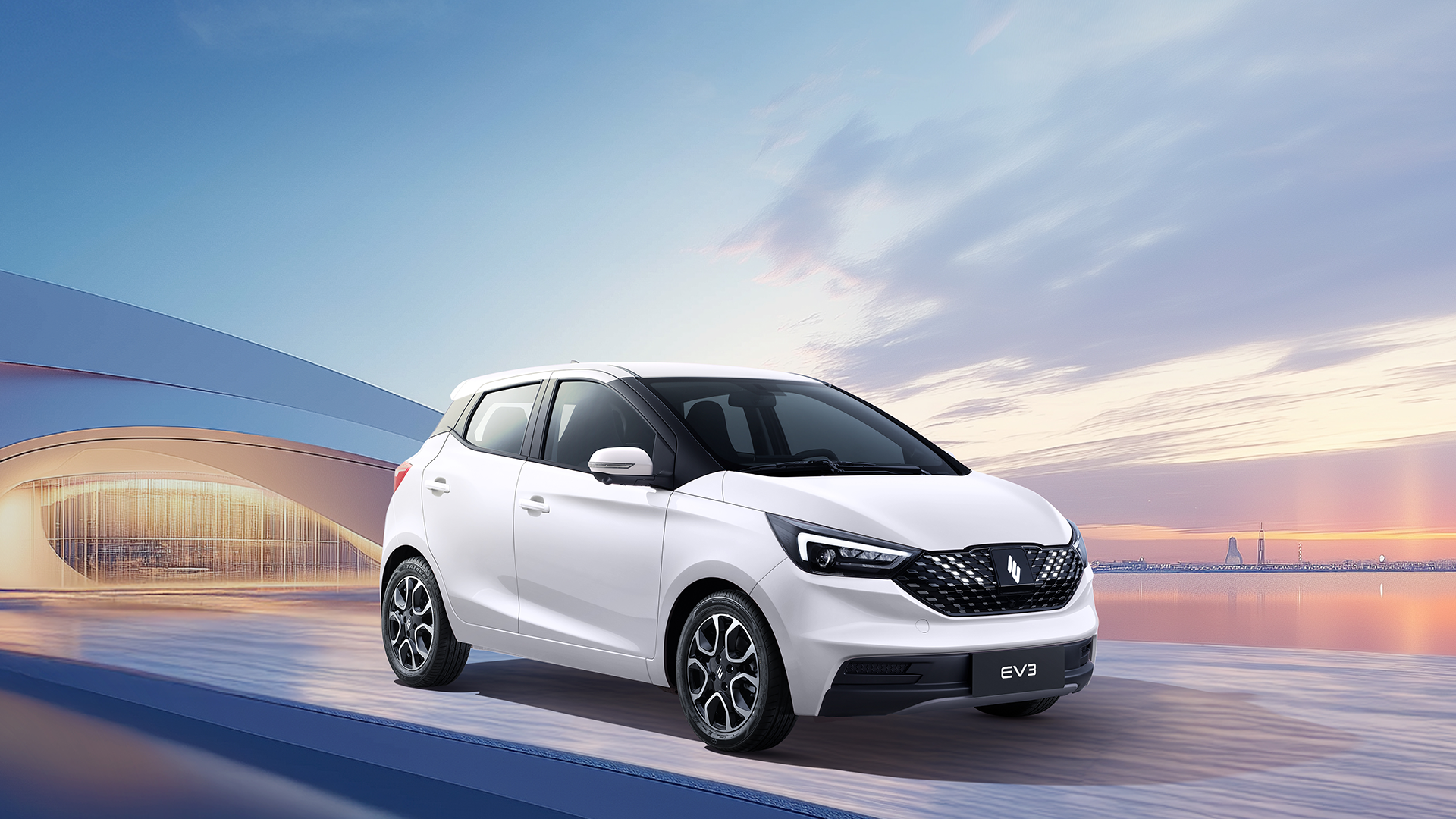
In April, Kia released an official note denouncing the misuse of the EV2 and EV3 designations in Brazil by the Chinese JMEV and its representative E-Motors. As the names had already been registered with the National Institute of Industrial Property (INPI) by the Korean automaker, the two companies were forced to rename their models, one of them being the cheapest car in Brazil.
Therefore, this Monday (4), the brand released the new denominations and identity for its electric vehicles. The cars known as EV2 and EV3 are now called, respectively, EMOVA Easy and EMOVA Urban.
Mercídio Givisiez, CEO of E-Motors Brasil, clarified that the initial use of the names EV2 and EV3 in JMEV models came from the factory:
This nomenclature, which is also used in other South American countries, came from a factory in China. JMEV already uses the acronyms EV2 and EV3, but to avoid conflicts we are already arranging for the removal of the names. The intention was not in any way to conflict data and we are already arranging for the change of this nomenclature.”
The CEO of the Brazilian company said that the situation was dealt with directly with Kia’s legal team and Gustavo Gandini, the company’s director of operations.
EMOVA Easy is the cheapest car in Brazil
The EMOVA Easy acts as the brand’s entry option and is available from R$ 69.990. The 100% electric super compact hatch is equipped with a 17 kWh battery, capable of delivering an average range of 200 km.
Model, previously named EV2, is a super compact electric smaller than the Fiat Mobi and with an average range of 200 km.
With only 3.50 meters in length and four seats, the model focuses on urban agility and ease of maneuvering, being smaller than the Fiat Mobi. Charging is carried out at conventional 220V outlets, requiring about eight hours for a full charge.
JMEV and E-Motors also promise simple and economical maintenance, an 8-year warranty on the battery, a 3-year warranty on the vehicle, high durability and a model made for intensive operations.
EMOVA Urban comes soon after and is the second cheapest electric car in the country
For the upper segment, the brand offers the EMOVA Urban for R$ 99.990 with a proposal aimed at the city, as the name makes clear, and to serve corporate fleets. The five-seater model features a 30 kWh battery, a range of up to 300 km and a liquid-cooled engine that delivers 48 hp, 15,3 kgfm of torque and a top speed of 110 km/h.
The model that had been called JMEV EV3 is larger and has an average range of 330 km.
The interior of the EV3 includes a 7-inch multimedia center, digital air conditioning and, like its smaller brother, it should have an eight-year warranty for the battery and three years for the vehicle.
EMOVA models will be manufactured in the same factory as the Chevrolet Spark and Captiva EV
JMEV and E-Motors started their operations in the Brazilian market, with two models and a niche strategy: the electrification of driving school fleets and solid plans for national production. According to Mercídio Givisiez, CEO of E-Motors Brasil, a partnership was signed with Comexport, a Brazilian foreign trade company that commands the operations of the Ceará Automotive Plant (PACE), for the
Therefore, according to Mercídio Givisiez, the operation was forced to recalculate its route. Thus, the partnership with Comexport was closed, both for the entry of the vehicle that comes from China at first, and for future assembly.
According to the CEO of E-Motors Brasil, the cheapest car in Brazil and the other electric model of the brand will initially be brought to Brazil by Comexport under the CBU (Completely Built Unit) regime. That is, they will arrive in Brazilian lands ready, without any local process, other than preparation for sale or some adaptation to the market.
Subsequently, the plans are to start production in outsourced SKD at the multi-brand factory operated by the company Comexport and which produced vehicles of the former Troller brand. Models such as the Chevrolet Spark and Captiva EV are produced there.
Comments are the sole responsibility of their authors and do not represent the opinion of this site. Comments containing profanity or offensive language will not be published. If you identify anything that violates the terms of use, please report it.