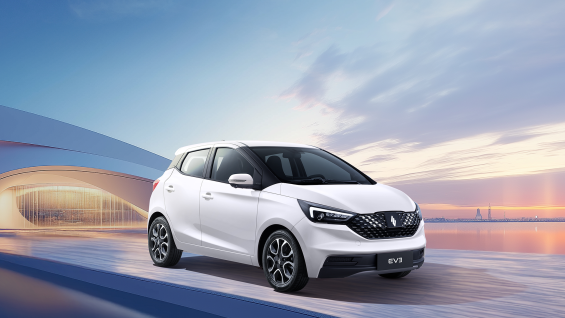
Cheapest car in Brazil will be assembled at the same factory as the Chevrolet Spark and Captiva EV
The Chinese automaker JMEV, together with the Brazilian company E-Motors, has entered into a partnership with Comexport, which commands production at the Ceará Automotive Complex
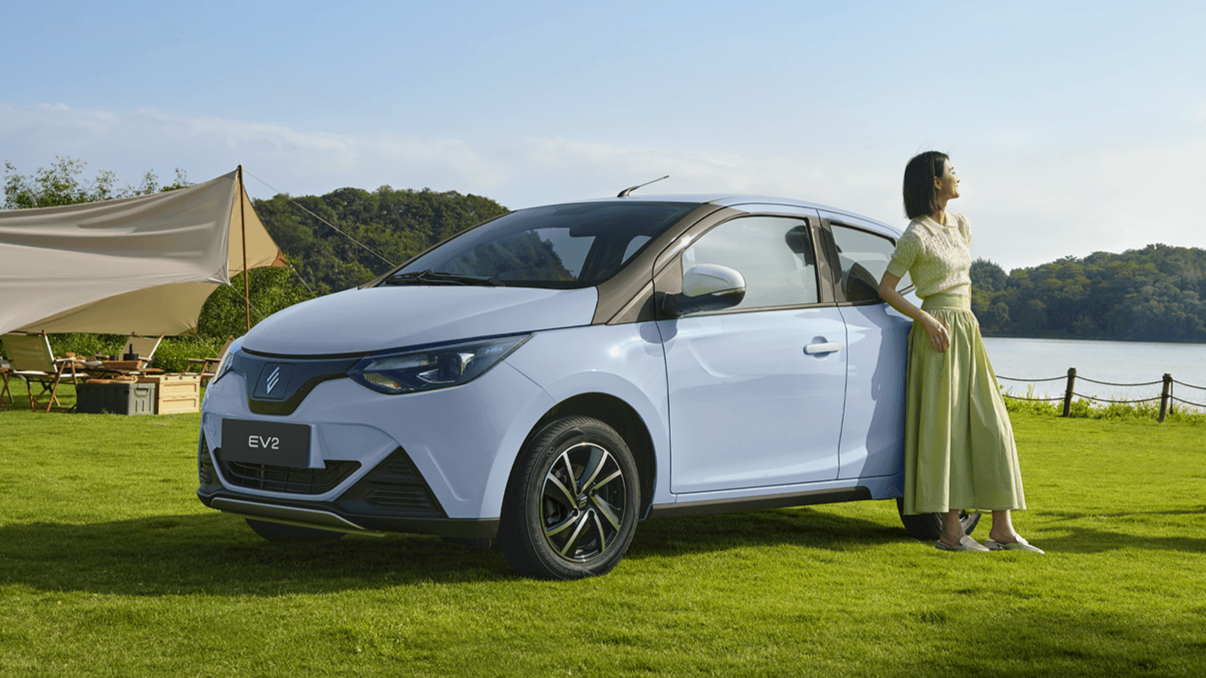
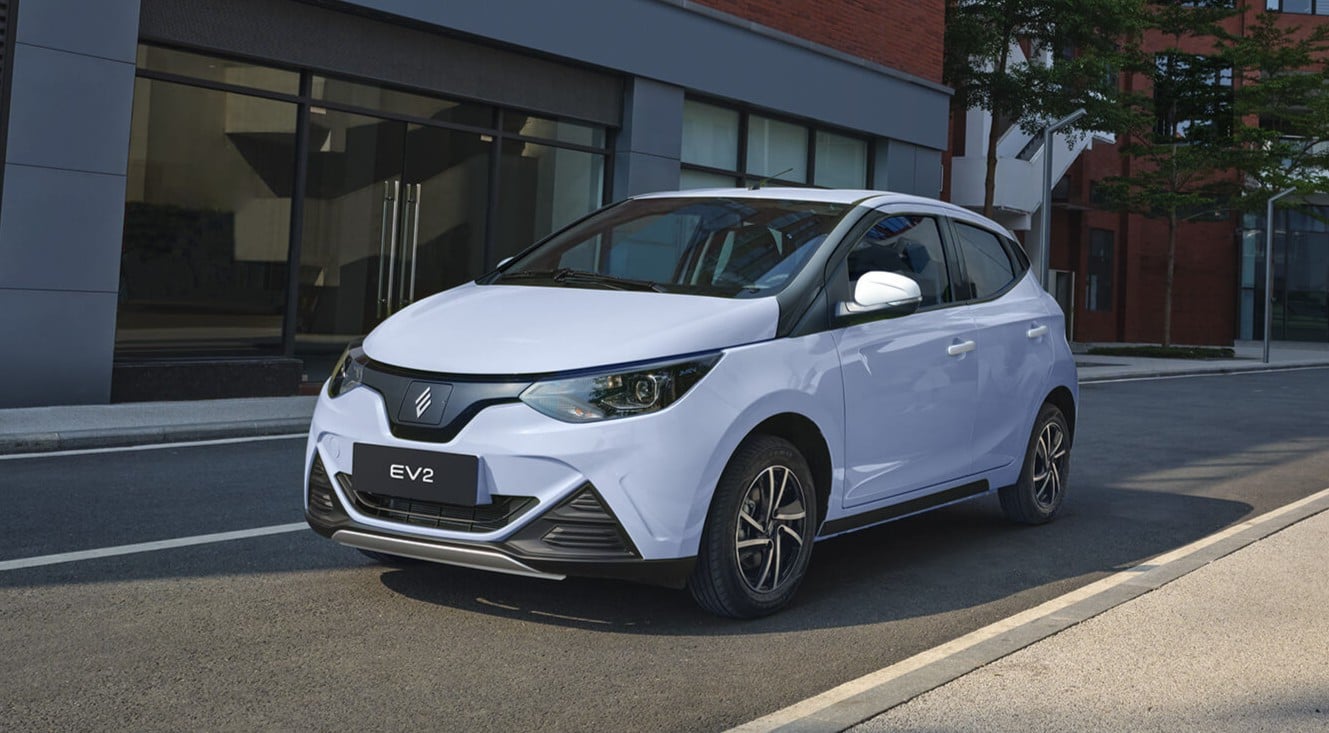
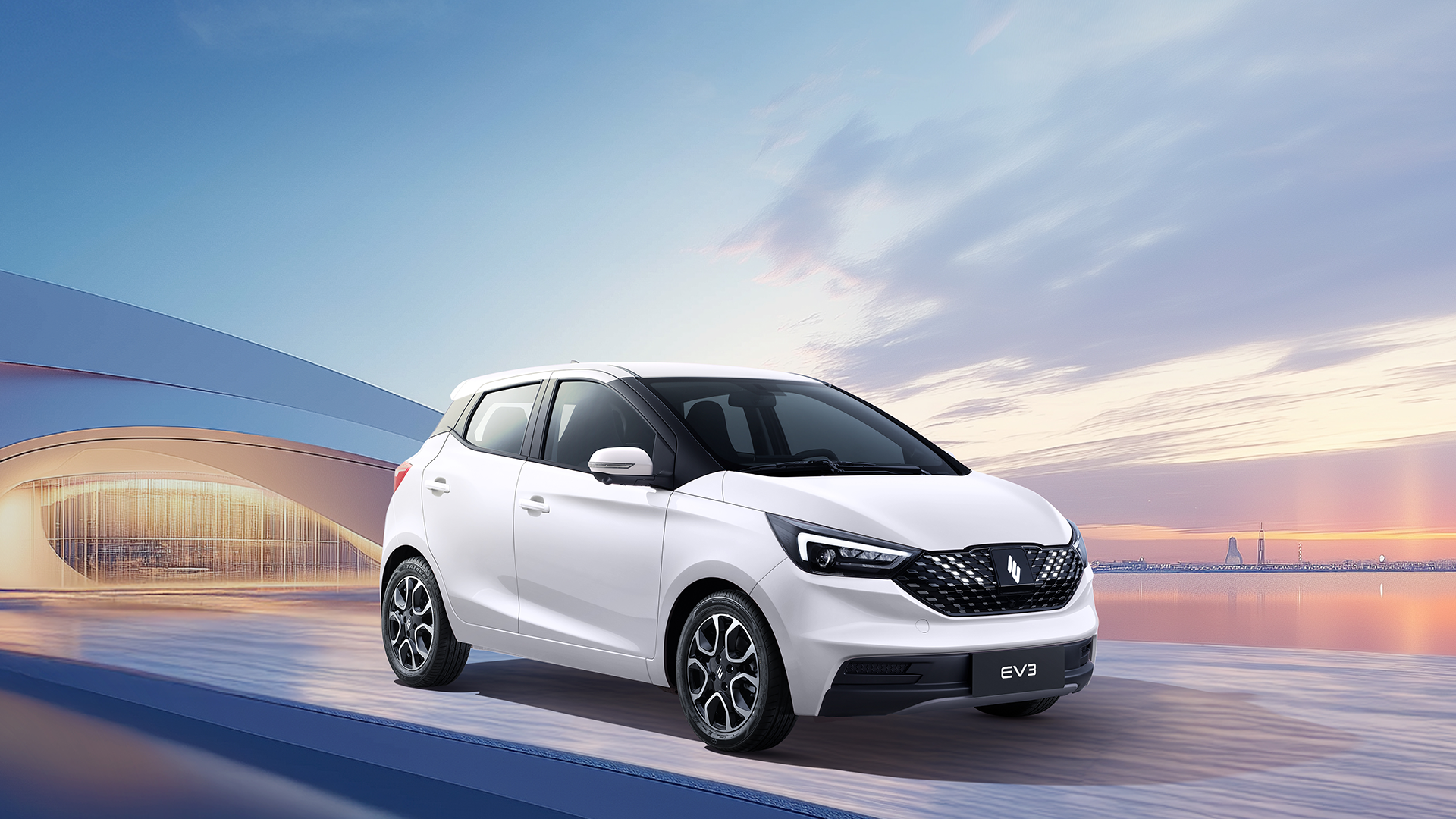
JMEV will produce two electric models that cost from R$ 69.990 and R$ 99.990 (Photos: JMEV | Disclosure)
By
Julia Vargas Published on 2026-04-17 at 01:00 PM
Updated on 2026-04-17 at 01:19 PM
The Chinese automaker JMEV and E-Motors, its representative in Brazil, started their operations in the Brazilian market, with two electric models, one of them being the cheapest car in Brazil, which costs from R$ 69,990. The Asian brand, linked to Jiangling Motors — Ford’s global partner — arrived with a niche strategy: the electrification of driving school fleets and with solid plans for national production.
According to Mercídio Givisiez, CEO of E-Motors Brasil, a partnership was signed with Comexport, a Brazilian foreign trade company that commands the operations of the Ceará Automotive Plant (PACE), for the assembly of JMEV vehicles. The two models, initially named EV2 and EV3, will change their name to avoid conflicts with Kia and at the time of publication of this article they have not received new names.
New CNH rules changed the plans of JMEV and E-Motors
As they are aimed at driving schools, JMEV models were designed with the option of a simulated manual transmission, developed specifically for Brazil. The technology mimics the behavior of combustion vehicles, allowing students to learn how to change gears in a purely electric system.
In addition, adaptations to the vehicles were also designed as provided for by driving school legislation, such as double pedal control, auxiliary mirrors and other requirements for instruction vehicles. The initial plan was to expand the national operation from Pedro Leopoldo (MG) and have the future assembly of the vehicles in Jaguaré (ES) own under the SKD (Semi-Knocked Down) regime using kits imported from China.
However, in December 2025, the legislation for obtaining the National Driver’s License changed dramatically. The new rules removed the obligation of driving schools and dual command, in addition to allowing practical classes and the Detran exam to be done in private vehicles and with automatic transmission.
Therefore, according to Mercídio Givisiez, the operation was forced to recalculate its route. Thus, the partnership with Comexport was closed, both for the entry of the vehicle that comes from China at first, and for future assembly.
Production of the cheapest car in Brazil in SKD is for later and will be fair in Ceará
According to the CEO of E-Motors Brasil, the cheapest car in Brazil and the other electric model of the brand will initially be brought to Brazil by Comexport under the CBU (Completely Built Unit) regime. That is, they will arrive in Brazilian lands already ready, without any local process, other than preparation for sale or some adaptation to the market.
Model, previously named EV2, is a super compact electric smaller than the Fiat Mobi and with an average range of 200 km.The model that had been called JMEV EV3 is larger and has an average range of 330 km.
Subsequently, the plans are to start production in outsourced SKD at the multi-brand factory operated by the company Comexport and which produced vehicles of the former Troller brand. Models such as the Chevrolet Spark and Captiva EV are produced there.
The Ceará Automotive Pole was a project headed by Comexport, considered the largest foreign trade and supply chain company in Brazil. Brands such as Mercedes-Benz, Honda, BYD, GWM, Renault, Ford, Volvo, GM, Toyota, Higer, Chery, Volkswagen and Porsche, among others, operate in Brazil through Comexport.
The production unit is already an old acquaintance of the automotive sector and is located in the metropolitan region of Fortaleza, occupying a land of 127 thousand m² that belonged to Ford, the last owner of Troller. Since 2021 the plant had been inoperative and in March 2024 it was expropriated by the government of Ceará. In the same year, an initial investment of R$ 400 million was provided for the construction of a multi-brand factory of vehicles of new technologies, that is, hybrids and electrics.
Comments are the sole responsibility of their authors and do not represent the opinion of this site. Comments containing profanity or offensive language will not be published. If you identify anything that violates the terms of use, please report it.