For many consumers, the prices of new cars are unfeasible, and a car that is more than 10 years old ends up meeting their needs. This is reflected on the streets, where most of the vehicles seen have a few years on their backs.
Even with new car sales growing every year, the average age of the Brazilian fleet has increased to 15.43 years. This data came from a study by the National Road Safety Observatory (ONSV).
Although 10-year-old cars are still close to current models in many features, the maintenance is not that of a new car. With age, additional care is needed.
Brazilians drive, on average, 12 thousand km per year. This means that 10-year-old cars should already have around 100 thousand km, with exceptions for more or less, depending on the year. In the maintenance plan, there are already some additional services that appear above this value.
The care needed for a 10-year-old car
Generally, scheduled maintenance over 10 years or 100 thousand km already begins to include items of greater durability, such as engine coolant. Therefore, it is good to look at the manual of the car you are interested in buying, which can be found on the manufacturer’s website.
According to mechanic Ludovico Ballesteros, owner of Pitucha Centro Automotivo, at this age it is necessary to pay more attention to preventive maintenance. He points out that rubbers, hoses, suspension, water pump and cooling system suffer natural wear and tear over time.
Age also makes some services more frequent, such as suspension, brakes, battery and some sensors. Fluid changes also become more common.
10-year-old cars already have a lot of embedded technology
The Golf is an example of a car that brought many of the technologies we have today in cars (Photo: Volkswagen | Disclosure)
The 2010s brought many advances to national cars. The mandatory use of ABS and double airbags killed very old projects, and there was already a forecast of more demanding emissions and safety standards for the following years.
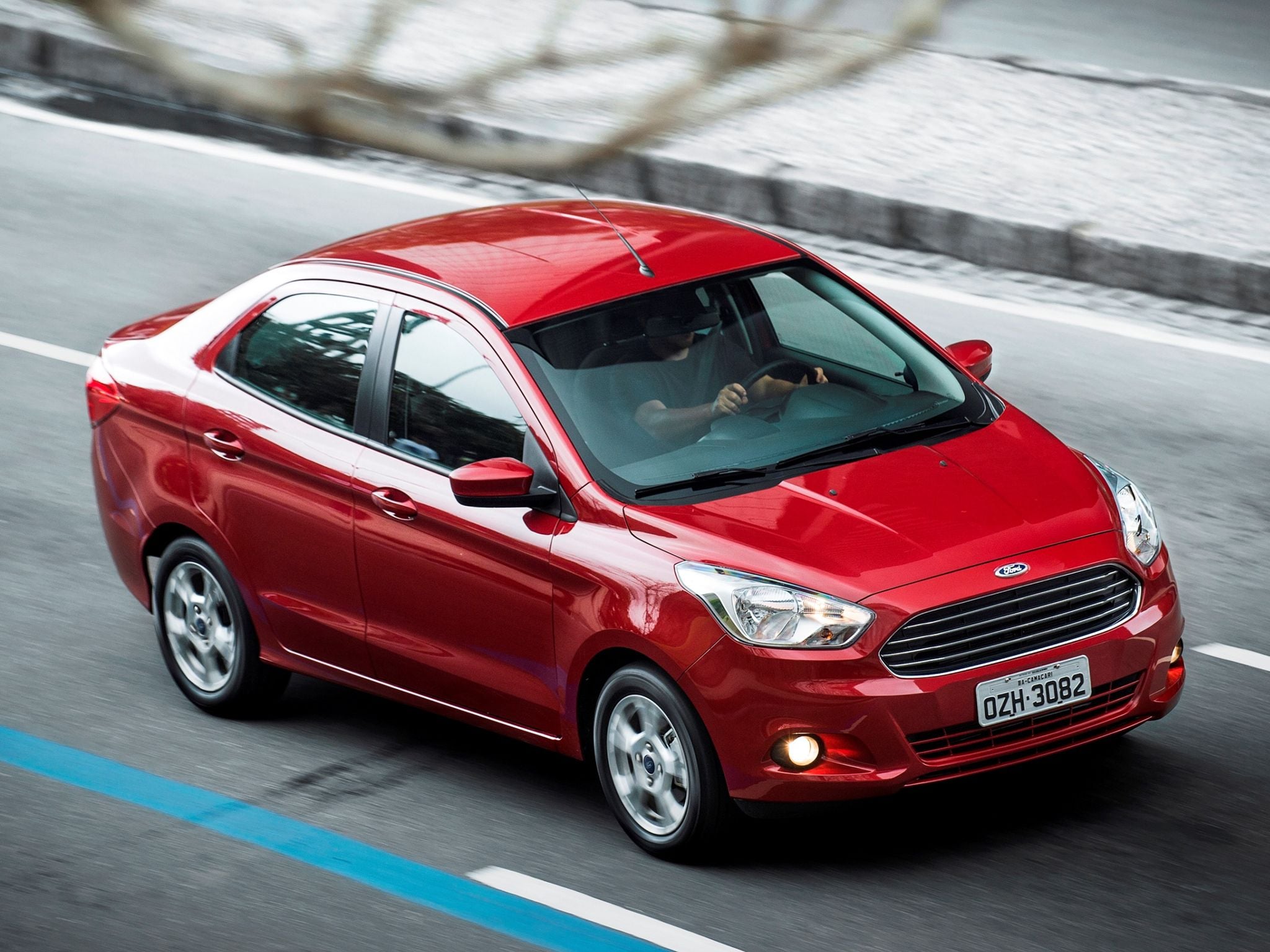
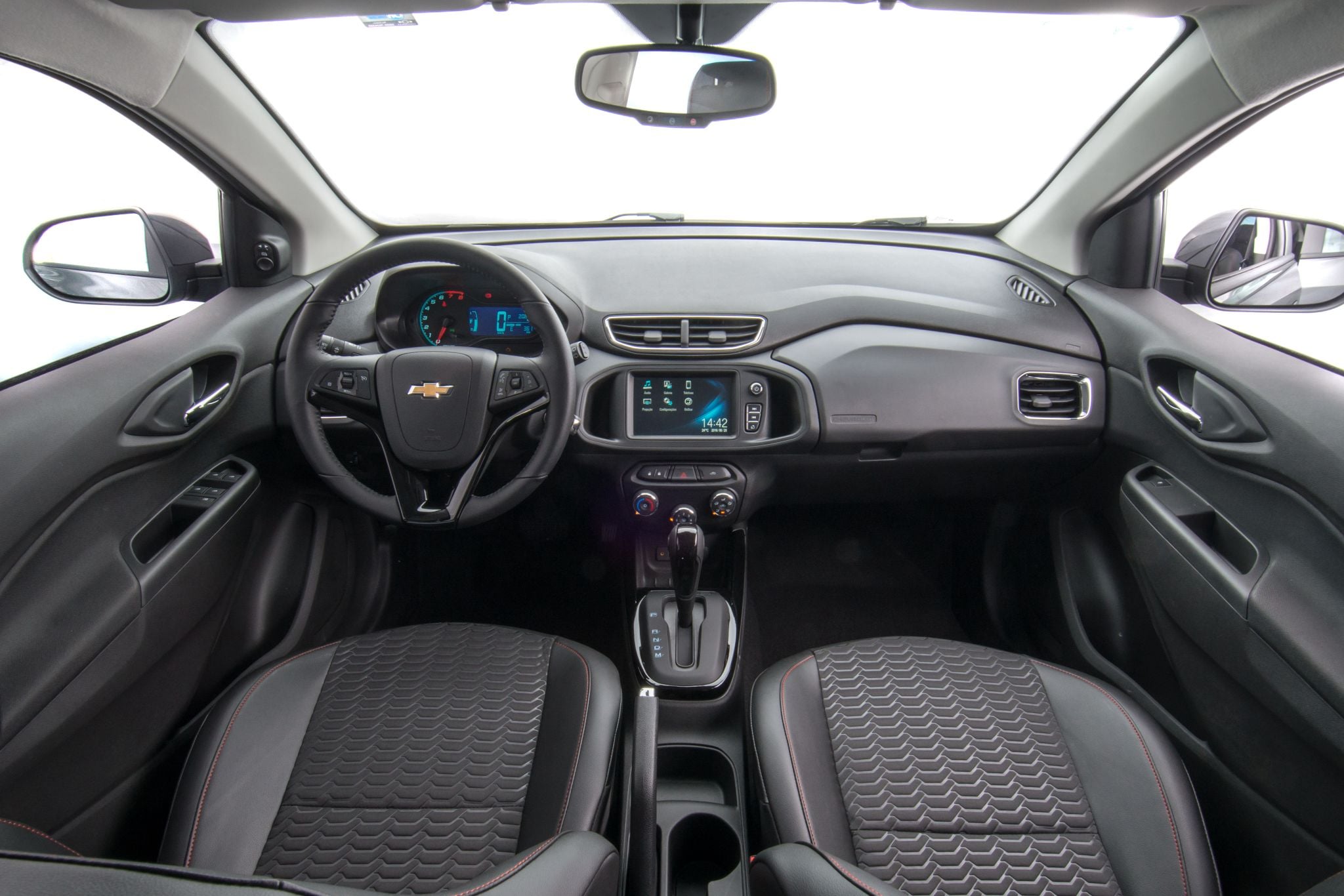
Launches such as the Chevrolet Onix, the Volkswagen Up, the Ford Ka, the Nissan March and the Hyundai HB20 have revamped the compact car segment. They started to offer items such as a multimedia center, reversing camera, automatic transmission and others that were previously reserved for more expensive models.
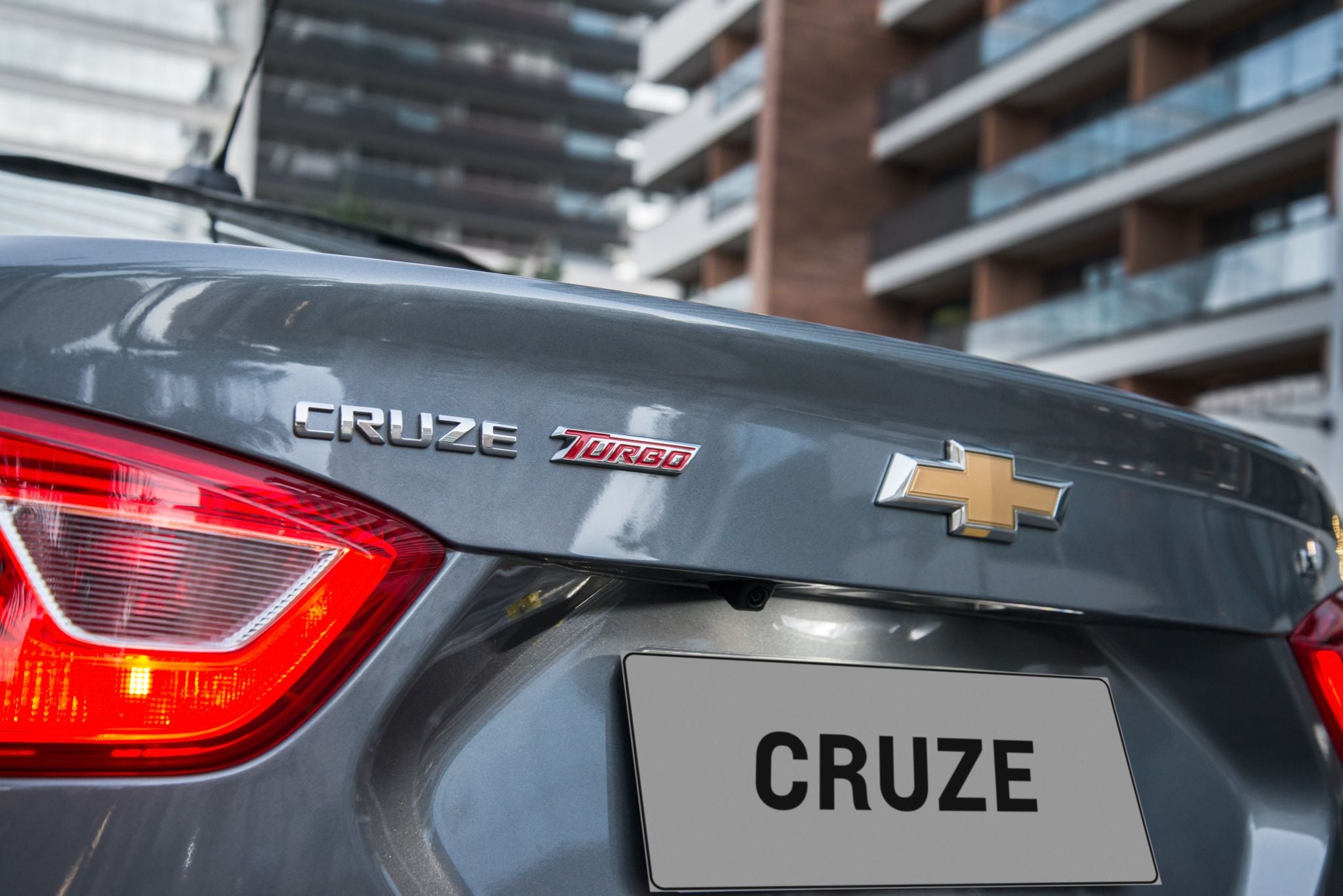
Some of these cars also came with new engines, such as the 1.0-liter three-cylinder. Medium-sized vehicles, such as the Chevrolet Cruze, were adopting turbocharged engines with direct injection.
And how did it age? On the one hand, technology also helps when diagnosing problems, with the use of a scanner. Ludovico Ballesteros warns about electronics in recent cars.
“Many already have a lot of electronics. The biggest mistake is to change parts by trying; Today, a good diagnosis makes all the difference. These electronic components suffer from our temperature and the vibration of our terrible floor”, attests the expert.
Engines with turbo and direct injection are already on the used market
With 10 years on its back, the car’s engine has already drunk all kinds of fuel, you need to check it carefully (Photo: Chevrolet | Disclosure)
Let’s exclude premium models and sports cars. Downsizing, a term that describes small turbocharged engines, arrived in volume cars in Brazil in 2013 with the Volkswagen Golf 1.4 TSI.
In 2015, the German brand brought the 1.0 TSI to the Up, which was already flex. In the following years, other options appeared: the 1.4 turbo of the Chevrolet Cruze and the Tracker, and the 1.5 turbo of the Honda.
These first turbocharged engines did not have an easy life; The direct injection of some had an “allergy” to ethanol, for example. They are also sensitive to poor maintenance, as Ludovico Ballesteros points out:
“Turbocharged vehicles age very poorly due to the lack of maintenance by the owners and the quality of our fuel, mainly due to the addition of ethanol.”
That is why, in the used market, cars with naturally aspirated engines are usually more sought after. Performance and consumption may not be as good, but the bill in the workshop will be lower.
Automatic transmission asks for attention over time
In 2016 this gearbox was already common (Photo: Chevrolet | Disclosure)
10 years ago, the automatic transmission was already popular in Brazil and the offers were good. We only recommend avoiding automated cars, the AL4 from Peugeot and Citroën, the dry DSG from Volkswagen and the Powershift from Ford.
But the most reliable boxes, such as those of Japanese cars, do not dispense with care. At 10 years old, it’s past time to change the oil; neglecting this service can lead to costly breakdowns.
For Ludovico Ballesteros, changing the automatic transmission oil is an important service to do in a used car:
“The gearbox oil needs to be changed every 60,000 km or 4 years. Ignoring this maintenance can generate a very high loss. Again, the temperature of our country makes these components suffer too much.”
Comments are the sole responsibility of their authors and do not represent the opinion of this site. Comments containing profanity or offensive language will not be published. If you identify anything that violates the terms of use, please report it.