Is it worth applying PPF to the car? We answer the main questions
Protective film has become popular in the market for protecting the vehicle from scratches, but it can weigh on the pocket depending on the application
PPF is the name of this transparent protective film (Photo: Shutterstock)
Using the car implies putting it at risk, as various incidents can occur in cities and roads. The use of PPF, an acronym for “Paint Protection Film“, can protect the paint from minor damage and make the car look new for longer.
This coating was more common in luxury cars, but it is becoming more and more affordable. Let’s answer the main questions about PPF for you to evaluate whether or not it is worth installing in the car.
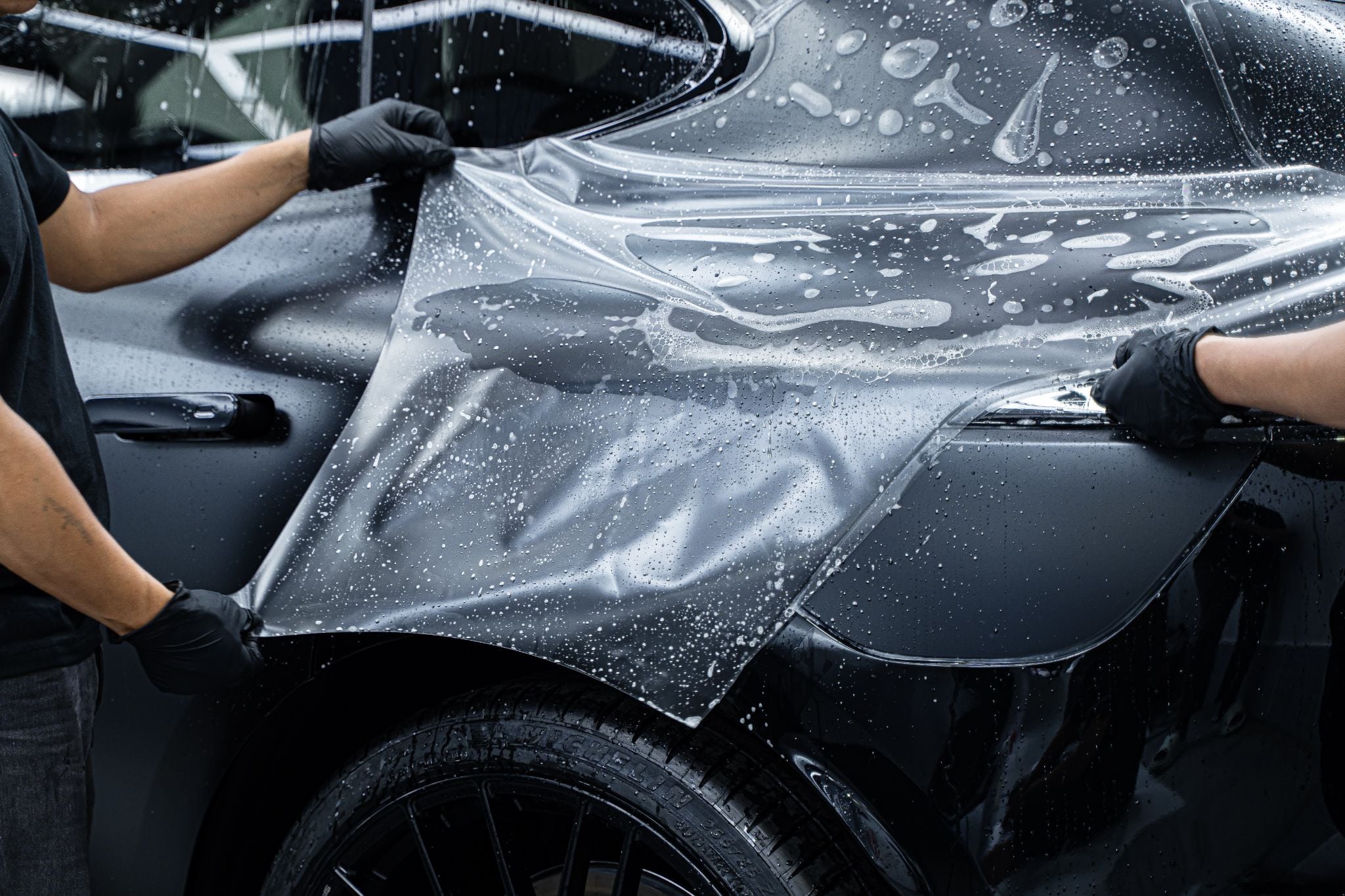
PPF is a transparent film applied over the body of the car and some exposed parts, such as an envelope. It serves as protection for the original paint, saving it from small scratches and impacts.
The proposal is similar to the film used on the screen of smartphones. Depending on the PPF technology, it has the ability to regenerate for some scratches, which could leave a mark on the car.
It also saves the paint from the action of elements that cause stains or damage to the varnish, such as bird droppings, sap, and acid rain. It also projects the sun paint, as it has a UV filter. If the film is damaged, just change it or remove it.
Matte PPF
The film can also leave the paint matte, changing the finish without repainting (Photo: Shutterstock)
Today there is also the option of applying matte PPF, which in addition to protecting the paint leaves the satin finish. In this way, the owner can change the appearance of the vehicle without having to repaint.
A matte paint requires careful maintenance and cannot be polished if it gets scratched. Using a PPF with this finish you receive a similar result and in case of damage you just need to change the film.
Where to apply the PPF
A less expensive option is to apply only to the front pieces (Photo: Shutterstock)
Applying PPF throughout the car can be expensive, especially in larger models. Doing so ensures a protection of all surfaces and ensures a uniformity of the paint in the long term, as the parts without the coating will age differently.
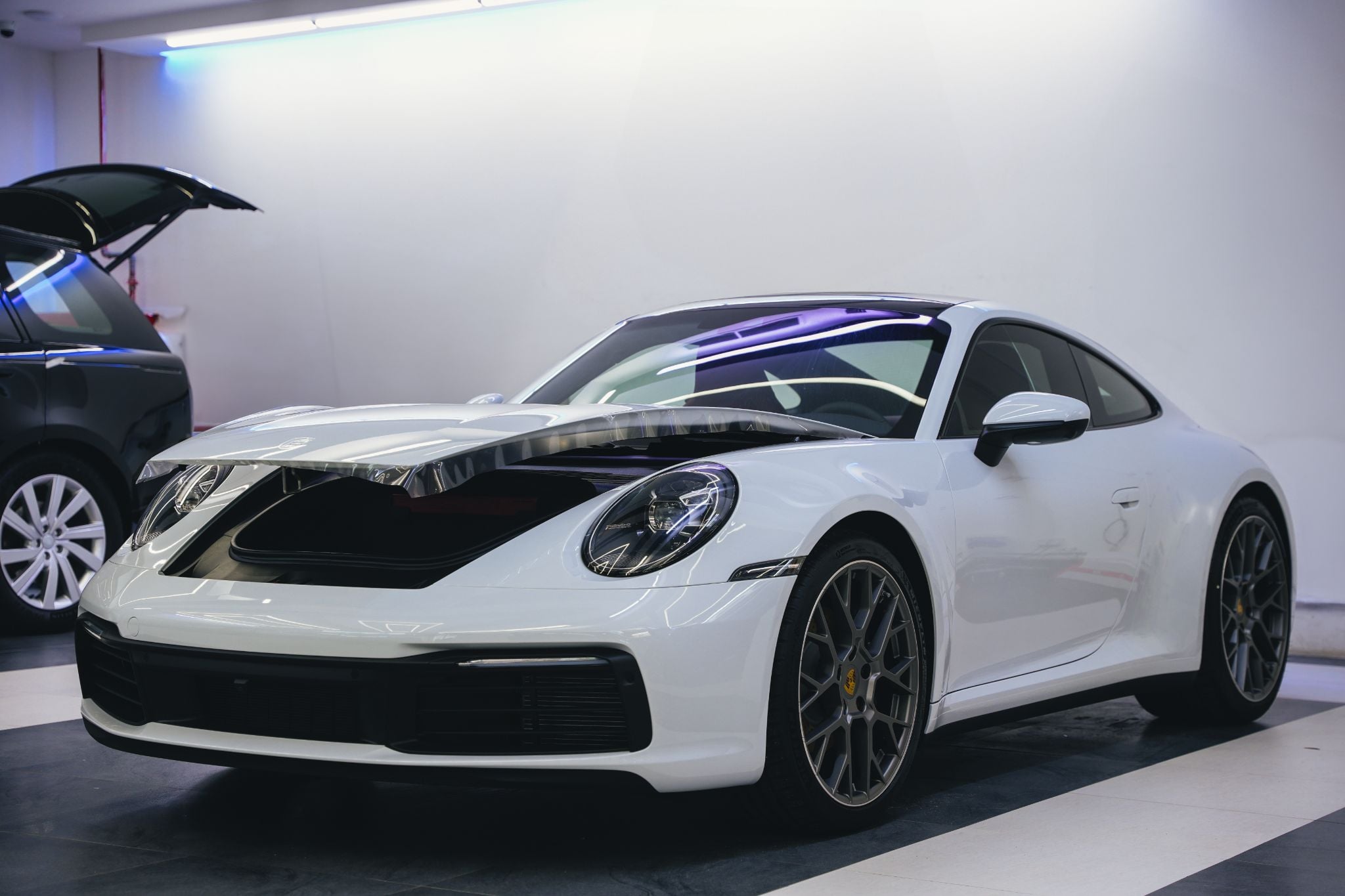
Stores specializing in the service also make partial applications in the front. This protects the front of the car from those pebbles and other objects that can hit it on the roads or from risks in maneuvers.
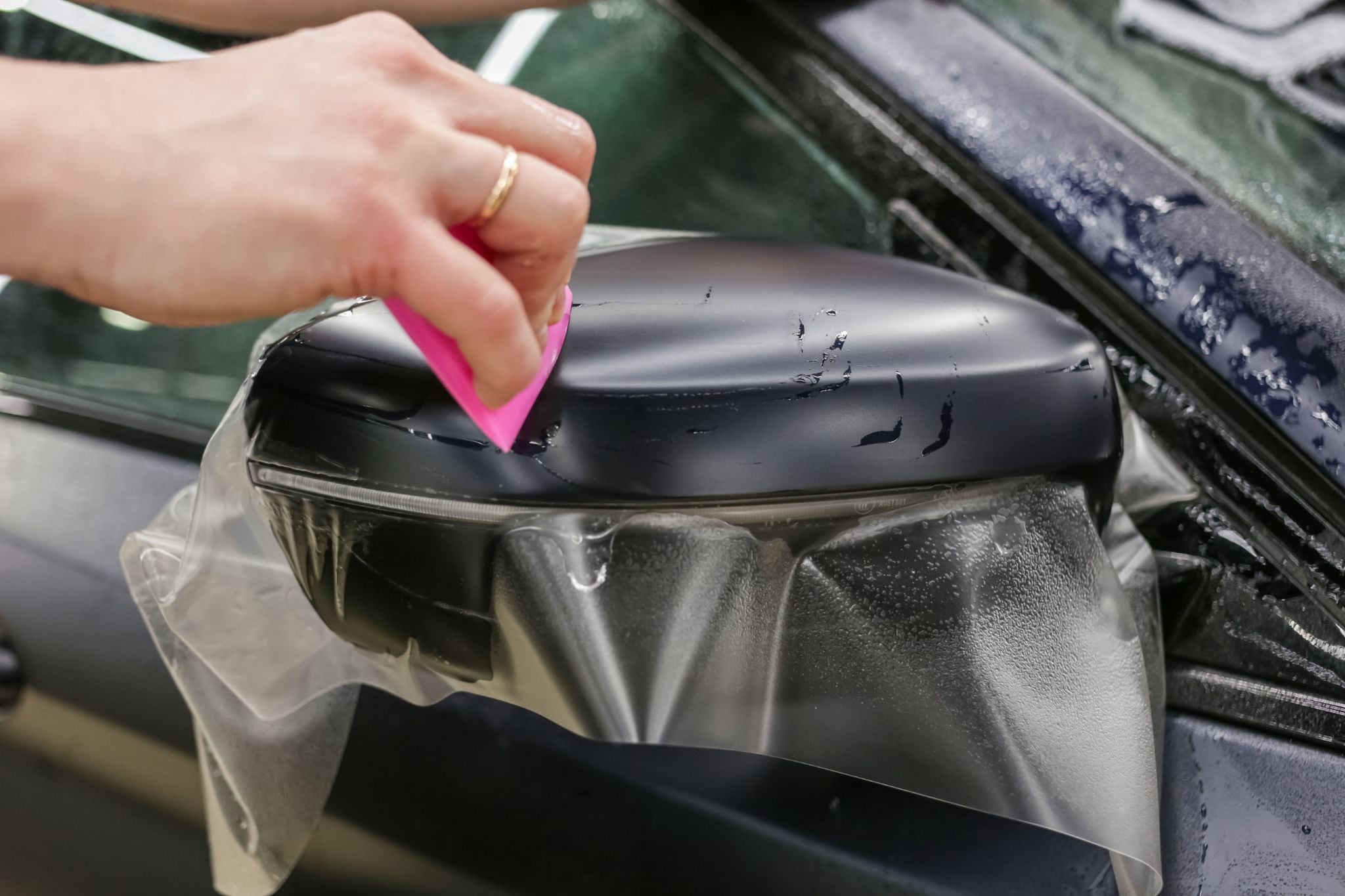
There is also partial application, which encompasses only the bumper, mirrors and the front parts of the hood and fenders. These options cost less than full coverage and are useful for those who take a lot of highways.
In sports cars that have wide fenders, such as the Porsche 911 and Nissan 350Z, there is an application of PPF on the bodywork in front of the rear wheels. The function of this is to protect from stones thrown by the front tires.
How much does it cost to apply PPF
The value of the application depends on a few factors, such as the size of the car, the complexity of the application, and the type of service. According to Maria Raboni, Partner of Espaço AoRaboni, a complete PPF project in the painted part costs in the range of R$ 15 thousand.
The front application, only on the hood, front bumper, front fenders, headlights and mirrors, costs around R$ 5.900. The film can also be installed on motorcycles, quads, boats and other vehicles.
How long does it last?
The durability of the installed PPF will vary according to the product applied and the quality of the service. Maria Raboni says: “The high-end films available on the market today usually offer factory warranties of between 8 and 10 years.”
She also points out that the installation done by trained professionals guarantees a better finish, greater resistance and longer useful life.
Can PPF be applied to headlights?
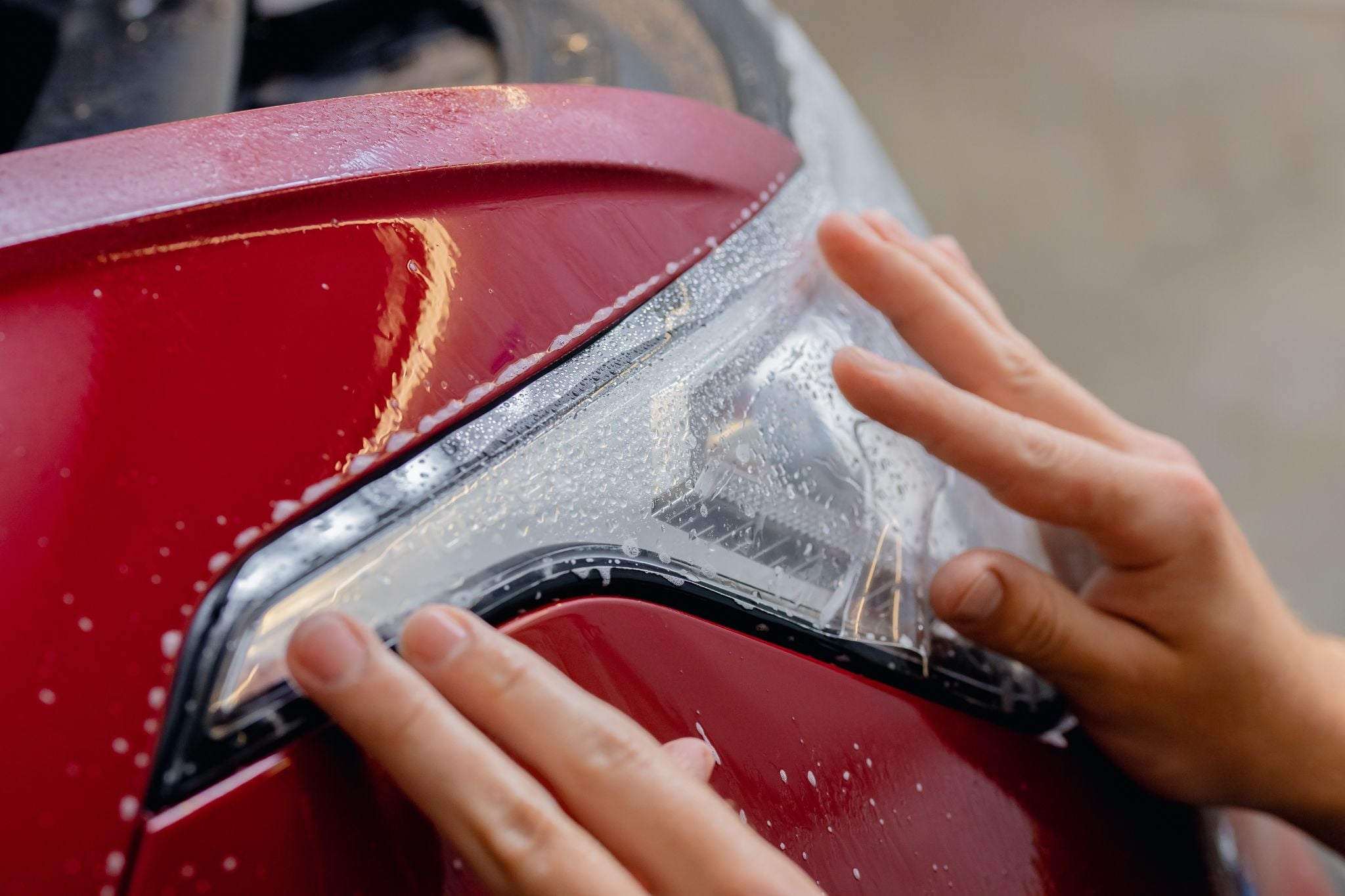
It protects the optical assembly of stones (Photo: Shutterstock)
PPF is not limited to just the painted parts of the car, it can also protect the headlights and taillights. With this, the pieces are protected from stones and also maintain transparency for longer.
There are also films on the market that can change the color of the headlights or make them darker. But it is not recommended to use these models, as they can earn you a fine.
Advantages of PPF
The application of PPF stands out from other protections, such as glazing, as it also saves the paint from scratches. It also has long durability, helping the owner to spend less on the aesthetics of the car.
Cons
PPF may require some special care during car washing. According to Maria Raboni, the areas where the edges of the film are located require this attention.
Can you apply it to an old car?
In specialized stores we see more new cars receiving the PPF, but what about the old ones? As we have already pointed out, this film can be used on different types of vehicles and it would be no different with the classics.
The additional care needed with old cars is to evaluate the paint before installation. See Maria Raboni’s explanation:
The main point of attention is in cases where the car has already undergone repainting. It is essential that this painting has been executed correctly and is fully cured before the film is installed. If the refinish has adhesion failures or has not followed the proper processes, there is a risk that the paint will detach from the part during a future removal of the PPF.”
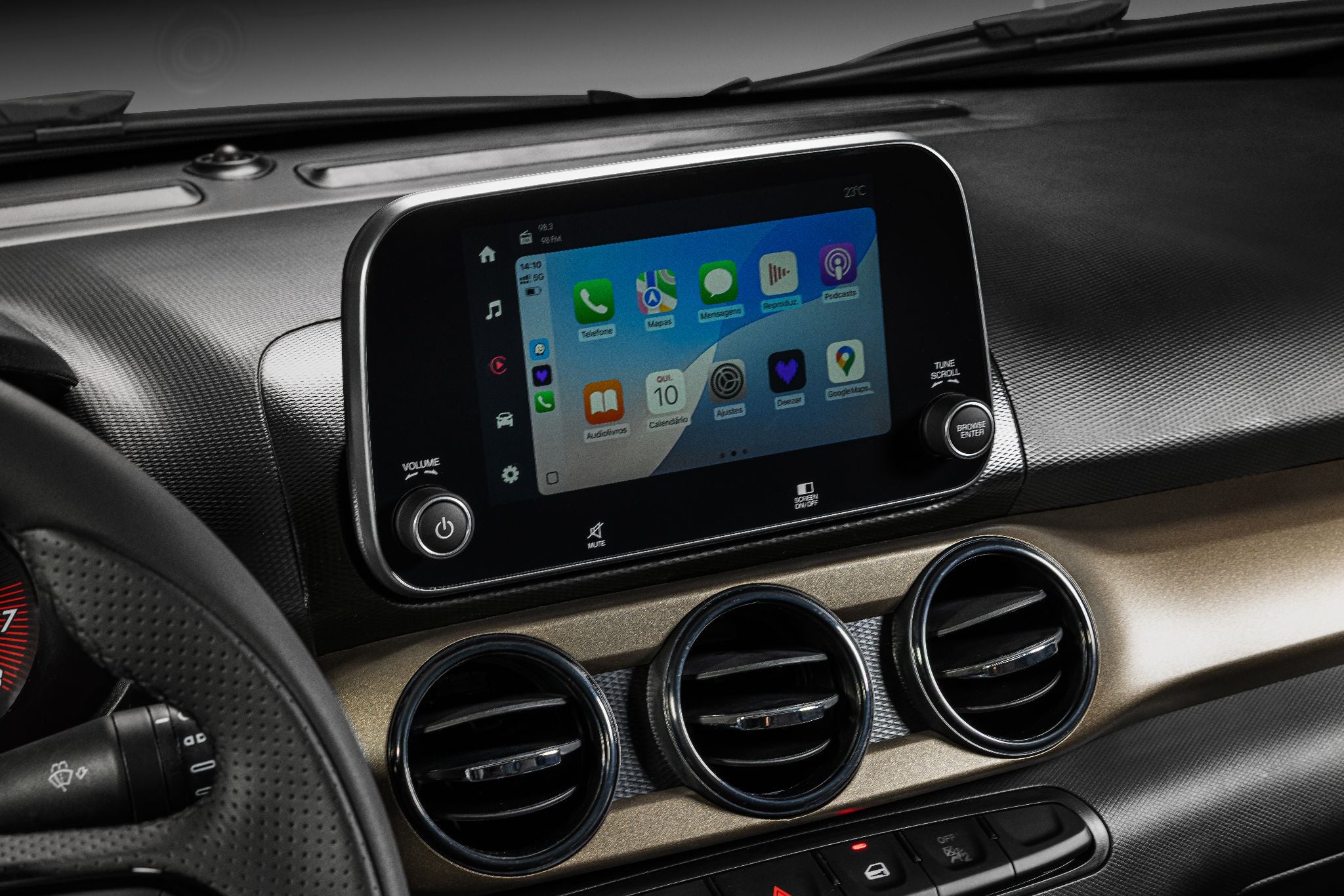
Is PPF in the multimedia center worth it?
One of the options for the screen is a matte film, which does not get finger stains (Photo: Fiat | Disclosure)
The use of PPF is not limited to the external area of the car, there is already the option on the market to apply it in the multimedia center. The purpose is the same, to protect the screen from scratches and damages.
According to Maria Raboni, there are also matte versions of PPF for multimedia centers, which reduce fingerprints and reflections.
PPF of the fine?
The PPF applied to the bodywork does not give a fine, as it is transparent and does not change the color. The same goes for the matte film, which only changes the finish and this is not specified in the document.
However, applying a PPF to the headlight to darken it or make it colorful can result in a fine. Resolution 667 of Contran states that:
It is forbidden to place stickers, paints, films or any other material that is not original from the manufacturer in the devices of the vehicle lighting or signaling systems.
This is considered a serious infraction, adding 5 points to the National Driver’s License (CNH), a fine of R$ 195.23 and retention of the vehicle until it is regularized.
Comments are the sole responsibility of their authors and do not represent the opinion of this site. Comments containing profanity or offensive language will not be published. If you identify anything that violates the terms of use, please report it.