Car painting: know the processes to avoid falling into traps
Painting the whole car, taking a paint bath, touching up paint or recovering it piece by piece: each service has important indications, precautions and differences
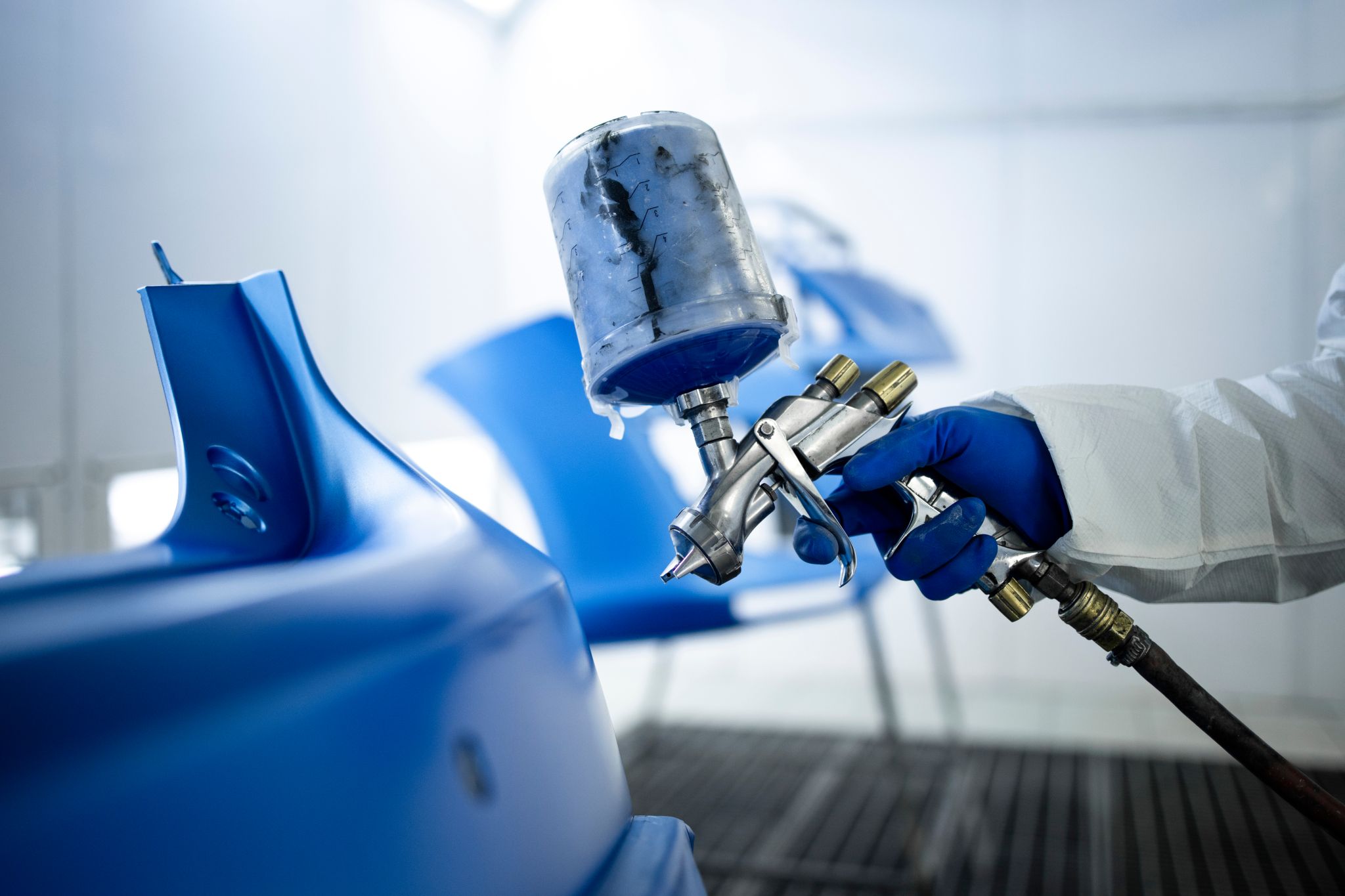
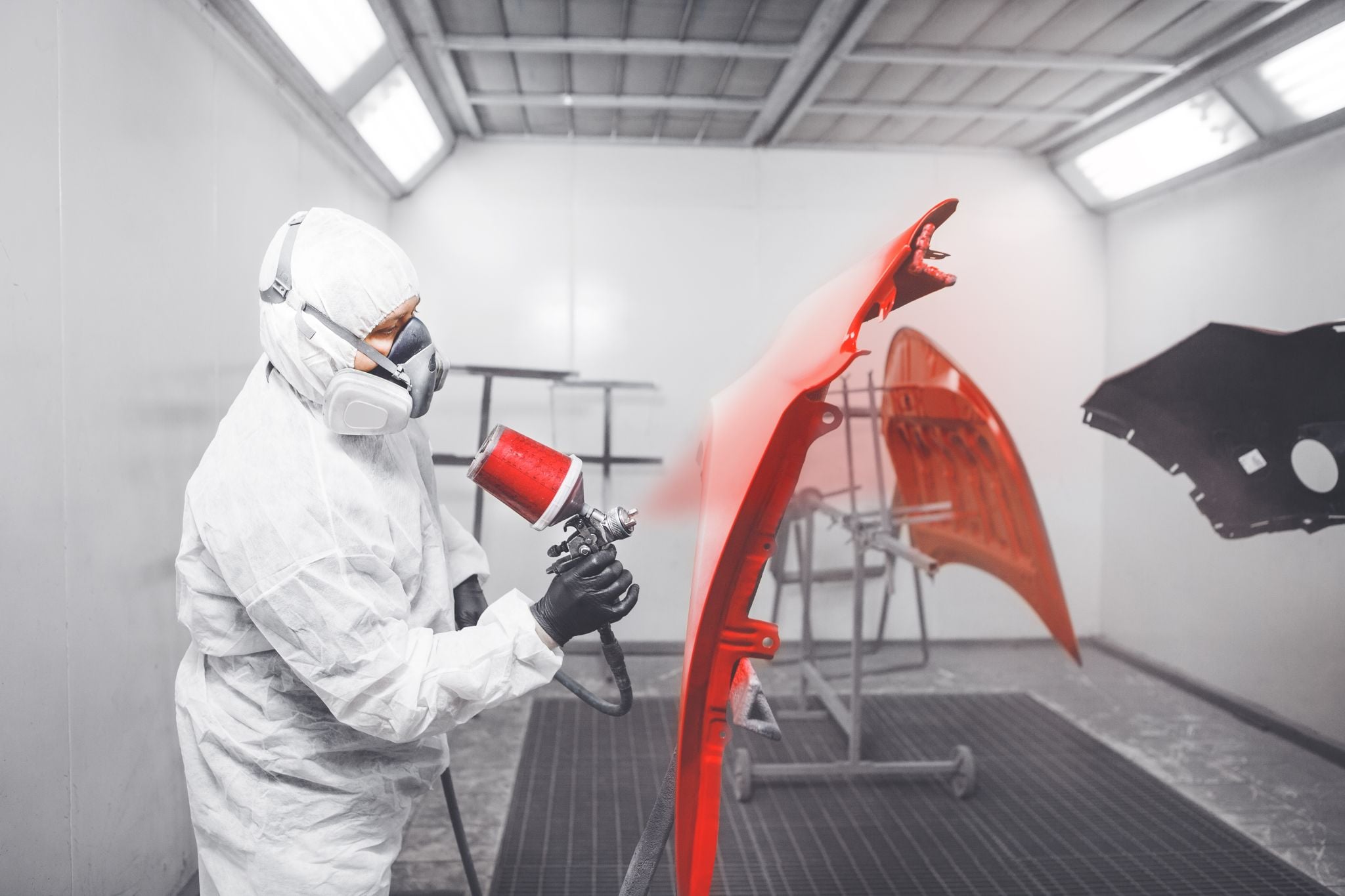
The process involves several steps before the paint and the final varnish (Photo: Shutterstock)
By
Lucas Silvério Published on 2026-05-24 at 11:00 AM
Updated on 2026-05-24 at 11:33 AM
The Brazilian vehicle fleet grows year after year and, along with it, the demand for car painting services also increases. Whether to correct scratches, recover damage after collisions or even completely renew the look of the car, automotive repainting involves technical processes that go far beyond just applying paint to the bodywork.
Also known as repainting, the procedure requires proper surface preparation, correct choice of materials, and specialized labor to avoid problems such as color difference, peeling, stains, and even corrosion.
In interviews with PPG, a global reference in the development and supply of paints, coatings and special materials, AutoPapo found out how the automotive painting process works, the necessary care and the main errors that can compromise the final result.
According to Ricardo Vettorazzi, there is a significant difference between the original painting done in the factory and the repainting done in the workshop.
The original paint is done without any components in the car, only in the bodywork. In addition, the application and curing conditions reach 120 °C. In the automotive refinishing process, it is impossible to disassemble the entire car to paint. So the service is usually done at room temperature.”
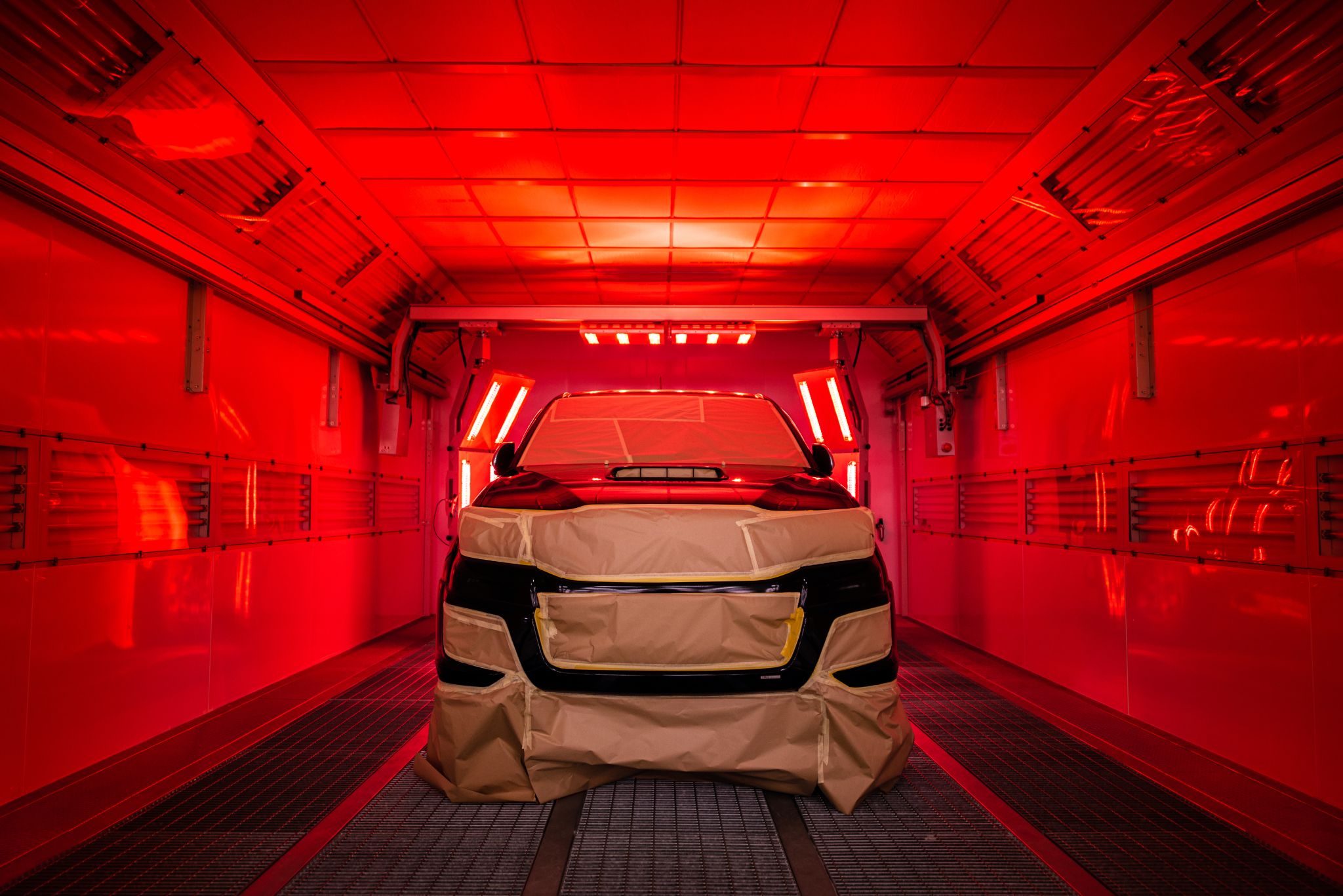
In the most structured workshops, which have a paint booth, the temperature can reach around 80 °C to speed up drying without damaging plastic parts, rubbers and finishes already installed in the vehicle.
This thermal step is important because it directly influences the curing time of the products, the quality of the finish, and even the durability of the paint.
Types of car paint
“The service that will be done depends a lot on the type of damage that is in the car. Sometimes, a scratch is easily removed with a quick touch-up process, a smart repair. It is possible to make it quickly and deliver it even on the same day. In two or three hours, the professional can complete the service. But there are also other situations in which you have to change parts, do body work, and then the process takes longer.”
Among the most common services are:
painting an entire piece, such as a door, roof, hood or bumper;
localized painting for small scratches;
ink bath;
complete painting of the car;
bumper paint recovery;
punctual touch-ups.
There are some services that are more common to be requested in repair shops. The most classic is the painting of a piece: door, hood, roof, bumper and other items that can be isolated to receive maintenance. The complete painting also happens, and the owner can even change the entire color of the vehicle.
Retouching services, cited by experts, are another option that can be sought in cases of more superficial and small scratches. According to Vettorazzi, current tools have more precision and can dispense with the need to paint a part completely. Everything, of course, will depend on the quality of the work of the workshop and the painter.
The car painting process is rigorous
Ricardo Vettorazzi explains that automotive repainting has several technical steps and that skipping processes can totally compromise the result.
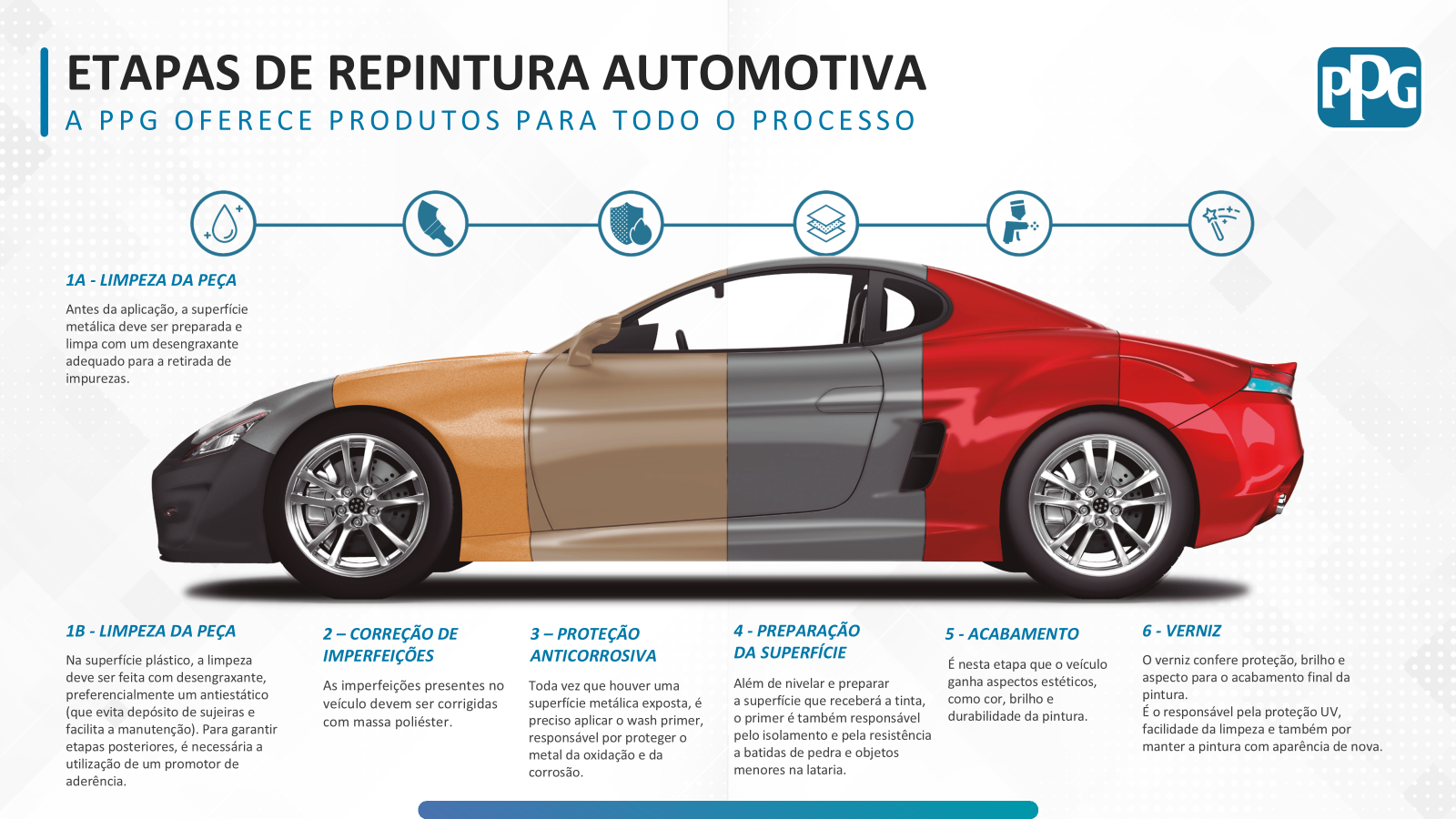
PPG details how car painting and repainting should happen (Photo: PPG | Disclosure)
1. Cleaning and preparing the surface
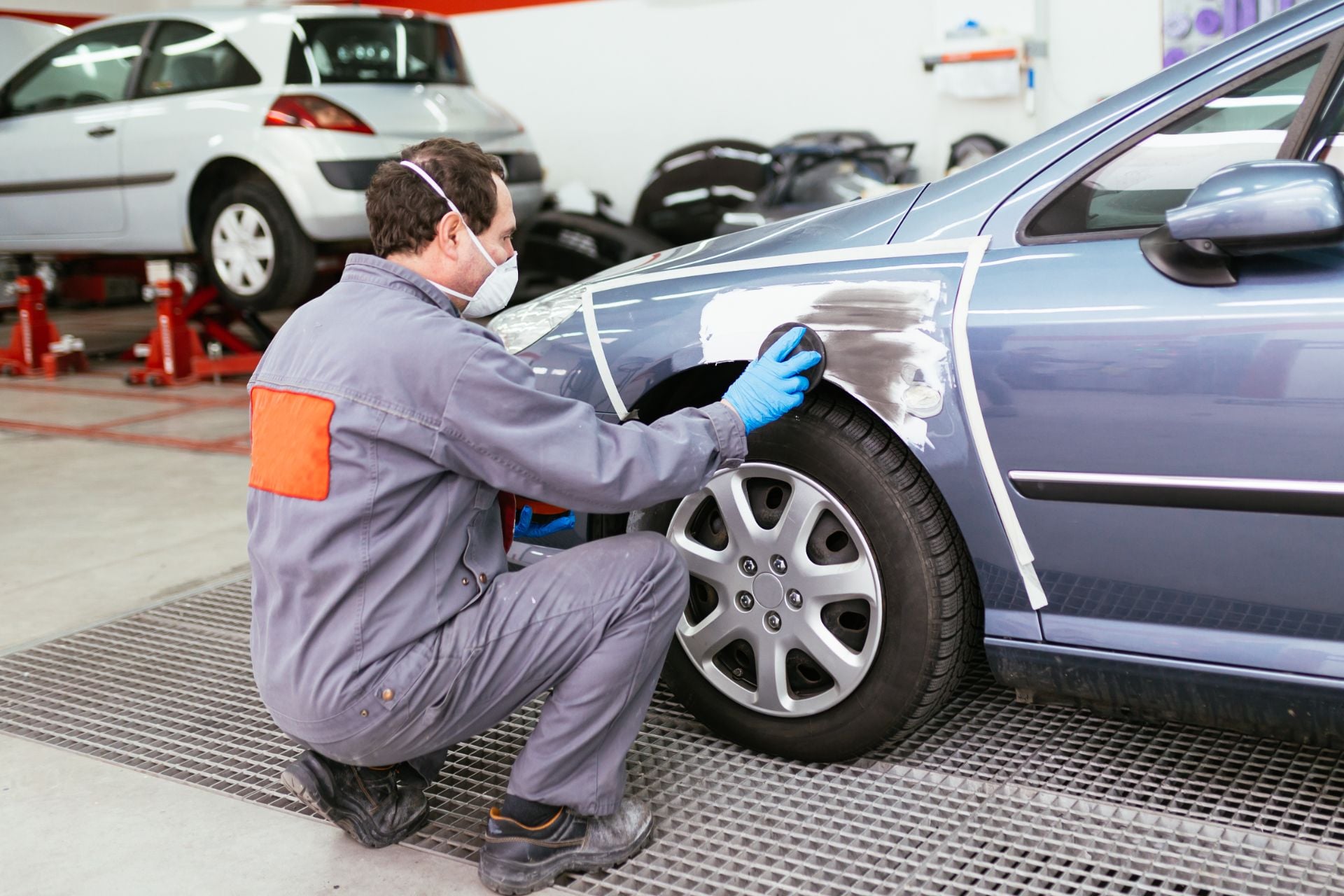
There are many steps before the paint reaches the car’s body (Photo: Shutterstock)
Before any application, the surface undergoes a rigorous cleaning and preparation process. The part receives specific degreasers to remove residues of oil, grease, silicones, dust and other impurities that may compromise the adhesion of the paint.
After that, the bodywork stage begins, responsible for correcting larger deformations in the bodywork.
According to Ricardo, this initial preparation is essential to avoid future defects.
2. Bare plate and correction with polyester putty
The starting point for the car painting process is the so-called “bare plate”, when the metal surface has already passed through the body shop and is ready to receive the preparation products.
If there are small deformations, dents or irregularities, polyester putty comes into play, used to level the surface.
Ricardo compares the material to the spackle used in residential paintings, but points out that the resistance is much higher.
“Polyester putty has a similar function to spackle, but with much greater resistance. It dries quickly, has excellent adhesion and can be applied to steel, aluminum and even plastic.”
After about 15 minutes of curing, the putty can be sanded to receive the next step.
3. Wash primer: rust protection
After surface correction, wash primer comes in, an extremely thin layer of a protector applied directly to the exposed metal. Its main function is to prevent the oxidation of the sheet metal and, in the future, corrosion.
“The wash primer creates anti-corrosion protection because the plate begins to oxidize immediately when it comes into contact with air.”
The layer dries quickly and serves as extra protection, especially in larger repairs.
“If the piece is stopped for a day or two waiting for the next step, it can already start to oxidize. Wash primer prevents that.”
Despite this, the specialist points out that small quick repairs do not always require the application of the product.
“In quick or superficial repairs, sometimes the professional applies the primer directly and the result can be good too. The wash primer works as an extra security against corrosion.”
4. Primer: leveling and preparing for paint
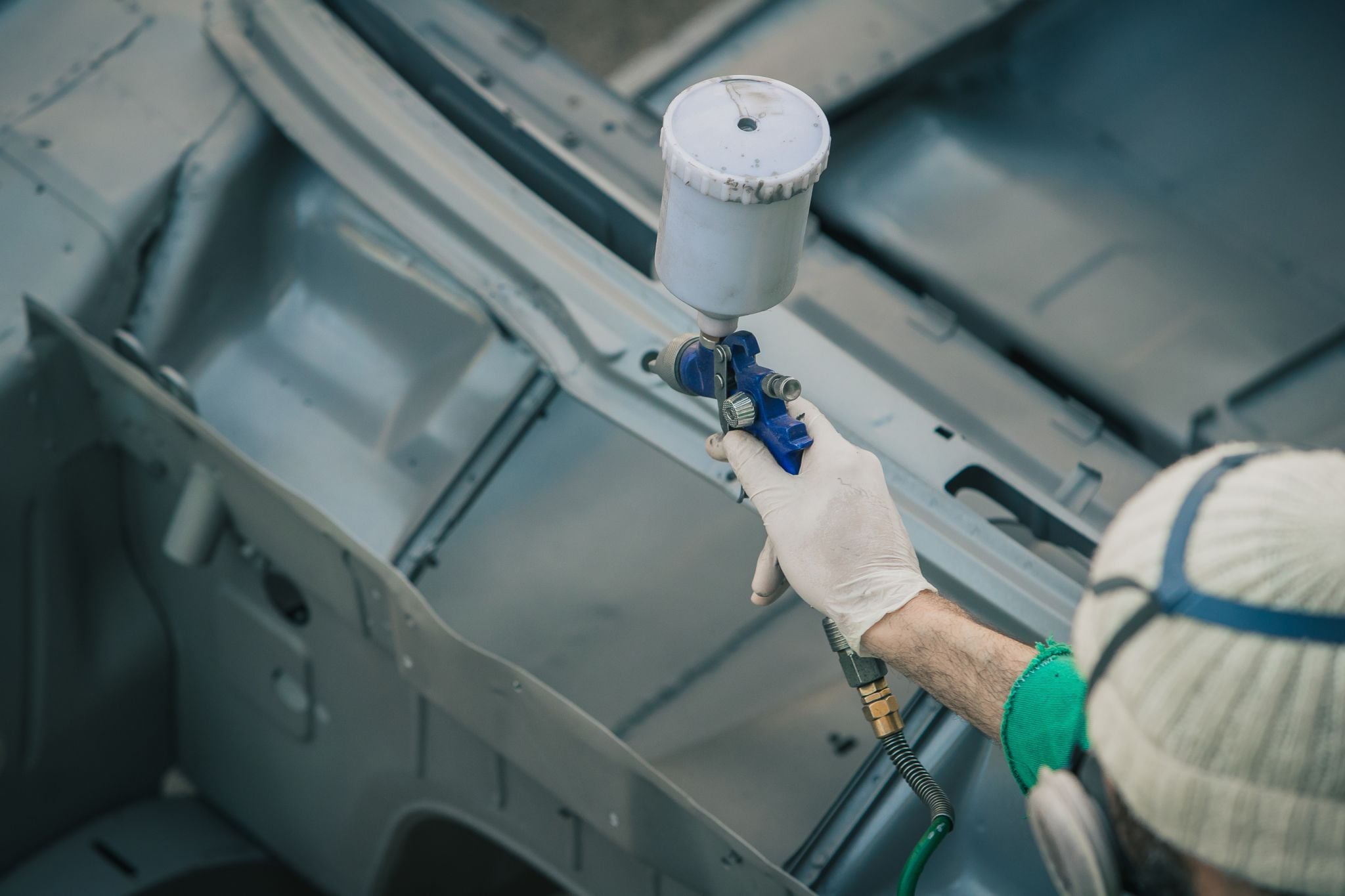
The primer is essential (Photo: Shutterstock)
After the wash primer, the conventional primer comes in, responsible for preparing the surface to receive the finishing paint. This helps to eliminate small imperfections left after sanding the polyester putty.
“The primer is what prepares the surface for the finish to be smooth and the varnish to have shine and visual quality.”
Primers also vary according to the final color of the vehicle.
“If the car is white, white primer is used. If it’s black, black primer. This avoids spending more paint to cover the bottom.”
After application, the primer goes through a new stage of curing and fine sanding until the surface is completely smooth.
5. Pigmentation and varnish: shine and ultimate protection
Painting is one of the last processes (Photo: Shutterstock)
With the preparation completed, the paint is applied and the painting begins to take shape. Next comes the varnish, considered one of the most important stages of finishing.
“The varnish is the glamour of the application. It is what gives shine, depth and protection against ultraviolet rays.”
Paint booth helps with finishing and safety
The drying booth saves time in the painting process (Photo: Shutterstock)
The application of paint and varnish can take place inside paint booths equipped with exhaust and air filtration. This, in addition to avoiding dirt on fresh paint, improves the working conditions of the professional.
“The cabin reduces suspended particles and prevents dirt on fresh paint. In addition, it accelerates curing with temperature control.”
According to Ricardo, clean and organized workshops already show greater concern with the quality of service.
“A clean workshop with an organized cabin already shows concern with the quality of the application.”
Another important factor is the painter’s health.
“Without exhaustion, the solvent vapors remain in the environment and the professional breathes it for years.”
Painting bumpers and other plastic parts requires specific care
The painting of bumpers and other plastic parts has important differences in relation to the painting of metal bodywork. Before priming, it is mandatory to apply a specific adhesion promoter for plastic.
“If you don’t apply the adhesion promoter, the paint doesn’t set properly on the plastic.”
In addition, when there is a need for correction in the part, a more flexible specific mass is used.
“Plastic vibrates and is more malleable. If you use a common dough, it can crack.”
Is it better to paint the whole car or piece by piece?
After understanding how the car painting process works and which types of painting are most common on the market, the interested citizen usually looks for which painting and which parts of the car he performs. The answer depends on the type of repair and the skill of the professional.
According to Ricardo, the painter often uses techniques to “open” the painting in neighboring pieces and disguise differences in tone.
“Sometimes the professional paints part of the piece on the side to disguise a possible color difference.”
This happens when only one part needs maintenance, but to avoid painting more parts and disguising the difference in shade between one part and another, the strategy is used.
Another situation in which this strategy can be feasible is in parts with natural wear faster than others. Hood and roof, for example, usually fade faster than doors and sides.
It is not always necessary to paint the entire piece
The micro-paintings and smart repair, already mentioned, put an end to the idea of mandatory painting of the entire piece.
According to Ricardo, in the past the equipment did not allow such localized repairs.
“There has been an evolution in both the equipment and the paints.”
Today, small scratches can be corrected without the need to paint the entire piece. The process uses smaller guns, aerosol primers and quick-drying varnishes.
“It is a well-localized process. Sometimes the repair is no more than the size of a hand.”
How long does a car paint take?
The time varies according to the structure of the workshop, the size of the damage and the products used. In workshops equipped with a cabin and optimized processes, the painting of a part can be ready in a single day. Larger services, such as a paint bath or complete painting, can take several days.
“A structured workshop can make a quick repair even on the same day. A general painting can take from one to five days.”
Without a paint booth, the process usually takes longer, mainly due to the drying time of the materials.
How do you know if the workshop uses quality products?
According to Ricardo, the consumer should observe which products are being used and be wary of prices far below average.
“The repainting process is laborious, artisanal. When the value is very cheap, you have to be suspicious.”
He recommends researching brands, asking for more than one quote and observing the structure of the workshop.
“An organized, clean workshop, with a paint booth and professionals wearing PPE is already a good indicator.”
The specialist also warns against workshops that mix products from different manufacturers.
“The system was developed to work together. Primer, varnish, putty and paint from the same manufacturer tend to deliver better results.”
Car paint price varies greatly
The price of car paint depends on several factors:
Varnish quality;
Need for a body shop;
Size of the repair;
Workshop structure;
Type of ink used;
Labor time.
Therefore, there is no standardized automotive paint price list on the market. The specialist says that the ideal is to make multiple budgets and be suspicious of values far below the others.
According to Artificial Intelligence, in Brazil currently a rim paint repair can vary between R$ 300 and R$ 1,000. A complete car painting costs at least R$ 3,000 and can exceed R$ 10,000.
Most common mistakes in automotive painting
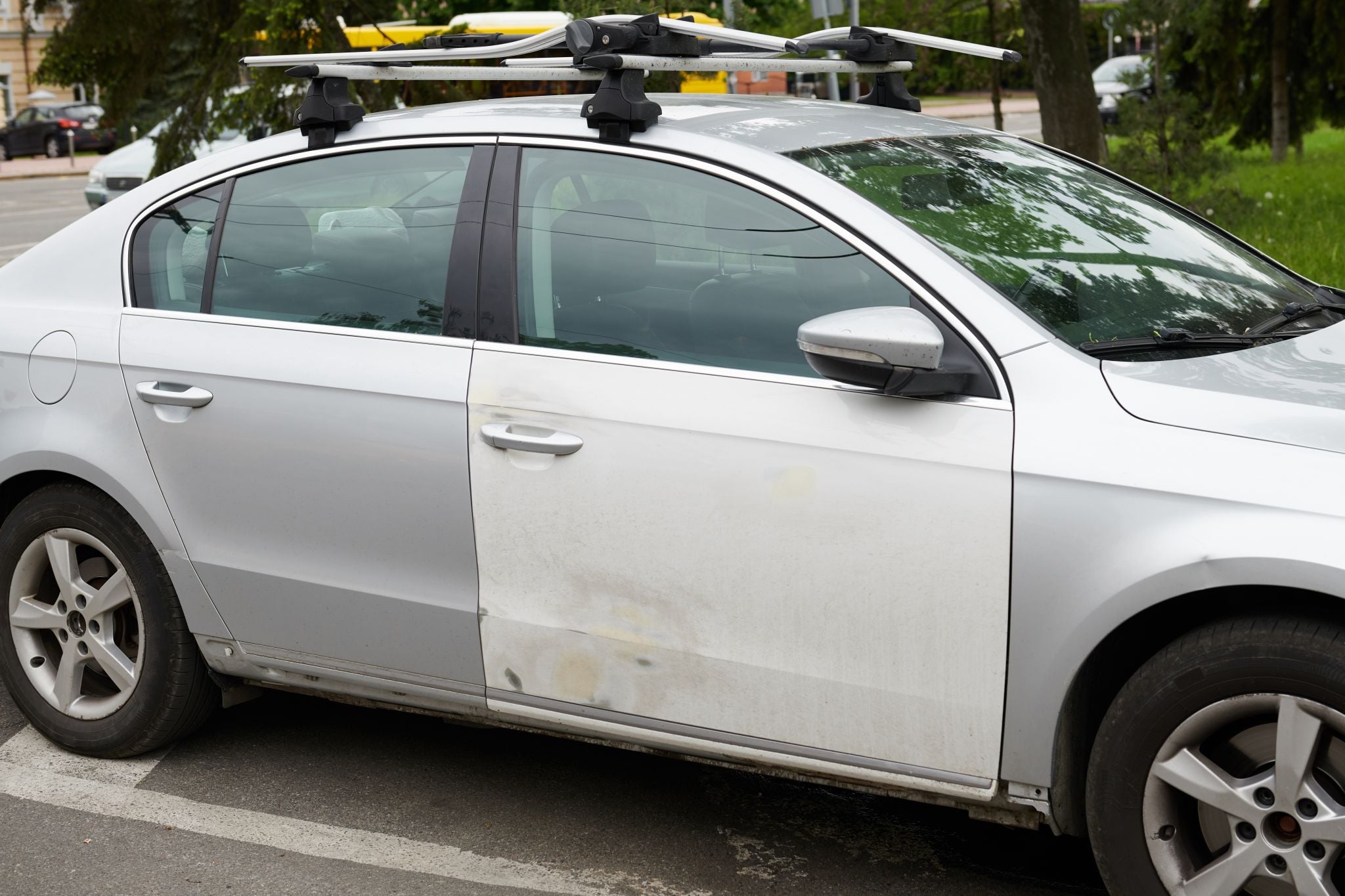
A job well done avoids differences in colors (Photo: Shuttestock)
For the specialist and PPG executive, among the most frequent problems found in car painting services are:
Difference in shade;
Sanding marks;
Dirt on the varnish;
Lack of shine;
Stripping;
Craters in the painting;
Low adhesion on plastic parts.
The specialist reinforces that the quality of the finish depends on both the products and the experience of the professional responsible for the application.
Comments are the sole responsibility of their authors and do not represent the opinion of this site. Comments containing profanity or offensive language will not be published. If you identify anything that violates the terms of use, please report it.