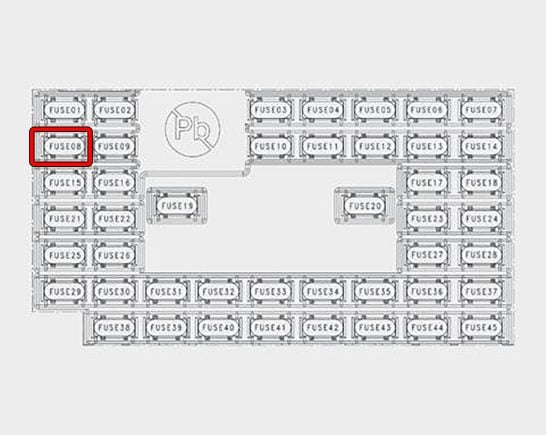
Today, there are influencers who seek engagement generating controversy. And to impact their follower base, they often turn a one-off problem into a systemic failure. The ball of the moment is Hyundai’s national models. After the case of the Creta without multimedia, the latest factoid is the HB20 alert without the OBD2 input fuse.
The subject spread in social media posts, with influencers condemning the brand’s practice. But as influencers are not reporters, they did not lend themselves to consulting the manufacturer before publishing their “findings” as absolute truths. We questioned Hyundai Motor Brasil to take a position on this problem. Until the publication of the article, the brand did not have a position for questioning. The space remains available for Hyundai to clarify whether this is an isolated case or not.
To get an answer, we contacted Hyundai dealership workshops to clarify the matter. According to the technician, the fuse comes with the car and must be installed during the vehicle’s delivery overhaul.
Thus, according to the technicians, 0 new car being delivered without the part is a punctual error in this process, as the installation of the fuse is part of a standardized procedure done at dealerships. According to the brand’s authorizer, this lapse may occur more frequently in cars sold to large fleets, which may not undergo delivery review.
How to know if your Hyundai is missing the number 8 fuse
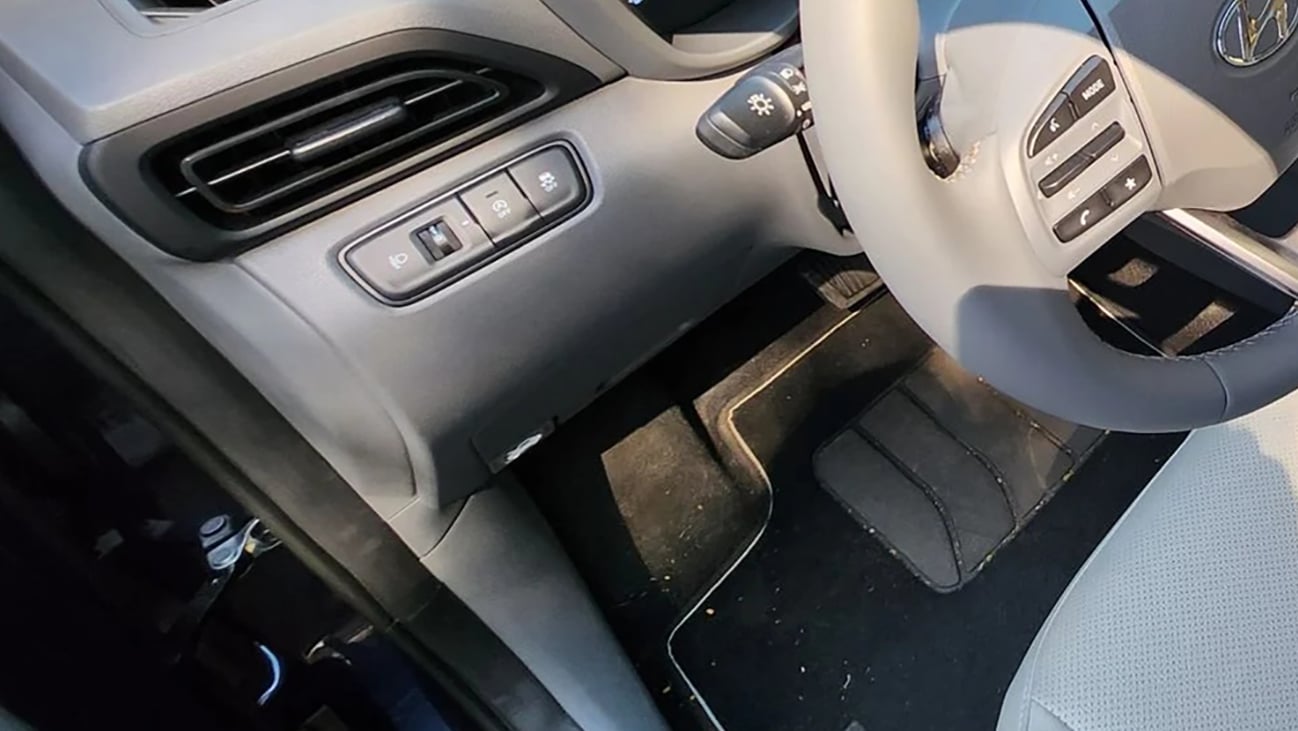
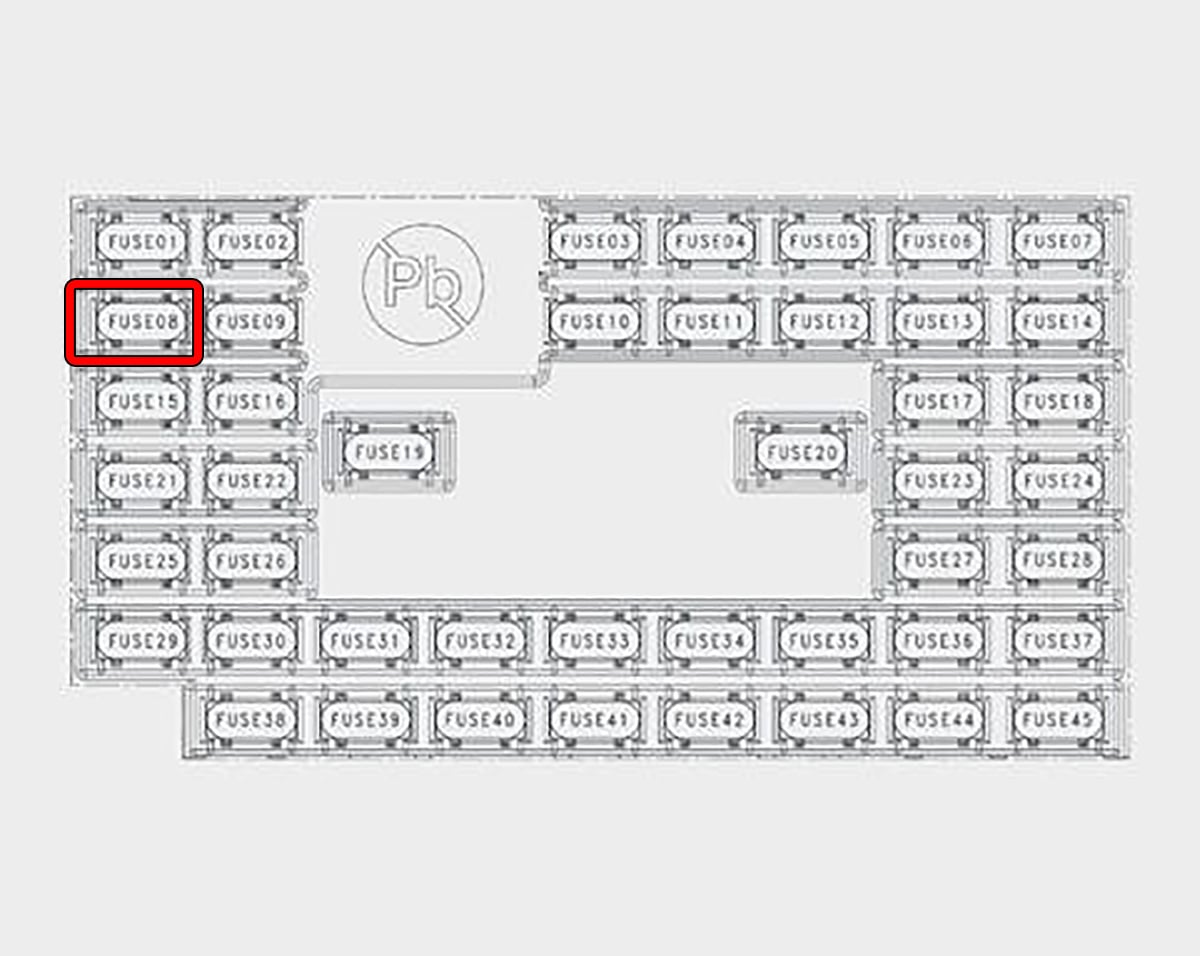
The fuse box is next to the lever that unlocks the hood (Photo: Marcelo Jabulas | AutoPapo)Fuse 8 is the second of the first column
But what is this fuse and what is it for? The fuse in question is number 8, from the box located inside the car. According to the owner’s manual, he is responsible for module 8, which controls some functions, including the energization of the OBD2 input.
Module 8 in Hyundai cars powers the car’s OBD2 input, takes care of the door lock button lighting and the open door alarm. Without the fuse, these functions do not operate.
In the case of the OBD2 port, it continues to work, but because it is not receiving power, it is not possible to connect scanners and accessories that depend on electrical power. The diagnostic and fault recording functions of this system are still operational.
If your car did not receive the part during the delivery overhaul, the solution is simple: put a 10A fuse in place. He is the second of the first column in the box; The correct position is described in the owner’s manual.
What is the OBD2 input used for?
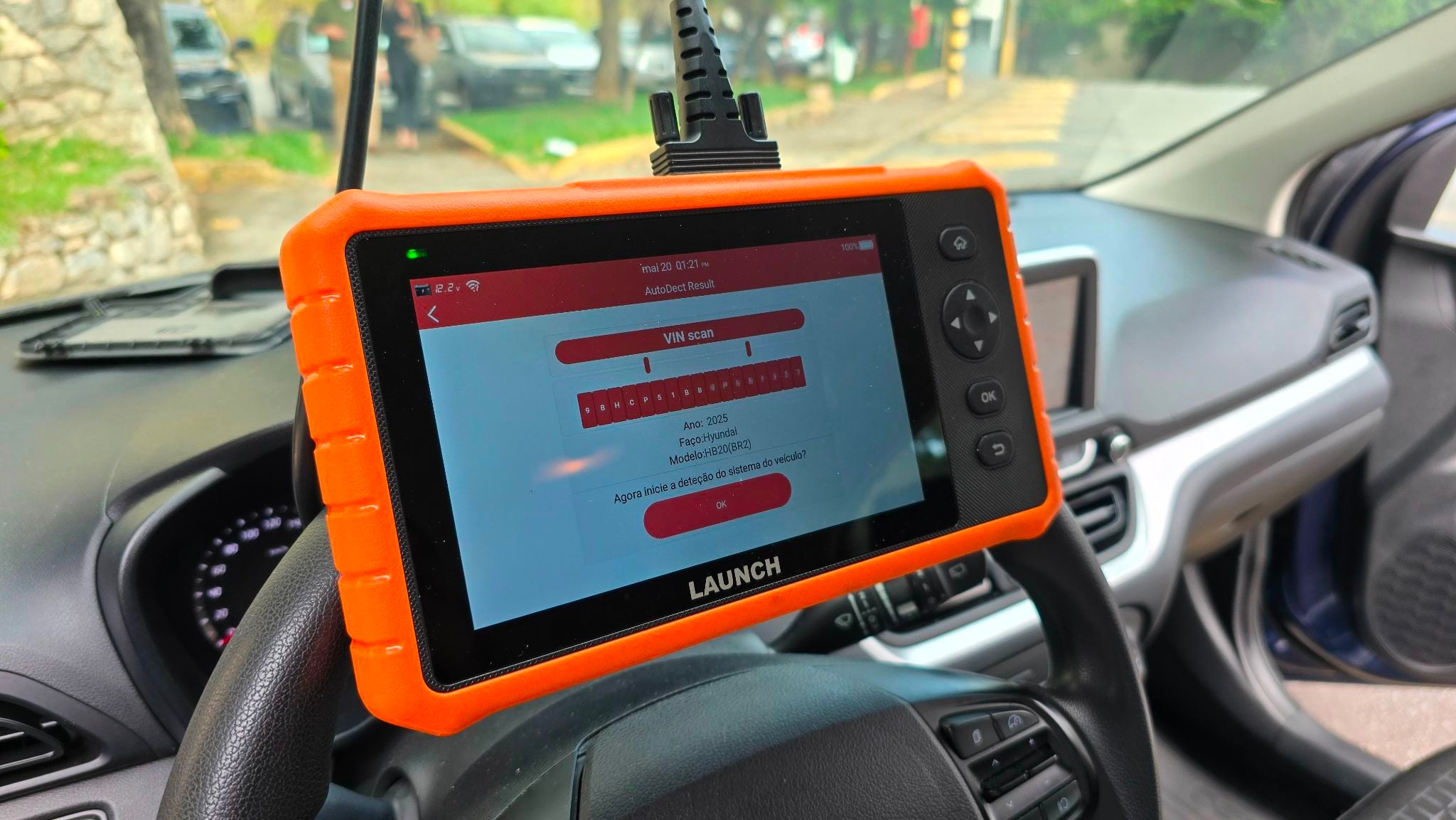
This system performs car fault diagnostics, which can be consulted by a scanner (Photo: Eduardo Rodrigues | AutoPapo)
The acronym OBD stands for “on-board diagnostics”, on-board diagnostics in a direct translation, and the “2” refers to the second version of this system. It has been mandatory in all cars sold in Brazil since 2011, but it is already found in models from the late 90s due to standardization by automakers.
The OBD2 system performs diagnostics on the cars and records errors or failures, using parameters from the electronic centers and sensors.
By plugging a scanner into this input, it is possible to see the fault logs, which helps mechanics a lot. A dashboard light, such as the “Check Engine”, can come on for a variety of reasons, and OBD2 will indicate what caused it.
There are also several accessories on the market to be connected to this input, such as on-board computers and additional dials. But it is risky to use these devices.
According to mechanic Ludovico Ballesteros, owner of Pitucha Centro Automotivo, the OBD2 input should only be used for diagnostics. It does not recommend using any connected accessories full-time.
The lack of a fuse in Hyundai cars can hinder the use of one of the most popular accessories, which is the Bluetooth scanner. It works only as a connector and, to use it, you need to have a scanner app on your smartphone. Without the fuse, there is no power for connectivity to work.
What should HB20 owners do?
If the reader owns an HB20 and is in doubt whether the fuse has been correctly installed, seek authorized assistance and ask for verification that the part has been properly connected.
Comments are the sole responsibility of their authors and do not represent the opinion of this site. Comments containing profanity or offensive language will not be published. If you identify anything that violates the terms of use, please report it.