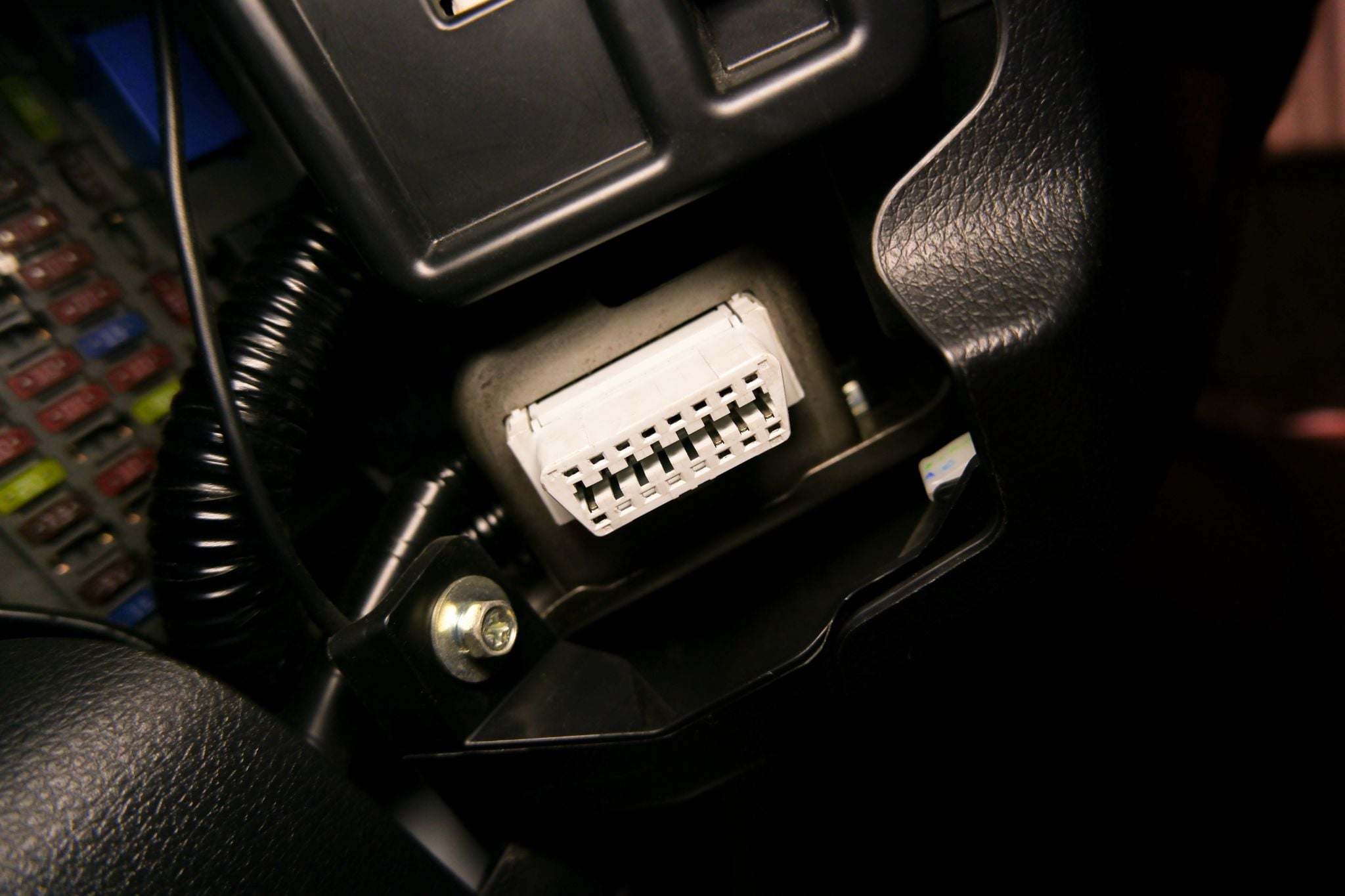
Electronics have made cars very easy to deal with, taking care of various fine-tuning to improve engine operation and other functions. It also brought facilities at the time of maintenance, one of the most practical solutions was the adoption of the OBD2 input.
This standardized connector became mandatory in the USA in 1996, in Europe the standardization was in 2001. Brazilian cars received the system in the late 90s due to brand standardization, but this only became mandatory in 2010.
The name OBD stands for on-board diagnostics. The II indicates that it is the second version, the first generation of this system was introduced in the late 80s and had more limited operation.
What is the OBD2 input used for?
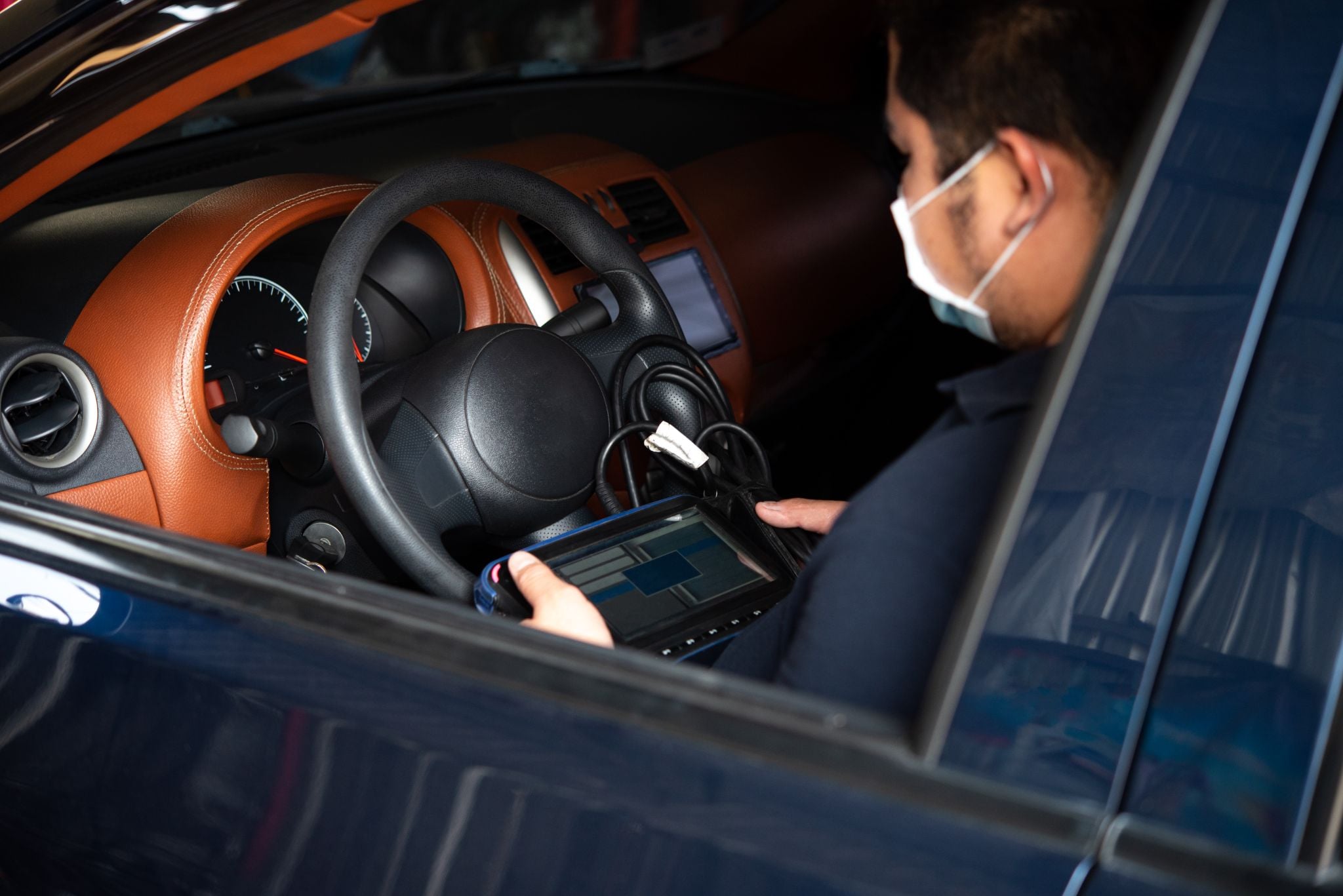
The car registers the errors and you can identify them through a scanner (Photo: Shutterstock)
The OBD2 input allows you to connect a scanner and receive diagnostics of problems detected by the car’s control unit. It should always be within reach of the driver, at a distance of up to 61 cm from the steering wheel.
On the connector there are 16 pins, each responsible for some kind of reading or acting as ground. The car diagnostic system stores the fault codes and errors detected to facilitate the mechanic’s work.
The engine fault light, also called the injection light, can come on for a variety of reasons. By plugging a scanner into the OBD2 input it is possible to find out the specific reason. This goes for other lights, such as the airbag that also activates due to failures in the seat belt pretensioner.
Accessories connected to the OBD2 port require attention
This standardization in diagnosis allowed homeowners to do checks at home. There are several types of scanners for sale on the internet, some are Bluetooth connectors to read on smartphones and others are dedicated devices.
Standardization also allowed various accessories to be created to connect there, such as dials, on-board computers and head-up display. But these in particular can be dangerous.
According to mechanic Ludovico Ballesteros, owner of Pitucha Centro Automotivo, it is not recommended to leave accessories connected directly to this entrance:
The OBD2 port should only be used for access to information and some actions it is not advisable for a device to be connected to it full time.”
HB20 fuse
The Hyundai HB20 became the subject of controversy after some mechanics posted on social media that the model comes standard without the OBD2 input fuse. This fuse is number 8, which is responsible for the module that energizes this input and also takes care of other details such as the lighting of the door lock button.
Without the fuse, it is not possible to take readings with scanners that depend on the power supplied by the car. The solution is simple: place the missing component.
We sought Hyundai to clarify the matter, the company did not respond until the closing of the article. The space remains open.
Comments are the sole responsibility of their authors and do not represent the opinion of this site. Comments containing profanity or offensive language will not be published. If you identify anything that violates the terms of use, please report it.