Composed of the Netherlands, Japan, Sweden and Tunisia, Group F has very different markets. The best-selling cars in them are from different segments.
Here we have some brands that have not yet appeared on the lists, Honda and Volvo, while Škoda and Kia are returning. See the list of the best-selling cars from these countries.
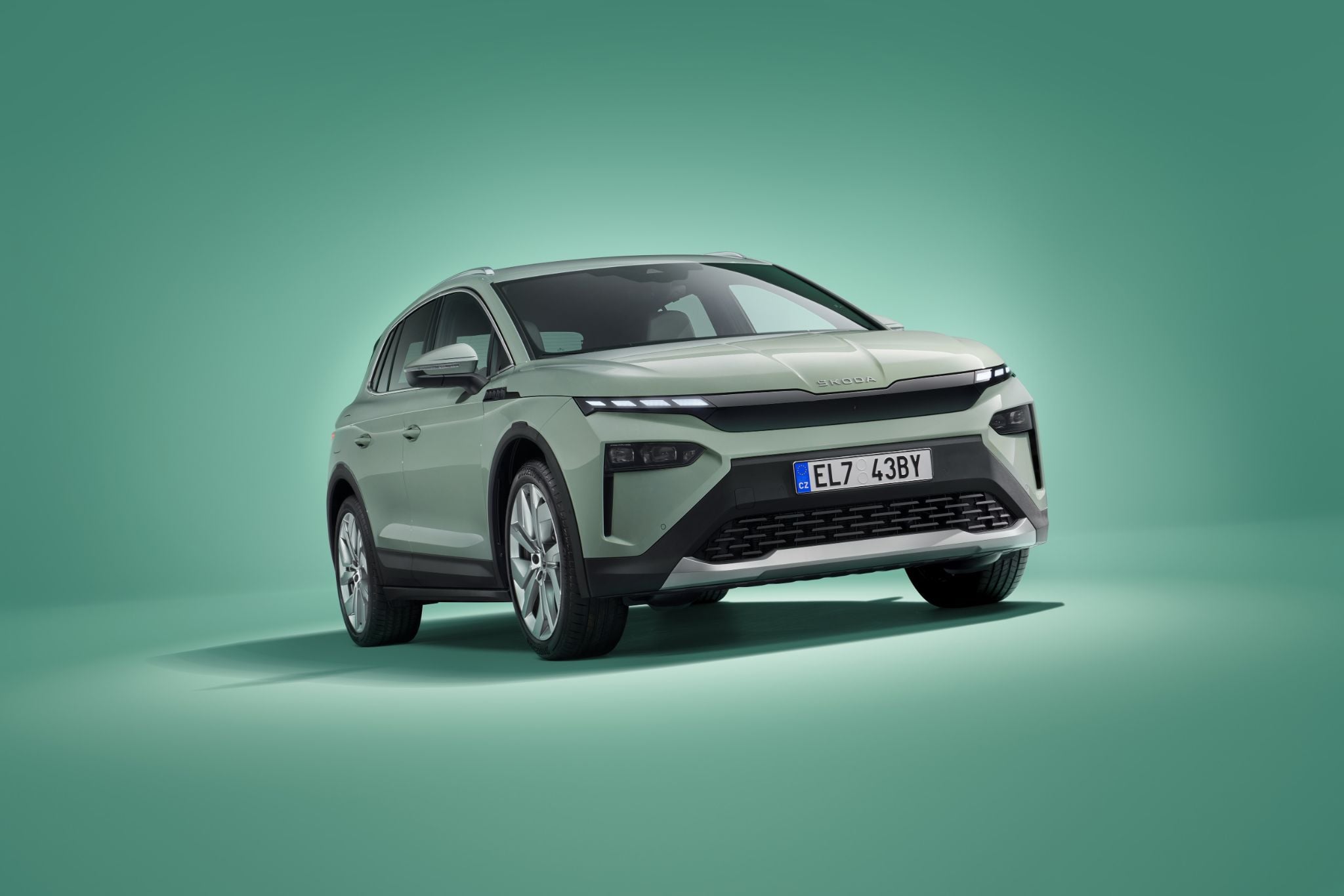
The Elroq is a cousin of the VW ID.4 with a less exotic look (Photo: Škoda | Disclosure)
The Netherlands is the birthplace of DAF, which has sold passenger cars, invented the CVT transmission, but today only produces trucks. It is also the country where Stellantis is headquartered.
The best-selling car there is the Škoda Elroq, an electric medium SUV derived from the Volkswagen ID.4. Its design is discreet and can pass for a combustion model for those who don’t know.
Japan
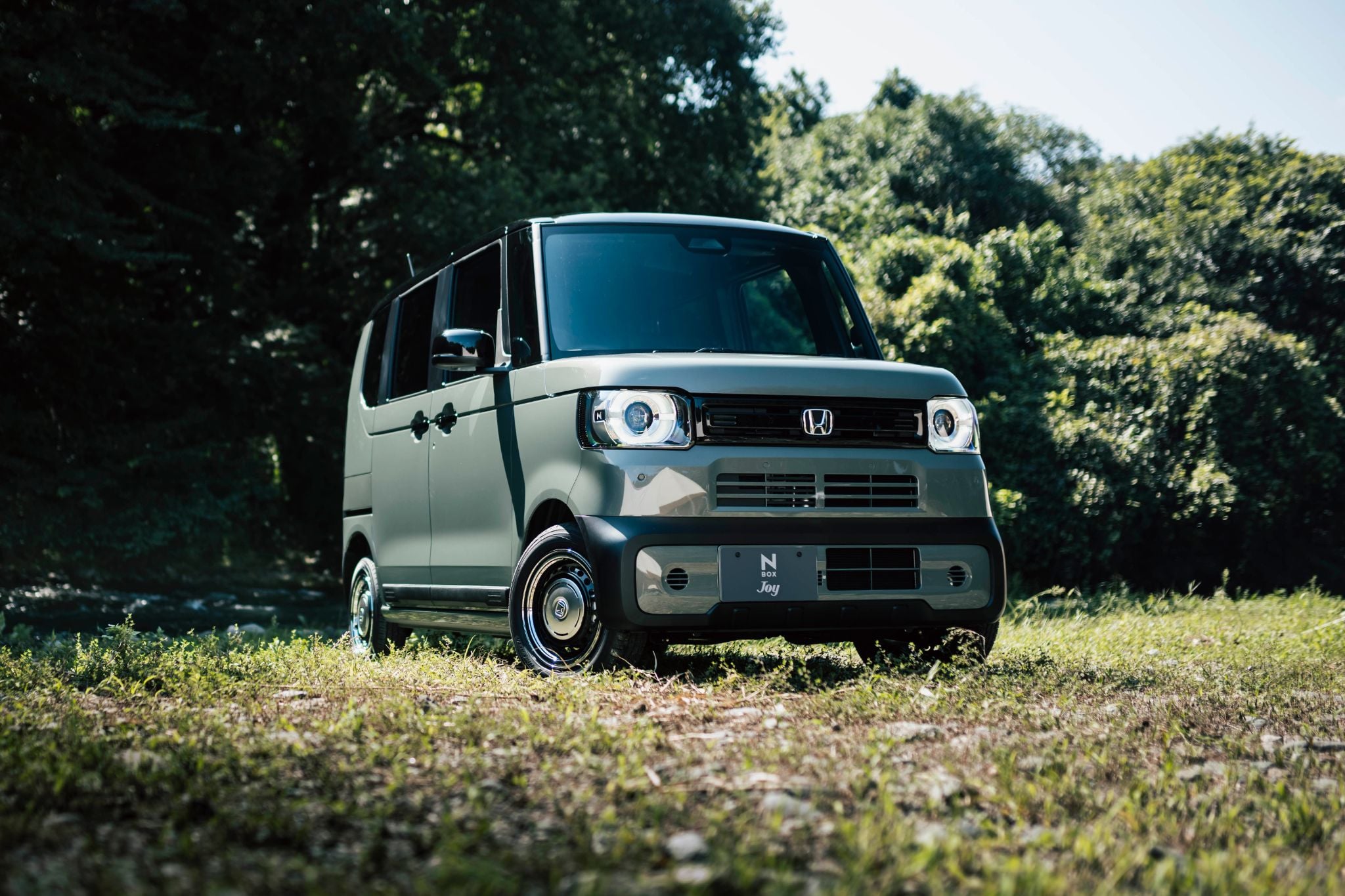
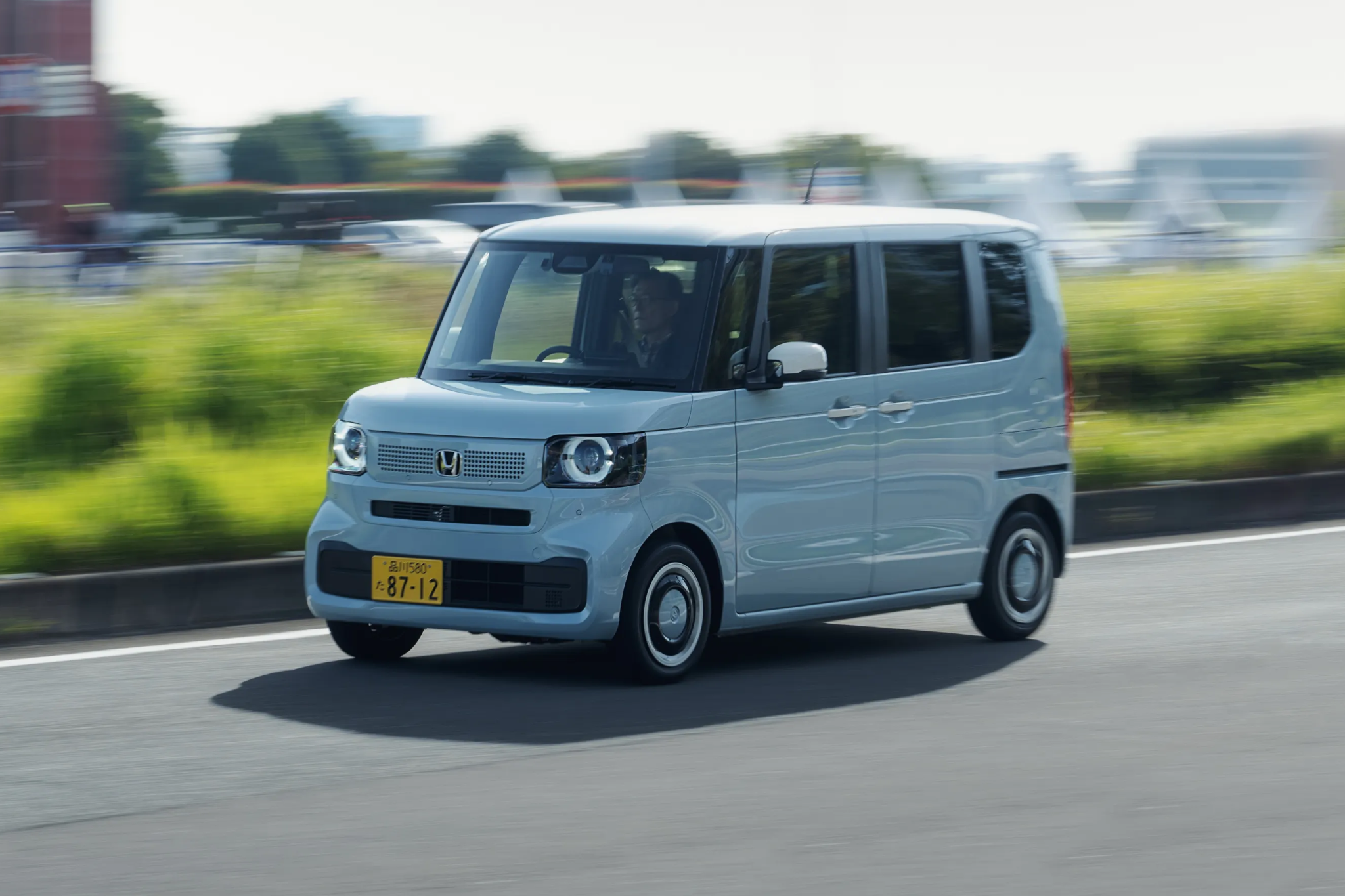
The N-Box is an expensive kei with a more spacious interior than many SUVs (Photo: Honda | Disclosure)
In Japan there are kei cars, urban subcompacts with a predetermined maximum size and that use 660 cm³ engines with up to 64 hp. They are less taxed and the owner does not need to prove that he has a parking space to be able to register the vehicle, which is why they are so popular.
The best-selling model in 2025 was the Honda N-Box, a 3.39 m long minivan with sliding rear doors. Despite being small, the use of space is good, it takes 4 adults comfortably and still has the modular Magic Seat system.
Sweden
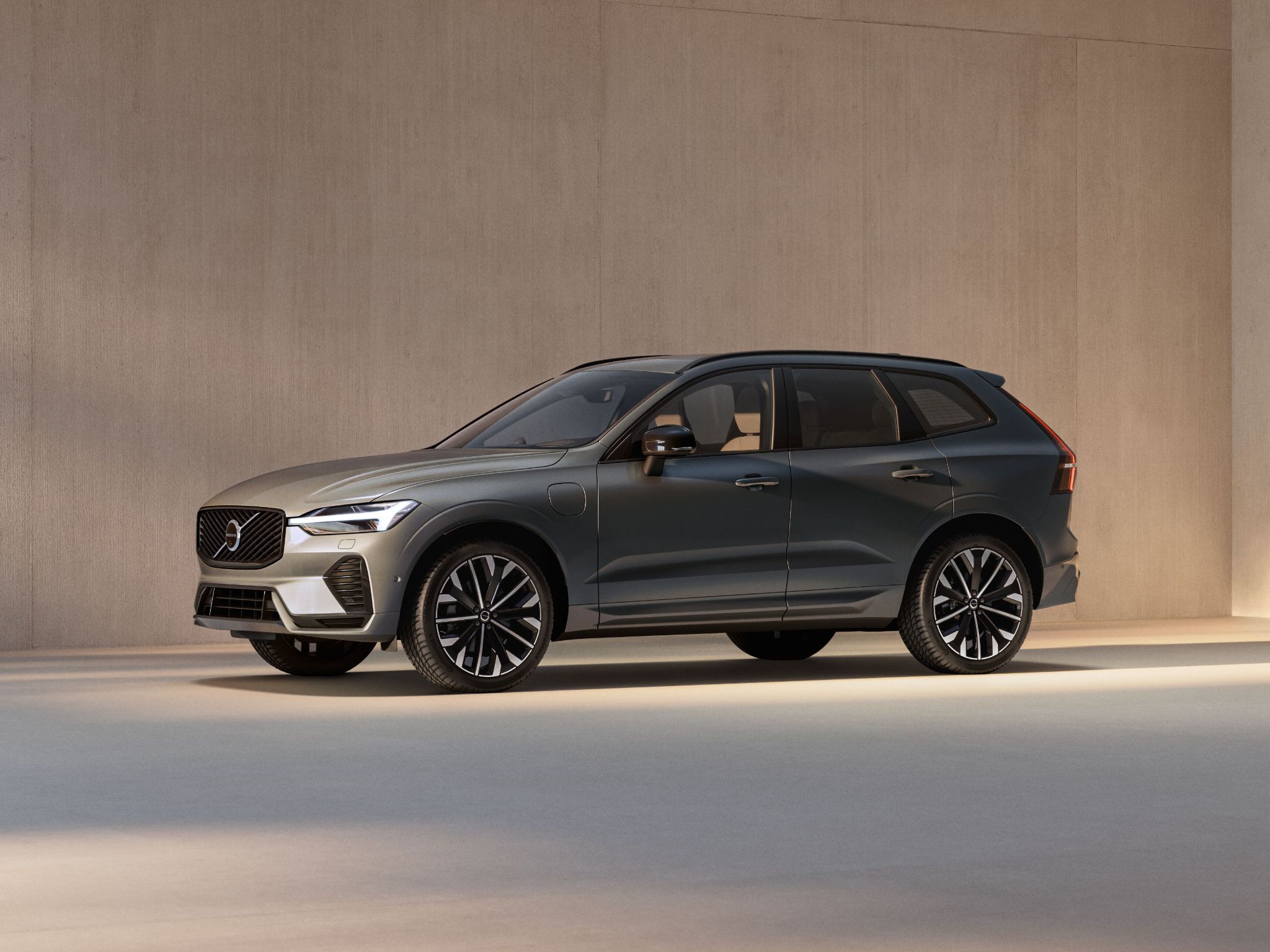
Even with more than 10 years on its back, the XC60 still sells well (Photo: Volvo | Disclosure)
Since the end of Saab, only Volvo has been left as a Swedish car brand, in the heavy sector there is still Scania. The population seems to be proud of its industry, as the best-selling model in 2025 was the XC60 SUV.
With the change in plans of the brand, which intended to sell only electric cars, the XC60 gained a face-lift in 2025. This SUV is the best-selling car in the history of the brand, if it depends on Sweden it will continue like this.
Tunisia
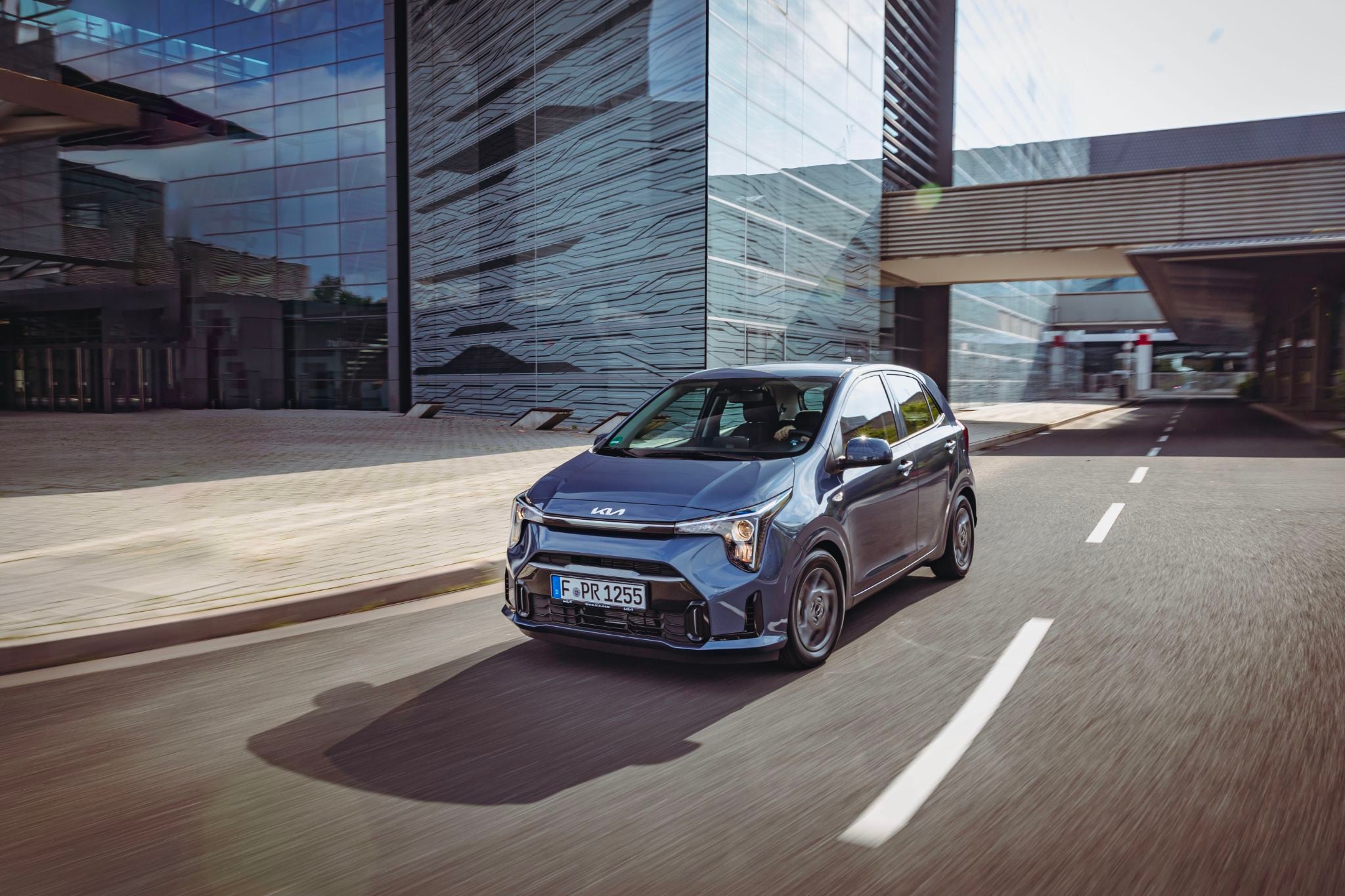
The Picanto has already been successful in Brazil, today it stands out in Tunisia (Photo: Kia | Disclosure)
The Kia Picanto was successful in Brazil until it was hindered by the increase in import taxes. In the rest of the world it remains popular, so much so that it is produced in four different countries and leads some markets.
Tunisia does not produce Picanto, but imports it from neighboring Algeria. Currently, the hatch is in the third generation, which was sold in Brazil only in a batch of 100 units brought in 2018.
Comments are the sole responsibility of their authors and do not represent the opinion of this site. Comments containing profanity or offensive language will not be published. If you identify anything that violates the terms of use, please report it.