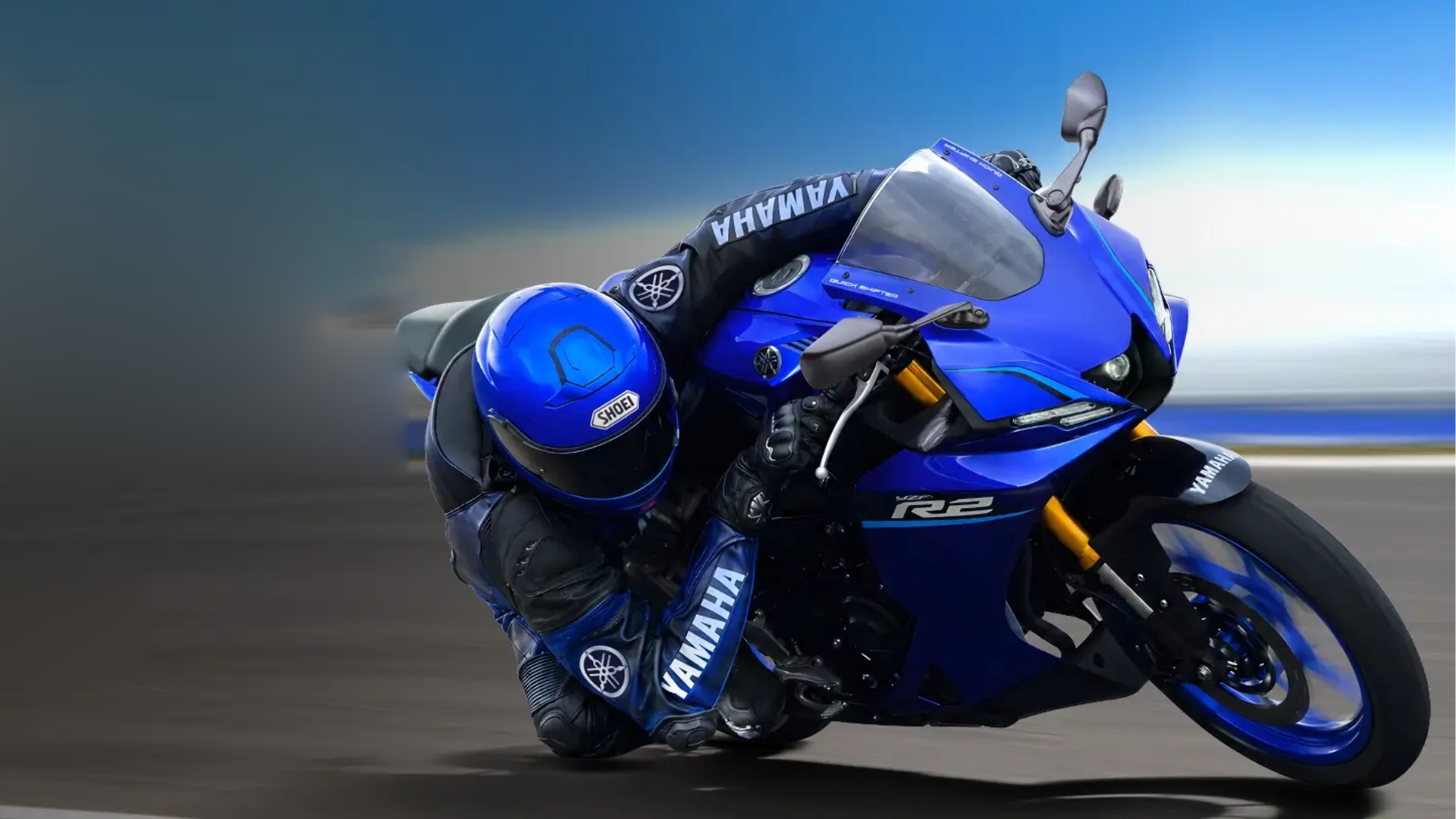
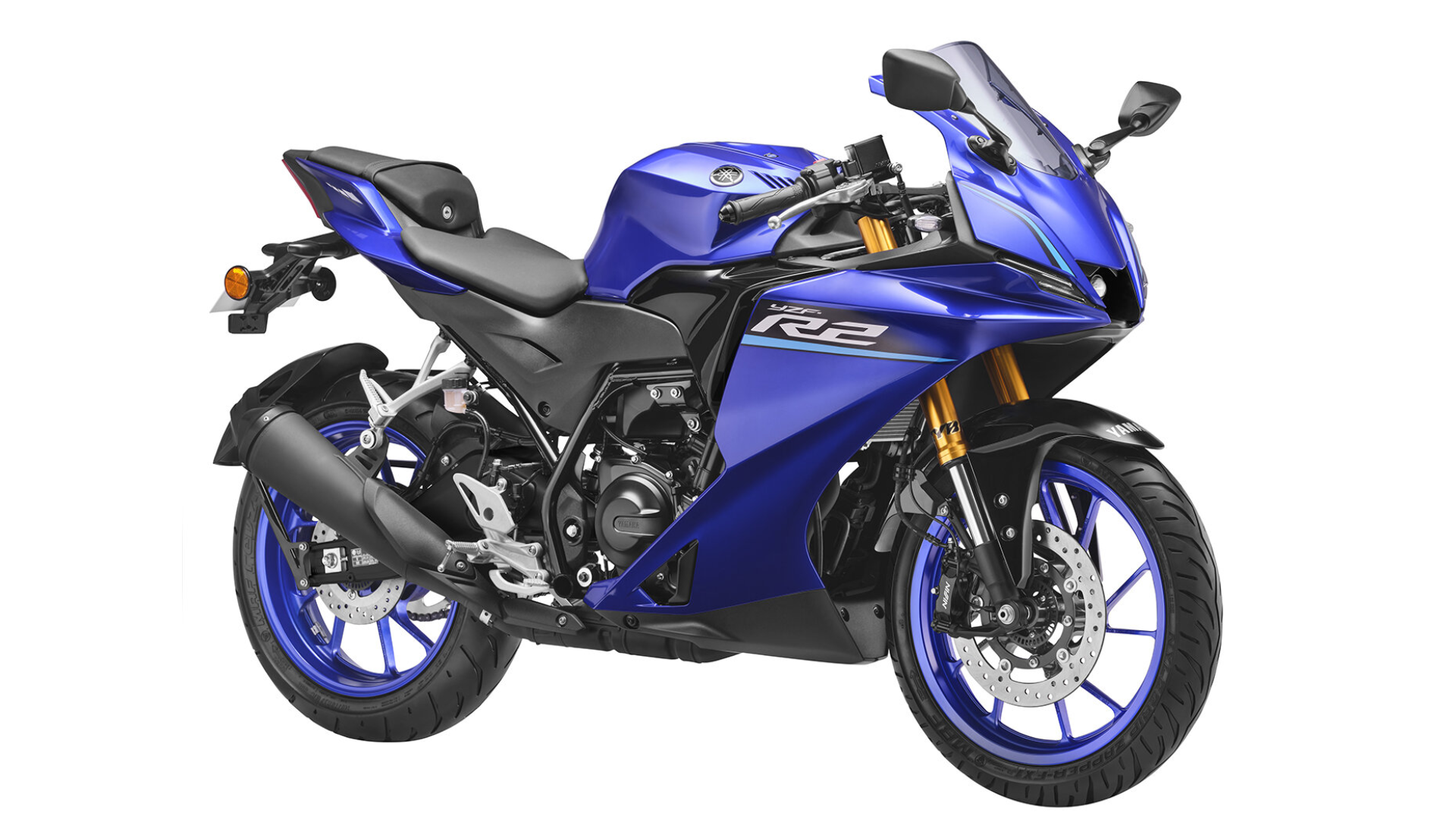
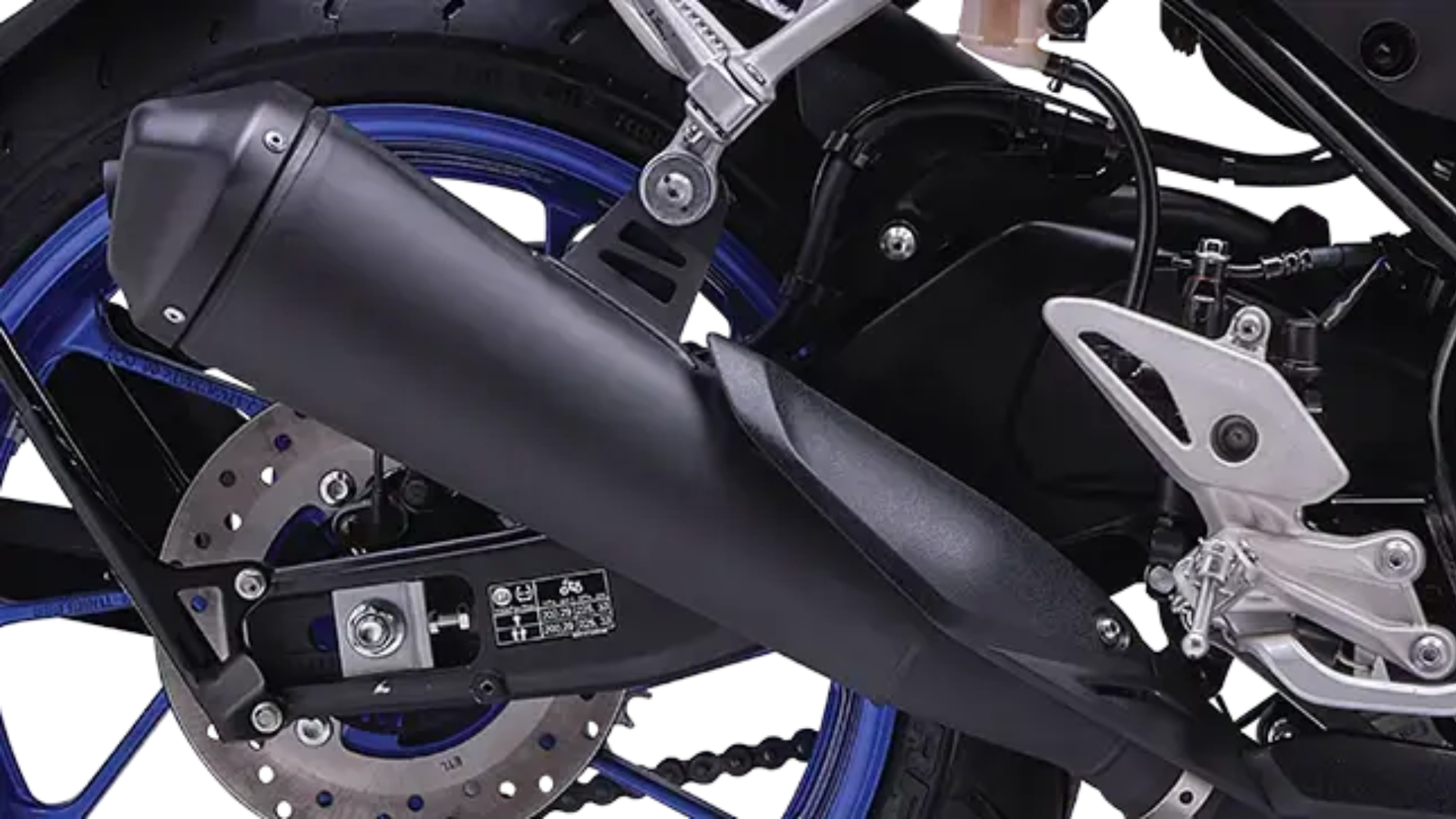
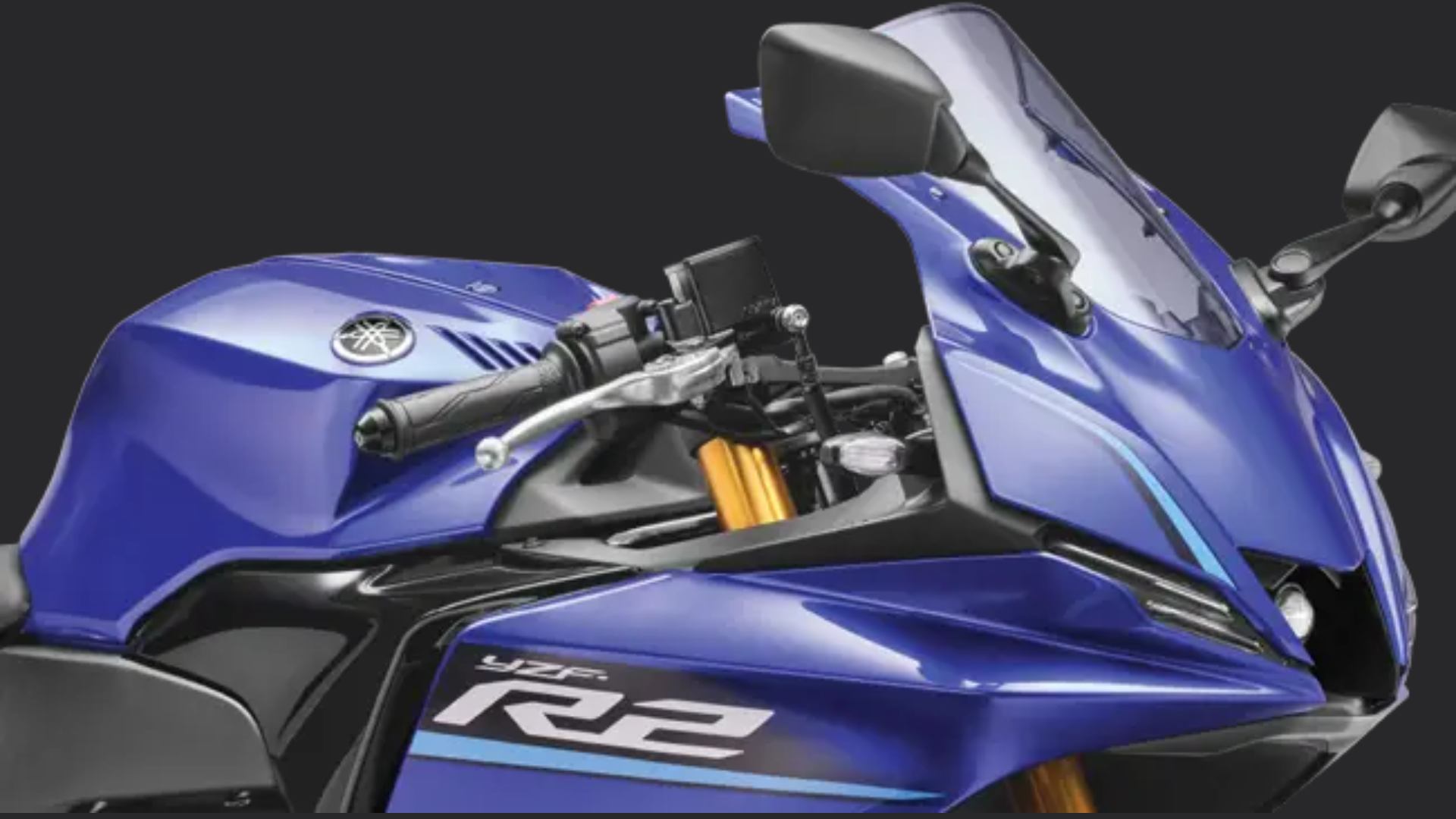
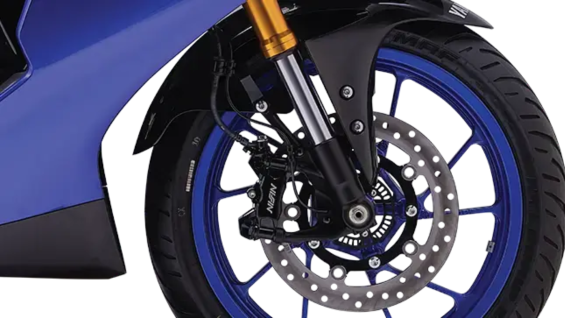
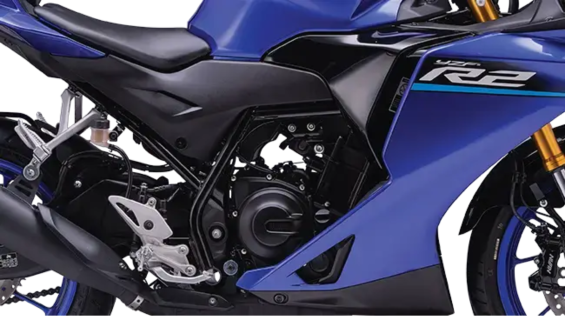
The Yamaha R2 was officially launched in the Indian market in early September, occupying an important position as a slightly larger model in a country that sells a high volume of small motorcycles. In Brazil, the novelty would be a middle ground between the small R15 and R3, and so its arrival, which has not yet been mentioned by the manufacturer, could be genius or a very wrong move.
The Yamaha R2 is the brand’s largest motorcycle in India (Photo: Yamaha | Disclosure)
Brazilian market and Yamaha
motorcycles More than two years ago, Yamaha introduced the small R15 in the Brazilian market, which stands out as the smallest sports car in the country. The measure was accurate and captivated a specific audience of sports fans who want a simple and low-cost model, as well as those thinking of starting in the world of the tracks.
Before, the brand’s smallest sports car was the R3, a more skittish model for those who dare in the first few laps.
For some, such as sector expert Seku Mello, the introduction of the R2 in Brazil could be a good investment thinking about filling a gap between one model and another, but it could also negatively interfere with the already established market they have.
In the Asian market it makes sense. The 200 and 250cc market there is very competitive, very voluminous, especially in India. There it is common for brands to have 150, 160, 200, 250 motorcycles.
Now, in the case of Yamaha, having the R15 already in our market and launching an R2 on top of it is a complicated point, but probably, in this sports niche that is small, it would end up eliminating the R15″, said Seku.
Seku also stated that, in his opinion, it would be interesting to have another bike as an option for the Brazilian, but that Yamaha probably wouldn’t risk putting the two together here.
Replacing the R15 with the R2 would then be the most logical strategy, but, considering that there is already a market very loyal to the small sports 150 – which even has competitions promoted by the brand itself – it is most likely that the brand will at least wait a few more years for the launch of the new 200, since the R15 is still new in Brazil.
The move to put a 200 sports bike between a 150 and a 300 would be, in a way, revolutionary.
The onslaught against the large power gaps between the motorcycle categories that exist in Brazil would fill the market with more options, which is a positive point. In addition, Yamaha would be the first major brand in Brazil to return with a 200 model after more than two decades.
Contrary to this idea comes the price. Considering that the R15 costs from R$ 23.690 and the R3, R$ 37.490, the R2 would reach around R$ 30 thousand.
As much as the new bike is a technological sports bike, this price range is above the national average for engines smaller than 300 cm³.
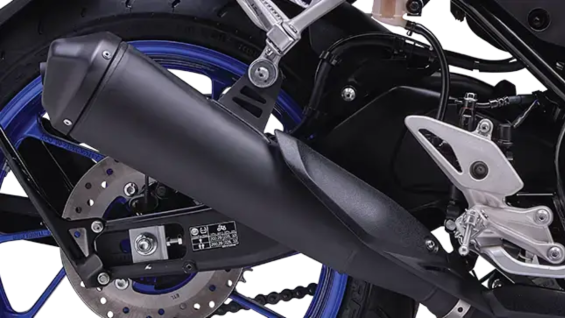
Sporty has the same design as the other bikes in the R family (Photo: Yamaha | Disclosure)
Yamaha’s
position Asked by AutoPapo, Yamaha Brazil did not take a position on the news.
The silence was already expected, not least because it respects the borders between the representatives of each country.
Low expectations
Those who expect a Yamaha R2 in Brazilian stores can prepare their pockets to take a bigger or smaller one — or at least hope for an unexpected move from the Japanese.
What is the Yamaha R2
like? Announced by Yamaha on September 4, the R2 arrives at Indian dealerships in the middle of this month as a 2027 model, produced locally by India Yamaha Motor. The brand positions it above the R15 and within the strategy for emerging markets, with three versions ranging from daily use to track day.
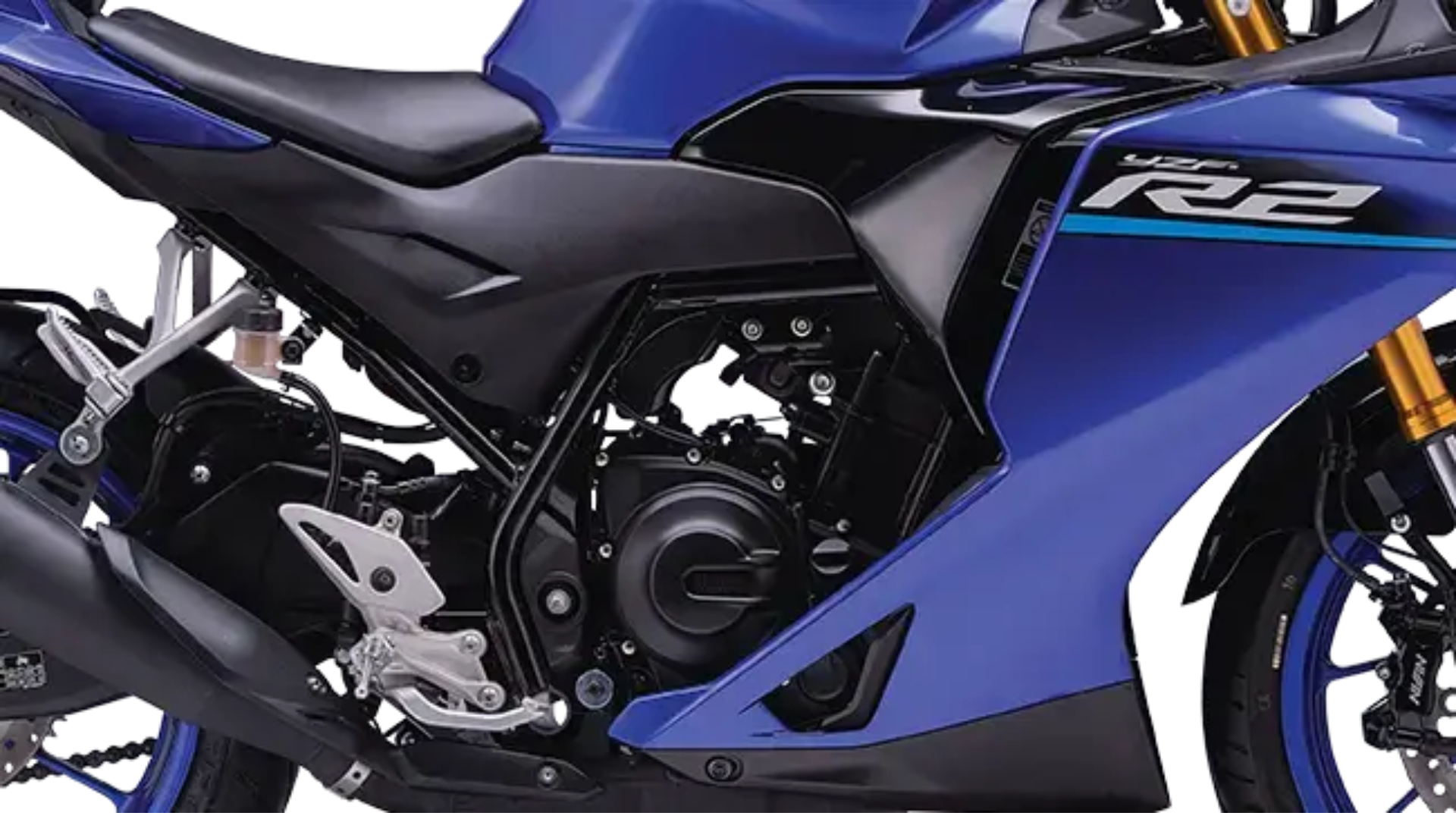
The highlight is the 204 cm³ single-cylinder engine — sold commercially as a 200 — with four strokes, dual camshaft, four valves, electronic injection and liquid cooling. There are 26,1 hp and 1,9 kgfm. Yamaha claims that the power is the highest in the range of 126 to 200 cm³ and says it has adopted semi-dry lubrication to reduce friction losses.
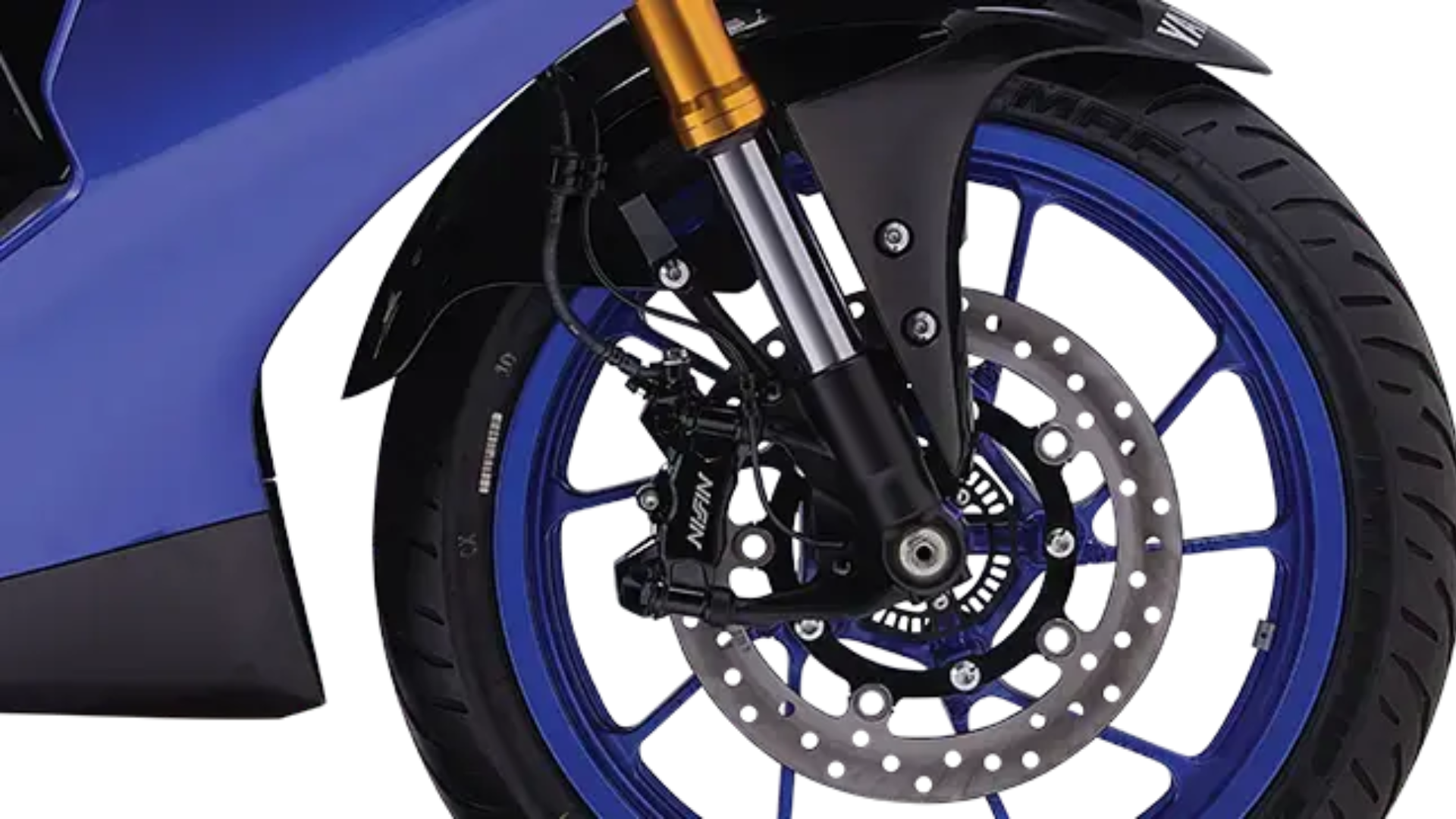
The gearbox has six gears and the assisted slipper clutch is standard on all versions. The third-generation bidirectional quickshifter comes standard only in the intermediate and top-of-the-line versions. The electronics also feature electronic throttle (YCC-T), traction control and riding modes by the Yamaha Ride Control system — an unusual package in displacement and precisely what would create distance from the R15.
The chassis is tubular steel, diamond-type, and the manufacturer reports 149 kg. The design follows the identity of the R line, with a narrow and compact fairing.
Comments are the sole responsibility of their authors and do not represent the opinion of this site. Comments containing profanity or offensive language will not be published. If you identify anything that violates the terms of use, please report it.