


Why will the US charge tolls for rockets launched in the country?
New charge on payloads seeks to bolster the budget of the agency responsible for licensing commercial rocket missions in the country
By
Júlia Haddad
Published on 2026-05-08 at 05:00 PM
Updated on 2026-05-08 at 05:35 PM
Published on 2026-05-08 at 05:00 PM
Updated on 2026-05-08 at 05:35 PM
Be the first to comment.
Summarize with:
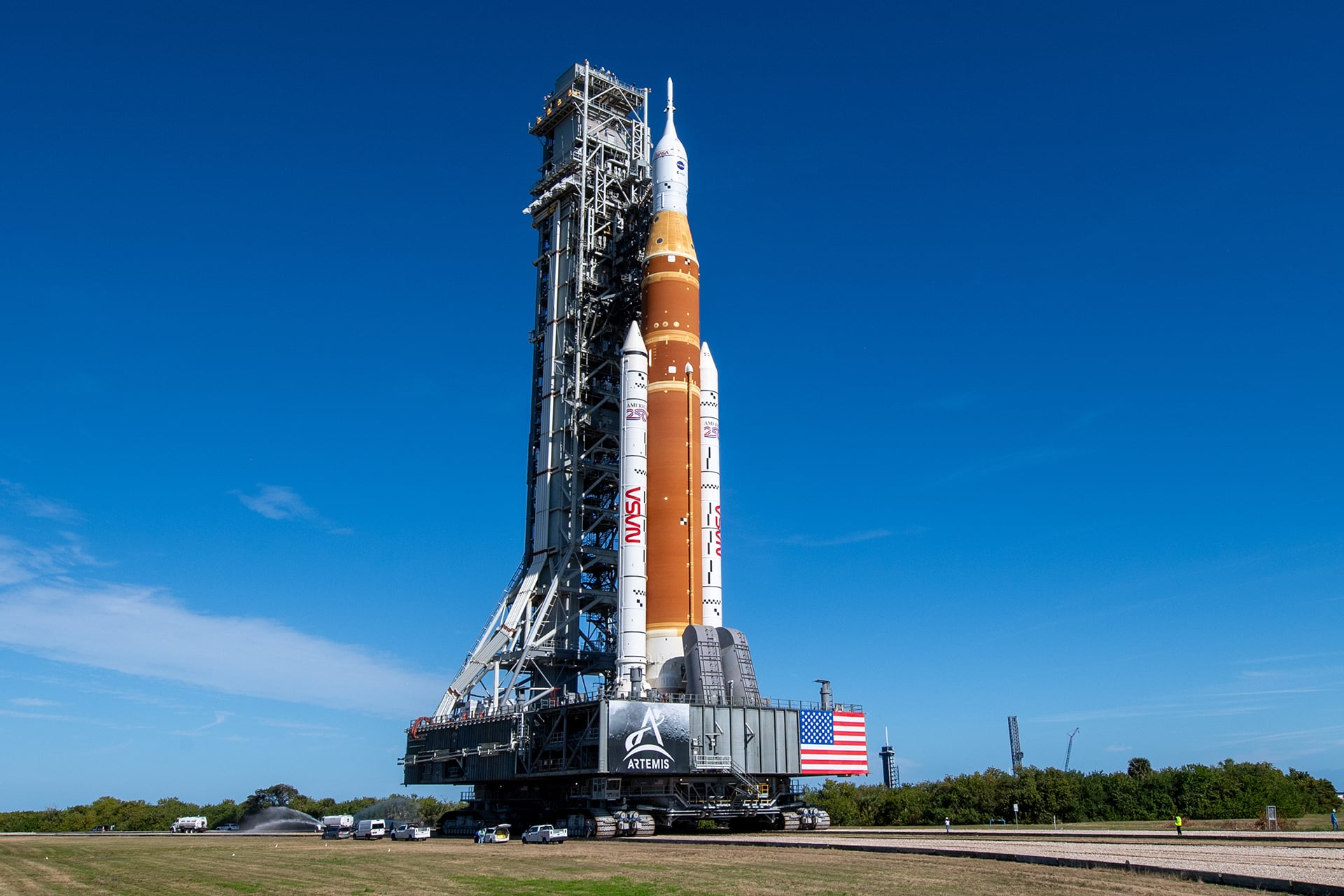
The Federal Aviation Administration (FAA), the aviation and space regulatory body in the United States, announced the implementation of an unprecedented tariff on commercial space rocket launches. The measure, which comes into force in 2026, directly affects payloads certified by the Commercial Space Transportation Office (AST). The agency is responsible for overseeing critical safety, environmental impact, and legal compliance requirements of private operations in the industry.
The decision comes at a time of budgetary pressure for the agency. In 2025, AST faced a 5.6% retraction in its funding, despite the exponential growth of commercial aerospace activities. The United States government has since defended a 43.3% recomposition in the entity’s budget. The new fee is seen as a solution to expand the operational capacity and technical staff of the agency, which today deals with a demand for licenses above its production capacity.
SEE ALSO:
- New aluminum crisis can make your next car more expensive by up to R$ 7.500
- California has found a way to fine self-driving cars without drivers
- Drivers who like to race have changes in their brains, scientists find
The initial charge was set at $0.25 per pound (about 453 grams) of payload sent into space, with a cap of $30,000 per mission. Although the values seem reduced compared to the millionaire costs in the sector, the FAA intends to apply the tariff retroactively to all launches made since January 2026. This interpretation can generate immediate charges of millions of dollars for major space exploration companies.
The legal basis for the tariff is the “One Big Beautiful Bill” law, signed into law in 2025 by Donald Trump. The plan foresees gradual readjustments until 2033, when the value per pound could reach US$ 1.50 and the ceiling per launch will reach US$ 200 thousand. After this period, the amounts must be adjusted annually for inflation.
SEE MORE ABOUT

0 Comments
Comments are the sole responsibility of their authors and do not represent the opinion of this site. Comments containing profanity or offensive language will not be published. If you identify anything that violates the terms of use, please report it.