Drivers who like to race have changes in their brains, scientists find
Research indicates that the brain's reward system is activated by acceleration stimuli, generating a biological response similar to that of chemical addictions
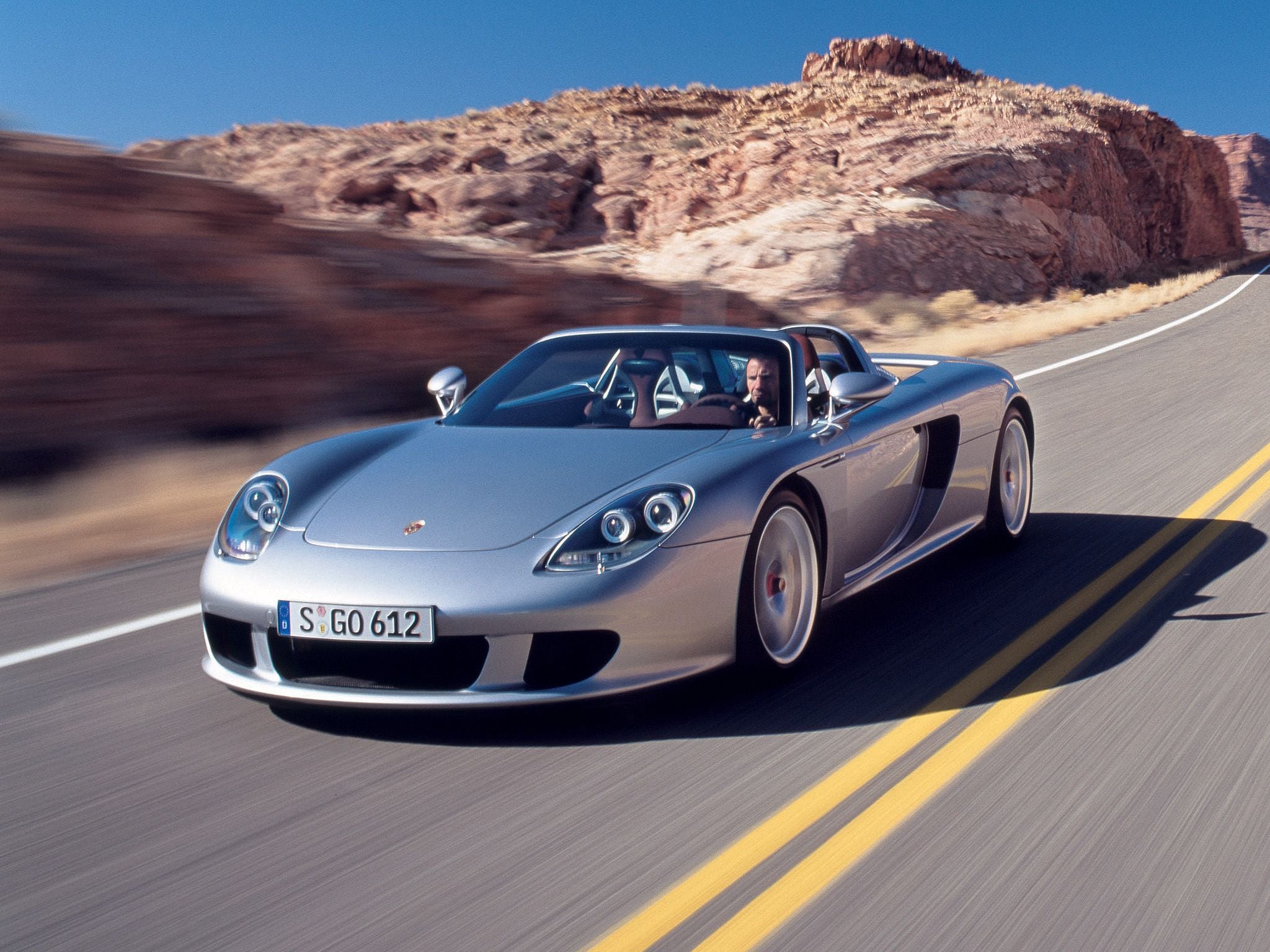
'Hotfoot' drivers tend to have fewer dopamine receptors, among other aspects (Photo: Porsche | Disclosure)
The human fascination with speed goes beyond the stopwatch or the desire to get to a destination quickly. Whether in the pleasure of overtaking on the highway, going down a roller coaster or in extreme sports, the search for speed is a biological experience that activates deep circuits of the nervous system. This is what new scientific studies suggest, which suggest that the brain has a natural inclination to enjoy rapid commuting, functioning as a complex mechanism of internal satisfaction.
The reward system and the chemical trio of euphoria
The main protagonist of this desire is dopamine, a neurotransmitter that regulates motivation and the feeling of reward. Studies conducted at Vanderbilt University, in the USA, indicate that individuals with a “risk hunter” profile have fewer dopamine autoreceptors. In practice, this means that the substance circulates with fewer inhibitions in the body, encouraging audacious behaviors to keep satisfaction levels high.
In addition to dopamine, the body triggers a chemical “cocktail” during high speed:
Adrenaline: raises the heart rate and prepares the body for a state of high alert;
Endorphins: released to provide physical relief and a sense of deep well-being after the stress of the stimulus.
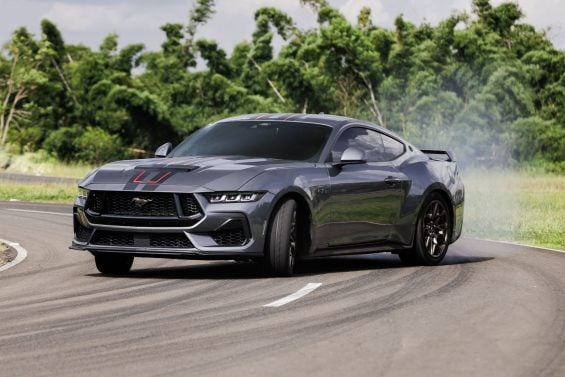
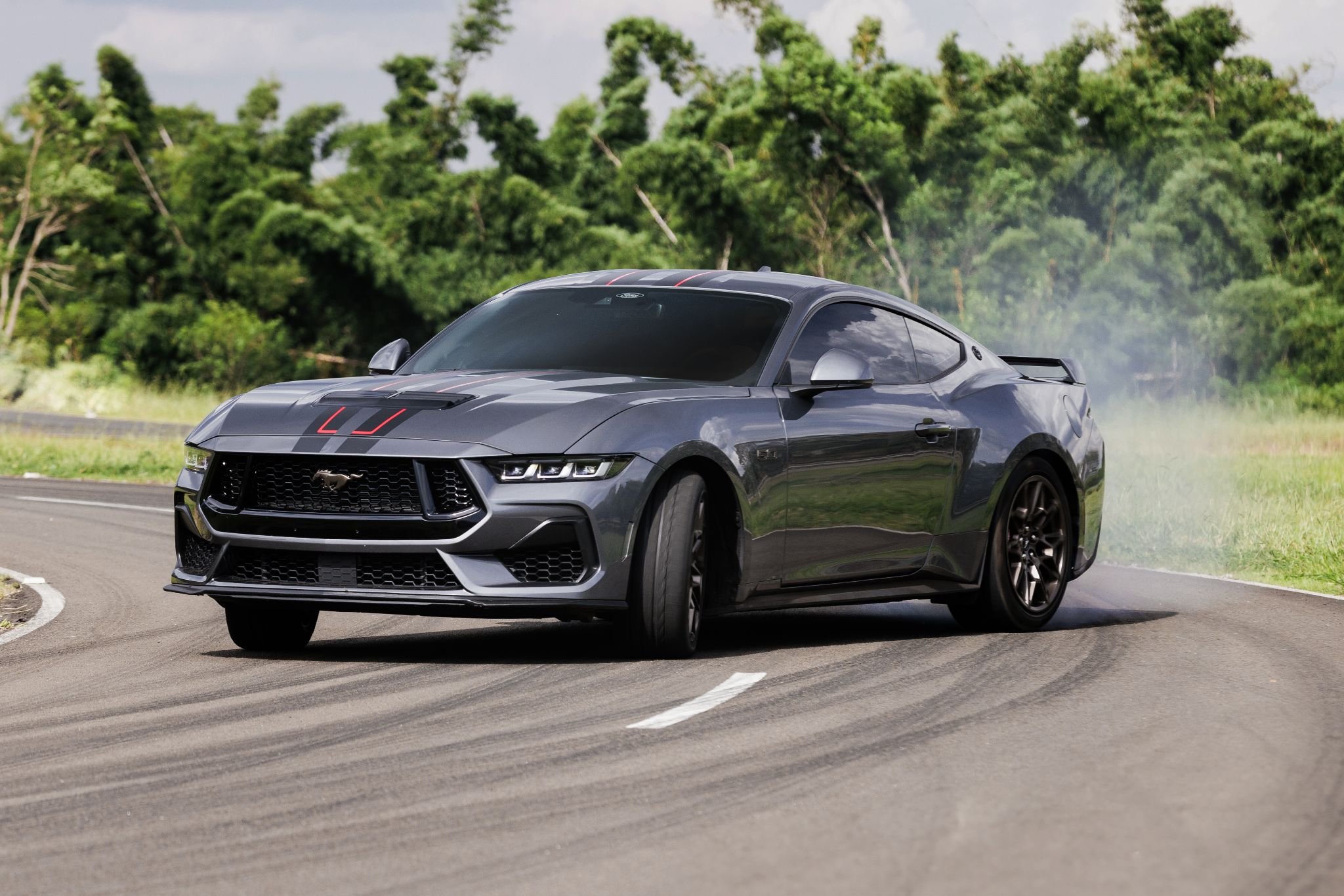
Despite the findings, respect for traffic laws follows a conscious decision, warn experts (Photo: Ford | Disclosure)
Scientists in Japan, using functional magnetic resonance imaging (fMRI), have confirmed that even visual speed stimuli activate the ventral tegmental area. This is the center of mesolimbic pleasure, the same one affected by addictive substances, which explains the euphoria of “wanting more” felt by many drivers.
Biology and individual responsibility
Although neurobiology explains the tendency to pleasure, experts warn that biology influences but does not determine behavior. The act of exceeding speed limits remains a conscious choice. The genetic predisposition to seek strong sensations does not serve as a safe-conduct for reckless behavior. In transit, the rational capacity to make decisions must prevail over the primitive impulses of the pleasure circuit.
Comments are the sole responsibility of their authors and do not represent the opinion of this site. Comments containing profanity or offensive language will not be published. If you identify anything that violates the terms of use, please report it.