The 2026 Beijing Motor Show highlighted a strategic shift in the Chinese auto industry. Despite global leadership in electrification, the local market now prioritizes hybrid options over battery-powered vehicles. In the first months of this year, 100% electric models accounted for only 28% of total sales in the country, signaling that the energy transition is taking place more gradually than expected by analysts.
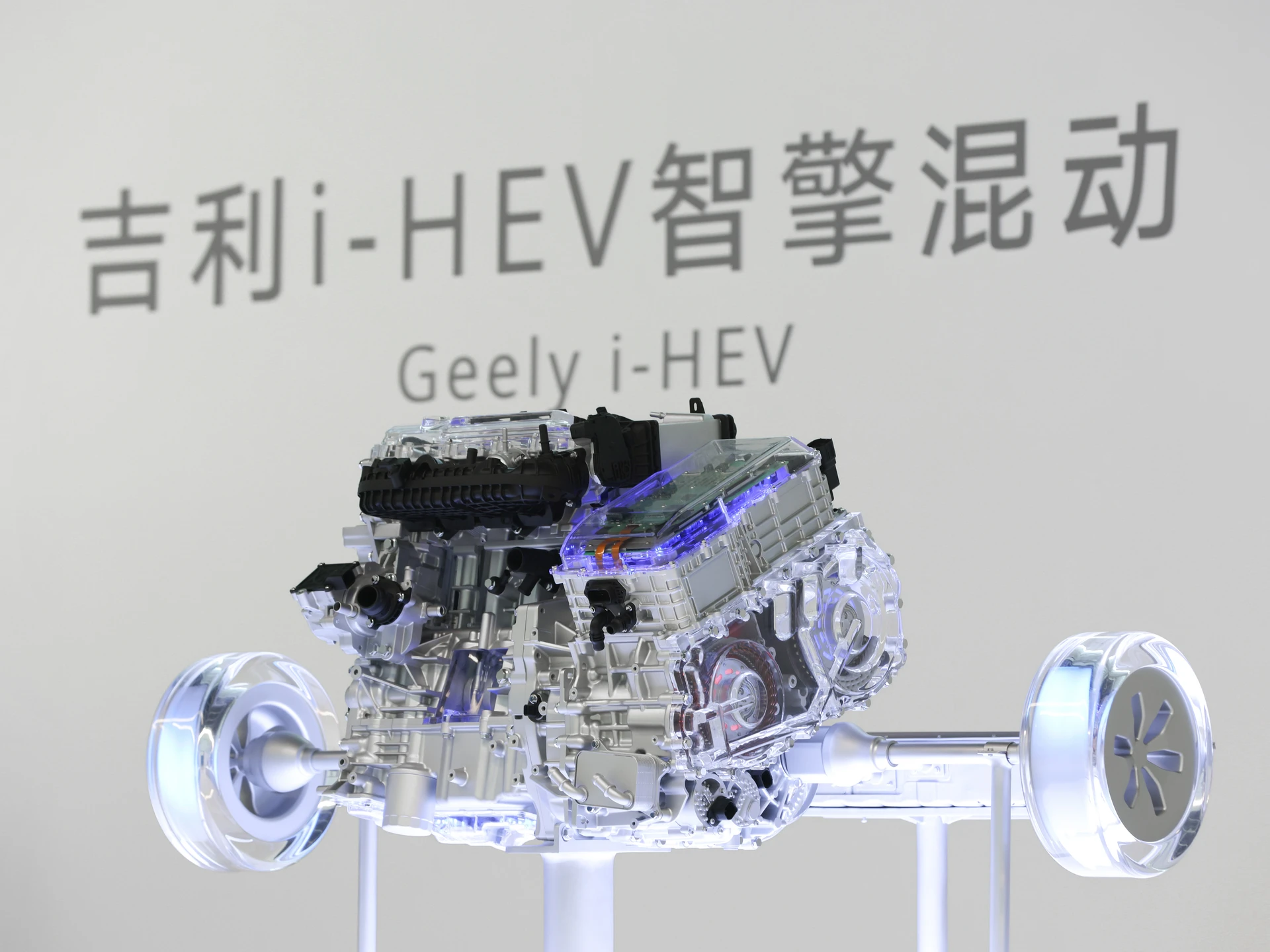
According to the Society of Automotive Engineers of China (CSAE) Roadmap 3.0, hybridized internal combustion engines are expected to remain active for at least two decades. The goal is for these engines to represent a third of global sales by 2040. The new Chinese offensive is based on 12 new high-efficiency engines, divided into three technological fronts: the conventional hybrids (HEV) from Geely and Changan; BYD’s plug-ins (PHEV), with a focus on flex engines, and the range extenders (EREV) from brands such as Aito, Leapmotor and Avatr.
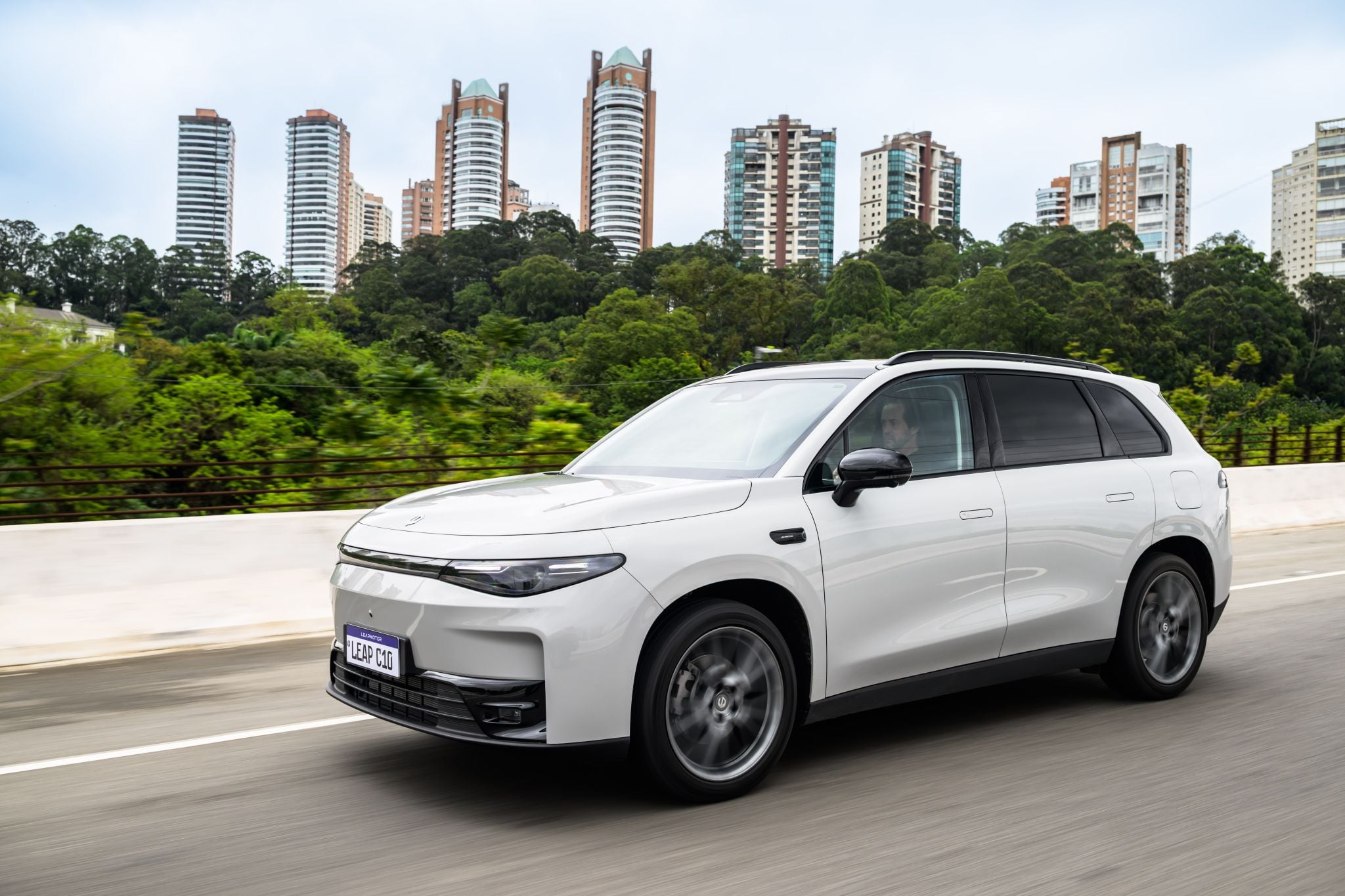
Among other options, the Chinese have been betting on electric cars with range extenders, such as the Leapmotor C10 (Photo: Leapmotor | Disclosure)
Agility and international competitiveness
Unlike the hesitation observed in large European groups, China adopts the strategy of coexistence between multiple platforms. While advancing in 800-volt architectures for ultra-fast charging, the country invests in sophisticated thermal engines, such as GWM’s new V8 hybrid. The objective is to ensure industrial flexibility to serve markets where charging infrastructure is still precarious.
By combining artificial intelligence and autonomous driving with various engine options, brands such as GAC and Chery seek commercial sustainability on a global scale. This productive agility ensures that Chinese industry maintains its relevance in both developed and emerging markets, adapting to real consumer demand for autonomy and convenience.
Comments are the sole responsibility of their authors and do not represent the opinion of this site. Comments containing profanity or offensive language will not be published. If you identify anything that violates the terms of use, please report it.