

War in Iran makes Brazil sell twice as much oil to China; India also increases purchases
Driven by the instability in the Middle East, crude oil already accounts for 30% of Brazilian sales to the Asian country
By
Tom Schuenk
Published on 2026-04-20 at 11:00 AM
Updated on 2026-04-20 at 11:40 AM
Published on 2026-04-20 at 11:00 AM
Updated on 2026-04-20 at 11:40 AM
Be the first to comment.
Summarize with:
Trade between Brazil and China in the first quarter of 2026 was marked by an unprecedented jump in sectors linked to the transport and energy matrix. While Brazil doubled the shipment of crude oil to meet the demand for fuels from the Asian giant, the entry of Chinese electrified vehicles into the domestic market grew more than seven times in the same period, as reported by Folha de S. Paulo.
SEE ALSO:
- VOGE starts operations in Brazil with first dealerships and defined lineup
- Toyota Yaris Cross (which is not ours) gets a look closer to the Corolla Cross
- Geely EX2 is so successful that it doesn’t stop in stores and already threatens BYD Dolphin
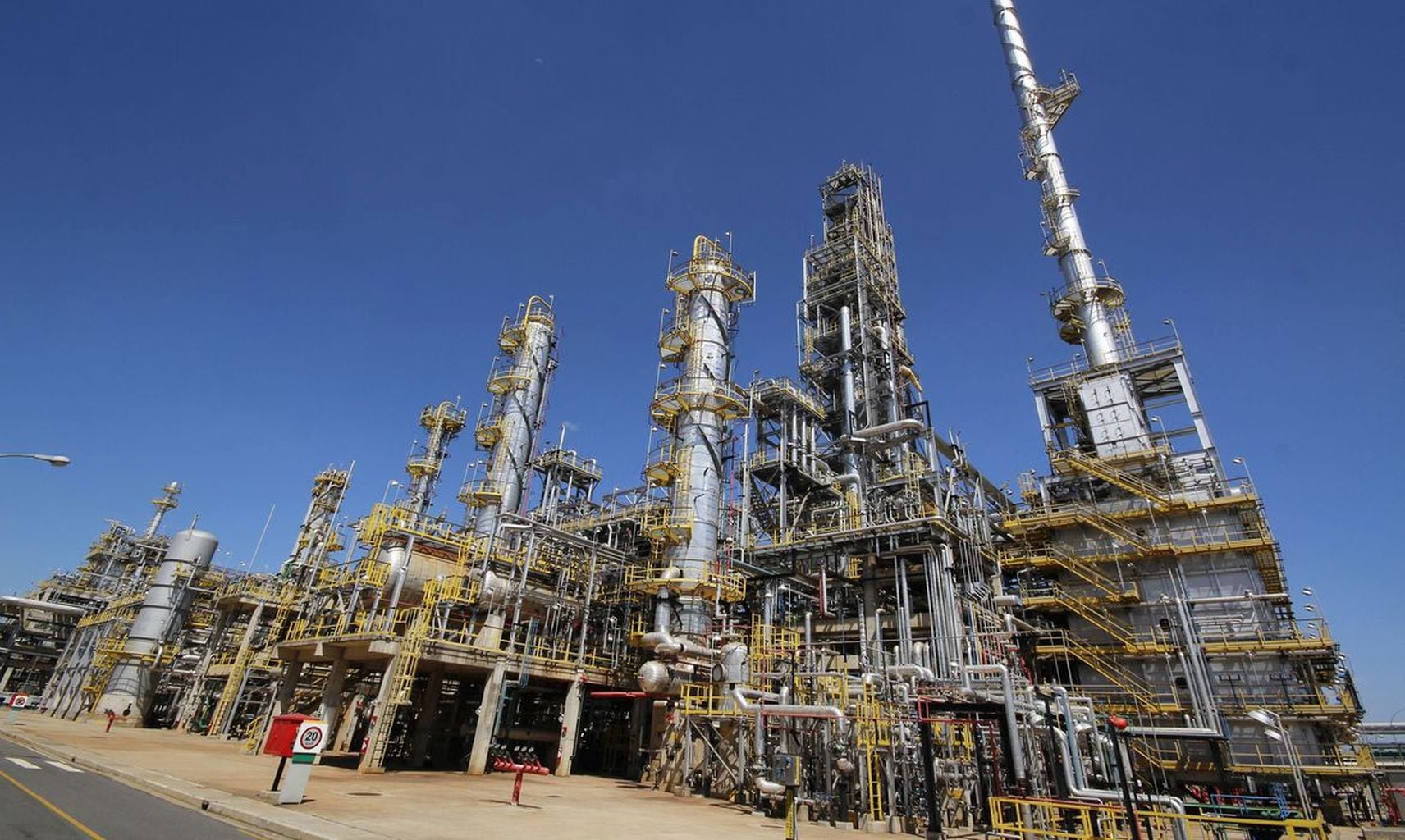
Crude oil exports have reached historic highs, driven by Beijing’s quest for energy security. Faced with the instability in the Strait of Hormuz — a vital route for global supply — Brazil has consolidated itself as a strategic supplier. Sales totaled US$ 7.2 billion (R$ 36.36 billion), with the exported volume jumping 122%, from 7.4 million to 16.5 million tons.
Fuel logistics and Chinese demand
Brazilian oil has come to represent a crucial share of Chinese imports, accounting for 65% of foreign sales of the product in March, at the height of tensions in Iran. This logistics movement reinforced the country’s role as an alternative to traditional routes in the Middle East, ensuring the necessary flow for the transport infrastructure of the world’s second-largest economy.
In the reverse flow, the absolute highlight was sustainable mobility: imports of Chinese electric and hybrid cars grew 7.5 times in the quarter, totaling US$ 1.23 billion (R$ 6.21 billion). The advance reflects a rush by importers to replenish inventories before the definitive increase in the Import Tax, scheduled for July, when the rates will reach 35%.
Following the automotive trend, the purchase of lithium batteries — a central component of the new national fleet — rose 49% in volume. In the general panorama, the mining and quarrying industry and the transport sector set the pace for the record of US$ 23.9 billion exported by Brazil to China in the quarter.
SEE MORE ABOUT

0 Comments
Comments are the sole responsibility of their authors and do not represent the opinion of this site. Comments containing profanity or offensive language will not be published. If you identify anything that violates the terms of use, please report it.