The unusual trick of young Japanese people to ride a Ferrari on a budget
Company creates disruptive business model to curb young people's lack of interest in the automotive market and facilitate access to classic sports cars
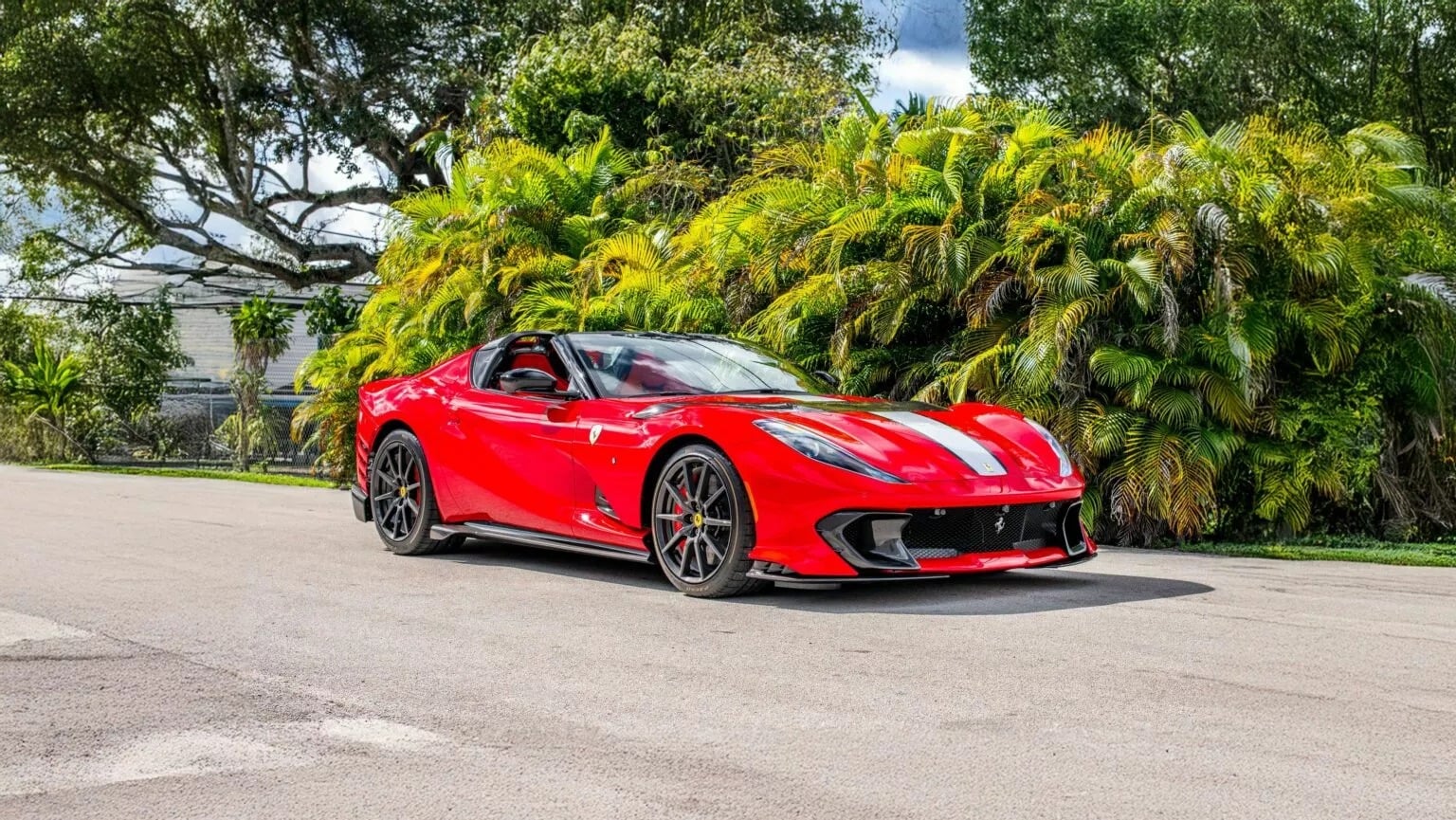
"Pay only what you spend" is the new fashion for renting super sports cars (Photo: Ferrari | Disclosure)
A new mode of consumption is redefining the relationship between Japanese youth and the luxury automobile market. The startup Rendez-Vous has created a disruptive business model to circumvent high prices and attract consumers in their 20s and 30s: instead of buying or renting a supercar through traditional methods, customers join waiting lists to share high-end sports cars.
The dynamic works through one-year contracts signed by groups of five people. The big difference in relation to multi-ownership is that members do not share the total value of the Ferrari or the chosen Porsche. They pay only a quota equivalent to the estimated depreciation of the vehicle during those twelve months. This calculation makes it possible to drastically lower the cost of access to exclusive models.
Thus, the prorated rate guarantees each co-owner the right to use the car for 50 days a year. To eliminate the operational headaches that have historically kept younger audiences away, the subscription fee already covers the expenses inherent in high-performance vehicles, including periodic mechanical maintenance, insurance fees, parking costs and taxes.
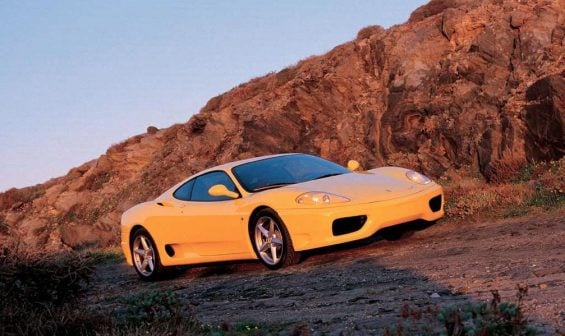
Focused exclusively on used and classic models manufactured from the 1950s onwards, the platform attracts profiles such as 24-year-old Kanji Hiraiwa, who today shares temporary ownership of a Ferrari 360 Modena. According to the startup’s representative, Ryota Asaoka, the goal is to ease the heavy financial burden to bring a new generation closer to the sports driving experience.
(Photo: Ferrari | Disclosure)
The initiative comes as a response to the continuous decline in the interest of Japanese youth in automobiles. Local surveys indicate that 33% of Japanese in their 20s do not want to own cars. Toyota data confirms that the high cost of acquisition and complex maintenance are the main reasons for this distancing from traditional dealerships.
Comments are the sole responsibility of their authors and do not represent the opinion of this site. Comments containing profanity or offensive language will not be published. If you identify anything that violates the terms of use, please report it.