The 106 km ‘nightmare’ that makes the road trip from Brazil to the United States impossible
Swamps, indigenous peoples and even foot-and-mouth disease explain why no one has closed the gap that separates the Americas, and what to do to cross it by car
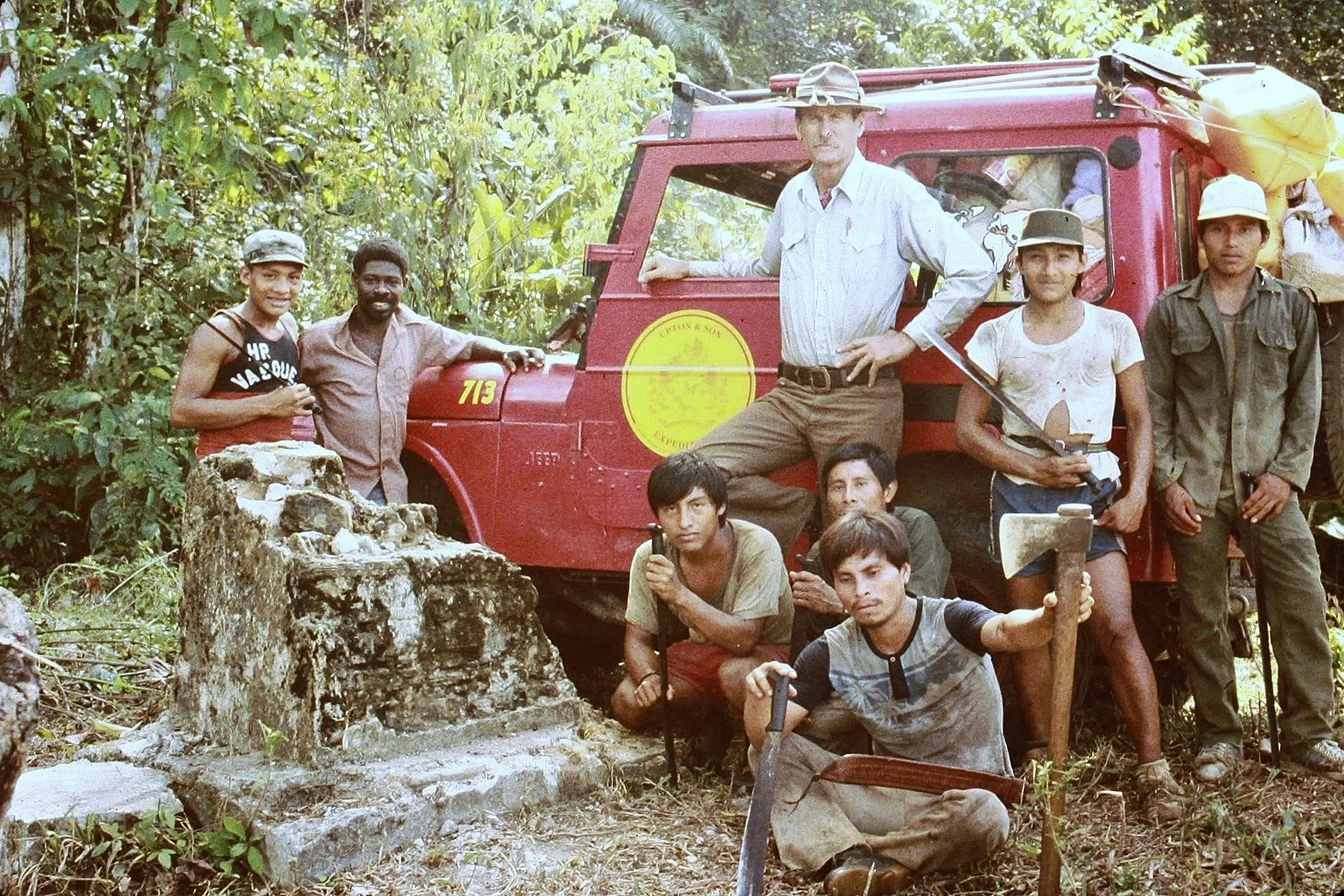
British expedition in the 1970s spent 96 days just to cross the 106-kilometer stretch on the border of South and Central America (Photo: Slow Baja | Reproduction)
Imagine facing the 2026 World Cup without stepping foot in an airport. The idea is tempting: leave São Paulo (SP), for example, by car, cross South America, go up through Central America and cross the United States border in time for the starting whistle.
In theory, you can do almost anything by land. In practice, there is a stretch of jungle that turns the plan into a logistical nightmare.
The route: heading north on the Pan American
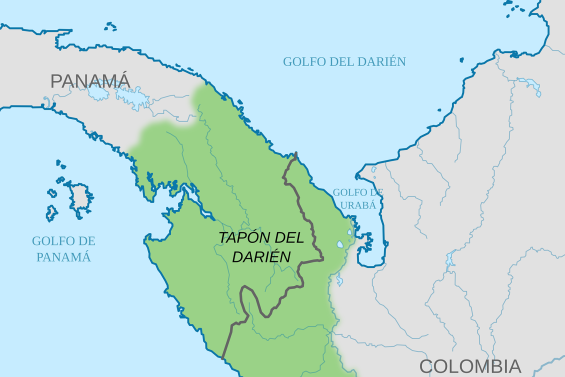
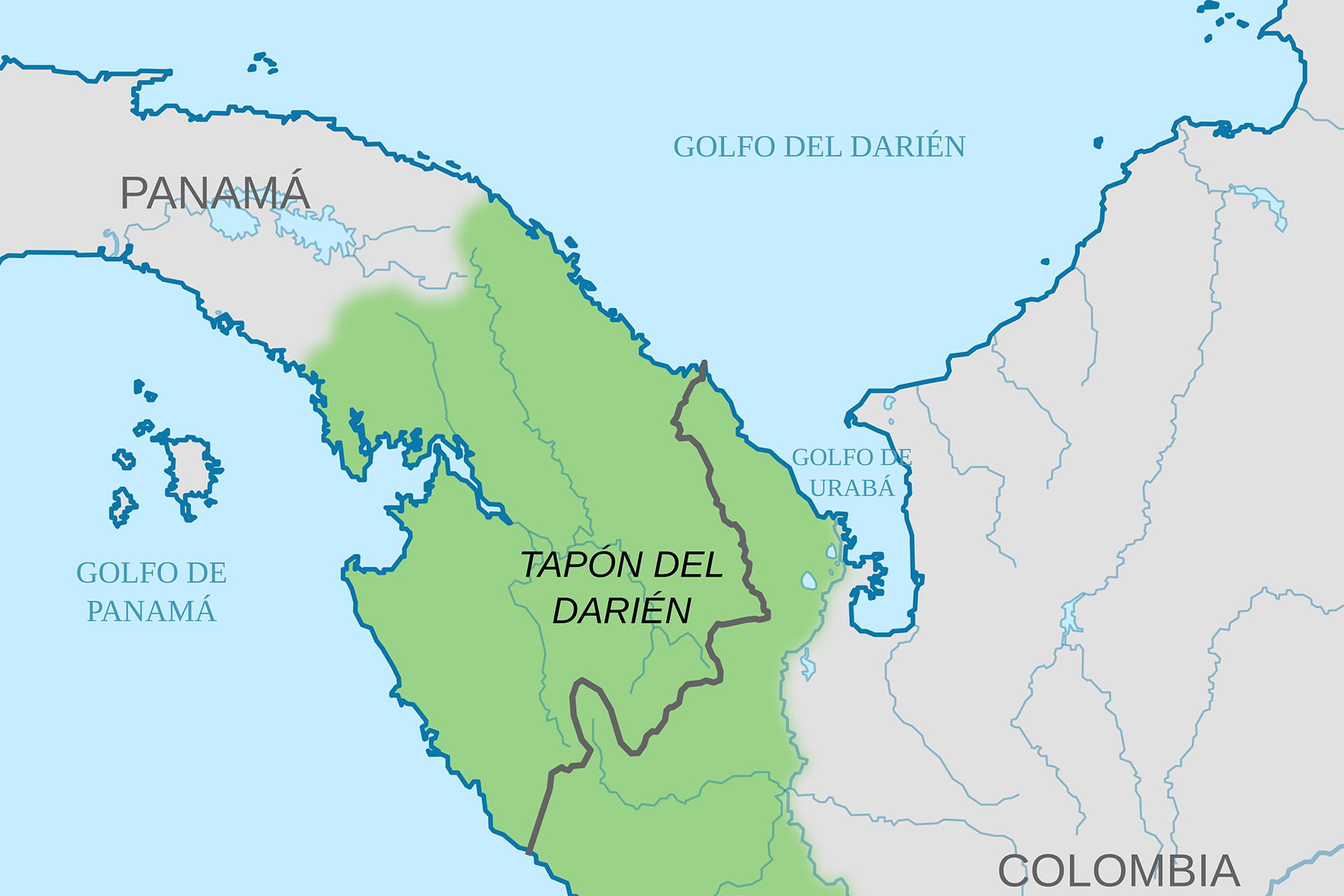
Darién Buffer is the practically impassable stretch on the way from Brazil to the USA (Art: Wikimedia)
The natural path for a São Paulo citizen seeking to reach the U.S. by car, for example, starts from São Paulo towards the west, crosses Bolivia or Peru and reaches the Pacific coast, where the Pan-American Highway runs — the road that, on paper, connects Alaska to Patagonia. Going up through Ecuador and Colombia, the driver arrives in Cartagena ready to head to Panama. That’s when the trip stops. Between the Panamanian city of Yaviza and northern Colombia there is a span of about 106 km without any asphalt: the Darién Gap, or Darién Buffer, the only cut in almost 30 thousand km of Pan American.
Why no one built the road
It’s not a lack of will. A 1937 agreement provided for a continuous highway connecting the Americas, and almost all the sections got off the ground, except this one. That’s because the terrain is brutal: dense forest, rivers and the swampy delta of the Atrato River, on the Colombian side. Added to this is the environmental resistance and that of the Emberá, Guna and Wounaan indigenous peoples, who see the jungle as a shield against the invasion of their lands.
There is also a curious and little remembered reason: cattle. For decades, the forest functioned as a sanitary barrier against foot-and-mouth disease, which circulated in South America and threatened the herd in the North. In the 1970s, the United States even set aside US$ 100 million to close the gap, but backed down in the face of environmental pressures and health risks. To reinforce the biological wall, Americans and Panamanians have flown millions of sterilized blowflies over the Darién for years, creating a cordon of infertility in the middle of the forest.
Those who tried to cross by car
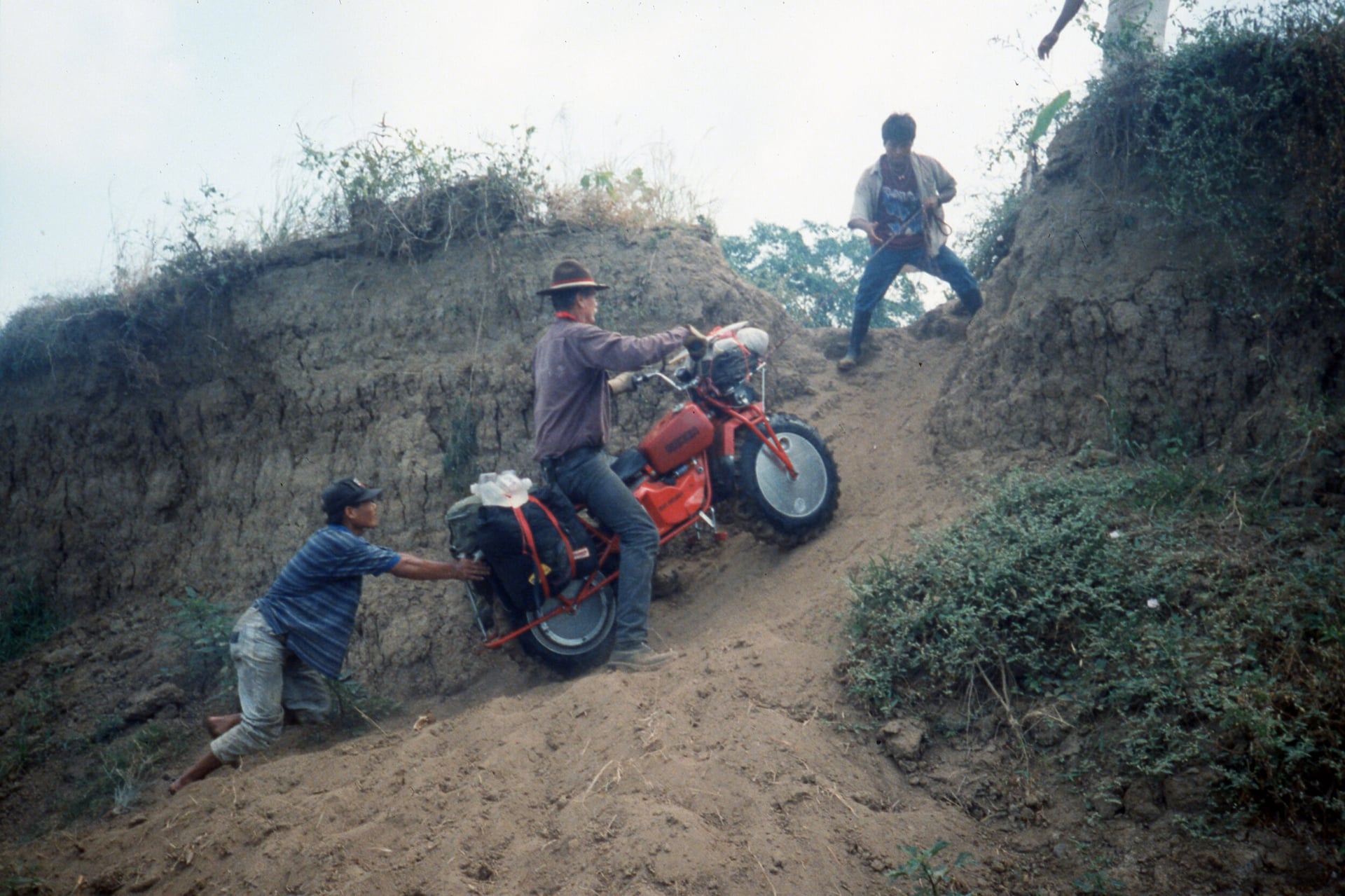
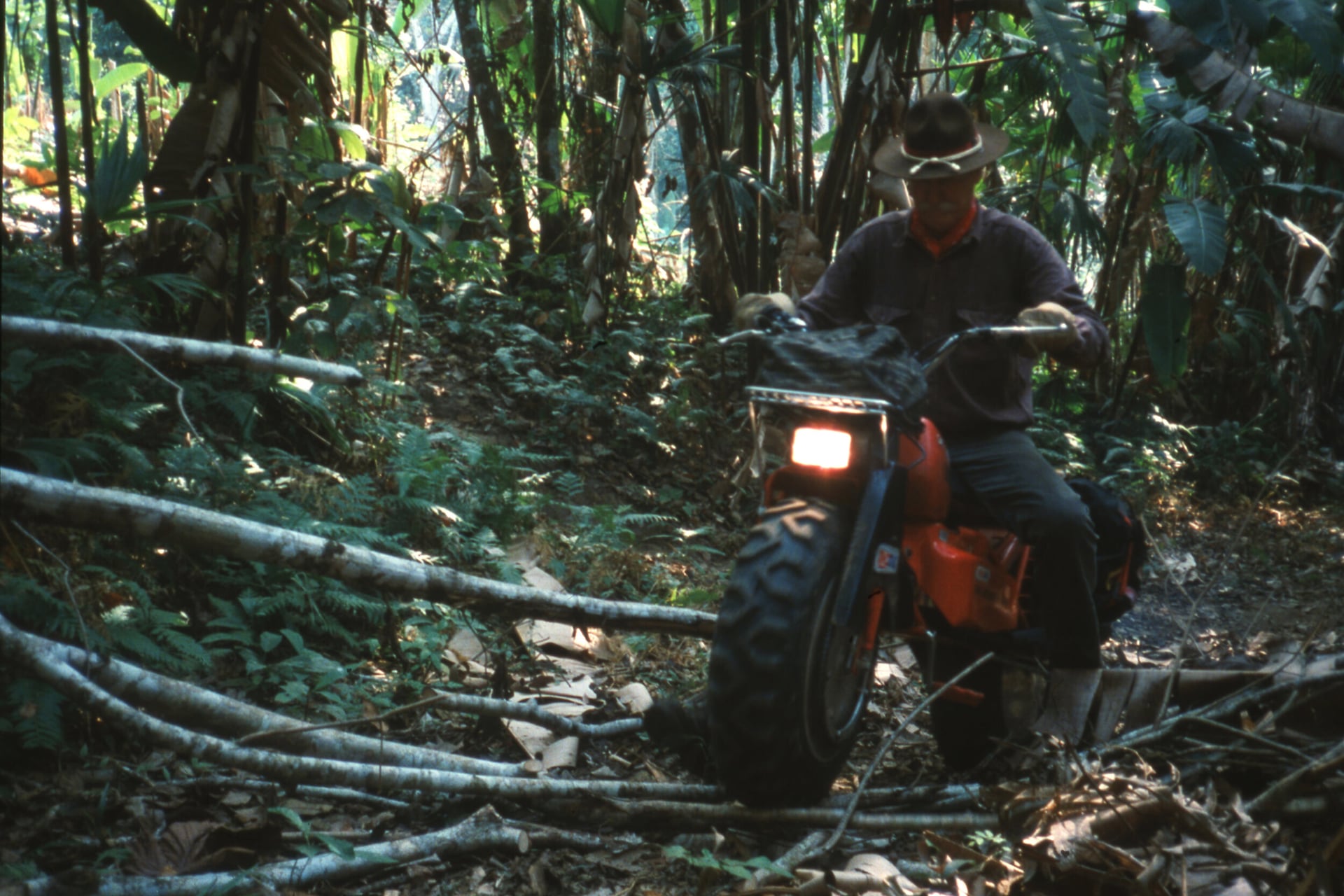
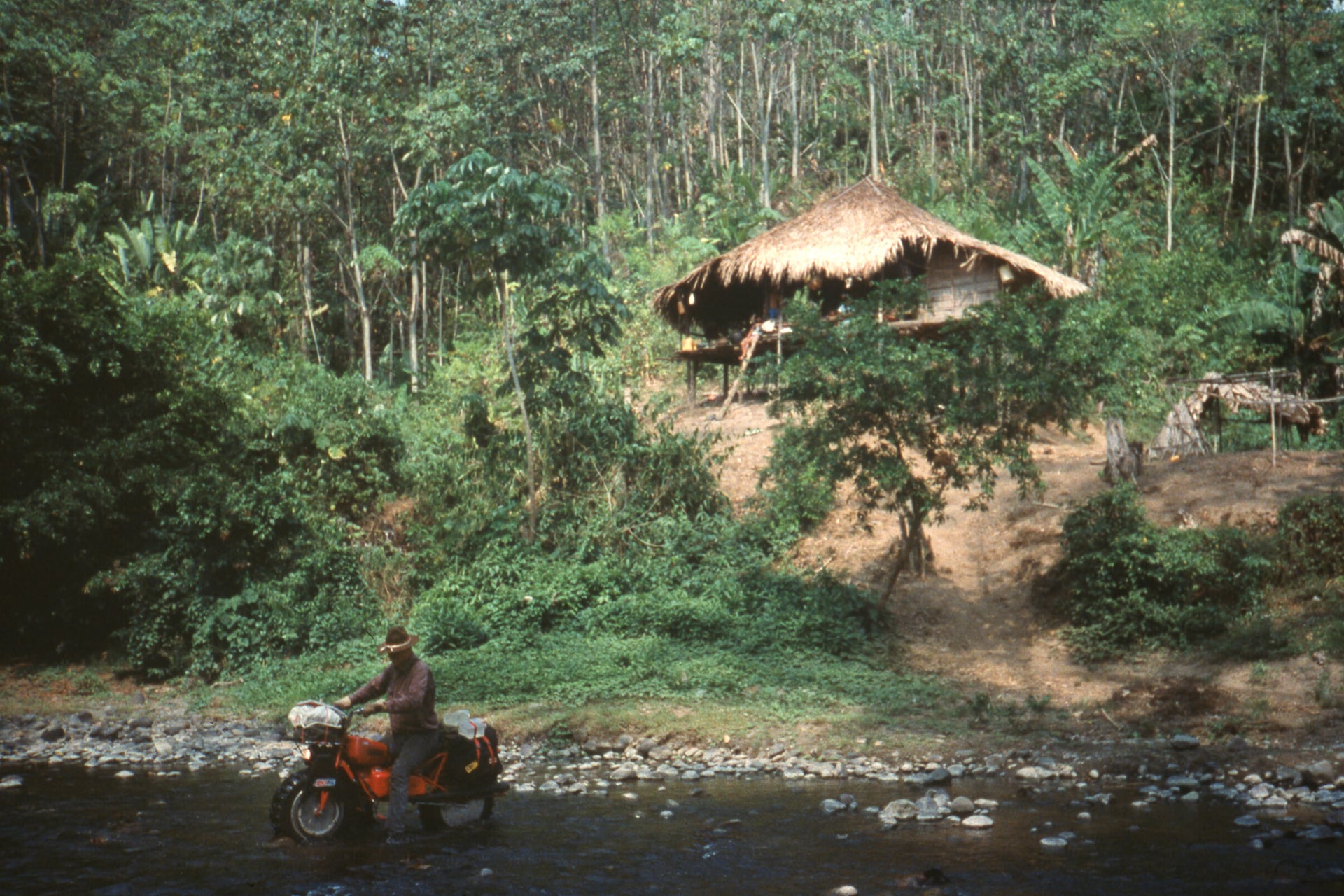
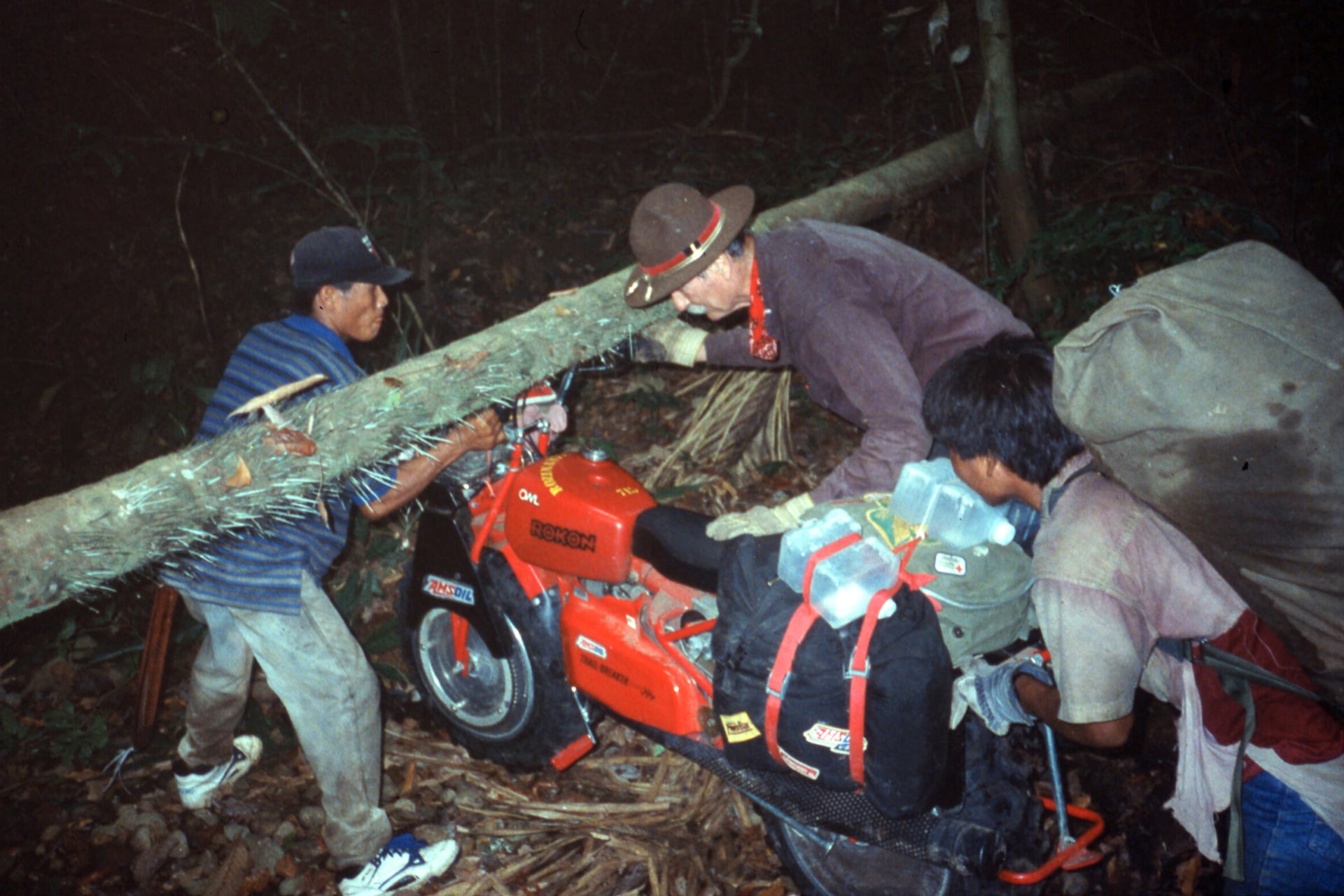
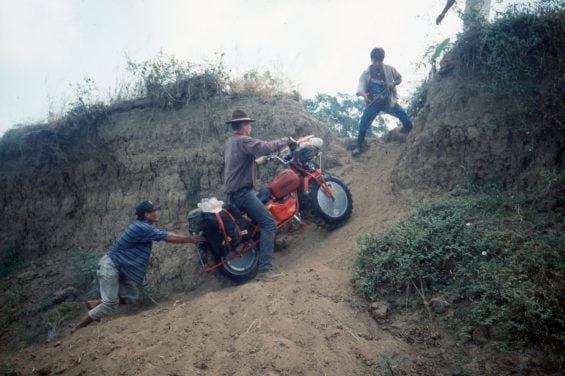
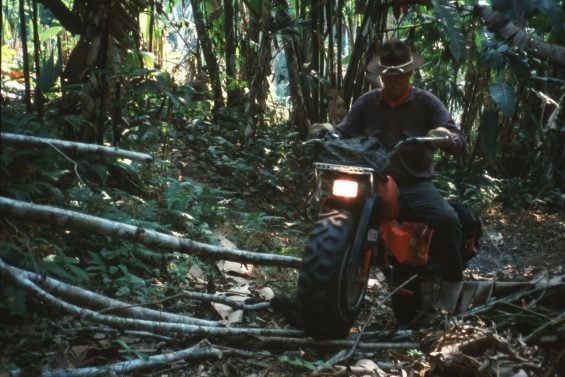
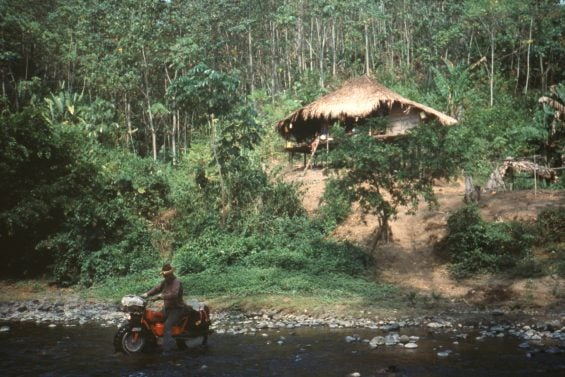
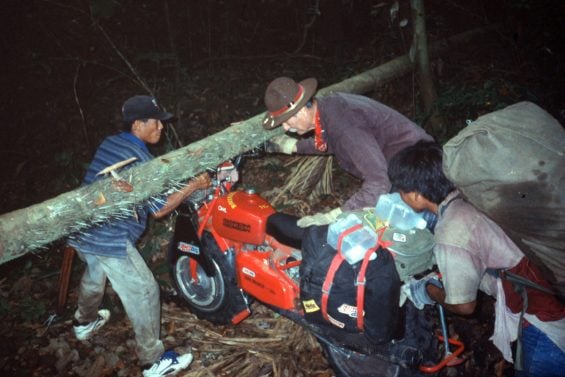
After several attempts and even a death in the team, the Americans Patty and Loren Upton completed the crossing of the Darién by motorcycle, over 49 days in 1995 (Photo: Loren Upton | Reproduction)After several attempts and even a death in the team, the Americans Patty and Loren Upton completed the crossing of the Darién by motorcycle, over 49 days in 1995 (Photo: Loren Upton | Reproduction)After several attempts and even a death in the team, the Americans Patty and Loren Upton completed the crossing of the Darién by motorcycle, over 49 days in 1995 (Photo: Loren Upton | Reproduction)After several attempts and even a death in the team, the Americans Patty and Loren Upton completed the crossing of the Darién by motorcycle, over 49 days in 1995 (Photo: Loren Upton | Reproduction)
Crossing the Darién by car is a rare feat. The first recognized vehicular crossing was the 1960 Trans-Darién Expedition, which took five months aboard a Land Rover nicknamed La Cucaracha Cariñosa. The most famous came in 1972: the British Trans-Americas Expedition, with two Range Rovers and support from the British Army, spent 96 days just to overcome the jungle section, advancing in a few days just over 4 km. To get through the Atrato pond, the team resorted to chainsaws and dynamite—something unthinkable today.
The real solution: board the car
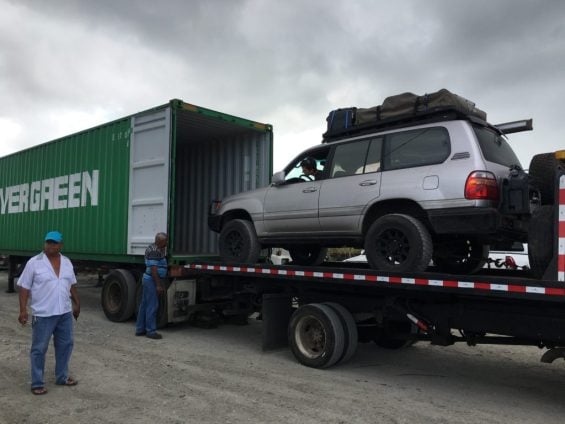
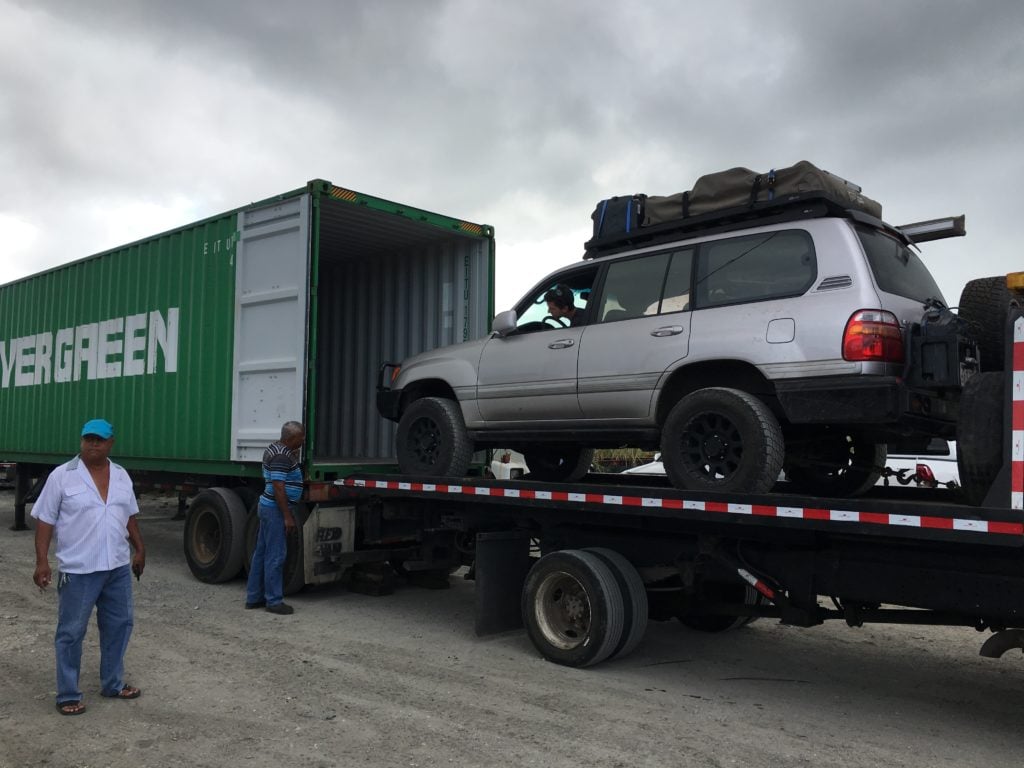
Those who go from South America to North America by car need to cross the Darién by shipping the vehicle in a ship container (Photo: Reproduction)
Without a road, those who want to continue their journey put the vehicle on a ship. The classic route connects Cartagena, Colombia, to the port of Colón (Manzanillo), Panama, in a sea crossing of about one day. There are two options: the RoRo system, in which the car walks into the ship, and the container, which is safer against theft. Prices vary according to the size of the vehicle, but are usually between US$ 1,000 and US$ 3,000, not counting dispatcher and port fees.
Disembarking in Panama, the driver resumes the asphalt: he climbs through Central America, enters Mexico and, finally, crosses to the United States. The dream of reaching the World Cup on four wheels still stands, it is just not possible to win the Darién without the help of a ship.
Comments are the sole responsibility of their authors and do not represent the opinion of this site. Comments containing profanity or offensive language will not be published. If you identify anything that violates the terms of use, please report it.