Rare bird nests in the tire of a Ford F-250, which now can’t move until the chicks fly
Store is forced to isolate vehicle after protected bird hatches four eggs on the tire. Buyer will need to wait for the end of the biological cycle of the animals
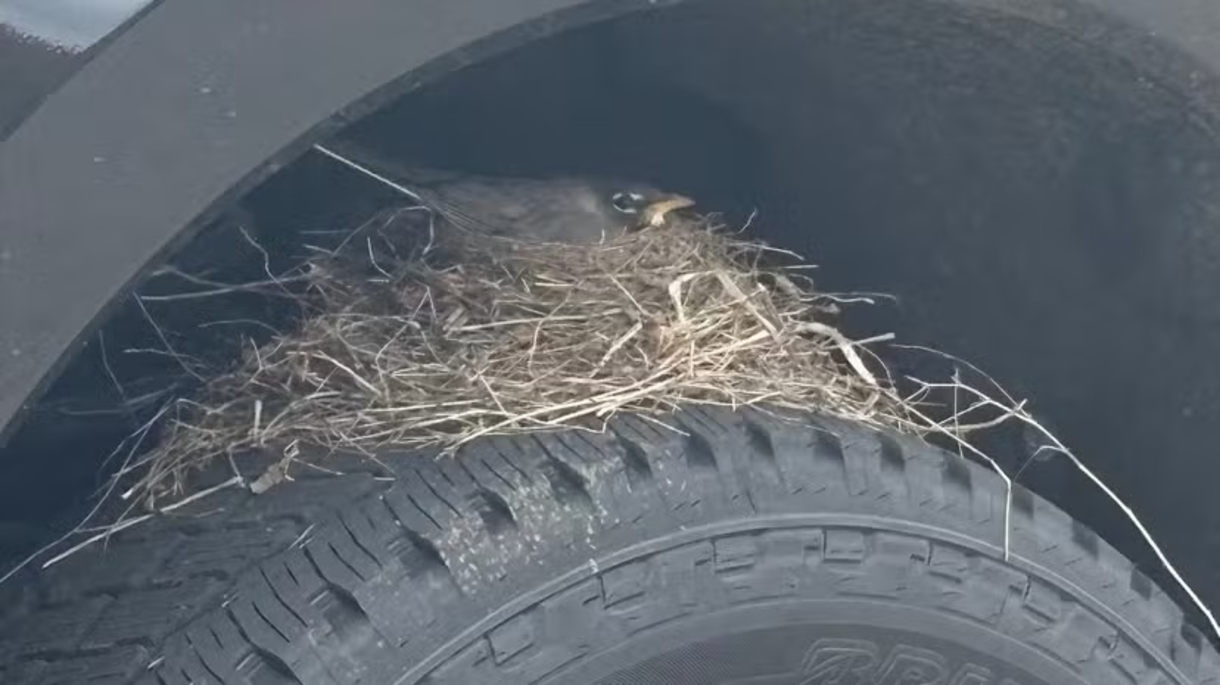
Pickup wheel has become a 'sanctuary' for the preservation of the bird, by force of law (Foto: Reprodução)
By
Tom Schuenk Published on 2026-05-25 at 09:00 AM
Updated on 2026-05-25 at 09:28 AM
A buyer acquired, at the beginning of the month, a Ford F-250 zero-kilometer pickup, but is legally prevented from taking it home. The reason for the impasse is unusual: a bird of the American thrush species chose the tire of the pickup, parked in the yard of a dealership in Kansas (USA), to build its nest. The protection by force of federal law granted to the bird forced the store to suspend the delivery of the vehicle until the four chicks, which have just been born, are able to fly and leave the place on their own.
The restriction is not a mere overzealousness of the sales team, but a strict enforcement of U.S. environmental legislation. The American robin is protected by the Migratory Bird Treaty Act, enacted in 1918 and which classifies as a federal crime to move, damage or destroy active nests of certain species. Violations can result in severe fines and even detention. Faced with the legal risk, the dealership chose to isolate the pickup and inform the customer about the forced wait.
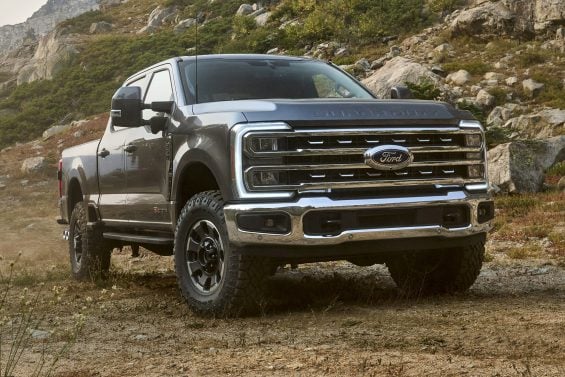
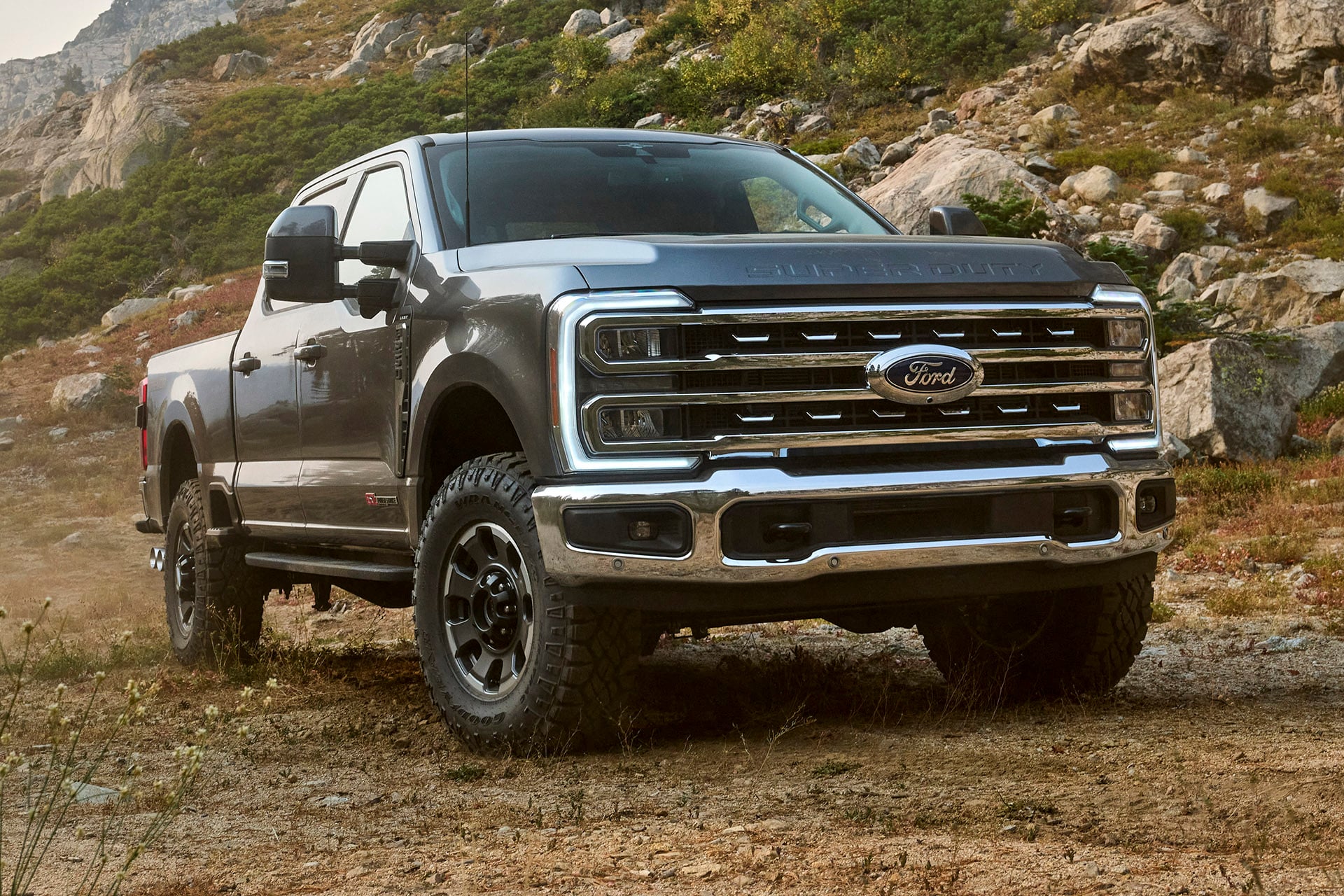
Ford F-250
The situation, although atypical in automotive retail, has a predictable biological deadline to end. Eggs of this species take about two weeks to hatch. As the four chicks were born on May 14, experts estimate that they will need another 14 days inside the nest before they develop enough plumage for the first flight. During this period of extreme vulnerability, any movement of the truck would be fatal for the animals.
On social media, the dealership treated the case lightly, classifying the truck as the only F-250 in the country protected by a federal poultry law, and publicly thanked the buyer for his patience. For biology experts, the choice of the wide wheelspan of a heavy-duty nesting utility illustrates a larger problem: Continued urban sprawl reduces natural habitats, forcing wildlife to seek alternative, temporary shelters in human infrastructure.
Comments are the sole responsibility of their authors and do not represent the opinion of this site. Comments containing profanity or offensive language will not be published. If you identify anything that violates the terms of use, please report it.