


Porsche is successful in Brazil, but fame comes at a cost
With a greater presence on the streets than exotic rivals, Porsche sees its image linked to traffic violations and reckless conduct by owners
By
Tom Schuenk
Published on 2026-04-23 at 08:00 PM
Updated on 2026-04-23 at 08:40 PM
Published on 2026-04-23 at 08:00 PM
Updated on 2026-04-23 at 08:40 PM
Be the first to comment.
Summarize with:
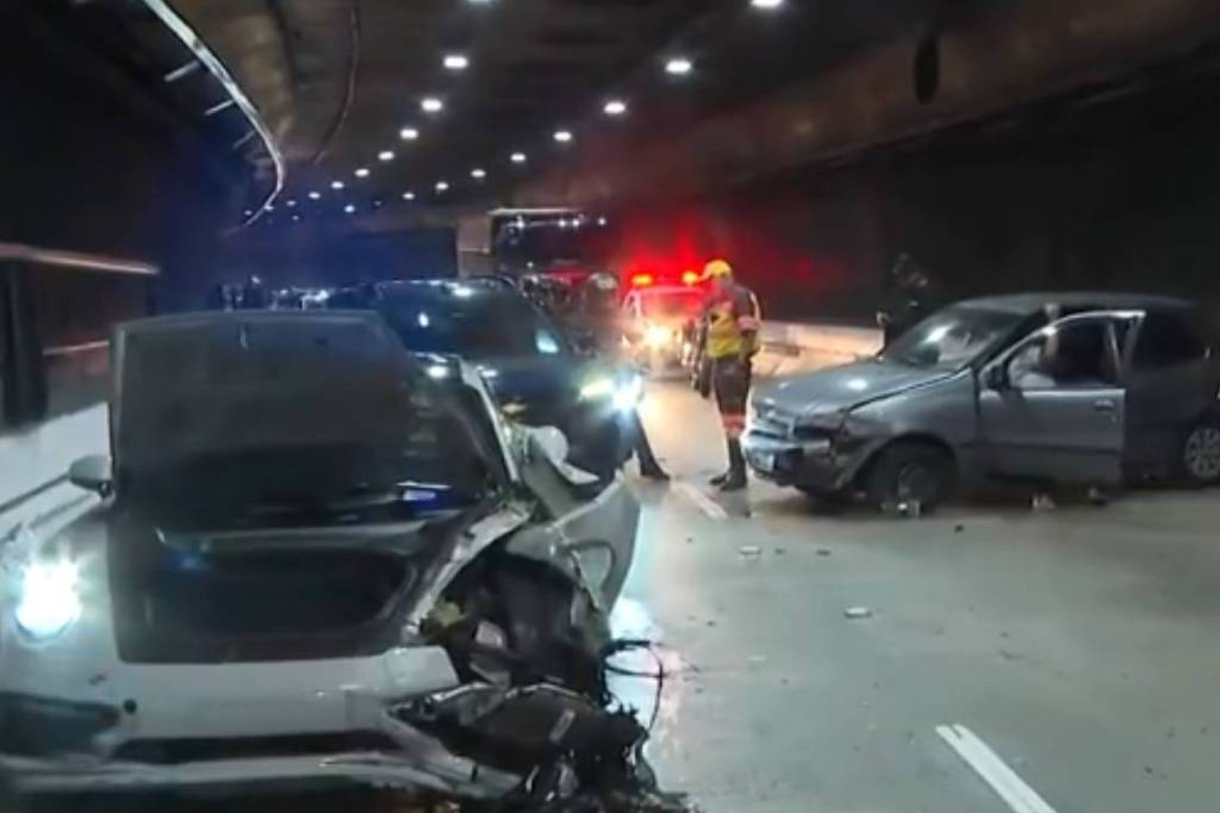
Porsche is facing a tense moment for its reputation in Brazil. The company’s situation is due to the high visibility of serious accidents involving its sports models. The phenomenon, described as the “price of fame”, puts the brand in a higher exposure than competitors such as Lamborghini, due to its greater presence and circulation on Brazilian streets.
SEE ALSO:
- Why is Honda selling food? Brand launches Curry inspired by Prelude
- Ana Paula Renault wins a Geely EX5 EM-i that will be produced by Renault
- High fuel prices lead to an increase in destructive thefts from vehicle tanks
The dilemma of relative affordability
Unlike extreme niche brands, Porsche has a more agile market dynamic. While an exotic model can cost R$ 6 million and require months of waiting, a Porsche 911 Carrera can be purchased for around R$ 980 thousand, often with prompt delivery. The abundance of used cars in the country has consolidated the brand as an “affordable” status symbol at the top of the pyramid. The problem, according to experts, is that this ease of access is not always accompanied by the technical aptitude necessary to drive high-performance vehicles.
Visibility and impact on the image
Although traffic accident statistics are dominated by motorcyclists, accidents with luxury cars generate a much greater repercussion. Violations such as speeding and driving under the influence of alcohol gain maximum focus in the media when a Porsche is involved.
In a statement, Porsche Brasil reinforced that the responsibility for driving is strictly individual. The company highlights that it invests in safety technologies and promotes driving courses in controlled environments, but emphasizes that, legally, infractions are attributed to the driver, and not to the manufacturer. The brand reinforces that it has no prerogative to interfere in the personal conduct of its customers.
SEE MORE ABOUT

0 Comments
Comments are the sole responsibility of their authors and do not represent the opinion of this site. Comments containing profanity or offensive language will not be published. If you identify anything that violates the terms of use, please report it.