Nissan ‘corrects’ Kicks defect by turning off dashboard lights and is condemned in Bahia
Expert concluded that the workshop only silenced the alert on the panel, without physical repair; Nissan and Eurovia pay R$ 25 thousand and can appeal
Kicks with ABS problem went to the Salvador workshop and returned with the panel off — even without any adjustments to the part (Photo: Nissan | Disclosure)
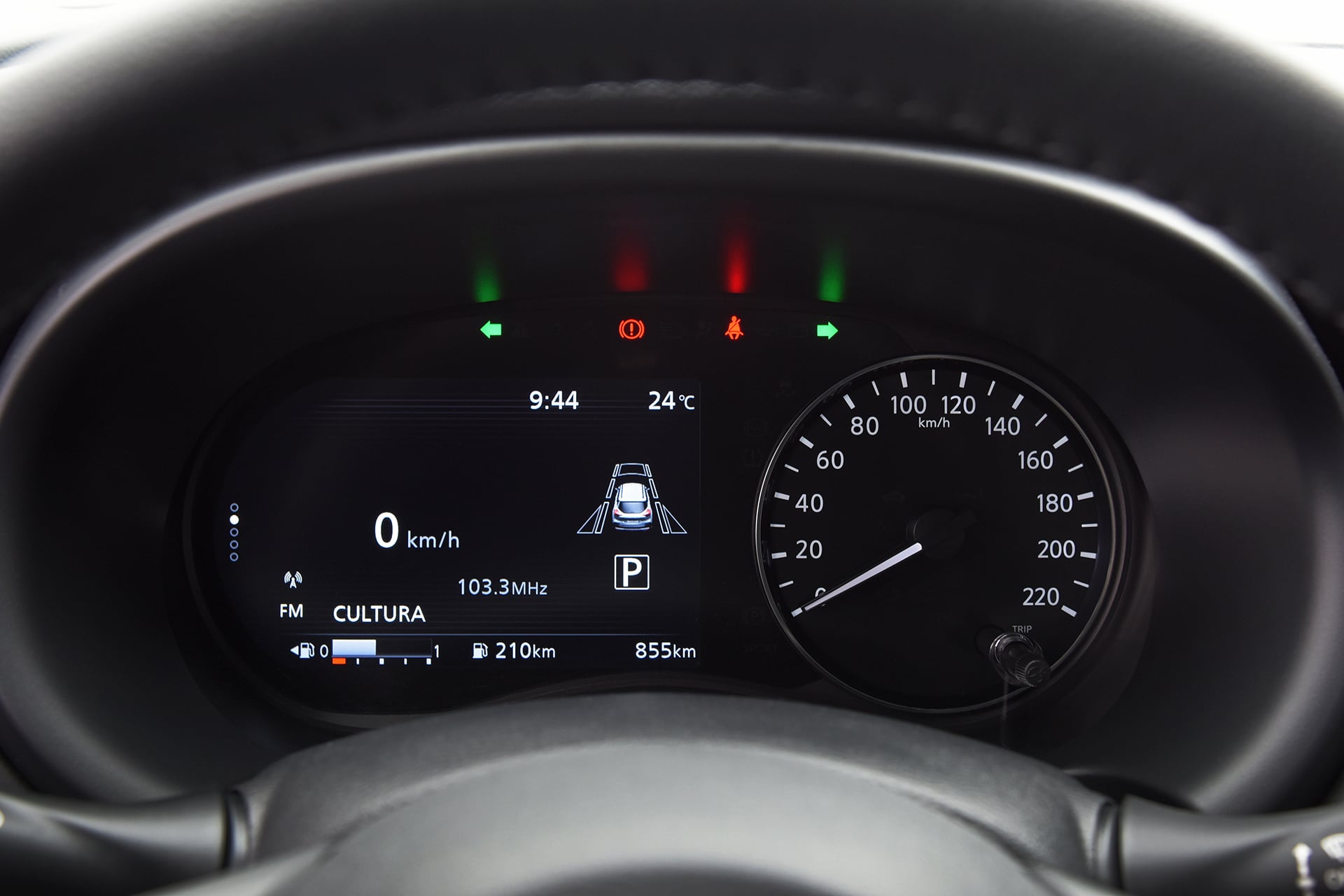
In May 2023, the instrument panel of a Nissan Kicks from Bahia turned on almost all its lights at once: ABS brake, stability control, collision alert and brake assistant complaining at the same time. The car went to the dealership and returned with a clean dashboard, but the problem, according to what the Justice has now concluded, is that no one had touched the problematic parts — what had been turned off were the error lights, according to documents obtained by AutoPapo.
Therefore, Nissan and the Eurovia dealership were ordered to pay R$ 25 thousand in compensation for moral damages to the owner of the car. The sentence is from the 15th Consumer Relations Court of Salvador, signed by Judge Carla Carneiro Teixeira Ceará on July 17, 2026. It is a decision of the first instance and can still be appealed to the Court of Justice of Bahia.
A Kicks, a company and a lit panel
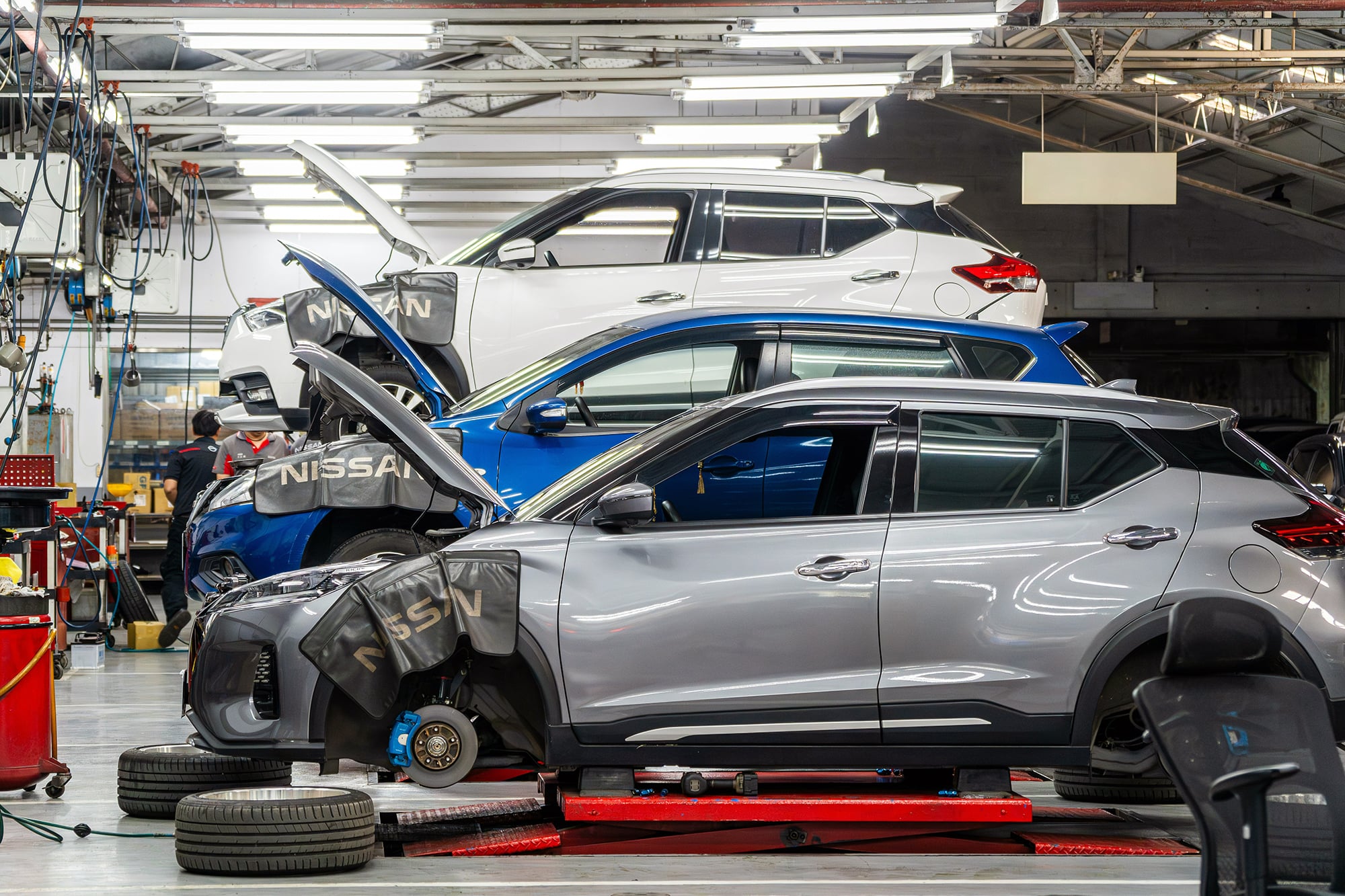
During the process, the dealership also tampered with the Kicks’ battery and deleted records from the car’s electronic center (Photo: Winston Chen | Unsplash)
The Kicks belongs to Alva Gestão Patrimonial, a company from Salvador that bought it from scratch in October 2017 to take partners and employees to their day-to-day commitments. When the warnings began to appear, the company called Nissan’s SAC and was told to look for the authorized network. So he took the SUV to the city’s Eurovia dealership.
On July 24, 2023, the service order recorded the repair as completed, with the note that a procedure had been carried out on the ABS module according to the factory’s technical bulletin. On the same day, the concessionaire issued a budget of R$ 9,238.40 for the replacement of the front sensors. In November came a second budget, this time to replace the entire ABS unit.
It was this sequence that the company took to court: how could a repair be completed and, on the same date, generate a budget to replace several components? The lawsuit was filed in October 2023, with a request for compensation equivalent to 1,000 minimum wages.
The bulletin that could not leave the dealership
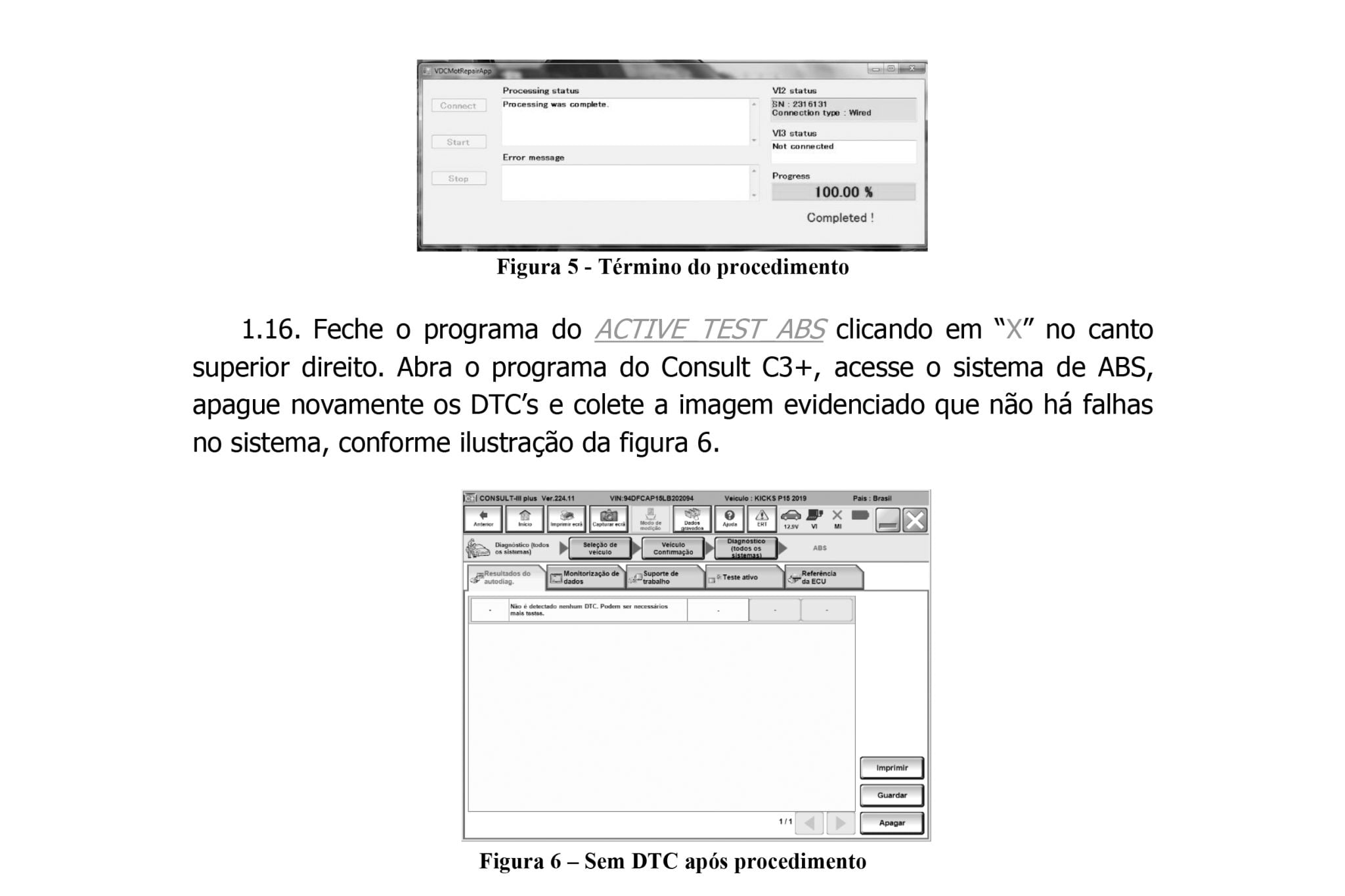
Excerpt from the technical bulletin in which Nissan advises solving the problem only with software adjustments (Photo: AutoPapo)
Part of the answer was in an internal Nissan document that ended up being added to the lawsuit by the defense itself: Technical Bulletin 005-23 BRC, sent to the network in February 2023. Each page carries a notice prohibiting external disclosure without written authorization from the automaker.
The bulletin describes exactly the symptom reported by the company — the anti-lock brake warning light on the dashboard, accompanied by the stability control light. Internally, Nissan classifies the origin of the problem as an “internal failure”. And he instructs the workshops to solve it: run a program on the dealership’s computer for about 1h20, wait for the cycle to finish and go out for a test on the street at least 40 km/h, without any parts being changed.
The document is valid for Kicks from five consecutive model years, from 2017 to 2021, produced until February 1, 2021. The ABS brake, it is worth remembering, is a mandatory item in every new car sold in Brazil since 2014, by resolution of Contran.
Turning off the light does not fix the brake
Appointed by the court, engineer André Fernandes de Almeida Bezerra was direct in his expertise in the case: a procedure done only by software does not restore physical wear or material degradation of a part. He classified the operation as functional mitigation — something that changes the way the electronic center reads and tolerates the defect, without touching the defect.
The judge went further and gave the practice a technical name: fault masking. In reading the decision, the alert disappears from the dashboard, the component remains degraded and the driver returns to the street thinking that the car is solved, traveling in a false sense of security.
There was also an uncomfortable detail: the expert recorded that not even this limited procedure was proven in the records, as the records that Nissan’s own bulletin orders to be collected and kept at each intervention were missing.
The battery changed on the eve of the forensic examination
While the process was underway, the Court determined that the Kicks would be kept at Eurovia, which became responsible for the integrity of the vehicle until the technical examination. Thus, the dealership should keep the car inviolate so as not to compromise the analyses.
In February 2026, between the day before and the morning of the inspection, the workshop changed the car’s battery and tampered with the electrical system without asking the court for authorization. Three fuse box seals were broken, leading to the deletion of the volatile memory of the electronic control unit – exactly where the records that the expert would open a few hours later were.
The judge treated the episode as one of the most serious points of the case: whoever caused the disappearance of the evidence cannot benefit from the lack of it.
What the expert found was also not encouraging: the Kicks had 101,270 km, apparent oxidation and mold on the seats, stopped for more than three years without revision. The condition of the car even prevented the road test, because running in those conditions could damage the engine.
The defense of the two companies
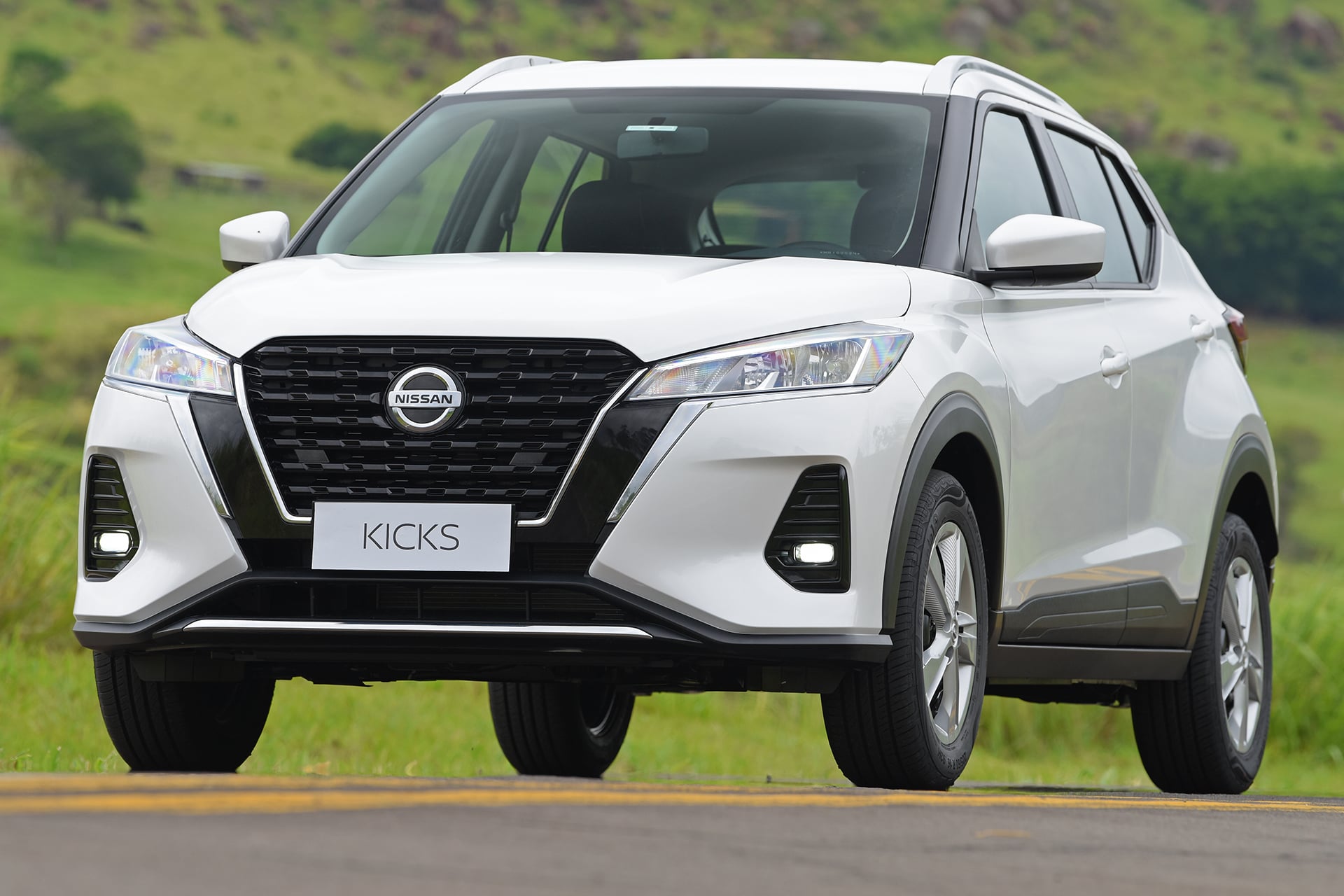
Nissan denied wrongdoing, but offered a zero-km Kicks to the company (Photo: Nissan | Disclosure)
Eurovia and Nissan denied wrongdoing from start to finish.
The dealership maintained that it is only a dealer and is not responsible for a factory defect, that the car was repaired and returned working, that the warranty had expired in 2020 and that the case is nothing more than an annoyance. He also argued that the expert opinion was based only on paper, since the expert himself admitted that he was unable to run the vehicle.
Nissan went the other way, and said that the repair worked — the car would have driven more than 7,300 km after it — and attributed the failure to lack of maintenance: according to the automaker, the Kicks was only serviced up to 20 thousand km and reached 93 thousand without regular revisions. He stated that the offer to change the ABS module was a commercial courtesy, not an obligation. The automaker also maintained that the expert did not access the module’s internal program or the data from the center, which would make his conclusions mere inferences.
The manufacturer even questioned whether a company can ask for moral damages, since people are the ones who get upset. The judge rejected the argument: legal entities also have reputations to protect, and this is already settled in the Superior Court of Justice.
The zero car that turned into another fight
In the middle of the process, Nissan offered a zero-kilometer Kicks Exclusive to replace the defective car. The exchange was approved by the Court and complied with: the company removed the new car in May 2024.
But even that turned into a discussion, as the plaintiff denounced that the invoice for the new car came out for R$ 101 thousand, against a market price of R$ 162,190, which would reduce the calculation basis of the lawsuit’s fees. Nissan responded that the note reflects direct factory billing, at cost price. For the automaker, delivering the brand new car was an economic decision to stop paying the rental of the spare car determined in an injunction, and not a confession of defect.
What the Justice decided and what it denied
The sentence condemns Nissan and Eurovia, jointly, to R$ 25 thousand for moral damages, with interest and monetary correction, plus costs and fees of 15% of the value of the conviction. It also confirms the provisional decisions that guaranteed a spare car to the company until the delivery of the replacement.
Two requests were left out, however. In them, the injured company wanted Nissan to be forced to publish counter-advertising and for the Justice to call on authorities to determine a national recall and investigate possible crime. The judge denied both: they are matters for regulatory agencies and the Public Prosecutor’s Office, she said, not for an individual action.
One point can still be appealed: in the reasoning, the sentence points to R$ 30 thousand as an adequate amount; in the conviction, at the end of the text, the number that appears is R$ 25 thousand. The decision is of first instance and the companies can take the case to the Court of Justice of Bahia.
Comments are the sole responsibility of their authors and do not represent the opinion of this site. Comments containing profanity or offensive language will not be published. If you identify anything that violates the terms of use, please report it.