

Cars have never been so good, but recalls are higher than ever
Quality studies point to the best evolution since 1997, while shared platforms and software failures increase calls to the workshop
By
Júlia Haddad
Published on 2026-08-21 at 09:00 AM
Published on 2026-08-21 at 09:00 AM
Be the first to comment.
Summarize with:
More than 23 million vehicles have been recalled in the United States since the beginning of 2026, according to the National Highway Traffic Safety Administration (NHTSA). The volume is approximately double that recorded in the same period in 2025 and puts the sector on track to surpass the annual record of 31.3 million units, set last year.
The growth comes at a time of improvement in the quality indicators of new cars. J.D. Power’s Initial Quality Study (IQS), released in June, pointed to the industry’s biggest annual evolution since 1997. The survey considers the problems reported by consumers in the first 90 days of use.
The movement is not exclusive to the United States. A monthly survey by the Chinese regulatory authority that consolidates ten markets registered, in November 2025, 307 campaigns involving about 4.3 million vehicles. In China alone, electrified recalls grew 20% in the first half of 2025, reaching 1.53 million units. Tesla recalled 1.2 million cars in the country in a single campaign, resolved by remote update.
In Brazil, the curve is the same. Data from the National Traffic Secretariat (Senatran) show that 999,393 vehicles were recalled between January and October 2024, a number that already exceeded the 2023 total of 975,234 units. In 2026, Volkswagen conducted the two largest campaigns in the country: 117,798 cars due to software failure in the digital panel, in May, and 150,290 due to defect in the parking brake lever, in July.
Indicators that look to the past
The apparent contradiction lies in the fact that quality studies and recalls measure different moments. Paul Waati, director of industry analysis at AutoPacific, said quality scores are “leading indicators,” while recalls look backwards, as they often involve vehicles produced years earlier.
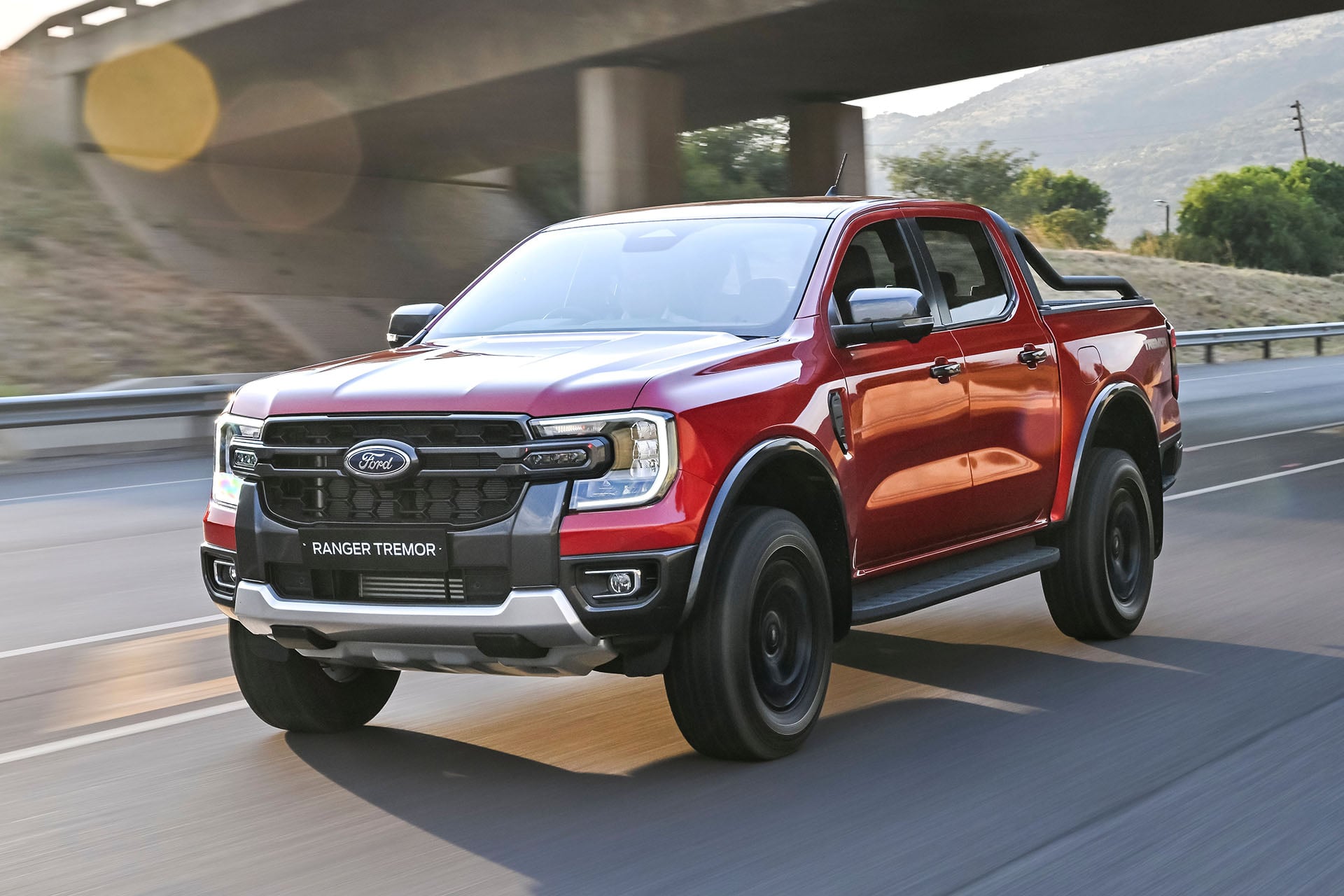
Ford illustrates the mismatch well. After years among the worst placed – it was the 15th volume mark in the IQS two years ago – the automaker now appears behind only Porsche and Genesis. At the same time, it accumulates about 10.3 million vehicles in recalls in 2026 and could surpass the annual record of 13.6 million, set by General Motors in 2014.
The academic literature had already identified the pattern. In a study published in the journal Omega, Hilary Bates, Matthias Holweg, Michael Lewis and Nick Oliver analyzed 23.1 million vehicles registered in the United Kingdom between 1992 and 2002 and found an increase in the frequency of the campaigns: from less than 50 per year at the beginning of the series to more than 120 annually between 1998 and 2002, with no correspondence with a worsening in perceived reliability.
Shared Parts and Lines of Code
The use of common platforms and components causes a single failure to reach millions of units. Takata’s airbags have recalled 42 million vehicles from 34 brands and 19 automakers in the United States. Toyota’s faulty V6 engine equips the Tundra pickup and the Lexus LX and GX. In the Brazilian case of Volkswagen, the six models recalled in July share the MQB-A0 architecture – according to the automaker, this is what explains the volume reached.
The type of defect also changes. Mechanical failures, fires and loss of power remain among the causes, but software problems gain ground as vehicles become more complex, with millions of lines of code likely to become a safety risk, as Waati notes. In many cases, the correction does not require a trip to the workshop and is done by remote update, a feature now present in almost all launches.
There is still a change in strategy. According to Frank Hanley, senior director of automotive benchmarking at J.D. Power, manufacturers have started to anticipate calls, correcting known defects before the consumer notices them — which reduces the chance of the problem being recorded in surveys such as IQS. Research by Meike Eilert, Satish Jayachandran, Kartik Kalaignanam and Tracey Swartz published in the Journal of Marketing, with 381 recall investigations opened between 1999 and 2012, showed that brands with a consolidated reputation for reliability tend to take less time to announce the recall, even in serious failures.
The cost is high. Ford said it had spent about US$ 10 billion, or approximately R$ 51.8 billion at the exchange rate on Thursday (20), with warranties and repairs linked to recalls last year. In Brazil, the problem is different: 3.8 million vehicles circulate without repair, the equivalent of one in five recalled since 2011, according to Senatran and Senacon.
SEE MORE ABOUT

0 Comments
Comments are the sole responsibility of their authors and do not represent the opinion of this site. Comments containing profanity or offensive language will not be published. If you identify anything that violates the terms of use, please report it.