


MG will have 1,300 “snitch” radars, which even pick up cars that are just suspicious of something
In addition to measuring speed, a new generation of devices will monitor atypical displacements and clandestine transport in the state
By
Júlia Haddad
Published on 2026-05-21 at 09:00 PM
Updated on 2026-05-21 at 09:33 PM
Published on 2026-05-21 at 09:00 PM
Updated on 2026-05-21 at 09:33 PM
Be the first to comment.
Summarize with:
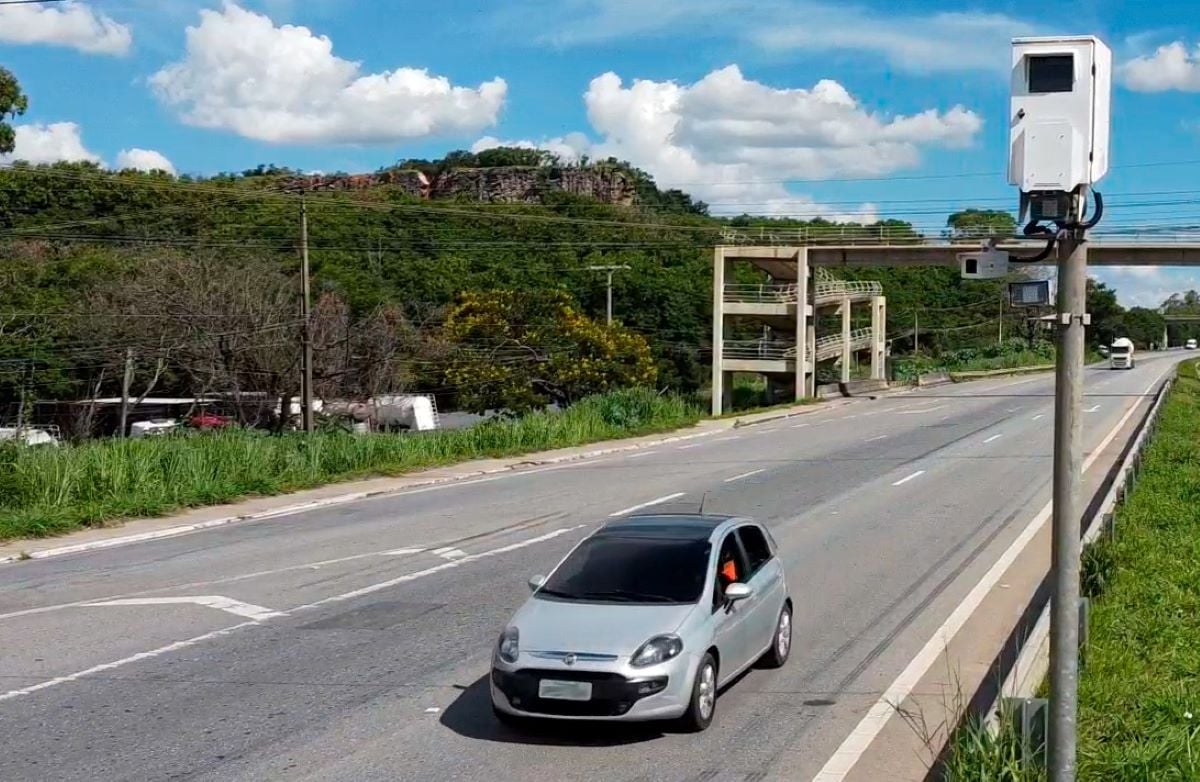
Starting next month, the government of Minas Gerais, through the Department of Highways (DER-MG), will begin the installation of a new generation of smart radars on state highways. In addition to monitoring speeding, the equipment will work as a strategic tool for public safety, equipped with automatic license plate reading in real time, large-scale data processing capacity and artificial intelligence.
In its most traditional function, the technology will allow the immediate identification of stolen or cloned vehicles and the flagrant of those speeding. In addition, the devices will be able to detect what the DER calls “unusual behavior patterns”, such as “atypical displacements and the recurrent circulation of vehicles in convoy”. According to the agency, the system will issue automatic alerts that will make the approaches less random and more focused on combating irregularities, such as the clandestine transport of passengers and the misuse of cargo authorizations.
SEE ALSO:
- Can electric car cross floods? Here’s how to act
- Traffic deaths grow 14% and reach the highest level since 2019
- Car theft victim uses headphones to solve crime and surprises thief in Santa Catarina
The state argues that the main objective of the measure is not collection. The agency says that less than 1% of vehicles that pass through Minas Gerais radars are fined. The new network was designed based on geoprocessing to act at the points with the highest rate of occurrences, with an official estimate of saving up to R$ 76 million in costs associated with road accidents.
In the first phase of the schedule, 210 new devices will be installed, joining the current network of 614 radars. The replacement of old equipment will occur gradually, with the goal of putting 1,300 smart radars into operation by 2028. To ensure the efficiency of inspection, the bidding contract adopted a model of remuneration for performance, paying companies only for the time the cameras are effectively working.
The project also provides for the future integration of the database with the state secretariats of Public Security (Sejusp-MG) and Finance (SEF-MG), strengthening the technological siege against crime. The strategy adds to other recent innovations adopted by the state, such as the integration of road information with Waze and the use of artificial intelligence in traffic monitoring.
SEE MORE ABOUT

0 Comments
Comments are the sole responsibility of their authors and do not represent the opinion of this site. Comments containing profanity or offensive language will not be published. If you identify anything that violates the terms of use, please report it.