Toyota has confirmed that the hydrogen fuel cell-powered Hilux will go into production in 2028, aimed at fleets and commercial customers in Europe. The announcement was made during the IAA Transportation 2026 in Hannover, Germany, and puts the Japanese company ahead in the race for the first medium pickup truck with this technology for sale on the continent.
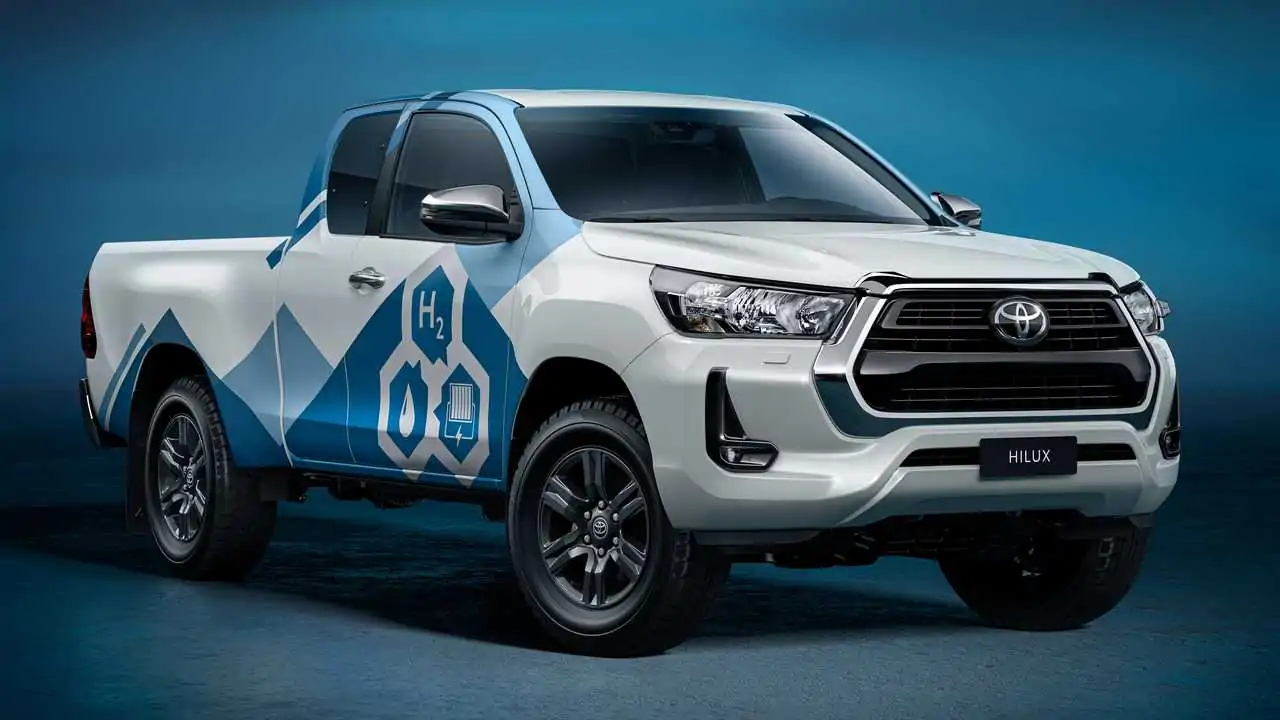
Previous generation Hilux had already gained a hydrogen version on an experimental basis (Photo: Toyota | Disclosure)
The goals released are more than 400 km of autonomy in the WLTP cycle and a towing capacity of 2,500 kg, with refueling in three to five minutes. The automaker itself treats the numbers as development targets, and not as approved data, and did not inform tank capacity, power or payload.
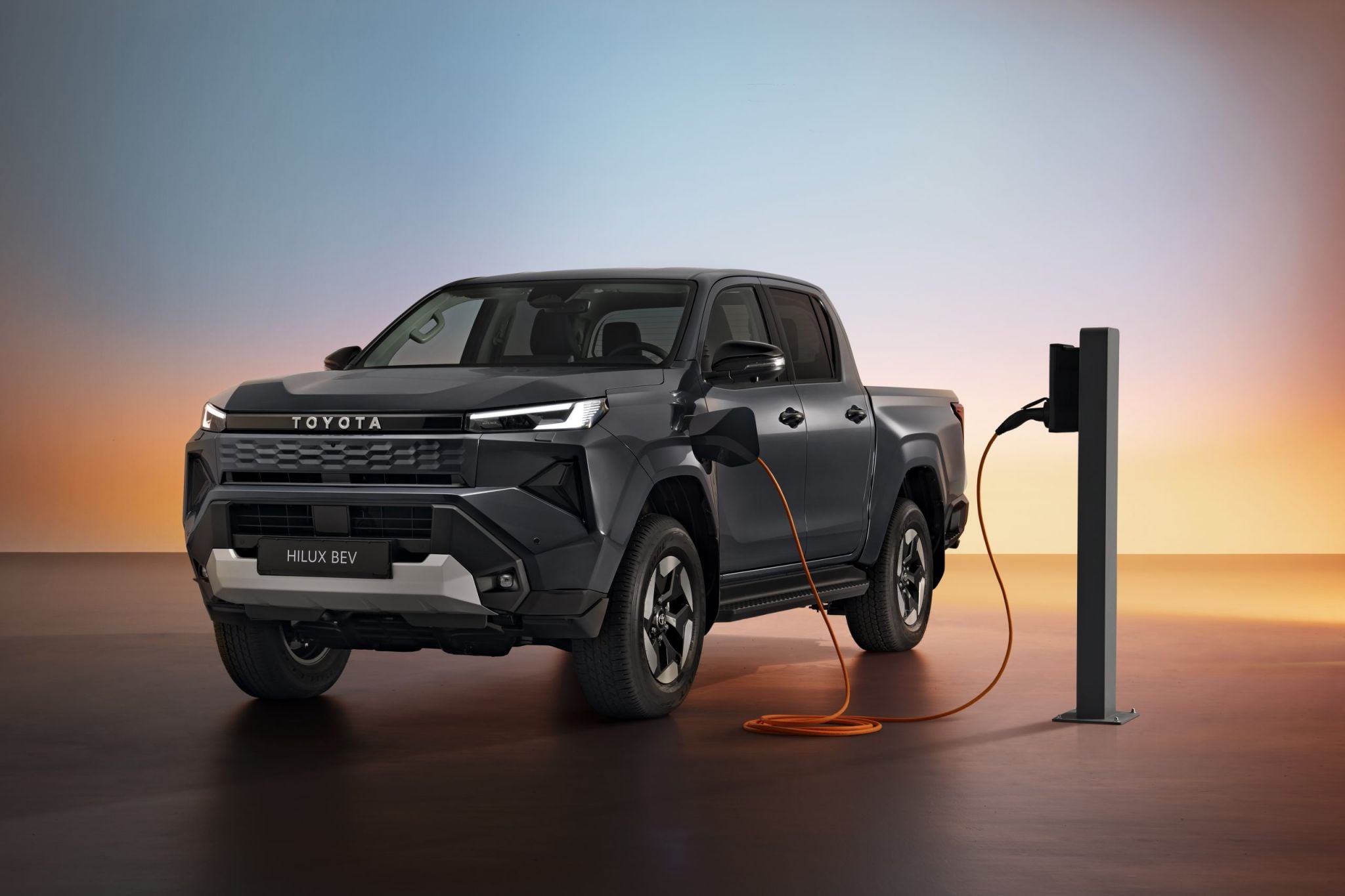
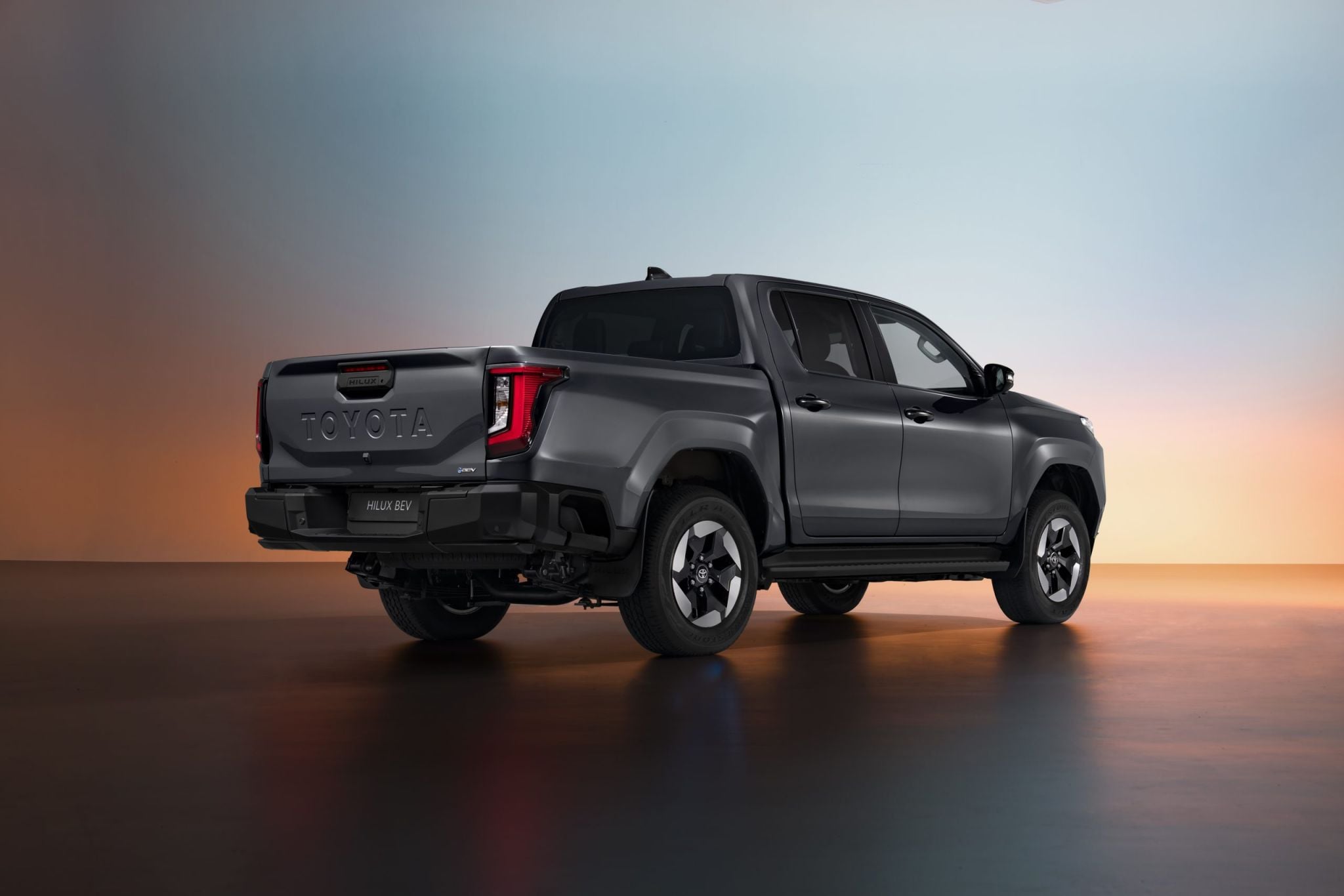
The comparison with the 100% electric Hilux helps to explain the bet. The battery version is between 240 km and 260 km of WLTP autonomy, depending on the market and configuration, tows up to 2,000 kg and needs about 30 minutes on a fast charger to go from 10% to 80% of the charge. For a fleet that runs all day, the difference weighs on the work schedule.
The propulsion system derives from the Mirai sedan and generates electricity on board by the reaction between hydrogen and oxygen in the air, with water vapor as the only byproduct of the exhaust. The first prototype was shown in 2022.
In 2024, Toyota built ten test units in the United Kingdom, with three tanks integrated into the stringer chassis, lithium-ion battery under the bucket, 182 hp and 30,6 kgfm rear electric motor and a declared range of 600 km. The standard version promises 400 km, and the brand did not explain the difference.
Photo: Toyota | Disclosure
The supply
bill A survey by the European Hydrogen Observatory in May this year points to only 179 public hydrogen stations in Europe, of which 160 have 700-bar fuels compatible with cars. The charging network for electric vehicles is orders of magnitude larger, and fuel cell vehicles usually cost more than battery or combustion equivalents.
The pickup enters an expanding European operation: Toyota’s light utility vehicle sales on the continent have more than doubled in five years and are expected to exceed 165 thousand units in 2026, with more than 7% share. The goal is to reach 200 thousand per year and 8% share by 2030.
There is no projection for markets outside Europe. In Brazil, the ninth generation of the Hilux is expected in early 2027, produced in Zárate, Argentina, with the 2.8 turbodiesel of 204 hp and an electric version of 196 hp and up to 380 km of autonomy. Hydrogen is not on the regional menu, and the country does not have a public supply network.
Comments are the sole responsibility of their authors and do not represent the opinion of this site. Comments containing profanity or offensive language will not be published. If you identify anything that violates the terms of use, please report it.