


The component that causes almost half of the breakdowns on the road has its days numbered at Leapmotor
Cell-to-Chassis 3.0 battery accumulates high and low voltage and dispenses with the lead-acid component used in cars for more than 70 years
By
Júlia Haddad
Published on 2026-09-21 at 12:00 PM
Published on 2026-09-21 at 12:00 PM
Be the first to comment.
Summarize with:
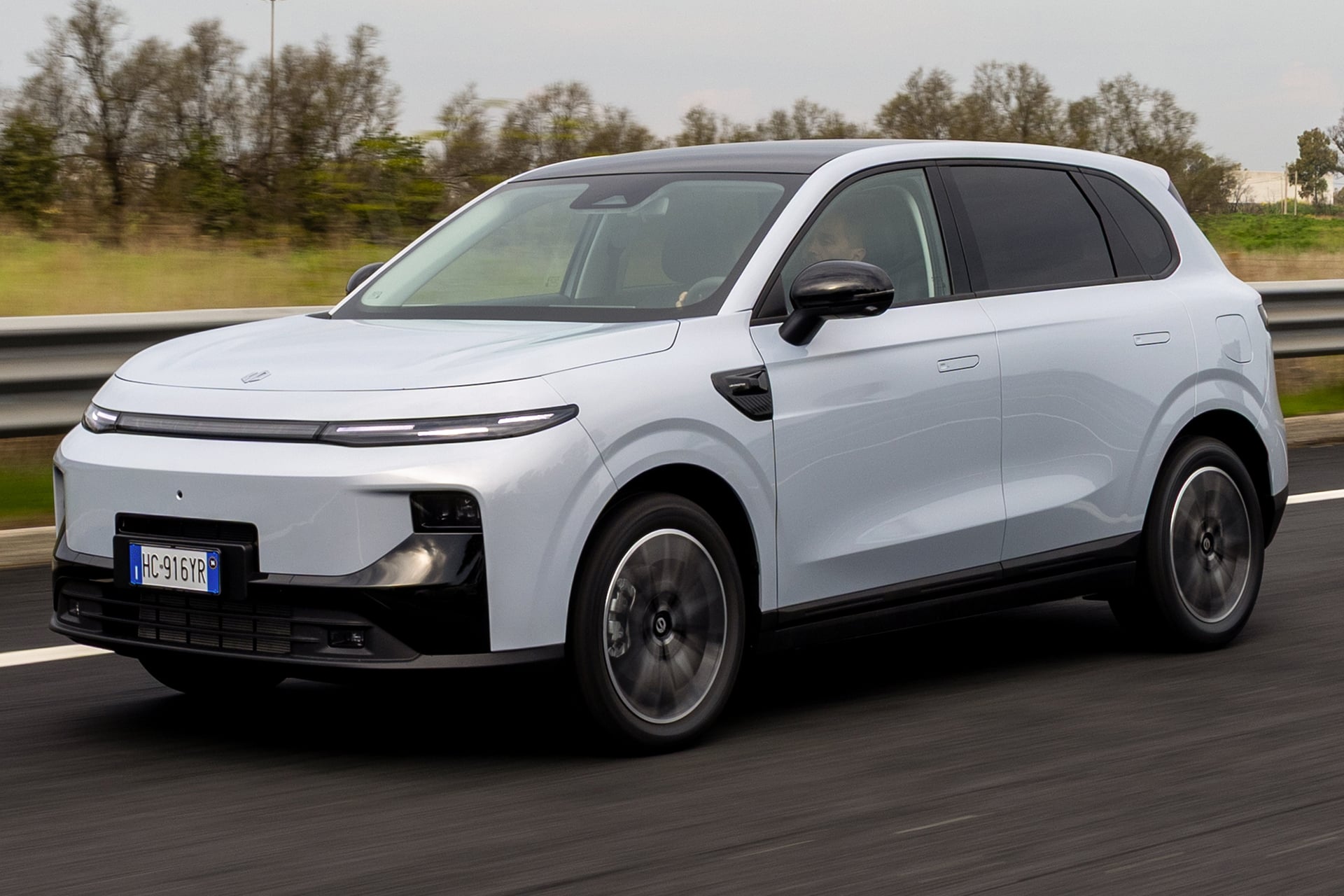
Leapmotor intends to eliminate the 12 V auxiliary battery from its cars, a component present in automobiles for more than seven decades. The change is planned for the Chinese brand’s new generation models, with launch from 2027.
The solution was presented at Leapmotor Tech Day 2026, held at Hu Zhou Battery’s facilities in Hangzhou. Named Cell-to-Chassis (CTC) 3.0 High and Low Voltage, the new battery incorporates the low-voltage power supply to the traction system itself, currently delivered by a separate battery.
In a statement, the company says that when the technology reaches the next generation of models, they will be the first production cars in more than 70 years to dispense with an auxiliary lead-acid battery.
The difference is in the distribution of energy: instead of a high-voltage battery for propulsion and another, 12 V, for the other electrical components, the CTC 3.0 accumulates both functions. According to Leapmotor, the new generation has seven times more low-voltage operating capacity than the previous one, enough to power lighting, windshield wipers, air conditioning, multimedia and safety equipment.
High and low voltage start to use the same cells and modules and to share thermal management and energy distribution.
The component that leaves cars at a standstill
the most In the annual breakdown report of the ADAC, Europe’s largest automobile club, released this year, the starting battery accounts for almost half of the roadside assistance calls, regardless of the type of engine. In the electric system, the German club also recorded a relevant portion of occurrences related to the on-board electrical system.
Subject to wear and tear, the 12 V battery needs to be changed throughout the life of the vehicle. By transferring the low-voltage function to the main battery, Leapmotor says that this periodic replacement is no longer necessary. The manufacturer also estimates that the adoption of the technology on a large scale can avoid the use of tens of millions of lead-acid batteries per year, with a proportional reduction in waste.
Cells inside the chassis
The acronym CTC describes the concept: instead of modules housed in a separate structure, cells and modules are integrated directly into the chassis. CTC 3.0 is part of the LEAP 5.0 architecture, which will serve as the basis for the brand’s next launches. The company has not yet informed which model will debut the system.
In Brazil, Leapmotor has been operating since the end of 2025 under the Stellantis structure, with a network of 36 dealerships and the C10 SUVs, in electric and REEV versions, and B10. The brand did not indicate if and when the new architecture will reach models sold in the country.
SEE MORE ABOUT

0 Comments
Comments are the sole responsibility of their authors and do not represent the opinion of this site. Comments containing profanity or offensive language will not be published. If you identify anything that violates the terms of use, please report it.