

Hidden speed cameras can be banned and speed panels mandatory
Bill 4751/24 prohibits the installation of radars behind obstacles and requires speed displays on large roads
By
Tom Schuenk
Published on 2026-04-28 at 10:00 AM
Updated on 2026-04-28 at 10:25 AM
Published on 2026-04-28 at 10:00 AM
Updated on 2026-04-28 at 10:25 AM
Be the first to comment.
Summarize with:
The Traffic and Transport Commission of the Chamber of Deputies approved PL 4751/24, which establishes stricter transparency criteria for speed enforcement throughout the country. The proposal, reported by Deputy Rosana Valle (PL-SP), seeks to amend the Brazilian Traffic Code (CTB), especially the rules on radars, to prioritize the educational nature of fines and curb the installation of equipment for purely collection purposes.
SEE ALSO:
- New concepts reveal Peugeot’s strategy to produce global electric cars in China
- Stellantis rules out the end of brands and prioritizes Fiat and Jeep to overcome crisis
- Brazil was left behind: Yamaha has its ‘funniest motorcycles’ in neighboring countries
End of hidden radars and mandatory displays
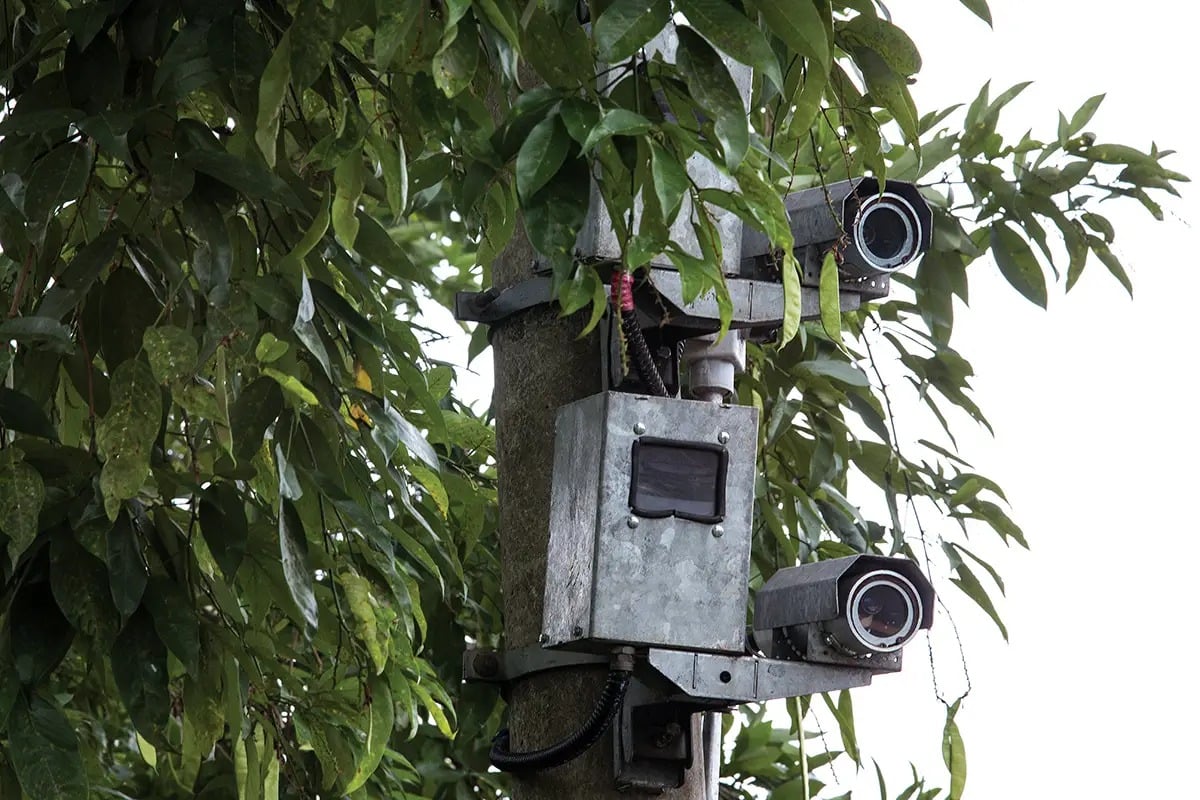
The prominent change is the definitive ban on hidden radars. The rule applies both to fixed equipment, which can no longer be installed behind objects that make it difficult to see, and to portable radars operated by agents.
In addition, the project requires that fixed radars on roads with two or more lanes in the same direction must have electronic panels (displays), informing the speed of the vehicle at the time of passage.
Technical studies and minimum distances
The proposal also focuses on data transparency. Each speed meter must be justified by a technical study that proves the need for inspection in that specific location. This information, along with the date of the last Inmetro check, must be published on the internet by the traffic agencies.
To avoid overlapping fines in short stretches, the Bill defines minimum distances between devices:
- Urban perimeter: minimum interval of 500 meters.
- Highways: minimum interval of 2 km.
The text now goes to the Constitution and Justice and Citizenship Commission (CCJ) for analysis. If approved, it will still need to go through the plenary of the Chamber and the Senate before going to presidential sanction.
SEE MORE ABOUT

0 Comments
Comments are the sole responsibility of their authors and do not represent the opinion of this site. Comments containing profanity or offensive language will not be published. If you identify anything that violates the terms of use, please report it.