


Stellantis rules out the end of brands and prioritizes Fiat and Jeep to overcome crisis
Despite billionaire losses and falling market value, the conglomerate denies the sale of divisions and focuses resources on four main fronts
By
Júlia Haddad
Published on 2026-04-27 at 08:00 AM
Updated on 2026-04-27 at 08:36 AM
Published on 2026-04-27 at 08:00 AM
Updated on 2026-04-27 at 08:36 AM
Be the first to comment.
Summarize with:
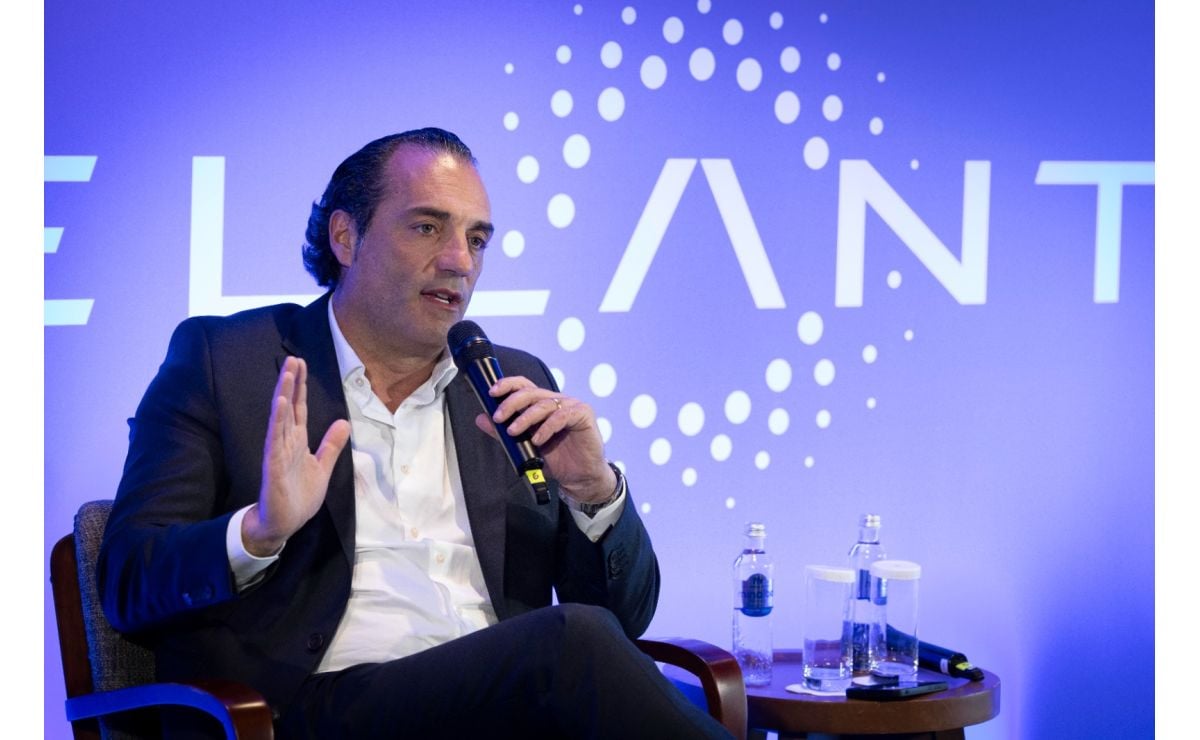
Stellantis has reaffirmed its strategy to preserve the group’s 14 brands, despite growing pressure from investors for a simplification of the portfolio in the face of adverse financial results. Under the management of Antonio Filosa, the automotive giant seeks to balance the operation after recording a negative impact of €22.2 billion, reflecting the high costs of transition to electrification and heavy investments in the North American market.
Currently, the conglomerate’s market value is around €21 billion, a figure that is similar to the loss accumulated in the last financial year. To stop the financial bleeding, the solution designed by the company’s top management does not involve the closure of divisions, but a rigorous internal hierarchy of investments.
SEE ALSO:
- MG will bring luxury brand IM Motors to Brazil
- Honda leaves South Korea under pressure from BYD
- BAIC confirms debut in Brazil in 2026 and is already studying local production
In this new scenario, brands such as Fiat, Jeep, RAM and Peugeot were elevated to the status of global pillars. While RAM sustains margins in the United States and Fiat maintains leadership in Latin America and Italy, Peugeot continues to be a key player in Europe. Unlike the previous guideline of Carlos Tavares, which sought a more homogeneous distribution of resources, the new order provides for the concentration of investments on these four most profitable fronts.
Market analysts, however, are skeptical about the maintenance of brands with a high audience overlap, such as Alfa Romeo, Lancia and DS, which share components and compete for the same premium consumer. Even the future of Maserati, the jewel in the group’s crown, has become the subject of speculation. Citroën, with 19% of European sales, and the Opel/Vauxhall duo, with 21%, also face the challenge of staying relevant under the new policy.
The bet to sustain the empire lies in the massive sharing of platforms and the partnership with the Chinese Leapmotor, which will serve as a shortcut to low-cost models. For Filosa, the focus is on efficiency: keeping the identities on the hoods, unifying what is underneath them to ensure the survival of all brands.
SEE MORE ABOUT

0 Comments
Comments are the sole responsibility of their authors and do not represent the opinion of this site. Comments containing profanity or offensive language will not be published. If you identify anything that violates the terms of use, please report it.