


Henry Ford’s ghost town in the Amazon will have to be restored by court order
Sentence meets MPF action, recognizes the abandonment of assets and sets daily fines in case of non-compliance with deadlines
By
Júlia Haddad
Published on 2026-06-08 at 08:00 AM
Published on 2026-06-08 at 08:00 AM
Be the first to comment.
Summarize with:
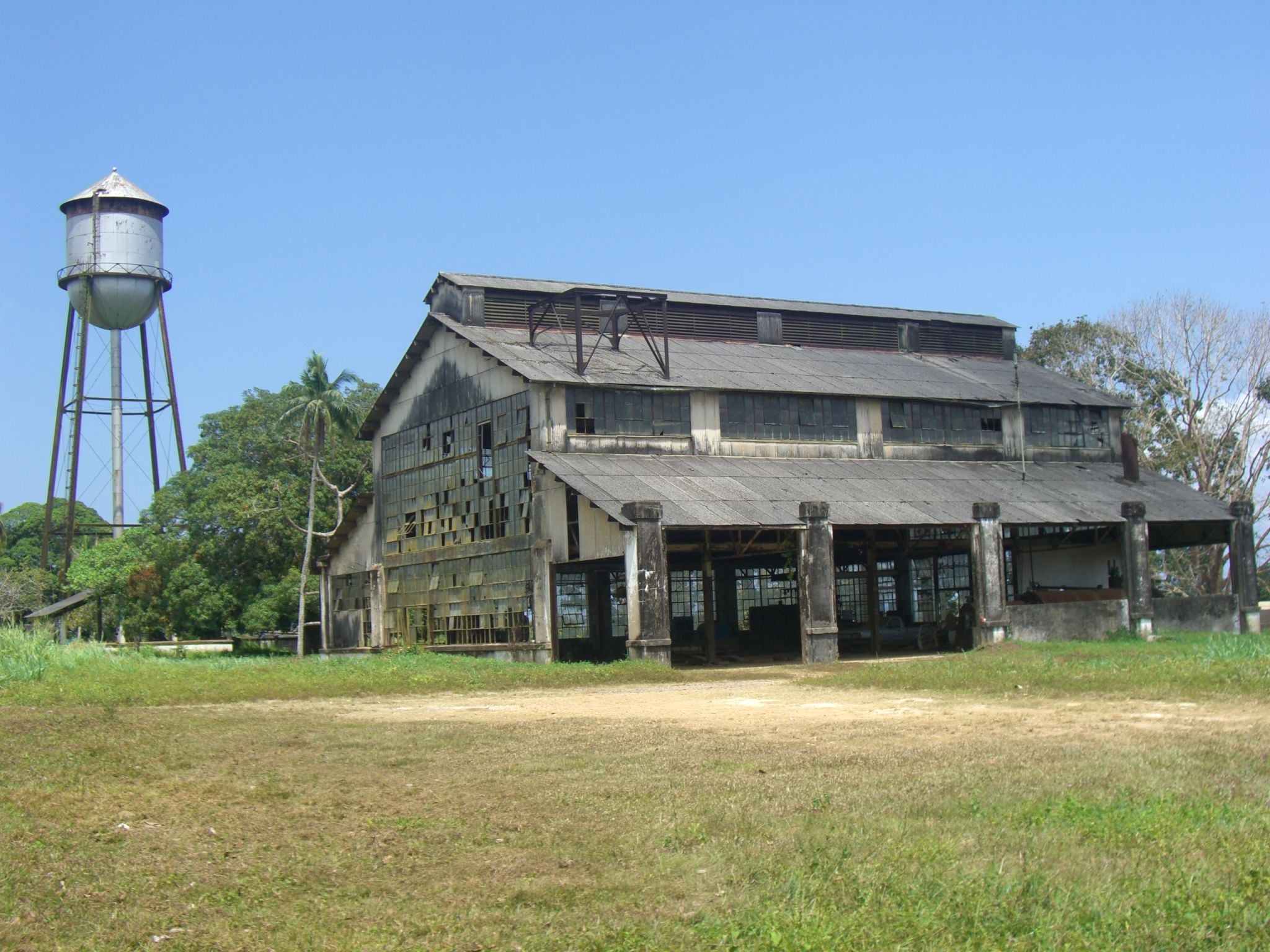
The Federal Court determined that the Union, Iphan, the Government of Pará and the City Hall of Aveiro (PA) adopt immediate measures to recover and preserve Fordlândia, the historic district in the southwest of Pará created by businessman Henry Ford in 1927. The decision responds to an action by the Federal Public Ministry (MPF) and recognizes the advanced state of degradation of the heritage, considered one of the main landmarks of the industrial presence in the Amazon.
For the sentence, the four entities are jointly and severally liable – that is, they must all act together in the execution of the actions. Within 90 days, under the coordination of Iphan, an updated diagnosis of the historic properties must be presented, including the old hospital, now in ruins, the industrial warehouses, the Armazém do Porto, the Cine Patinha, the Henry Ford school and the old workers’ villages.
SEE ALSO:
- GPS orders, driver obeys and stops entire subway in the US
- The world’s longest-lived SUV, Lada Niva gets its first airbag at age 49
- Goodbye to snacks on board? Bill wants to ban ultra-processed foods on buses and planes
Subsequently, the agencies will have a period of 180 days to present a Recovery and Conservation Plan with a schedule of works, division of responsibilities, sources of financing and emergency measures for structures at risk. After judicial approval, the work should begin within 30 days.
The decision also determines that the Superintendence of Federal Heritage in Pará must conclude, within 120 days, the land regularization of the remaining properties of the former industrial area. Residents and the Federal Public Defender’s Office will participate in discussions on preservation and occupation of the district.
In case of non-compliance with the deadlines, daily fines of R$ 10 thousand were set for the Union and Iphan, and R$ 5 thousand for the Government of Pará and the City Hall of Aveiro.
Founded in 1927 to supply the North American automobile industry with rubber, Fordlândia was abandoned after the failure of the enterprise in 1945. Although the federal listing was denied by the Iphan Advisory Council in May 2024, the Court understood that the duty to preserve the heritage does not depend on the listing, based on article 216 of the Constitution, and highlighted its cultural, architectural, and historical value.
SEE MORE ABOUT

0 Comments
Comments are the sole responsibility of their authors and do not represent the opinion of this site. Comments containing profanity or offensive language will not be published. If you identify anything that violates the terms of use, please report it.