


GPS, YouTube and TV at the same time: how LG’s new vehicle dashboard works
Intelligent system improves safety with new voice commands and cheapens assembly for manufacturers by reducing the number of processors
By
Júlia Haddad
Published on 2026-06-01 at 03:00 PM
Published on 2026-06-01 at 03:00 PM
Be the first to comment.
Summarize with:
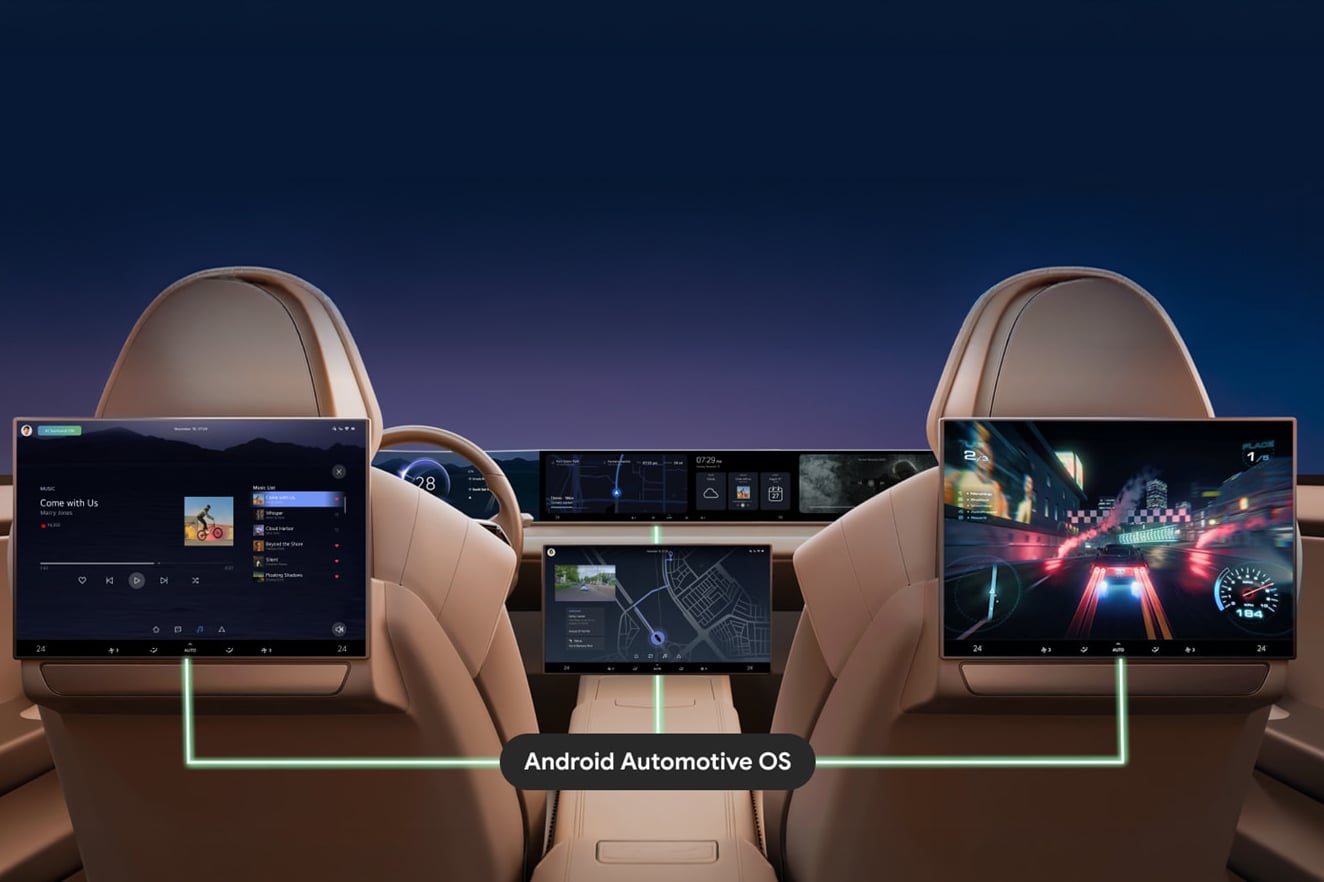
LG Electronics has unveiled a new platform for connected vehicles, developed in partnership with Google, that promises to transform the electronic architecture of automotive cabins. Based on the native Android Automotive OS (AAOS) system, the technology allows you to manage multiple car screens — of different sizes and proportions — using only a single processor (System-on-Chip).
Equipped with Qualcomm’s Snapdragon Cockpit platform, the system innovates by eliminating the need for a dedicated microchip for each display. This consolidation dramatically reduces production costs and engineering complexity for automakers, accelerating the industry’s transition to the era of “software-defined vehicles” (SDV).
SEE ALSO:
- Azul sponsors CBF, but Brazilian team goes to the World Cup on the Rolling Stones’ plane
- ‘Hurried’ will have to install speed limiters on their cars in New York
- Brazil’s fastest charger takes 13 minutes to add 300 km of range to electric cars
In practice, the South Korean brand’s solution allows each occupant of the vehicle to access independent content simultaneously and fluidly. While the driver follows the GPS navigation on the main dashboard, for example, the front passenger can watch a video on YouTube and the occupants of the rear seat can tune in to live TV on the screens leaning against the seats. All of this operates independently, dispensing with the traditional mirroring via smartphone.
To raise the level of cabin customization, the software supports the creation of individual login profiles, quick media sharing between monitors, and parental control setup.
Usability and security have also received special attention through Google voice commands. The driver can change the layout of the displays, open apps, manage volume and access vital car functions just by speaking, minimizing reliance on touch screens and reducing distractions behind the wheel. Publicly supported by executives of the American big tech, the project strengthens LG’s role as a global supplier, an advance that was immediately recognized by investors with a significant rise in the company’s shares on the Asian stock exchange.
SEE MORE ABOUT

0 Comments
Comments are the sole responsibility of their authors and do not represent the opinion of this site. Comments containing profanity or offensive language will not be published. If you identify anything that violates the terms of use, please report it.