


‘Hurried’ will have to install speed limiters on their cars in New York
New York law targets drivers with more than 16 annual fines and expands use of cameras in school areas
By
Júlia Haddad
Published on 2026-06-01 at 09:00 AM
Published on 2026-06-01 at 09:00 AM
Be the first to comment.
Summarize with:
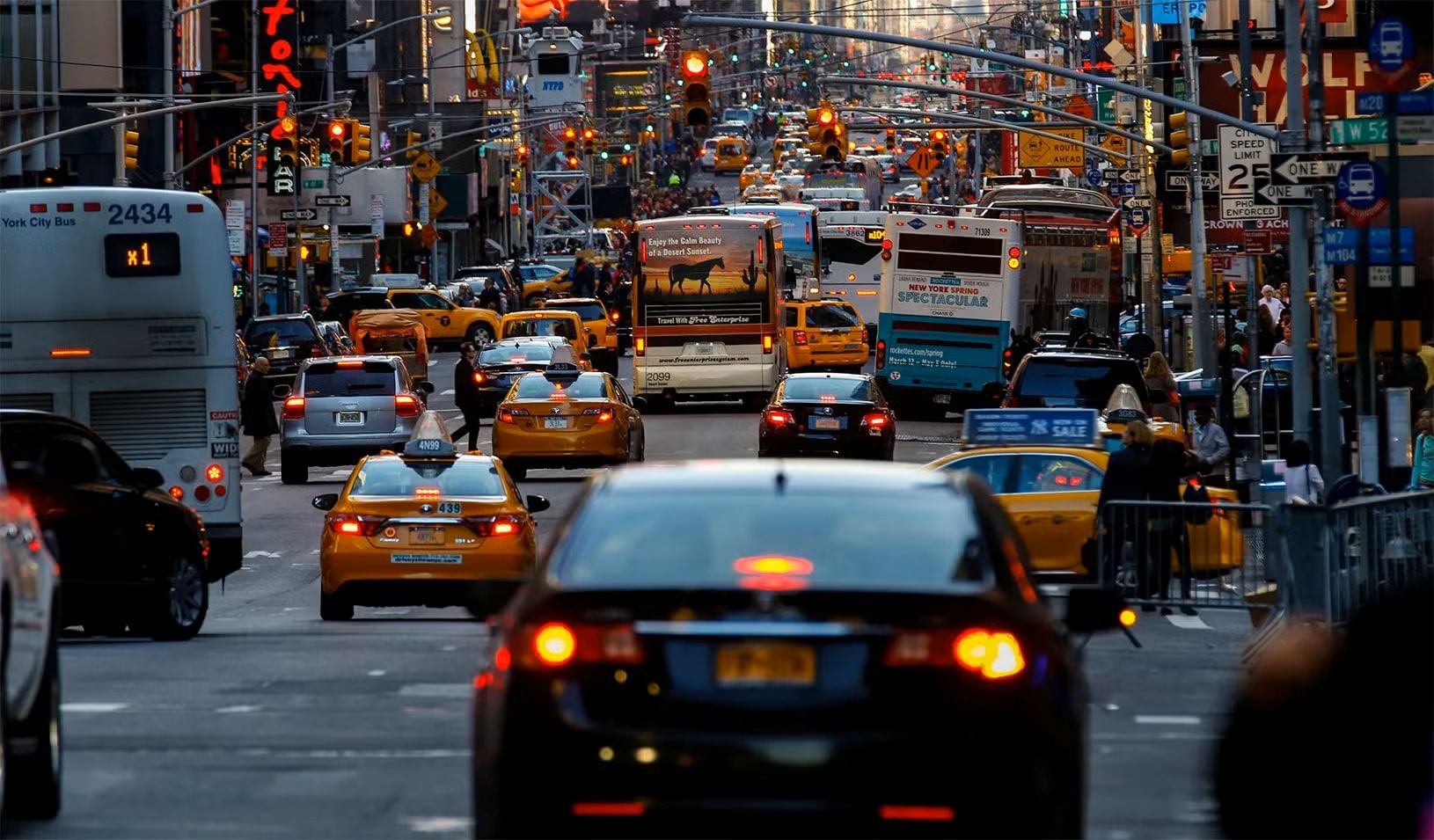
New York Governor Kathy Hochul has signed into law a legislative package that tightens traffic rules and expands electronic enforcement in the state. The main showcase of the new law is the creation of an unprecedented pilot program focused on repeat offenders, classified by local authorities as “super speedsters”. The measure authorizes the metropolis to require the installation of speed limiting devices in the vehicles of repeat offenders.
The technology, known as Intelligent Speed Assistant (ISA), acts directly on the car’s system, physically preventing it from exceeding the regulated limits on the roads. The legal requirement has a specific target: it will reach drivers who accumulate at least 16 speeding fines in a 12-month period. The text also includes drivers with 11 infractions of this type who have a history of running red lights.
SEE ALSO:
- The unusual trick of young Japanese people to ride a Ferrari on a budget
- IPVA exceeds R$ 90 billion in 2025 and opens the abyss between São Paulo and Roraima
- 007’s car turned to ashes: Pierce Brosnan lost handmade Aston Martin and only one detail was left
The attempt to circumvent or not comply with the court order will be costly. The state government has stipulated severe fines ranging from $1,500 to $2,500, in addition to the imminent risk of suspension of the vehicle’s registration. Although the pilot project will initially be implemented in New York City, the legislation already leaves doors open for other municipalities with more than one million inhabitants to adopt the tool in the future.
The scope of the sanctioned law, however, goes beyond speed limitation. The package significantly expands the road monitoring network, authorizing the use of radars in road construction areas and the installation of cameras on school bus stop signs. The objective is to catch and fine those who carry out illegal overtaking at the exact moment of boarding and disembarking children.
Finally, the government offensive tries to curb the escalation in the costs of auto insurance policies in the state, where the average values already exceed the barrier of US$ 4,000 per year. The text introduces mechanisms to combat structured fraud, such as forged accidents, and restricts the payment of compensation in cases where the driver is committing illegal acts, such as driving under the influence of alcohol or without valid insurance coverage.
SEE MORE ABOUT

0 Comments
Comments are the sole responsibility of their authors and do not represent the opinion of this site. Comments containing profanity or offensive language will not be published. If you identify anything that violates the terms of use, please report it.