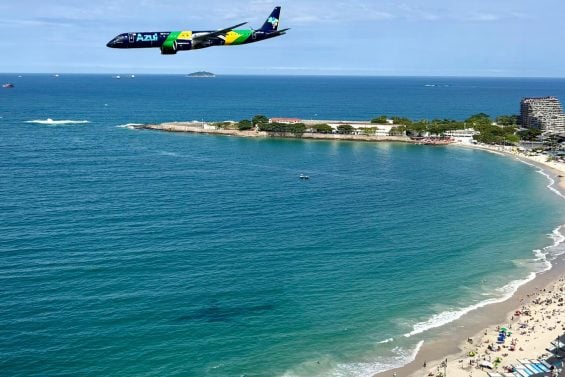
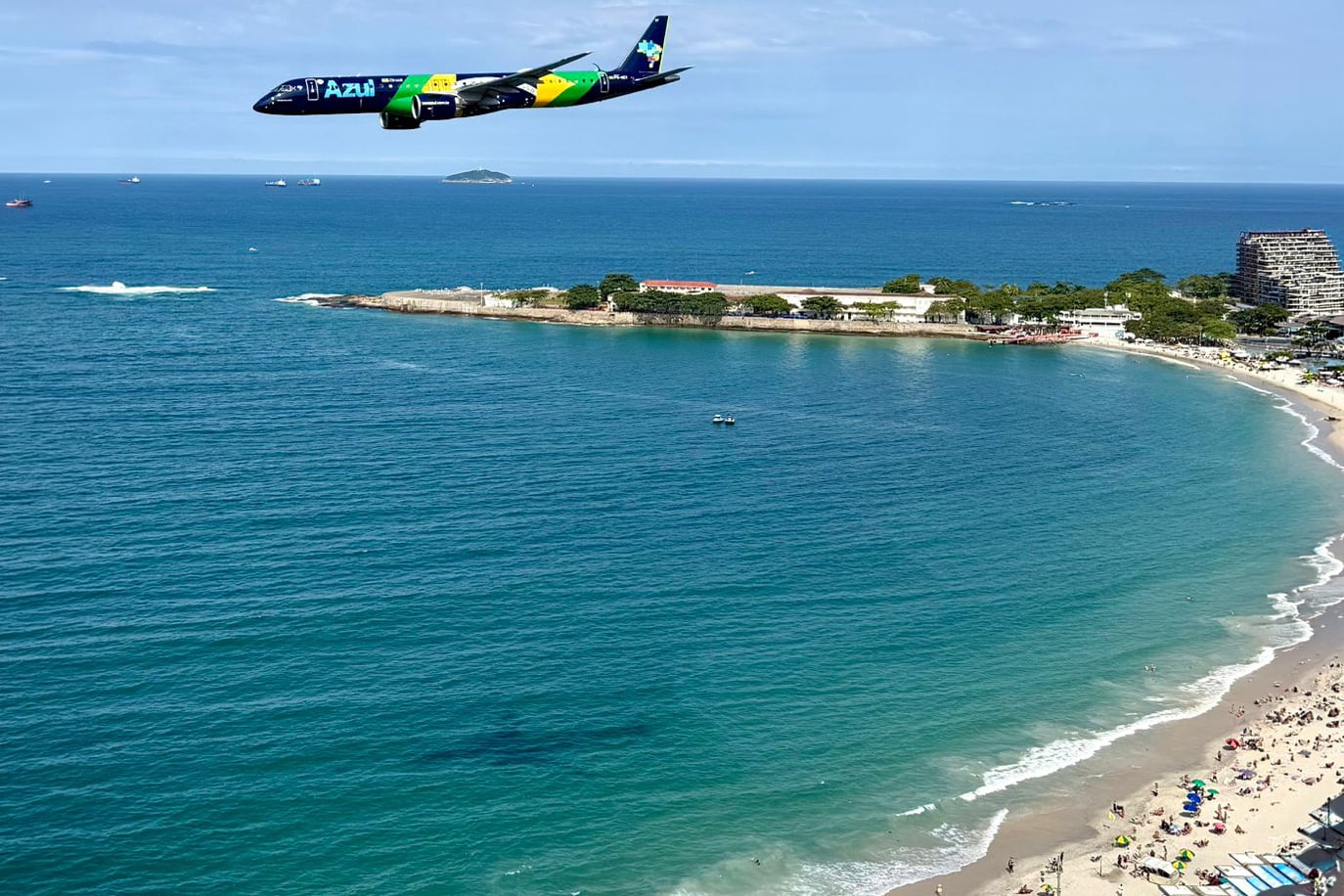
Azul signed a firm partnership with the Brazilian National Team on the eve of the 2026 World Cup. In addition to sponsoring the Brazilian team, the airline even flew low by a national jet — the Embraer 195-E2 — over the beaches of Rio de Janeiro, in order to promote the game against Panama.
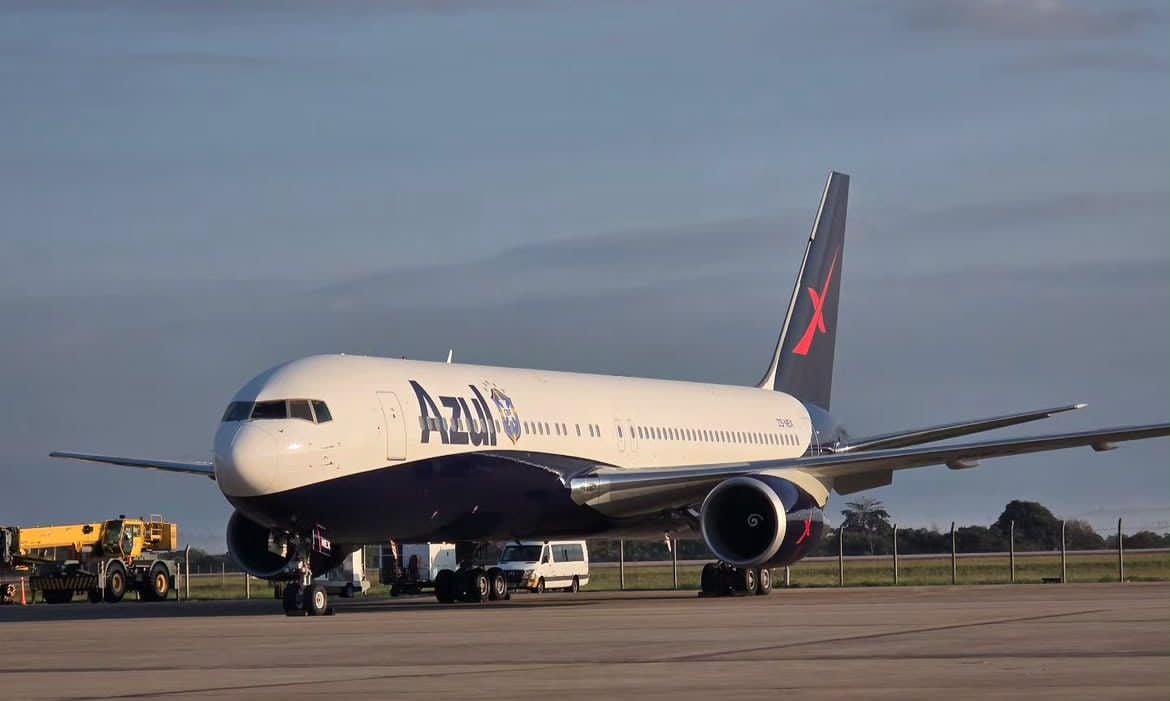
When it came to transporting the players to the competition, however, Azul could not meet the national team: the flight that will take players and coaching staff to the United States will not be made by a regular aircraft from the company’s own fleet. The Brazilian delegation will travel on a Boeing 767-300 in a 100% VIP chartered configuration, operated by South Africa’s Aeronexus.
The CBF plane
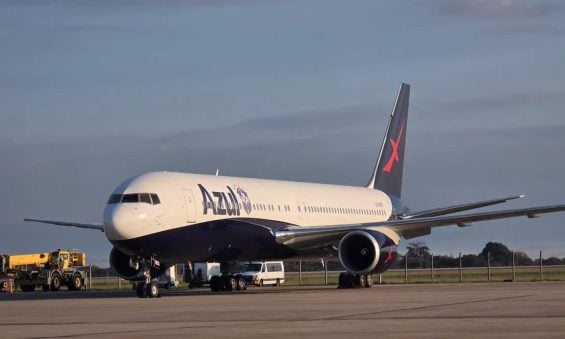
Boeing 767 received special paint from Azul for single flight; The company also covered the rental costs (Photo: Eric Breno | X)
The contrast draws attention because Azul announced in April a sponsorship agreement with the CBF valid until 2030. The partnership transformed the company into the official airline of the Brazilian national teams, including men’s, women’s, youth teams, futsal, beach soccer and eSports. The contract also provides for the possibility of Azul taking over the transport of delegations in sporting and institutional commitments.
In practice, however, the international operation of the Seleção requires a very specific aircraft. According to information published by ABC+, the contract provides that, on trips of this type, the plane will have at least 60 business class seats, an amount difficult to find in conventional commercial planes. Therefore, the flight to the United States will be made on a Boeing 767-300 with VIP configuration, leased and stickered for the occasion.
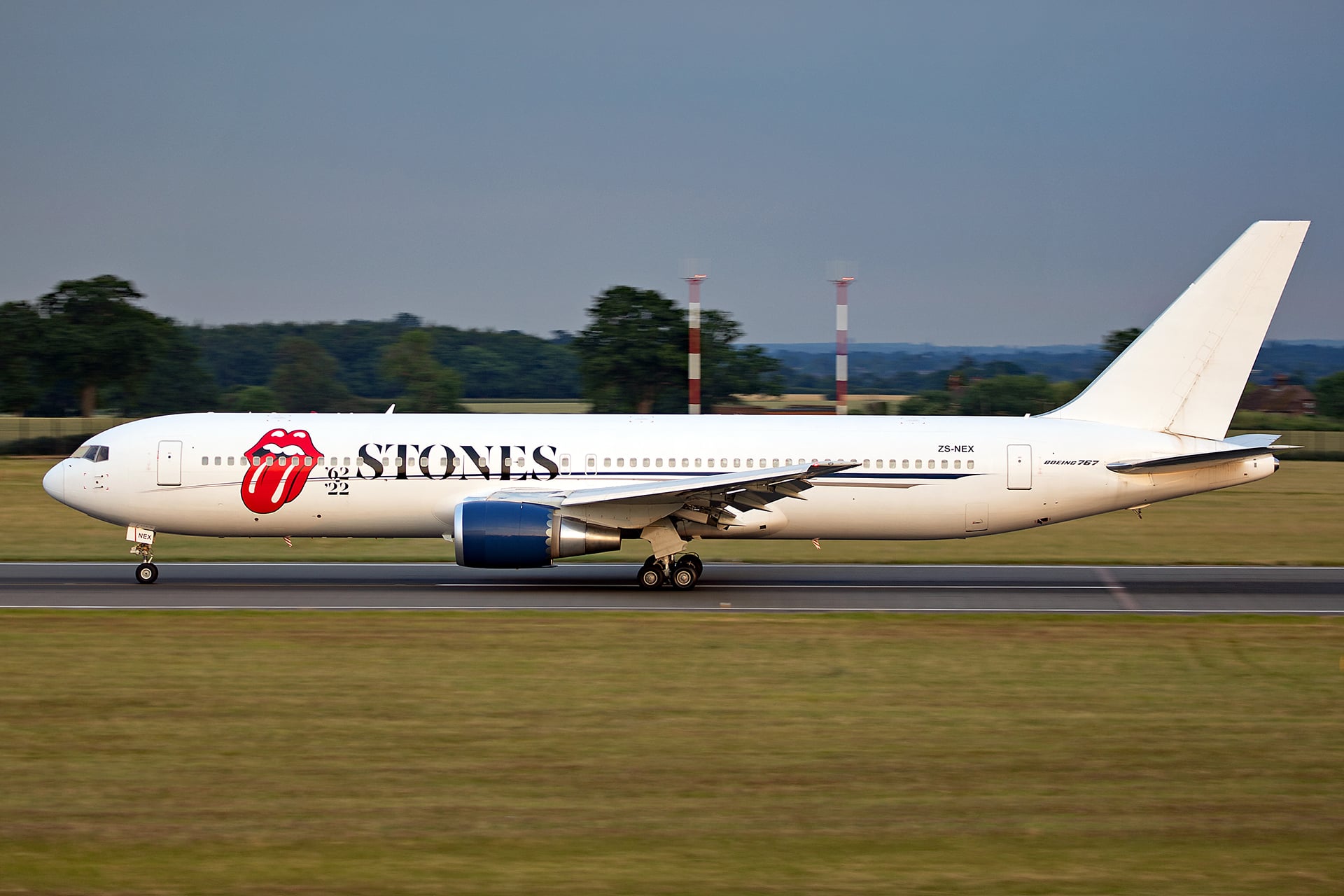
The aircraft was manufactured in 1990, originally passed through the fleet of the Polish LOT and was later converted to executive use. According to BNews, the renovation reduced the original capacity of 243 commercial seats to just 96 large first-class seats. The same plane has already been used by the Rolling Stones on the band’s 60th anniversary tour in 2022.
Problems with the fleet
Azul paraded his modern Embraer jet along the beaches of Rio; efficient model does not serve international flights (Photo: Azul | Disclosure)
The choice also comes at a delicate time for Azul’s international fleet. The company has been adjusting its long-distance operation after a restructuring process. In February, CEO John Rodgerson admitted that the fleet of seven modern Airbus A330neo would be returned to the aircraft rental company by August. Azul considered that it would receive new A330-900s in 2026, but the transition reduces the immediate availability of its own widebodies for special missions.
Part of this transition has already appeared in recent episodes. A Azul Airbus A330neo was stranded in Lisbon after a technical failure in April and did not return to Brazil: it went directly to the process of returning it to the lessors. According to AERO Magazine, the withdrawal of the aircraft was already scheduled and was part of the company’s fleet restructuring and reduction process.
At the same time, Azul resorted to long-lived Boeing 767-300ERs chartered for some international routes, with problematic results. In June 2025, a EuroAtlantic Boeing 767-300ER, contracted to operate Recife-Madrid, had technical problems on two consecutive flights.
In the second case, the plane took off late, had flap failure, and had to return to Recife; days later, UOL recorded the third occurrence of a return of Azul’s aircraft to the airport of origin in four days.
The aircraft are also criticized for their old finish, with small screens, analog controls and the absence of premium economy or business cabins.
Comments are the sole responsibility of their authors and do not represent the opinion of this site. Comments containing profanity or offensive language will not be published. If you identify anything that violates the terms of use, please report it.