


CNH at 16 years old is discussed again in Congress
Rapporteurs argue that bringing forward the CNH to 16 years old can formalize the education of young people who already drive without adequate training
By
Tom Schuenk
Published on 2026-04-14 at 02:00 PM
Updated on 2026-04-14 at 02:20 PM
Published on 2026-04-14 at 02:00 PM
Updated on 2026-04-14 at 02:20 PM
Be the first to comment.
Summarize with:
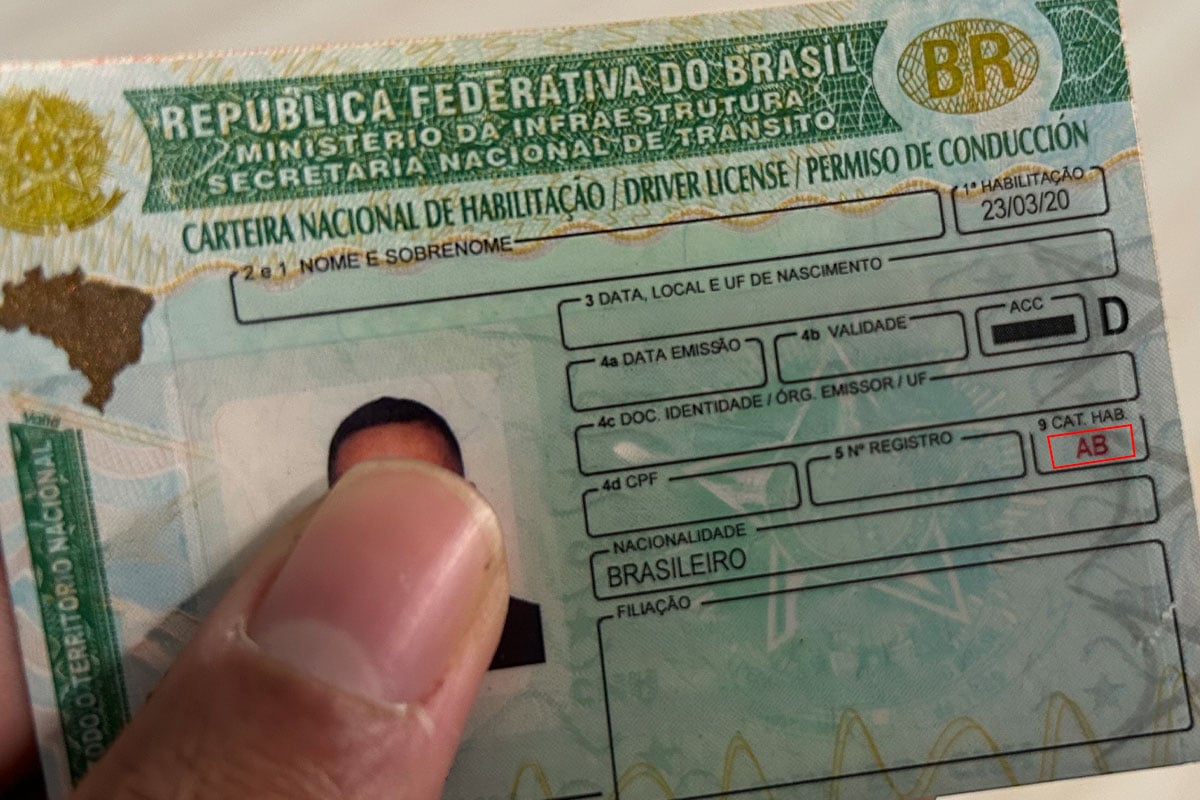
The discussion about lowering the minimum age to get a driver’s license has once again gained strength in the National Congress. The Chamber of Deputies resumes, this Wednesday (15), the debate on the possibility of allowing 16-year-olds to obtain a license to drive. The topic is one of the highlights of the meeting of the special commission that analyzes a series of profound changes in the Brazilian Traffic Code (CTB).
SEE ALSO:
- Leapmotor T03 is a R$ 85 thousand electric van made for urban deliveries
- The Invisible Danger: How Truck Safety Systems Are Causing Serious Accidents
- Rio de Janeiro superimposes national resolution to regulate electric vehicles
The arguments behind the proposal
The suggestion to reduce the minimum age came from deputies Aureo Ribeiro (Solidarity-RJ) and Coronel Meira (PL-PE). Ribeiro’s central argument is that he argues that many teenagers already drive earlier than allowed without any technical training, which ends up increasing the risks on the streets.
According to the rapporteur, anticipating the CNH would be a way to ensure that these young people go through a formal learning process. Colonel Meira, on the other hand, points out that the analysis must go through strict criteria of psychological and social maturity. But despite the noise, it is important to note that the measure is still in the early stages in the Chamber.
To become law, the proposal needs to be approved by several specific committees, pass through the plenary of the Chamber and, only then, be sent to the Senate for a vote. It is a slow process, especially because the collegiate is dealing with a huge volume of projects, about 270 proposals that try to change traffic rules in the country.
What else is at stake?
In addition to the age to drive, the special commission has a full agenda for the CTB in 2026. New rules for medical, psychological and toxicological examinations are under analysis, as well as discussions on speed enforcement and the implementation of the “free flow” electronic toll system, which charges per kilometer driven without the need for physical toll plazas.
SEE MORE ABOUT

0 Comments
Comments are the sole responsibility of their authors and do not represent the opinion of this site. Comments containing profanity or offensive language will not be published. If you identify anything that violates the terms of use, please report it.