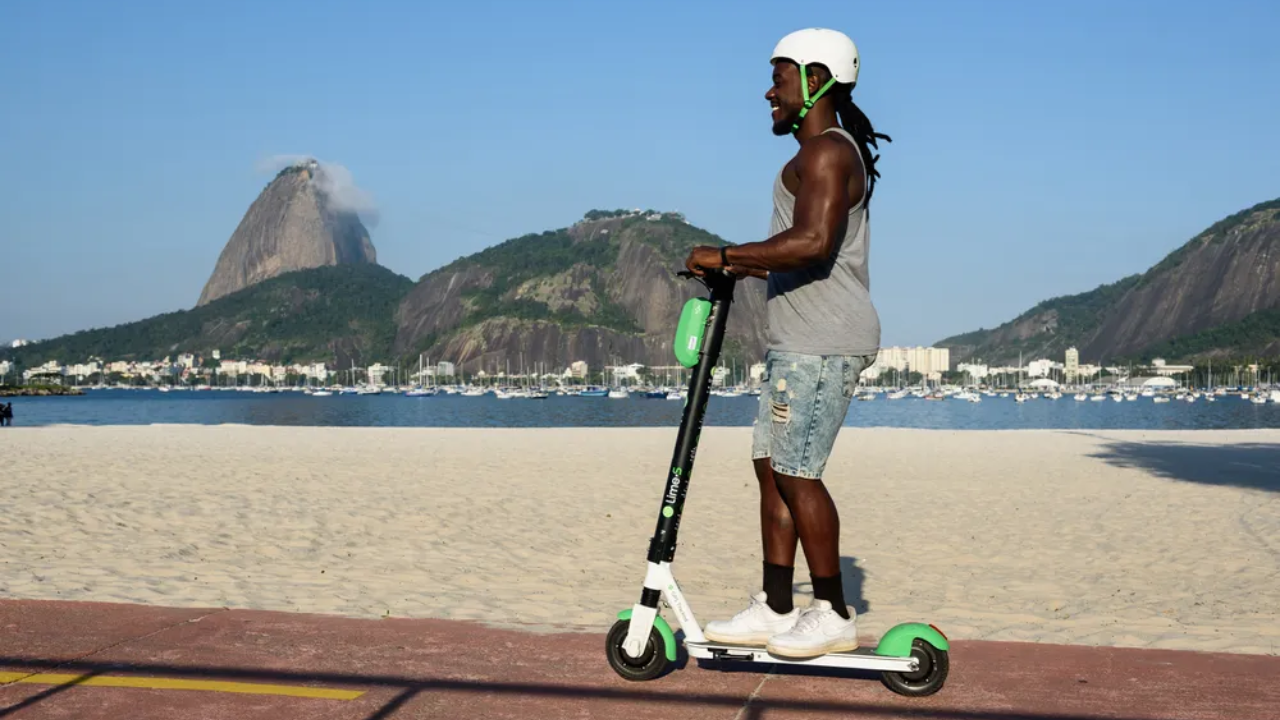
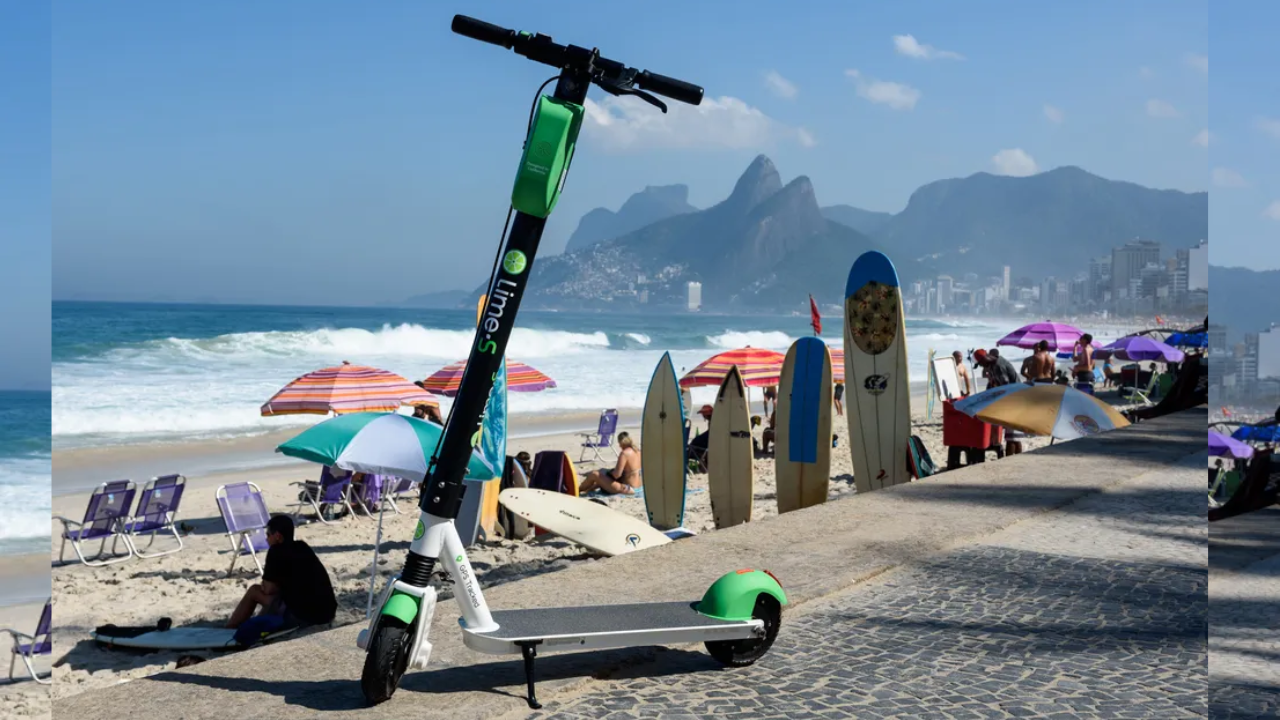
The City Hall of Rio de Janeiro published in the Official Gazette of the municipality new rules to discipline the circulation of self-propelled vehicles and bicycles and similar small electric vehicles. The measure, made official last week, clarifies the places of circulation of each type of vehicle, as well as who and how to drive them.
The sudden novelty generated controversy, especially with the new classification of the self-propelled category. Now, these vehicles will need registration and CNH, just like a moped, a rule that overrides Resolution No. 996 of the National Traffic Council (Contran).
The determinations were detailed during a press conference at the Rio Operations Center (COR), where Mayor Eduardo Cavaliere said that the regulation responds to the recent increase in the number of accidents involving small electric vehicles. According to him, the absence of clearer rules at the national level has pressured municipalities to adopt their own measures.
“The Contran resolution is insufficient and did not account for the municipalities. All cities experience the same problem as us,” said the mayor at the time.
The decree
An important part of the decree of the City of Rio de Janeiro addresses the places allowed for the circulation of each vehicle:
Sidewalks: circulation prohibited, except for exceptions with signage and a limit of 6 km/h, with priority for pedestrians;
Bike lanes: mopeds prohibited; electric bicycles and scooters allowed, with a limit of 25 km/h;
Roads up to 40 km/h: everyone can circulate, on the right edge;
Roads up to 60 km/h: only mopeds can circulate;
Roads above 60 km/h: circulation prohibited for all these vehicles.
The new regulation also requires helmets for all drivers.
An update was published on the first Tuesday of April (7), prohibiting the circulation of mopeds, electric bicycles and electric scooters on roads with a maximum speed of up to 60 km/h that have an exclusive BRS lane.
The circulation of mopeds and bicycles is allowed on the right side of the lane on the roads without the exclusive BRS lane. The circulation of electric scooters is prohibited in these lanes until the implementation of cycling infrastructure.
Violation of the new Contran resolution
As said, the measure of the City of Rio de Janeiro is valid in most of its points, but violates the national resolution in specific situations. According to the National Traffic Council, only vehicles classified as mopeds, scooters or motorcycles require a driver’s license, while electric and self-propelled bicycles differ from these categories.
The new decree brings self-propelled vehicles closer to larger vehicles and now requires, within the municipality, a category A CNH for these cases.
In an interview with G1, the lawyer specializing in Public Law, Victor Accioly, said that the decree used as a basis the possibility that the Constitution gives municipalities to legislate on local interest, although the Federal Law delegates this competence more broadly to the Union.
The City of Rio de Janeiro defends itself and claims that the regulation was necessary, even though it had gaps.
“The City of Rio de Janeiro is the first Brazilian city to regulate this circulation. And why? Why have other cities failed to regulate? Because Contran’s resolution, at times, diverges and is confusing so that the inspection is effective and efficient,” said Marcus Belchior.
There is no forecast for updating the new municipal law. The city is already carrying out inspection operations to verify the measure in force. According to the responsible bodies, the actions are, at this moment, only of an educational nature.
Comments are the sole responsibility of their authors and do not represent the opinion of this site. Comments containing profanity or offensive language will not be published. If you identify anything that violates the terms of use, please report it.