Classic Ford Escort RS is reborn with more than 320 hp
The engineering project rebuilds classic 1975 bodywork with modern materials and offers three engine options with a purist focus
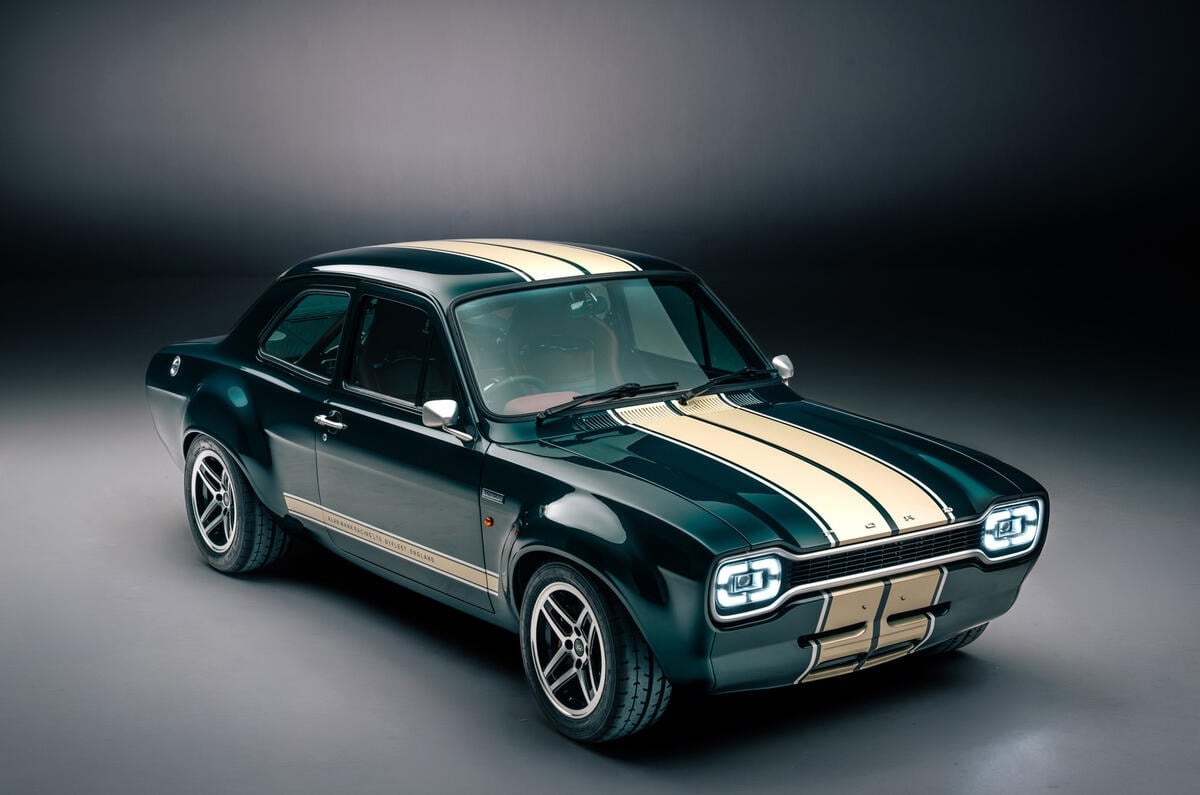
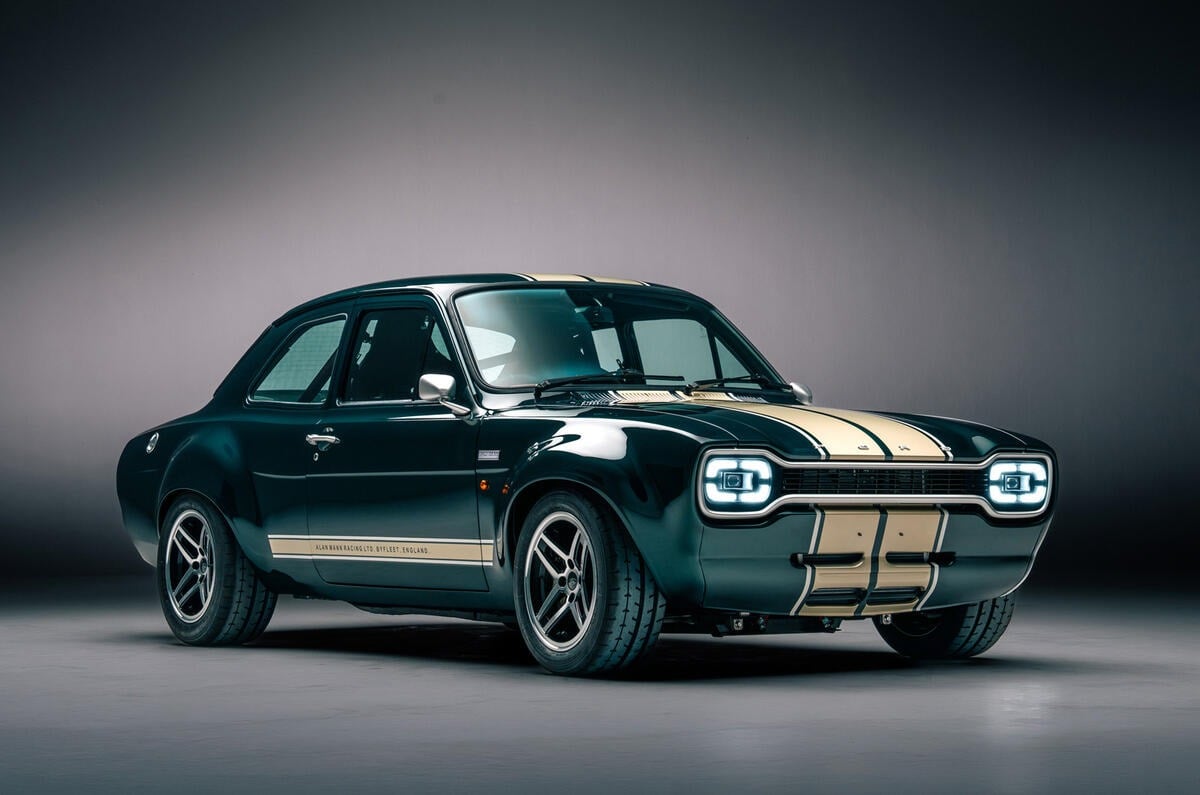
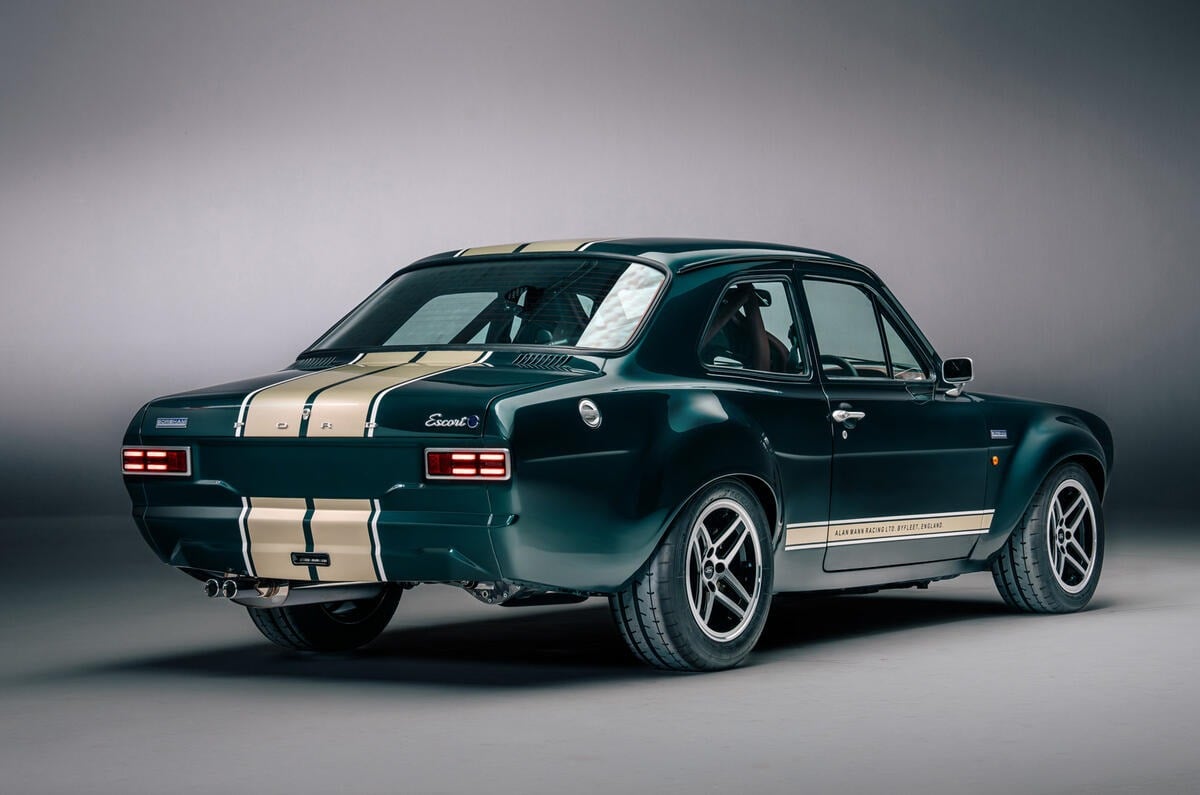
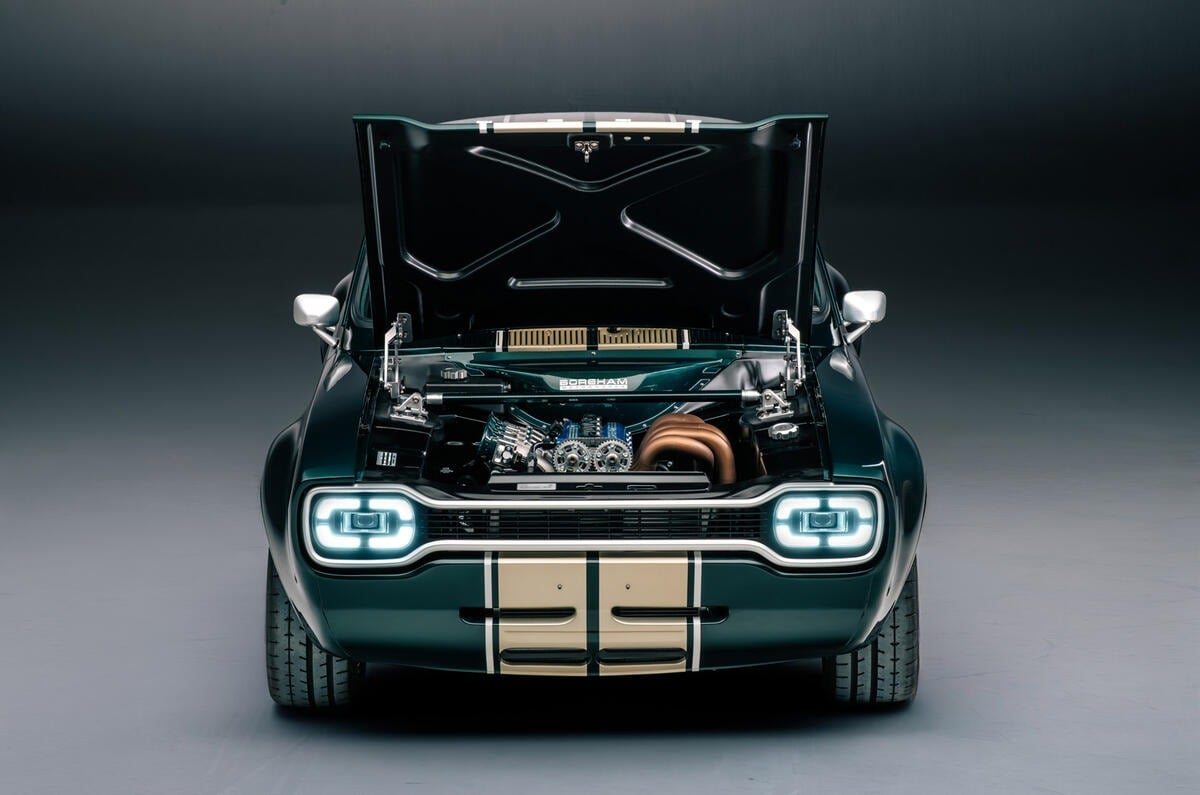
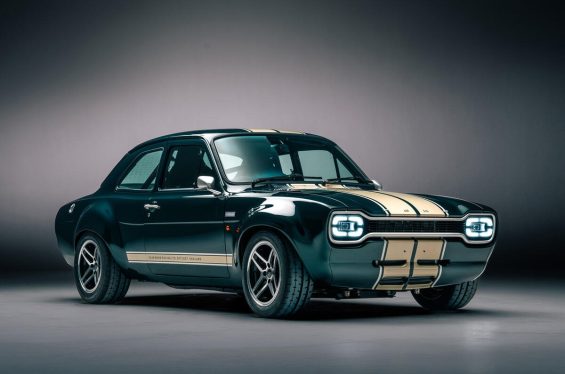
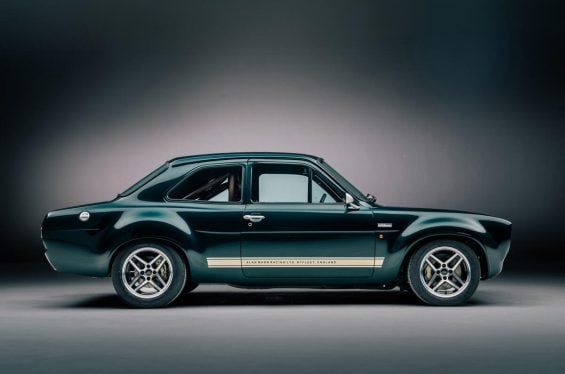
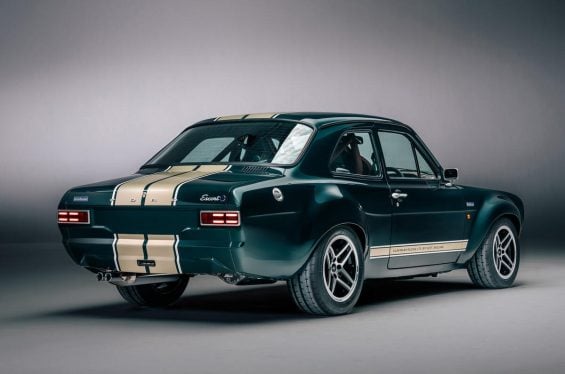
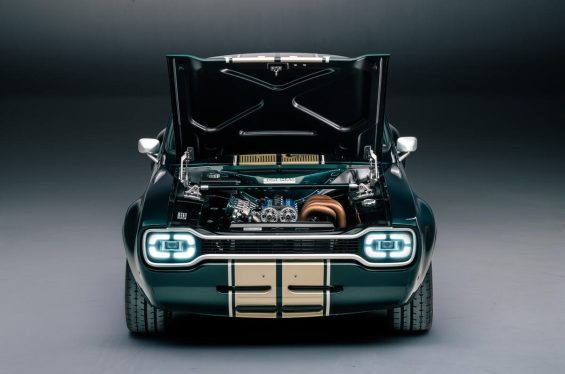
The new Ford Escort RS preserves the proportions of the original Mk1, but adopts LED headlights with graphics that imitate track strips (Photo: Disclosure)
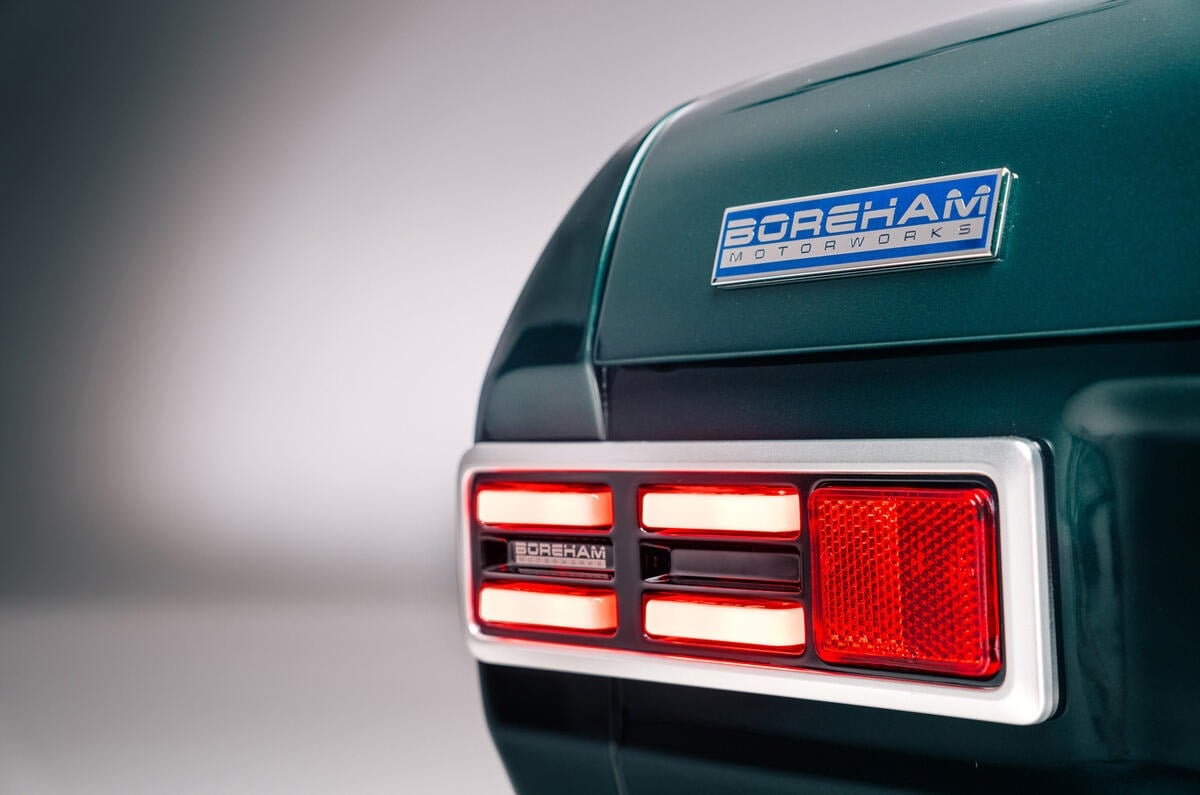
British engineering company Boreham Motorworks has unveiled the final production version of its Ford Escort RS “continumod”. Ford has officially licensed the model, and Boreham Motorworks bills it as the first all-new Ford Escort Mk1 for use on public roads produced in more than 50 years. Unlike a traditional restomod, the vehicle is a creation built entirely from scratch and not a modernization of an existing chassis. Boreham Motorworks will build just 150 units worldwide, with prices starting at £295,000 before duties and taxes, and could go as high as £354,000 in the UK.
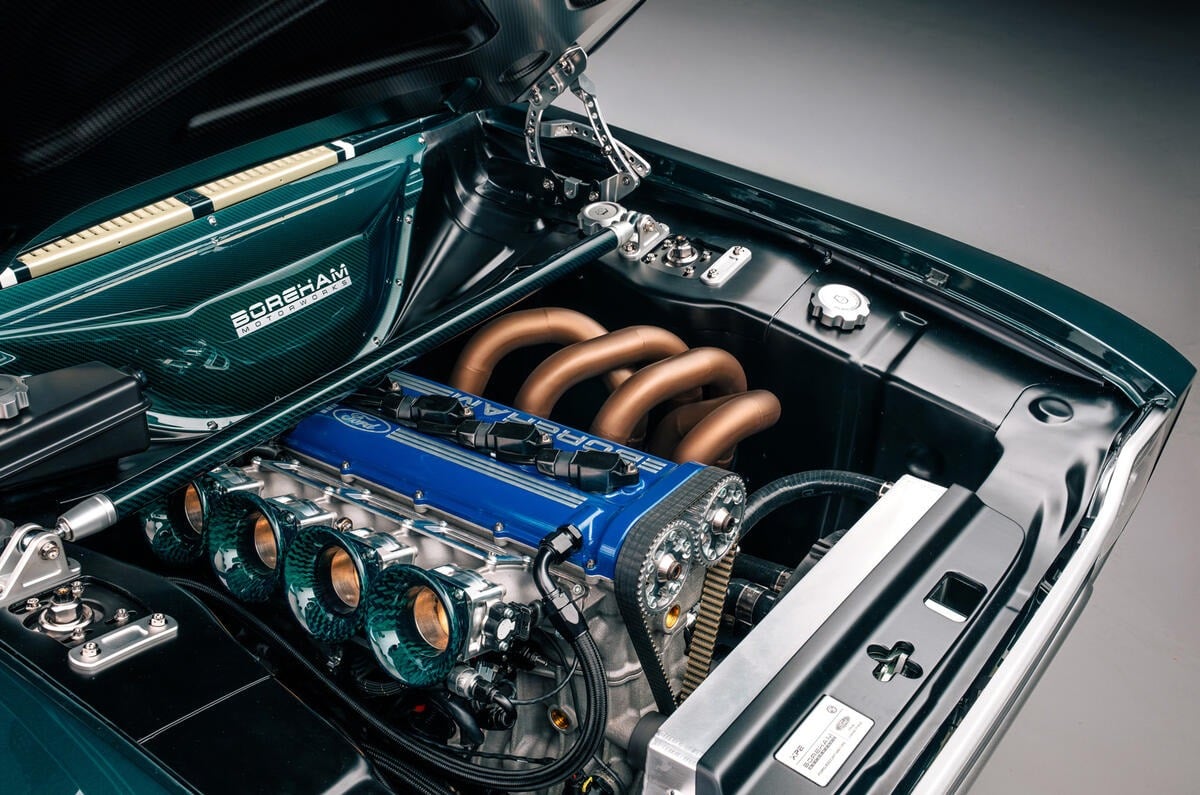
Engineers designed the sports car to deliver a visceral, analog driving experience. For this, the manufacturer gave up modern assists such as power steering, ABS brakes and traction control. The model offers two rear-wheel drive engine options, including a modern engine derived from Ford’s current lineup:
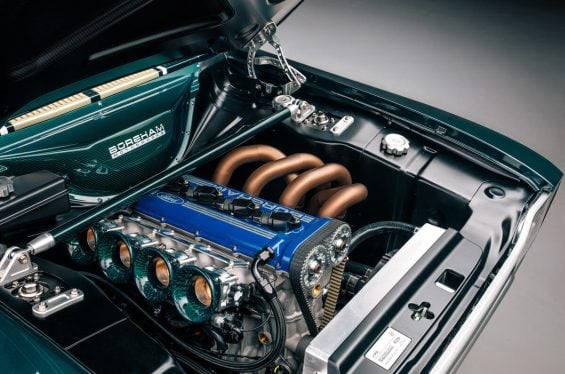
Ten-K Engine: Tailor-made 2.2-litre four-cylinder naturally aspirated block. It weighs only 85 kg, but delivers 326 hp, with a rev limit of 10,000 rpm managed by a five-speed manual transmission.
Twin Cam Motor: Redesigned classic racing version, whose displacement rose to 1845 cm³. It received electronic injection in place of the original carburetors, generating 182 hp, coupled to a four-speed transmission with straight teeth.
Modern engineering and signed design
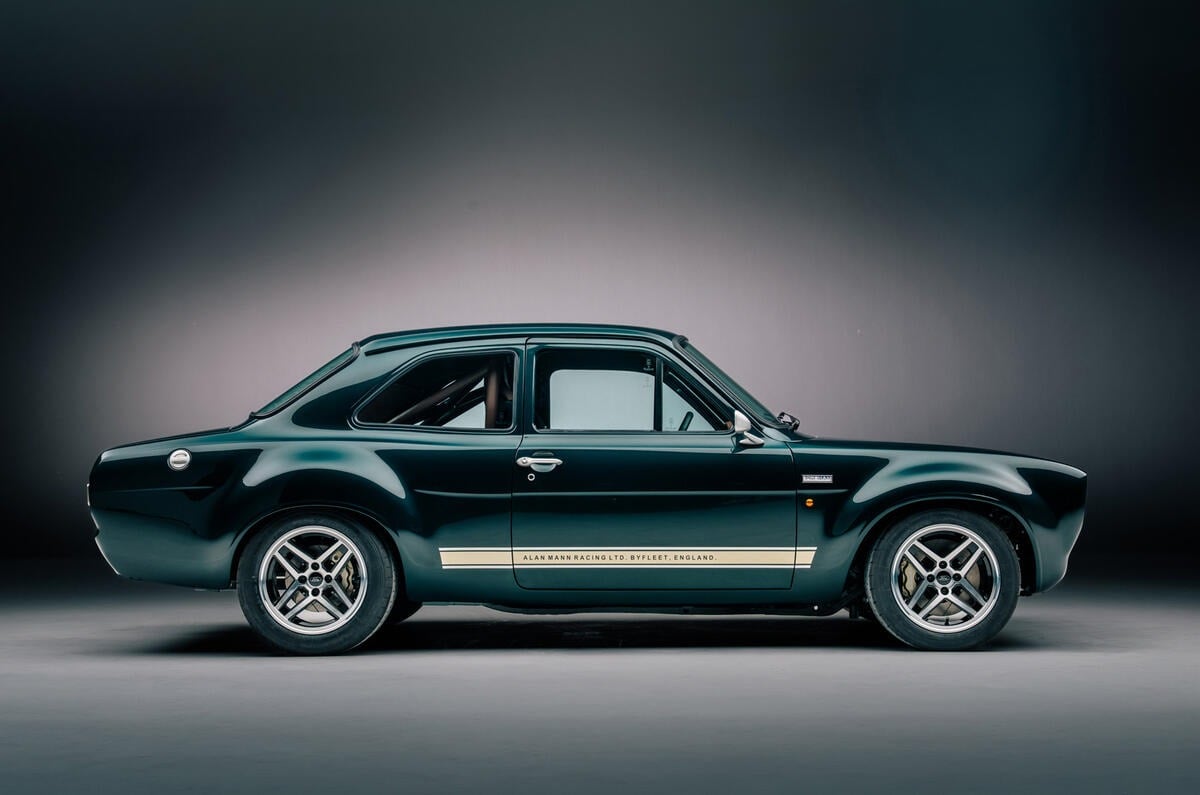
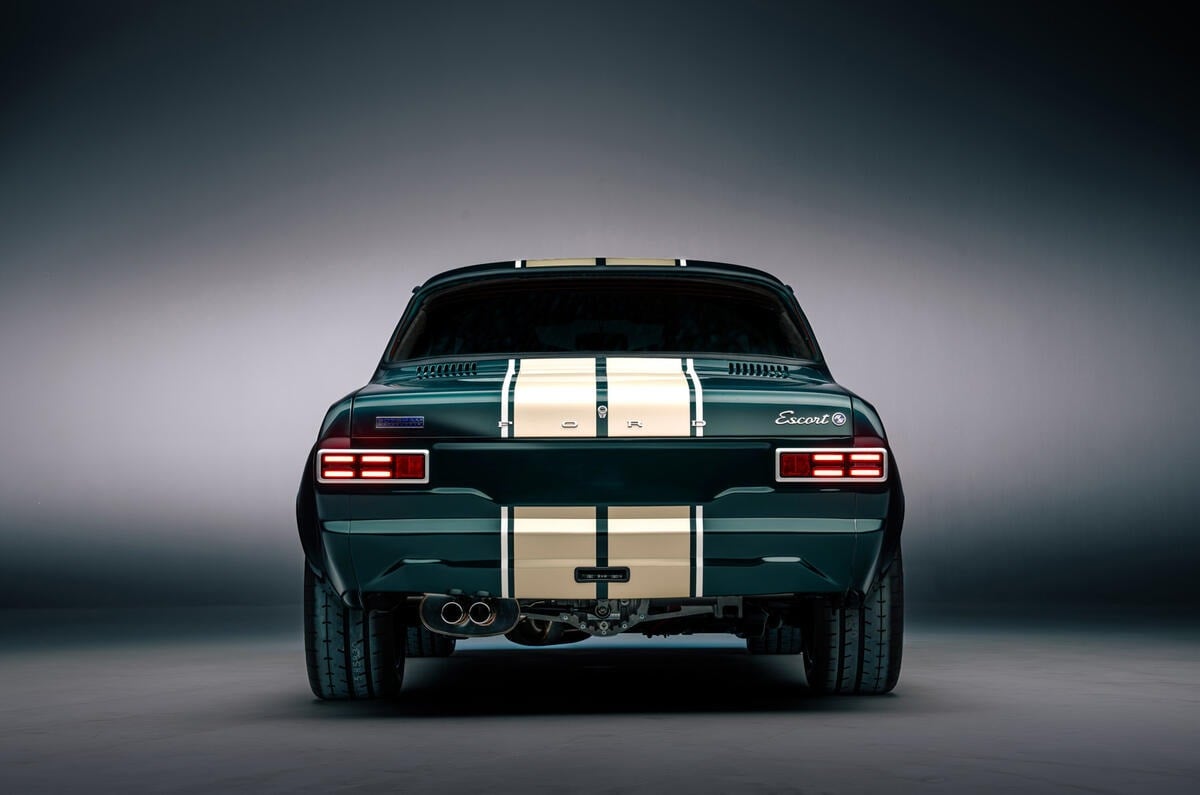
The structure digitally recreates the body of the two-door Escort produced by Ford until 1975, but received extra reinforcements by computer simulation and enlarged wheel arches. The suspension adopts the coilover system, limited-slip differential and a new rear axle made of aluminum and titanium with shock absorbers in a vertical position.
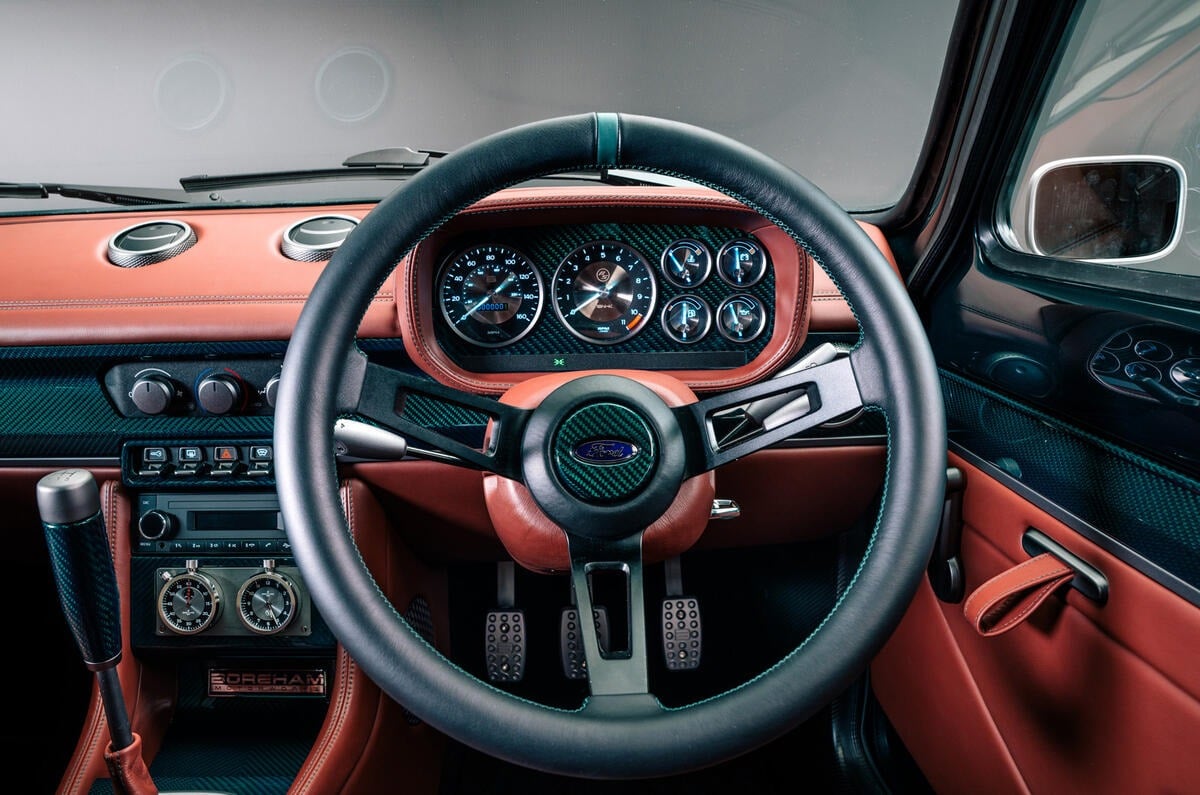
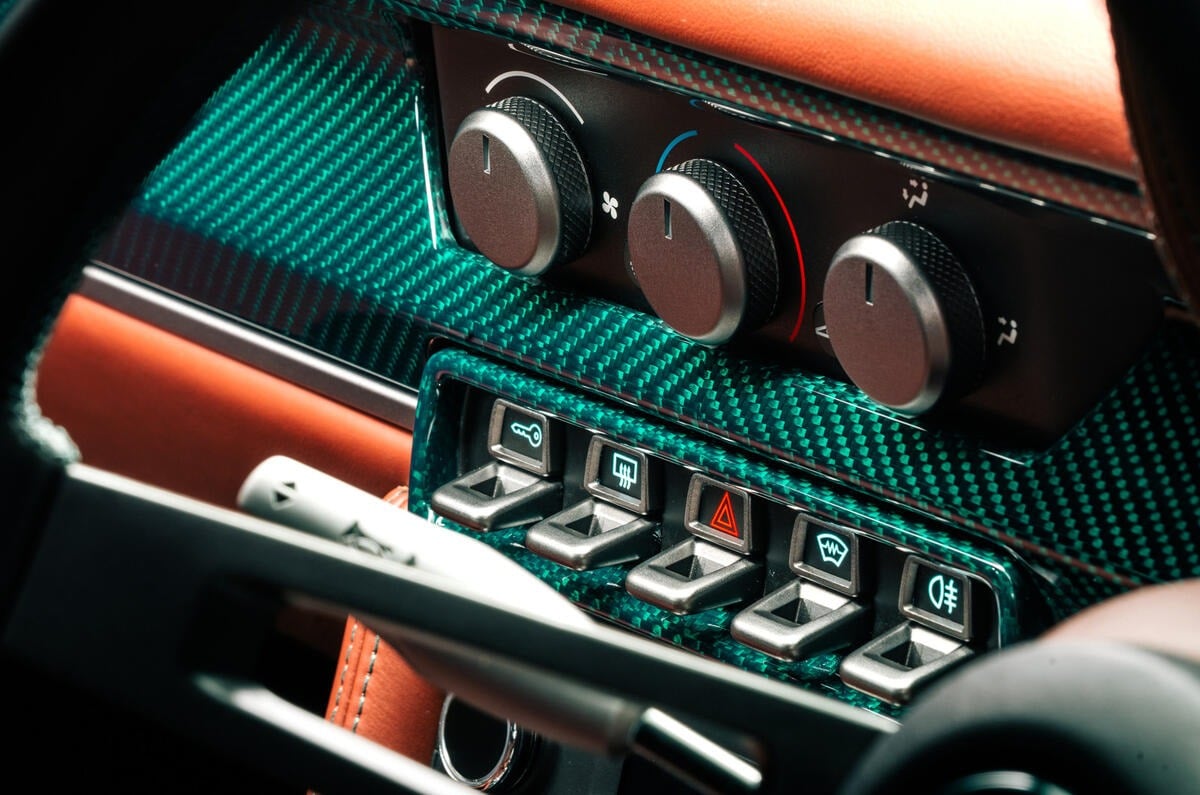
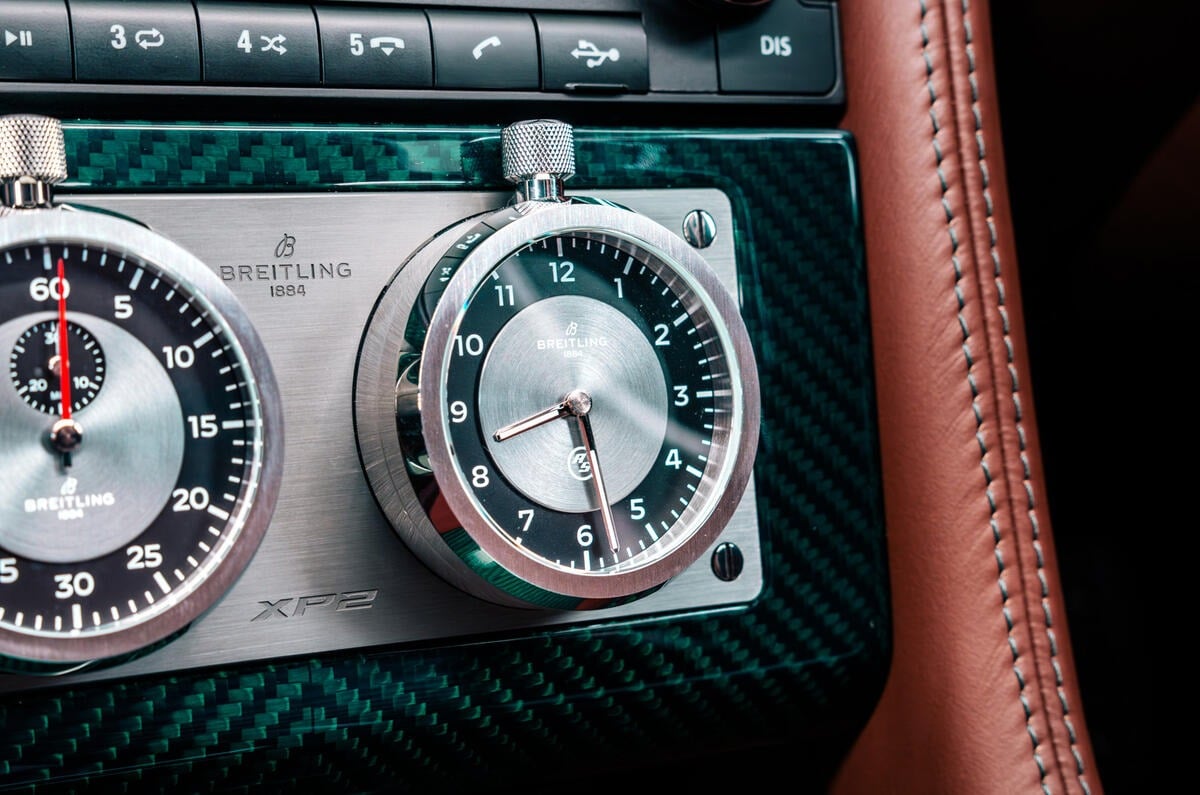
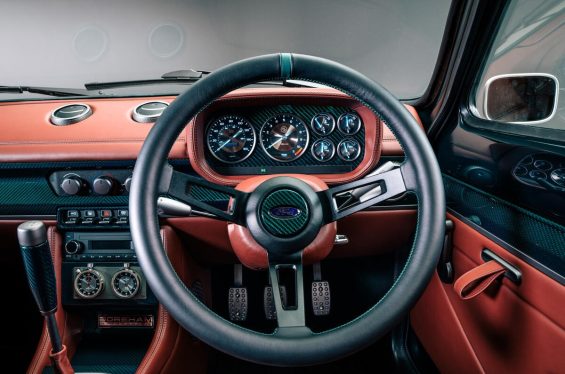
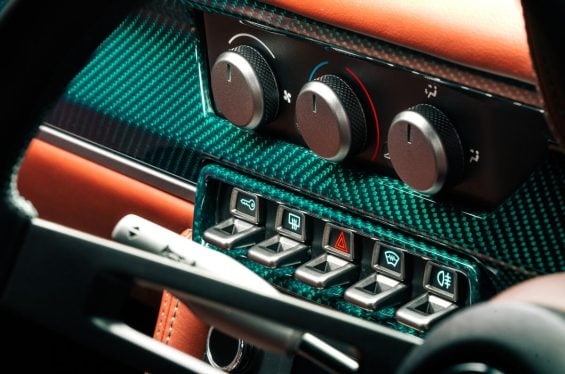
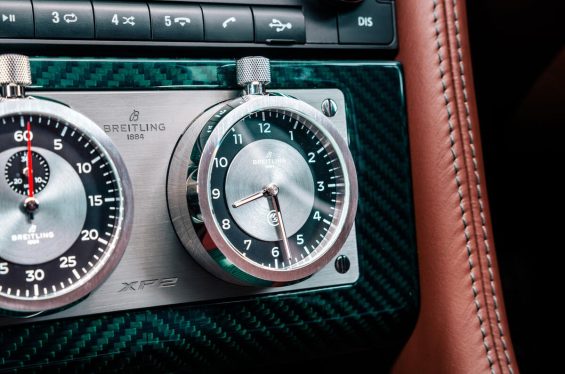
The exterior look was modernized by Wayne Burgess, former designer of the Jaguar SVR. The chrome main turn signals and bumpers have been removed to evoke the 1968 race cars, while the new LED headlights have a design that mimics the cross strips used on tracks at the time (to prevent glass splinters on the track in the event of a collision). Inside, the vehicle combines modern details with classic elements, such as the six-clock dashboard. Boreham also revealed that it is already working on another project to revive the legendary Ford RS200.
Comments are the sole responsibility of their authors and do not represent the opinion of this site. Comments containing profanity or offensive language will not be published. If you identify anything that violates the terms of use, please report it.