


Australia solves main impasse and will have the world’s first marijuana “breathalyzer”
New South Wales proposal sets a ceiling of 50 ng/mL of THC in saliva and creates a system of warnings before fines and suspension of licenses
By
Tom Schuenk
Published on 2026-06-08 at 01:00 PM
Published on 2026-06-08 at 01:00 PM
Be the first to comment.
Summarize with:
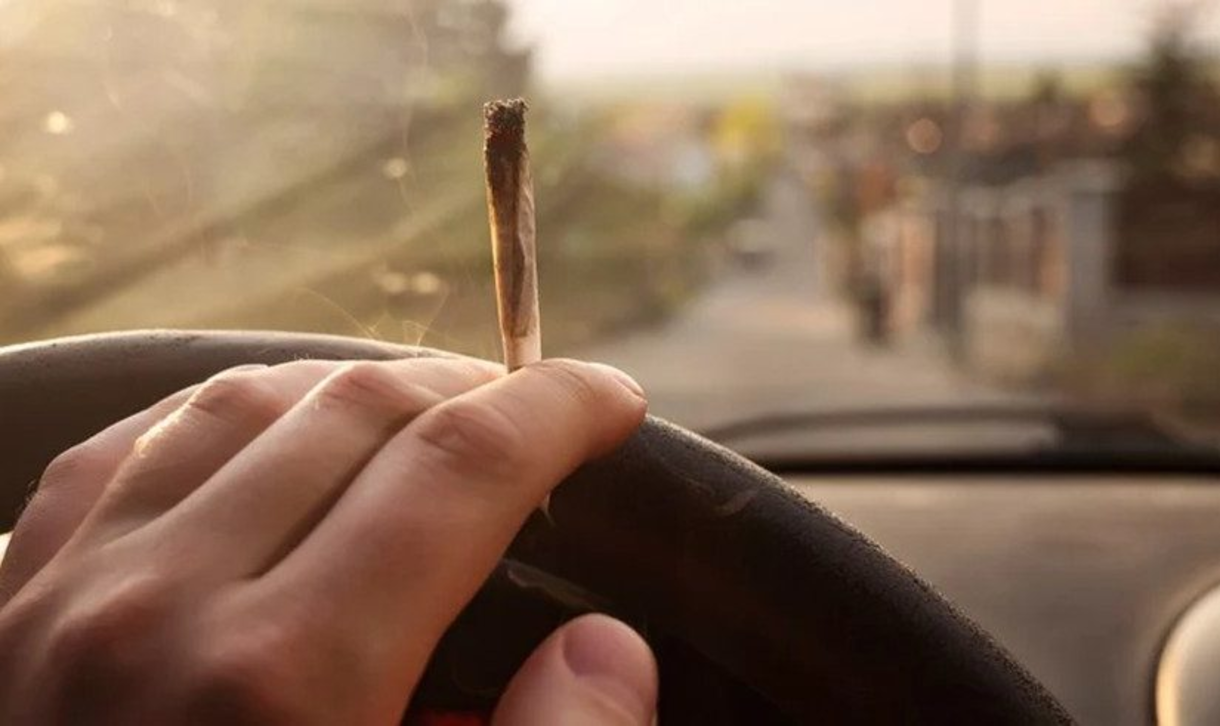
The government of the state of New South Wales, Australia, has presented a proposal that allows drivers with a prescription for medical cannabis to drive legally with the substance in their system — which would be the first THC limit for traffic in the world. Although the medicinal use of the plant has been legalized in the country since 2016, current legislation punishes these patients with the same sanctions applied to recreational users. The measure sets a ceiling of 50 nanograms of THC per milliliter of saliva, valid for those with a medical prescription.
SEE ALSO:
- Lecar: Brazilian ‘automaker’ without a car and without a factory wins another government setback
- Henry Ford’s ghost town in the Amazon will have to be restored by court order
- India gets first flex-fuel car and bets on ethanol to reduce oil imports
How inspection and penalties will work
The approach on the highways will follow specific criteria if the driver tests positive in the rapid saliva test:
- Immediate suspension: the license is suspended for 24 hours, and the driver must provide a new sample for detailed laboratory analysis. If the report falls below 50 ng/mL, it is released from punishment.
- Warning system: anyone who exceeds the limit will not be punished immediately. The proposal provides for two warnings, and the formal accusation only occurs from the third infraction.
- Severe punishments: in the third occurrence, the offender is subject to a fine of AU$ 704 (about R$ 2,560) and the suspension of the license for at least three months.
Differences on road safety
Reaching this number, however, has always been a technical obstacle – and it is what helps explain the novelty of the proposal. In the case of alcohol, the concentration measured by the breathalyzer has a direct and predictable relationship with the degree of drunkenness, which allows a defensible legal ceiling to be set.
THC, the active ingredient in cannabis, is fat-soluble and can remain detectable in blood and saliva for hours — or days, in frequent users — even after the effect has ceased. Therefore, the amount found does not always indicate that the driver is under the influence of the drug, which makes any numerical cut scientifically controversial.
How the topic is treated in Brazil
In Brazil, the logic is opposite to the Australian proposal. The Brazilian Traffic Code (CTB) does not set any THC limit nor does it provide an exception for medicinal use: according to article 165, driving under the influence of alcohol or a psychoactive substance that causes dependence – such as marijuana – is a very serious infraction, without minimum tolerance. Any amount capable of compromising driving is enough for punishment.
As there is no “drug breathalyzer” in routine use – the so-called dromometer is still in the testing phase – the inspection is based on clinical signs, driving behavior and forensic examination. The penalty reaches R$ 2,934.70, seven points on the license and suspension of the right to drive for 12 months; Refusing the test constitutes the same infraction. In more serious situations, there is also the possibility of classification as a traffic crime.
SEE MORE ABOUT

0 Comments
Comments are the sole responsibility of their authors and do not represent the opinion of this site. Comments containing profanity or offensive language will not be published. If you identify anything that violates the terms of use, please report it.