

A traffic light, 364 days of flashing and a single day of green: the Japanese island that teaches children to cross the street
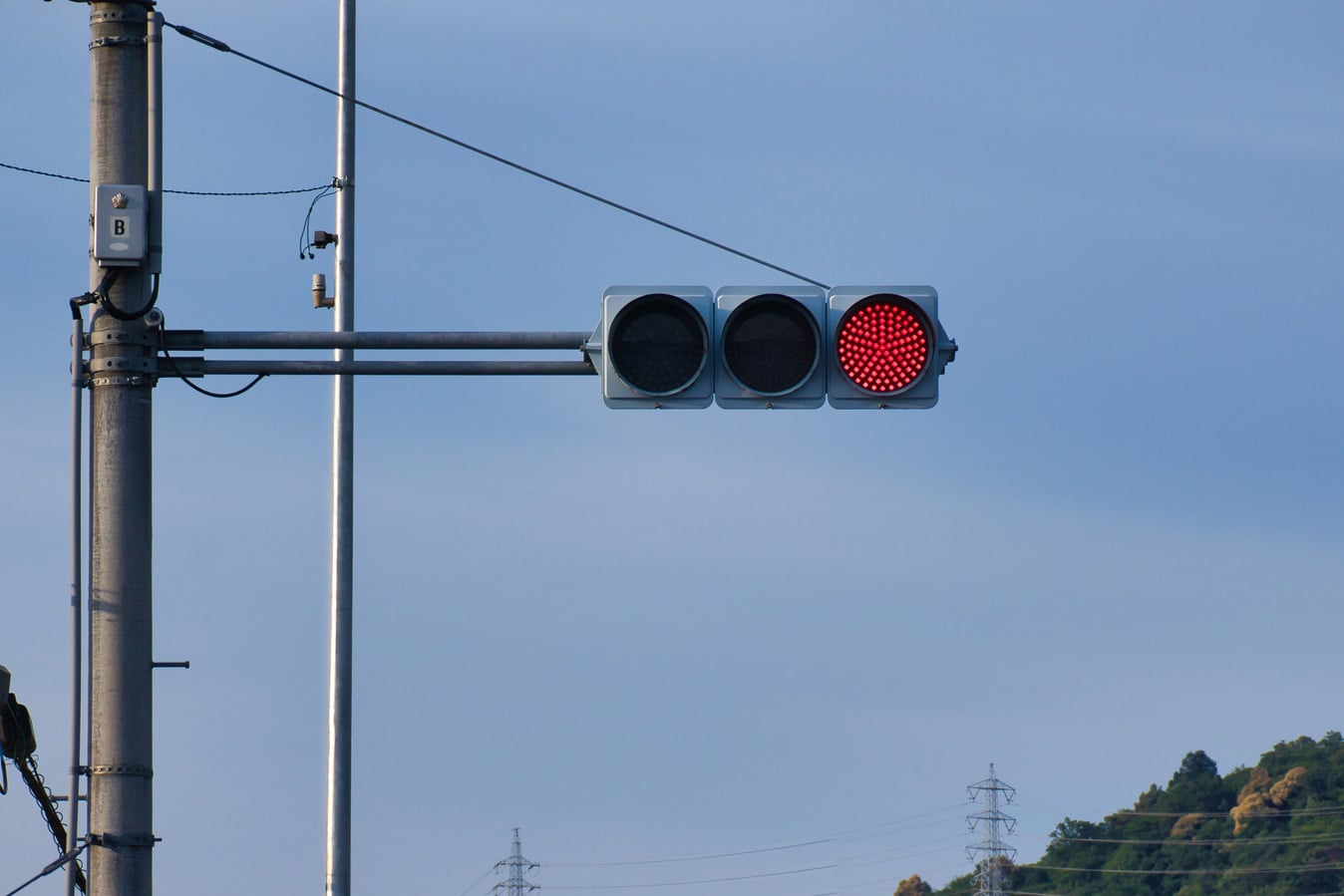
Installed in 1994, the only traffic light in Himakajima flashes every day and only opens the green for a road safety education class
By
Júlia Haddad
Published on 2026-08-18 at 09:00 PM
Published on 2026-08-18 at 09:00 PM
Be the first to comment.
Summarize with:
There is a traffic light in Japan that spends 364 days a year without doing what it was invented for. It is located in Himakajima, an island of less than 1 km² in Mikawa Bay, Aichi Prefecture, a few minutes by boat from the mainland — and only lights up the green once a year, for an audience of children.
Installed in 1994 at the intersection next to the east port of the island, the equipment lives in intermittent mode: it flashes red for those who leave the port road and yellow for those who follow the coastal road. It’s a luminous “stop and look”, nothing more. And it doesn’t have to be more: with about 1,600 residents, very few vehicles and a perimeter of 5.5 km that can be covered on foot in less than 90 minutes, Himakajima has no traffic that justifies a complete cycle of signaling.
There, the octopus has more prominence than the automobile — there is even a police station in the shape of an octopus in the port.
The class that takes place once a year
The exception arrives along with a group of students. Third- and fifth-graders from the local primary school are taken to the intersection once a year, and the traffic light operates like any other in the country. The children form a line on the sidewalk, wait for the light to change, look both ways and only then step on the banner, crossing with their arms raised to be more visible.
It sounds like a joke, but the exercise solves a real problem. Before 1994, the school used small demonstration equipment to explain how a traffic light works — which did not teach the essentials: how long the signal lasts, how far away the car is, where to look. The island’s traffic safety association realized that residents arrived on the mainland without a repertoire to deal with intersections and had the real equipment installed.
The detail is that many of these students leave. Those who grow up in Himakajima often leave the island to study or work in cities like Nagoya, Osaka, Yokohama or Tokyo — places where crossing the street at the wrong sign is not a detail.
Green that’s called blue
The training includes a peculiarity that confuses foreigners in Japan: the light that the rest of the world calls green is traditionally described as blue (ao). The heritage comes from ancient Japanese vocabulary, which used the same word for both colors, and survived in traffic law. The function, of course, is the same.
Cases like this are not exclusive to Japan. In Brazil, Ilha Grande, in Angra dos Reis (RJ), prohibits the circulation of private vehicles throughout the territory: travel takes place on foot, by bicycle or by boat.
In Himakajima, the result was curious: from almost not working, the traffic light became an attraction. It appears in the island’s promotional material and is photographed by tourists who come up from the port to see the intersection that spends the year flashing.
SEE MORE ABOUT

0 Comments
Comments are the sole responsibility of their authors and do not represent the opinion of this site. Comments containing profanity or offensive language will not be published. If you identify anything that violates the terms of use, please report it.