Tire blowout? See possible causes, what to do and how to avoid
Blowouts involve several factors, such as tire condition, track conditions, and maintenance; If the item is damaged, it is necessary to be calm and act assertively
Desperation, accompanied by a 'stomp' on the brakes can be a dangerous combination in this situation. (Photo: Shutterstock | AutoPapo)
By
Julia Vargas Published on 2026-05-13 at 12:00 PM
Updated on 2026-05-13 at 12:10 PM
In traffic, whether on the roads or in the city, all kinds of adversity can happen, including the tire bursting while the vehicle is in motion. This situation, which scares most drivers, can be very dangerous, especially when panic kicks in and you don’t know what to do.
In this article you can check out the possible causes and factors that contribute to tire bursts or tears, what NOT to do, how to maintain your safety and ways to avoid this dangerous mishap.
The tire is a compound made from natural rubber and petroleum derivatives, which is resistant, but does not support everything. According to Roberto Falkenstein, Pirelli’s innovative technologies consultant for Latin America, there are some conditions that can contribute to the tire bursting while the car is moving. These factors are:
Low pressure;
Excess load;
Pre-existing problem, such as cracks, bubbles, or holes;
Outdoor conditions such as potholes or objects on the road.
Inadequate calibration
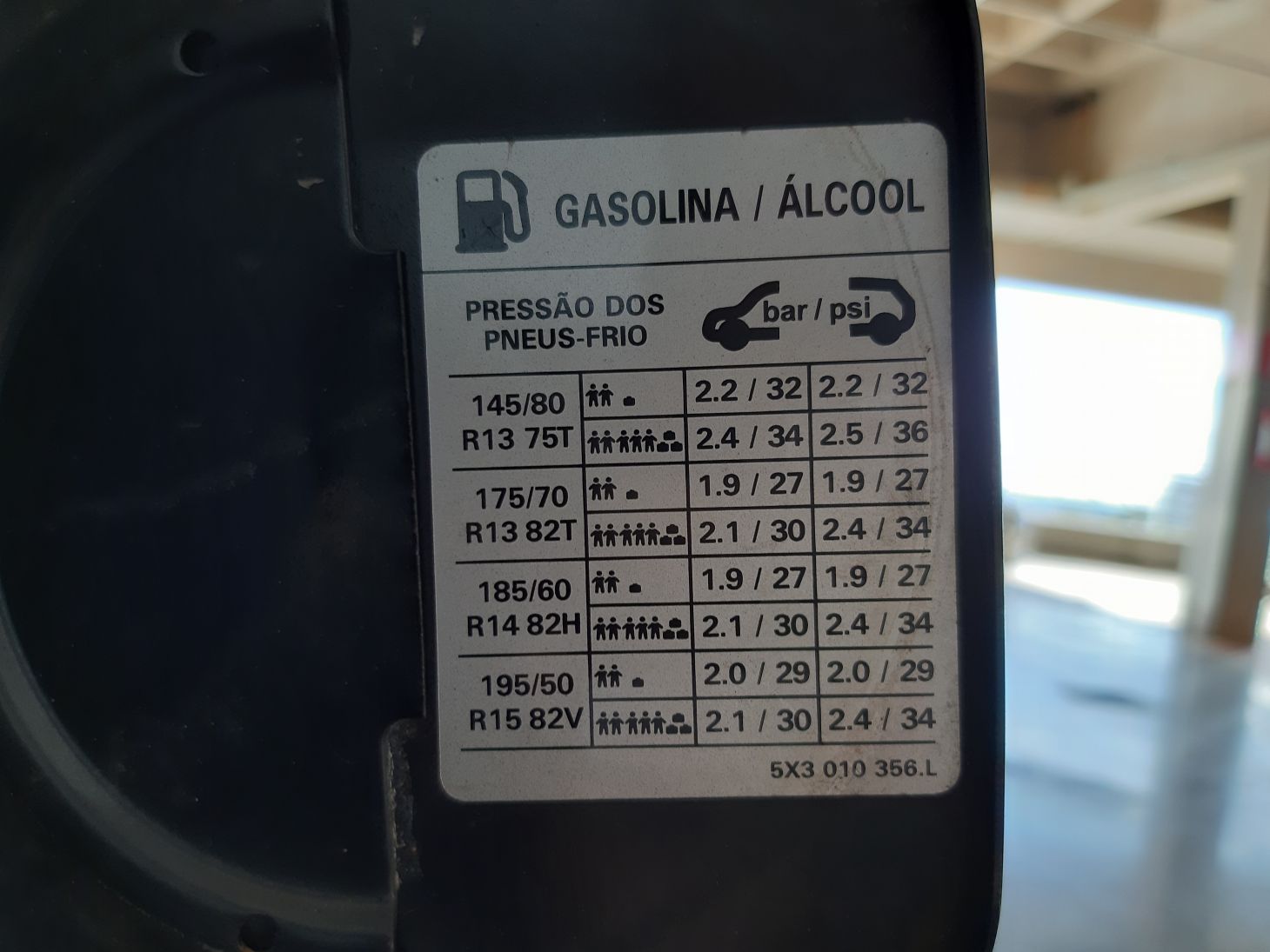
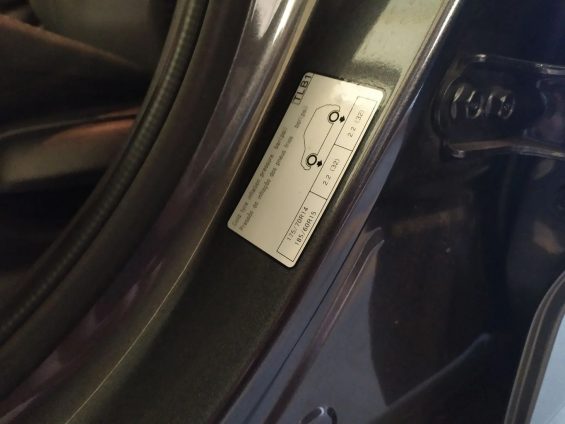
Incorrect inflation can contribute to an unexpected tire tear. If it is full beyond the margin indicated by the manufacturer, the chances of bursting are much higher. Now, if it is wilted, the chance of tearing is high.
Label that indicates how to calibrate the tires located on the driver’s door (Photo: Felipe Boutros | AutoPapo)Label that indicates how to inflate the tires located on the cap of the filling nozzle (Photo: André Willis | AutoPapo)
Old and bald tires can burst easier
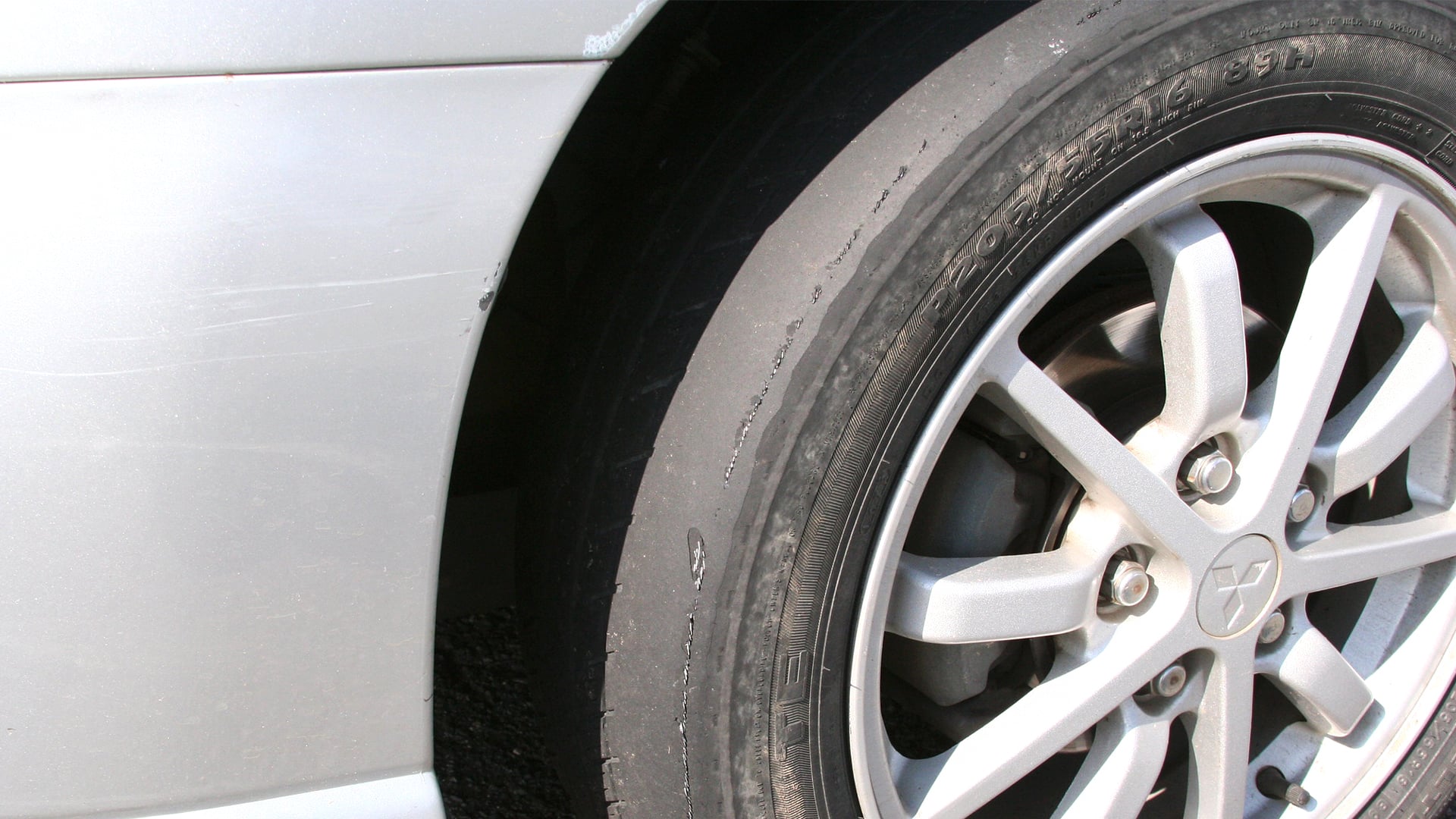
After a lot of use, the tires wear out and can become bald when the TWI (tread wear indicator), a bump perpendicular to the grooves of the component, equals the thickness of the tread. When this mark is reached, its original characteristics, such as design and structure, are compromised. This compromises drivability and the bald tire is also more vulnerable.
Worn tires with a smooth appearance are much more susceptible to punctures and tears. (Photo: Dale Miller)
In addition, the tire has a useful life and after 5 or 6 years of manufacture it begins to dry out and lose its properties. In this state, the item is more fragile and easy to present defects, cracks, holes or even steering problems, and its useful life is a maximum of 10 years.
From then on, the tire loses grip, which also impairs stability and braking distance. Even if the material is not worn out and the item looks new, do not use this tire after the expiration date.
Holes and irregularities on the road
These are the biggest enemies of the tire on the track:
Reflective stud (turtle or cat’s eye);
Curb or guide;
edge of holes.
In the case of turtles, passing, especially at high speeds and with the side of the tire, can result in a tear. The curb follows the same principle, but these are usually much more irregular and sharp parts, enhancing a “wound” in the tire. The edges of holes are also deformities that can be sharp, resulting in a puncture.
When it is not possible to avoid passing through these places, reducing the speed of the vehicle is essential to ensure that the tire remains in one piece. The higher the speed, the greater the force applied for the tire to deform and possibly burst.
What to do if the tire blows out
If you are driving and a tire blows out, the first step is not to despair, because panic is your biggest enemy in these moments that a wrong attitude can put your life at risk, especially if you are at higher speeds.
According to Falkenstein, Pirelli’s Innovative Technologies Consultant:
The driver should reduce speed gradually, without sudden braking. The driver should not brake emphatically, as this increases the chance of losing control of the vehicle. You should also avoid sudden maneuvers with the return.”
Therefore, you should hold the steering wheel firmly with both hands, gradually take your foot off the accelerator and brake as gently as possible. Vehicles with stability control are of great help at this time. In this way, the driver can reduce the speed of the car safely and, if possible, the ideal is to try to take it to the side of the road.
Care to prevent your tire from blowing out
Roberto Falkenstein lists the main measures that every driver should take to avoid problems with their tire:
Perform frequent visual inspection of tires;
Calibrate it regularly cold;
Keep tire maintenance up to date;
Do not alter the originality of the vehicle, maintaining the original measurements of the tire;
Comments are the sole responsibility of their authors and do not represent the opinion of this site. Comments containing profanity or offensive language will not be published. If you identify anything that violates the terms of use, please report it.